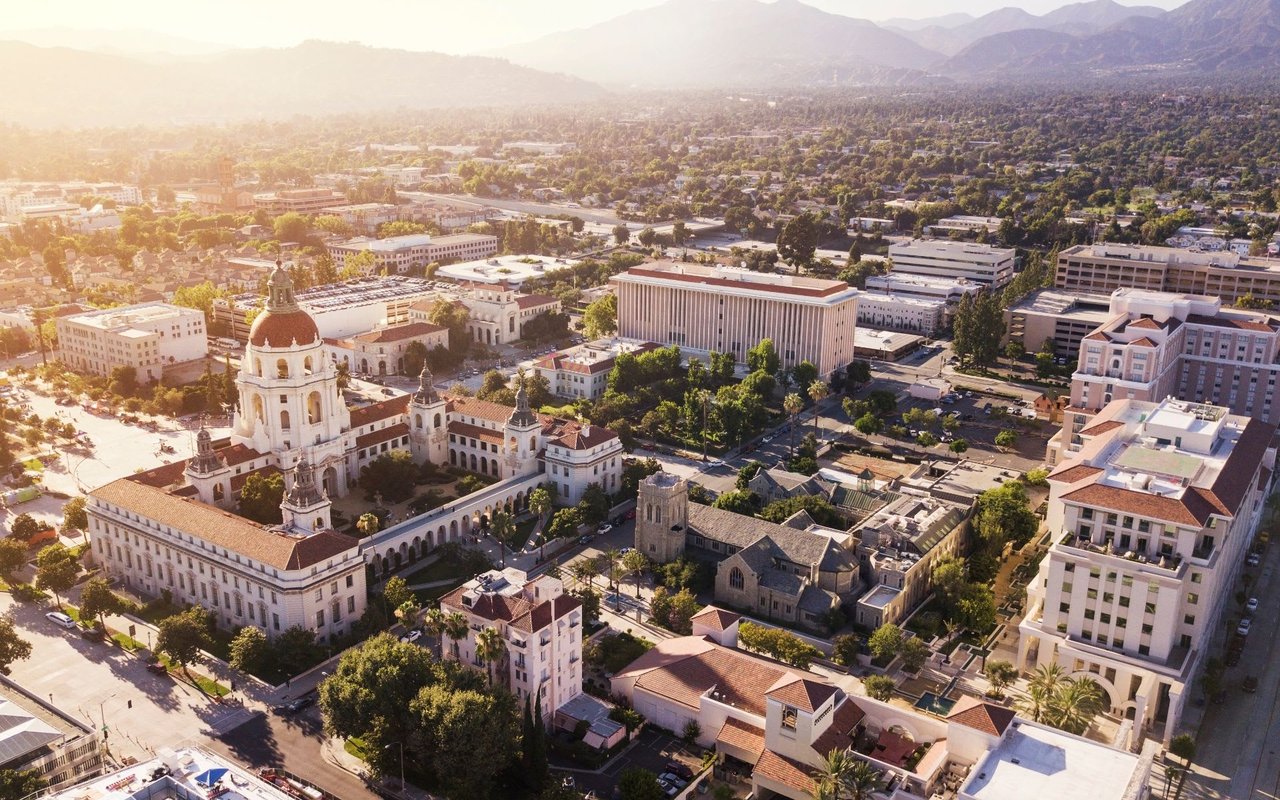
The South Pasadena Farmers Market has kept its small-town feel for more than two decades because of three unrelated things stacking together: long-running vendor families like McFarlin Mindy Farms, a state certification rule that keeps the market agricultural-first, and a 19th-century building, the former Meridian Iron Works, sitting at its physical center.
Ask anyone who has shopped the Thursday market on Meridian Avenue what makes it different from the bigger, splashier markets across Los Angeles, and the answer rarely starts with the fruit. It starts with a name. Mindy McFarlin's peaches. The granola couple. The guy who sharpens knives every other week. In a region full of farmers markets that rotate vendors like a food hall rotates pop-ups, South Pasadena's has stayed still in a way that's easy to miss if you're only there for the tomatoes.
That stillness isn't an accident, and it isn't just charm. It's the product of a specific set of long-running vendor relationships, a state certification rule most shoppers have never heard of, and a building sitting dead center in the market that most people walk past without a second look. Put those pieces together and you get a clearer answer to why this market still feels like a small town gathering after more than two decades, while so many others have turned into something closer to a rotating retail experience.
The Same Family, Fifteen Years Running One Stand
Walk to the center of the market and you'll find McFarlin Mindy Farms, piled high with lemons, peaches, plums, nectarines and grapes depending on the week. This isn't a stand that showed up last season and might be gone by next. It's a family business that's been running for more than 25 years, started in the early 2000s by two men who happen to share a name, Cliff McFarlin, a brother-in-law and father-in-law pairing that's become part of the market's own oral history. Mindy McFarlin has co-run the stand for the last 15 years.
Ask her what she's bringing that week and the answer changes with the season, which is the point.
"We're crazy farmers who harvest all year."
That's not a marketing line. It's an explanation for why the stand looks different in July than it does in November, and why regulars keep coming back to see what's in season near Fresno rather than picking a fixed order off a menu.
A Prepared-Food Layer Built on Top of the Produce Core
The produce stands are the market's foundation, but the food that draws lines on a Thursday evening is the layer built on top of them. Robin's Wood Fire BBQ and Vegano's plant-based paletas sit among the prepared food vendors clustered near the Metro A Line station, alongside Star Sky Granola, run by Allen and Heather Herndon, whose small-batch approach reflects the same family-operation model as the produce stands rather than a franchise rollout.
Mama Musubi has become enough of a fixture that shoppers name it unprompted. One market regular put it simply in a review:
"I saw one of my favorite food truck vendors, Mama Musubi and instantly fell in love with it."
None of these are chains testing a Pasadena location. They're small operators who found a spot in this specific market and stayed, which is a different kind of stability than most people expect from a "farmers market" categorized alongside street fairs and seasonal pop-ups.
The Vendor Who Only Shows Up Every Other Week
Not every fixture at the market keeps a weekly schedule, and that irregularity is itself a kind of signature. Jeff's Knife Sharpening Service sets up every other Thursday, servicing knives and scissors for a crowd that has apparently learned to plan around it. It's a small detail, but it says something about the character of the market: this isn't a curated, corporate vendor roster assembled by a events company. It's closer to a standing appointment between a neighborhood and a handful of people who show up on their own terms.
The Museum Standing in the Middle of the Produce Stalls
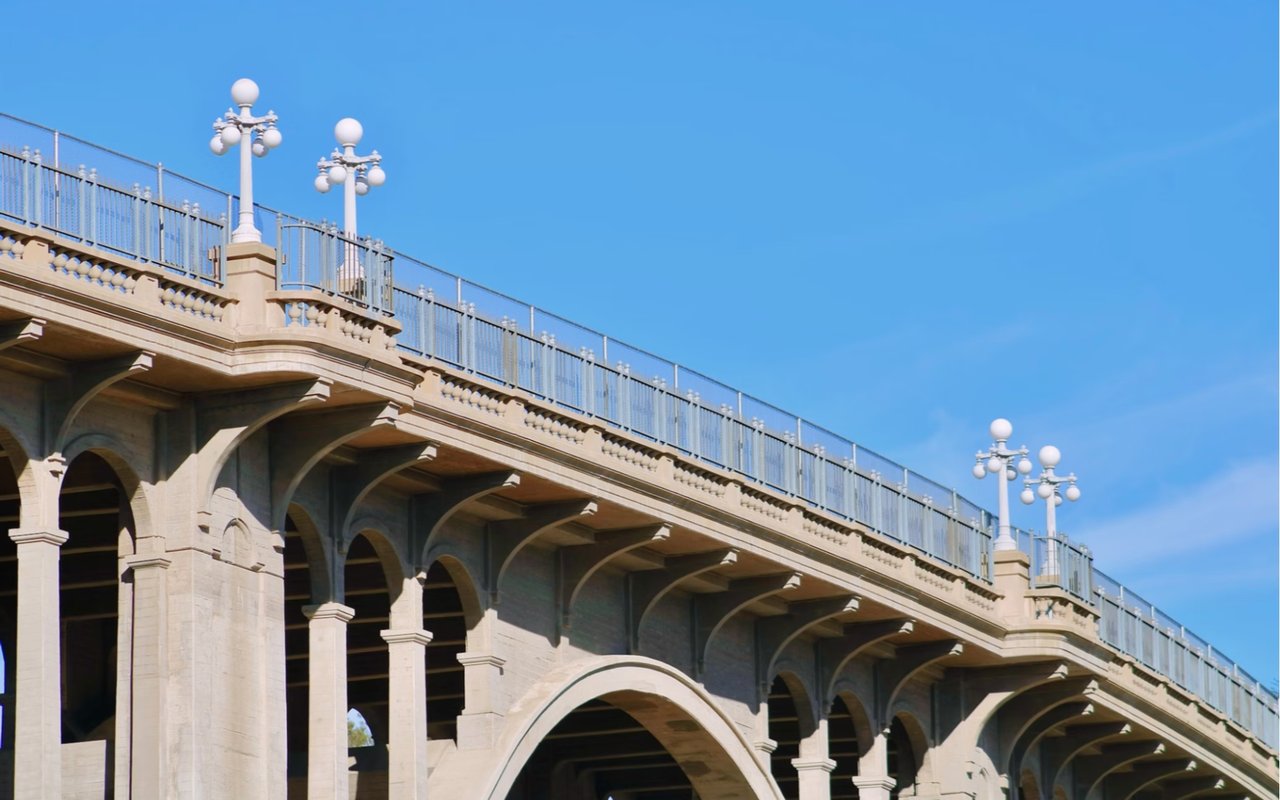
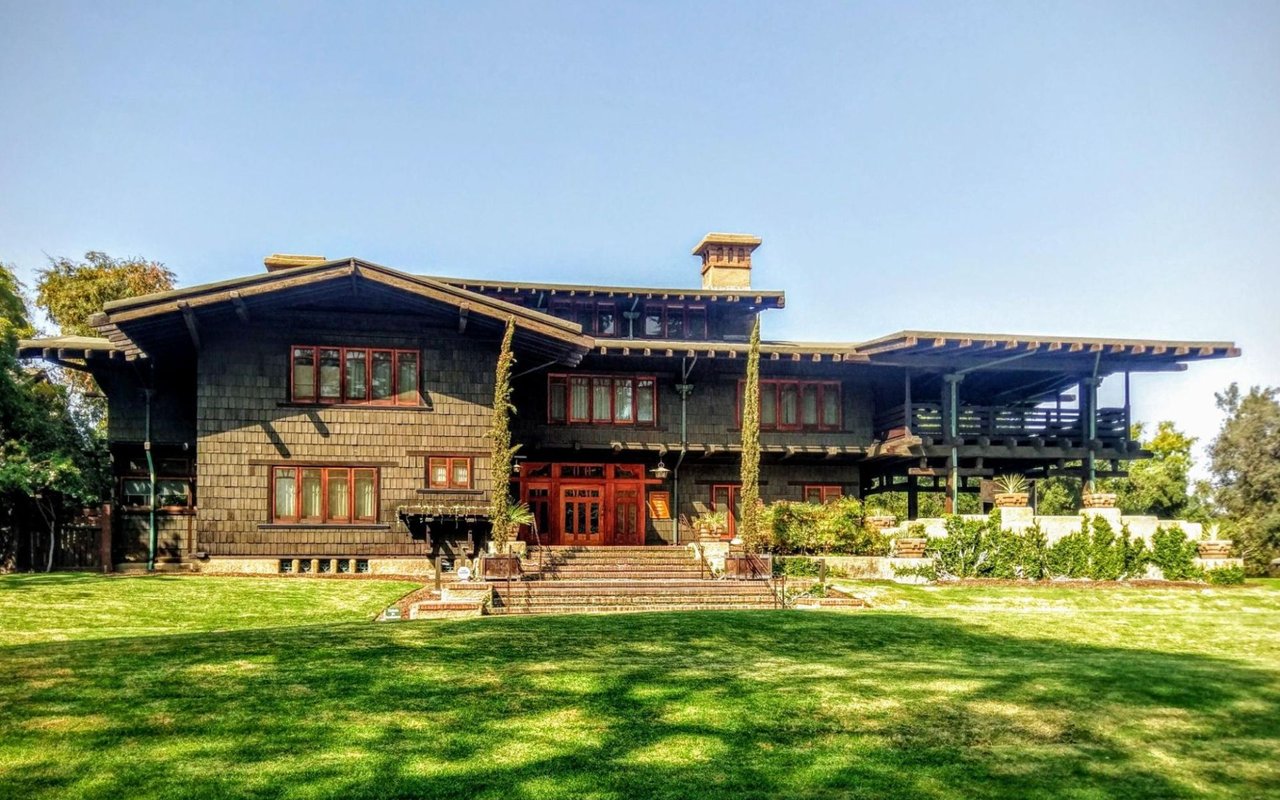
Here's the detail that separates this market from a produce stand in a parking lot: the building at its physical center isn't a retail anchor or a community center built for the occasion. It's the former Meridian Iron Works, a structure that predates the market itself by roughly a century, now operated as a museum by the South Pasadena Preservation Foundation and holding artifacts from the late 1800s and early 1900s.
Most shoppers walk past it every week on the way to the next produce stand. Few go inside. But its presence changes what the market actually is. This isn't a temporary setup on unused pavement. It's a weekly market that has grown up literally around a piece of the city's industrial history, on a plot of land that was doing something else entirely before farmers markets existed as a category.
Why the Market Has No Craft Vendors, and Why That's Not an Oversight
Scroll through enough reviews of the market and you'll find the same complaint surfacing again and again: no crafts, mostly produce and food. That's not a gap in the market's curation. It's a structural consequence of how the market is legally allowed to operate.
The South Pasadena Farmers Market is a certified farmers market run by the South Pasadena Chamber of Commerce under contract with the city, and California state law is specific about what can happen inside that certified footprint:
- Only agricultural products may be sold within the market's certified area, full stop.
- Non-agricultural sellers, whether local nonprofits or local businesses, are routed instead to the Market Annex, an adjacent space open to community corner and local business applicants just once per calendar quarter.
That's the entire explanation for why you won't find a table of handmade jewelry or candles on a random Thursday. The certification that keeps the market's produce genuinely California-grown and locally sourced is the same rule that keeps the craft table a once-a-quarter event rather than a permanent fixture. It's a tradeoff most shoppers never think about, but it's the reason the market reads as agricultural first and everything else second.
Where the Market Sits in an Actual Week
Part of why this market functions as a ritual rather than a destination is where it physically sits. It's positioned right next to the Metro A Line's South Pasadena station, which means for a meaningful share of shoppers, this isn't a market you drive to. It's one you fold into a commute home, exiting the train into the middle of the produce stalls rather than circling a parking lot first. That same walk-off-the-train rhythm is a big part of what makes everyday life near Mission Street feel more compact than other parts of Los Angeles County.
Right now, in late August, the market runs its summer hours, 4 to 8pm every Thursday, shifting to 4 to 7pm once winter hours take over later in the year. The market's own guidance to shoppers afterward is telling: stick around, because the indie shops and restaurants nearby often stay open late on market night specifically because of the foot traffic. The market isn't competing with the rest of Mission Street. It's extending it by a couple of hours.
What This Actually Adds Up To
None of this is dramatic. Nobody is announcing an expansion or a rebrand. But that's exactly the point. In a region where farmers markets frequently reinvent themselves, add Instagram-driven pop-ups, or lose their original character to scale, South Pasadena's has held onto something narrower and harder to manufacture: the same handful of people, the same building, the same legal structure, week after week, for more than two decades. That's not nostalgia. It's continuity, and it's rarer than it sounds.
If you've lived in South Pasadena long enough to have a favorite stand, you already know some of this. If you're newer to the neighborhood, it's worth understanding that the market's steadiness isn't incidental to the city's character. It's a pretty accurate reflection of it.
Related reading
- Everyday Life Near Mission Street in South Pasadena
- A Local's Guide on Things to Do in South Pasadena
- Meet Meg Middleman
If you're thinking about your own next move in South Pasadena or the surrounding San Gabriel Valley, whether that's buying, selling, or just understanding what a neighborhood like this is really worth, The Middleman Team has spent more than three decades paying attention to exactly these kinds of details. Request a Free Home Valuation when you're ready to talk specifics.