A new state law, SB 79, overrides South Pasadena's zoning within a quarter mile of the Mission Meridian Metro station, raising legal density there from about 3,900 to over 11,000 units. The city has temporarily shielded its historic register and Downtown Core parcels through roughly 2031, but land inside the radius that isn't in either category has no protection right now.
On July 15, 2026, the South Pasadena City Council spent a marathon session doing something the city has rarely had to do in recent memory: playing defense against its own zoning code. A developer had filed a preliminary application for 171 units at 132 dwelling units per acre on a site where the community had already negotiated a much smaller, already-approved project. The application ignored those entitlements entirely. City Attorney Roxanne Diaz and Mayor Sheila Rossi raised concerns about traffic safety and evacuation routes near a neighboring senior center. The council responded with an urgency ordinance, essentially freezing the site at its current entitlements while staff scrambled to write a longer-term response.
That single filing is the clearest evidence yet that the story South Pasadena buyers have told themselves for years, that this is a city where scarcity is permanent because there simply isn't room to build, no longer holds everywhere in the city at once. A state law took effect two weeks before that meeting and rewrote what's legally buildable around the city's only Metro station. The city has since spent the back half of July fighting to hold the line, and it has only bought itself protection in specific places, for a specific window of time.
The Premium Everyone Assumes Is Permanent
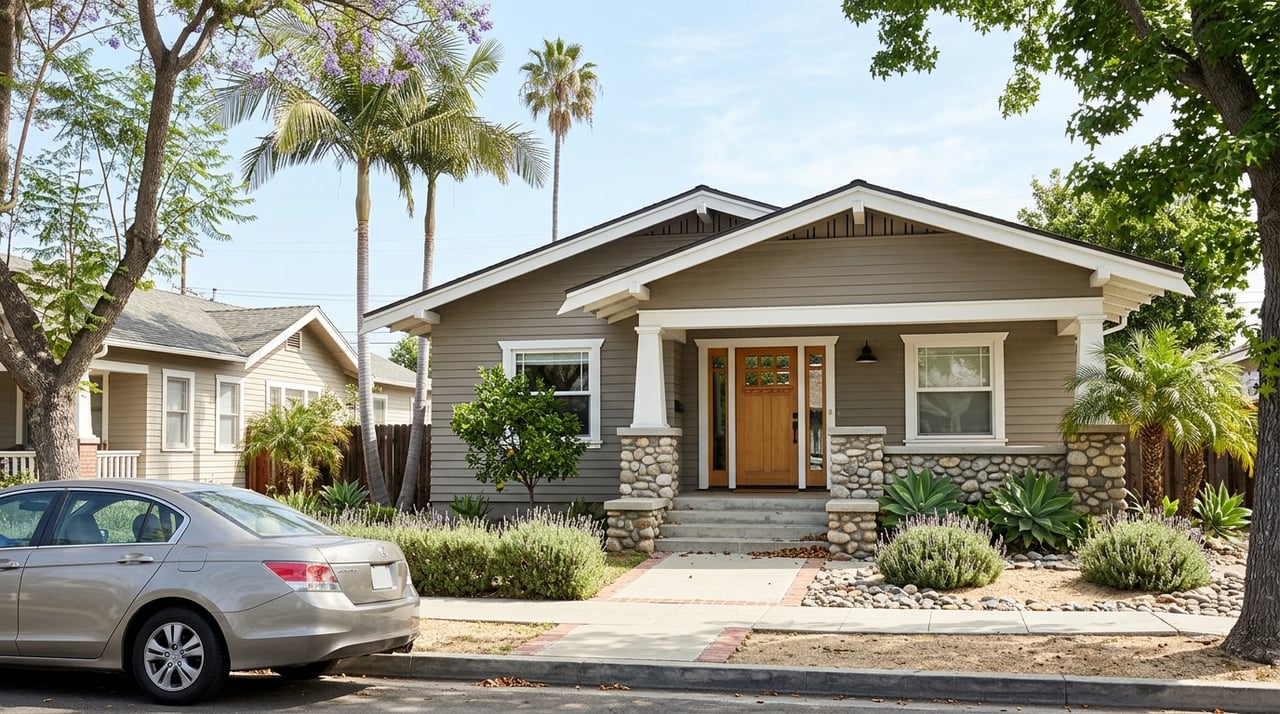
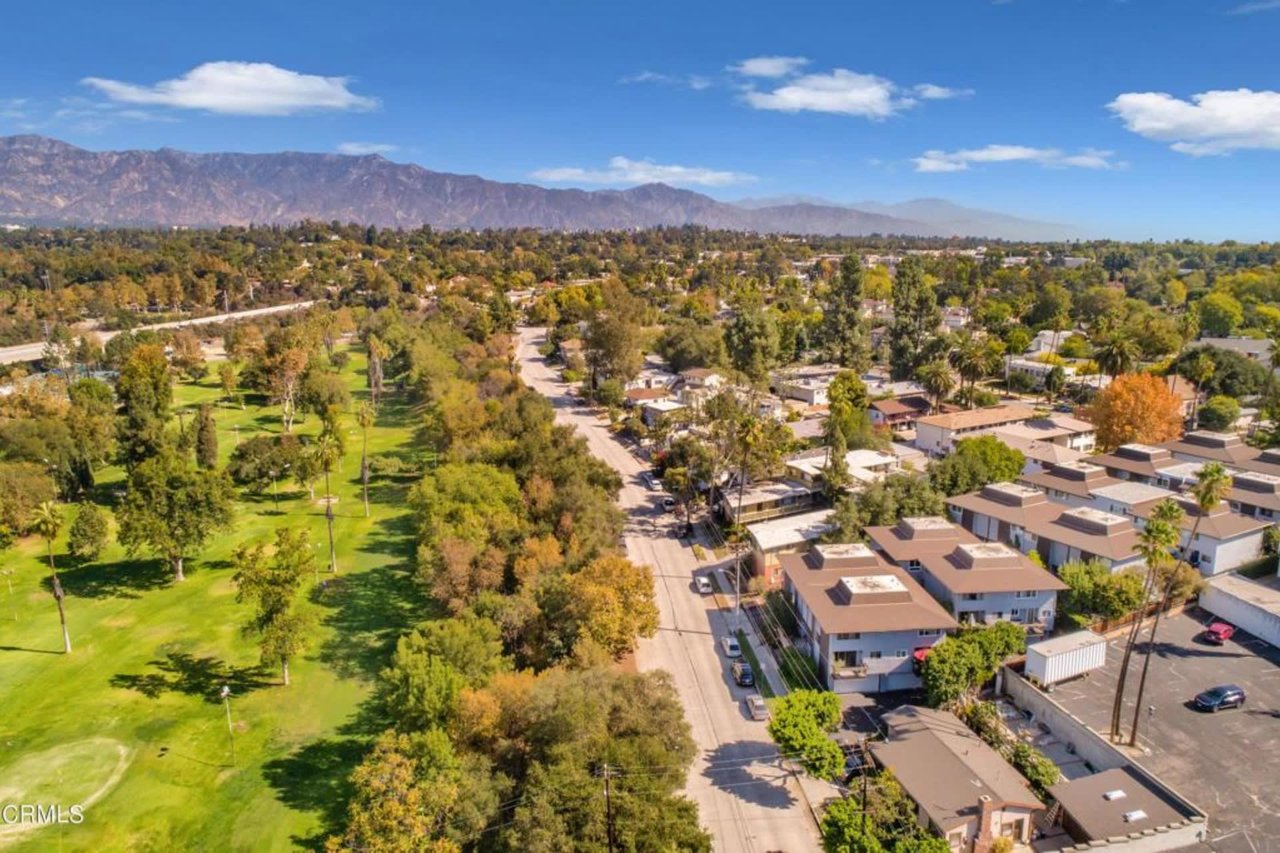
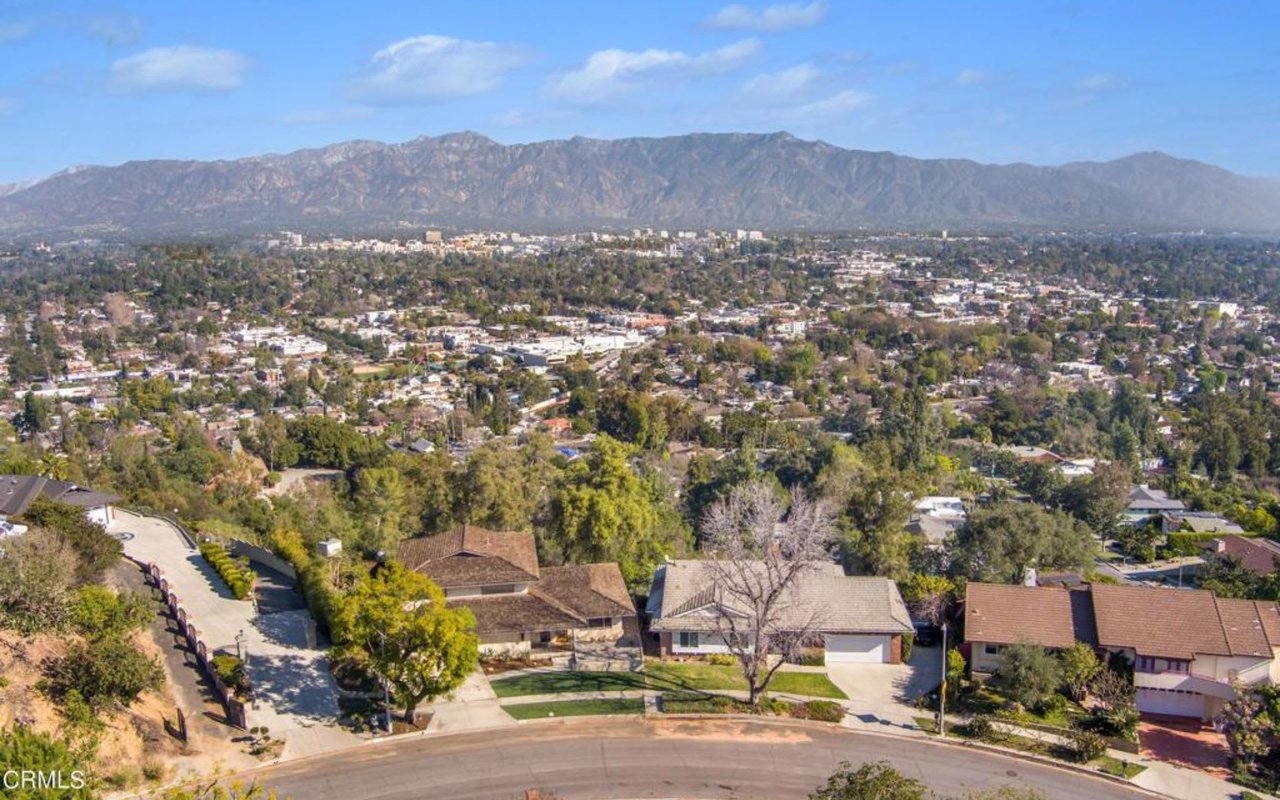
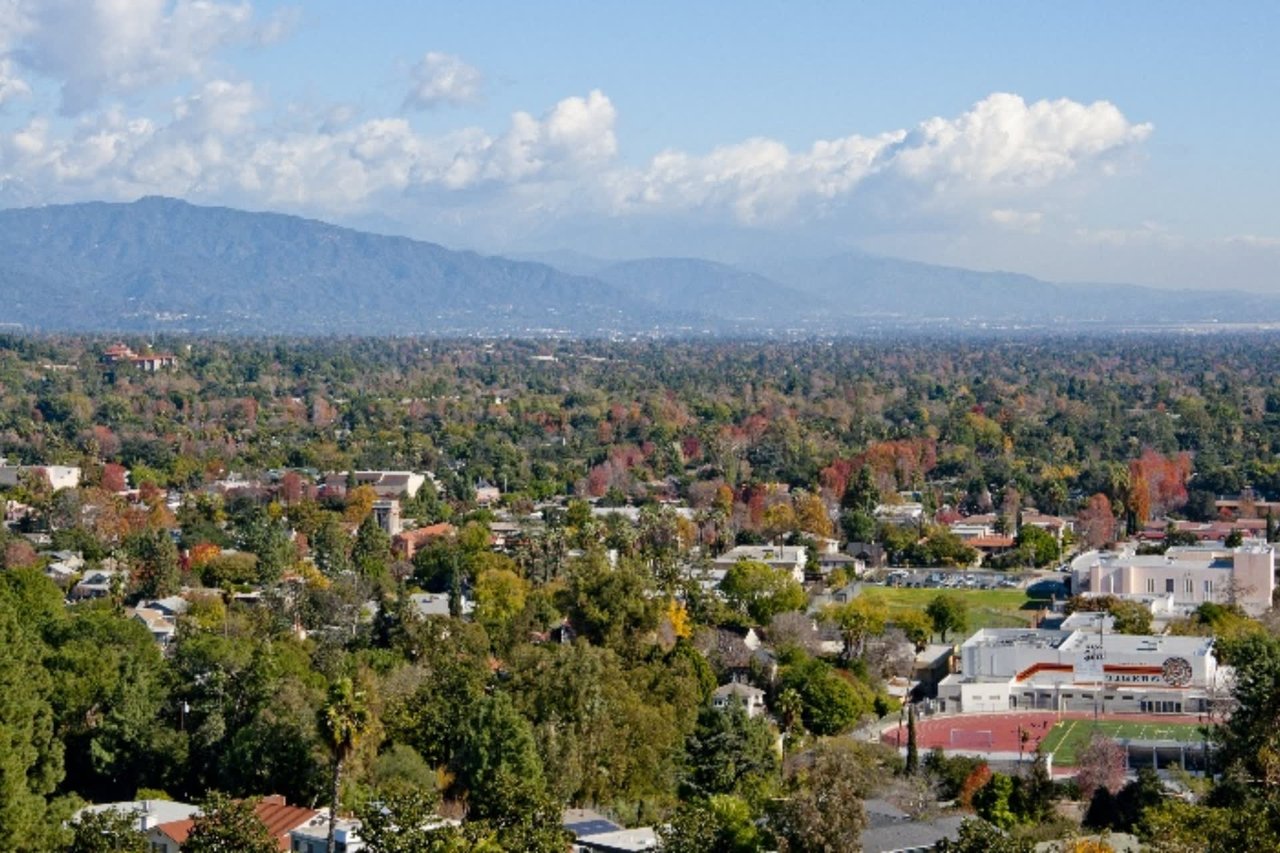
South Pasadena sits at 3.4 square miles with roughly 25,000 residents, wedged between Pasadena and Alhambra with no freeway running through it. That's not an accident of geography. It's the outcome of a fight the city won decades ago against the extension of the 710 Freeway, and it left South Pasadena with a housing stock and a street grid that never got bulldozed for a regional connector. The city's own housing element describes itself as largely built out, with little vacant land available for new construction, which is the standard explanation for why home prices here run well above the surrounding San Gabriel Valley.
The numbers back that up. As of May 2026, the median sale price for a home in South Pasadena stood at $1,918,852, up 8.1% year over year. Next door in Pasadena, the median sale price in July 2026 was $1,150,000, with 441 homes sold that month. That's a gap of roughly $770,000 between two cities that share a border, a climate, and a commute. The conventional read on that gap is simple: South Pasadena has almost no new supply coming, so existing homes carry a scarcity price that isn't going anywhere. For more on what that Pasadena-side number actually reflects, see why South Pasadena's own median is climbing and what that number is hiding.
That explanation was true right up until this summer. It's no longer the whole story.
What SB 79 Actually Changed
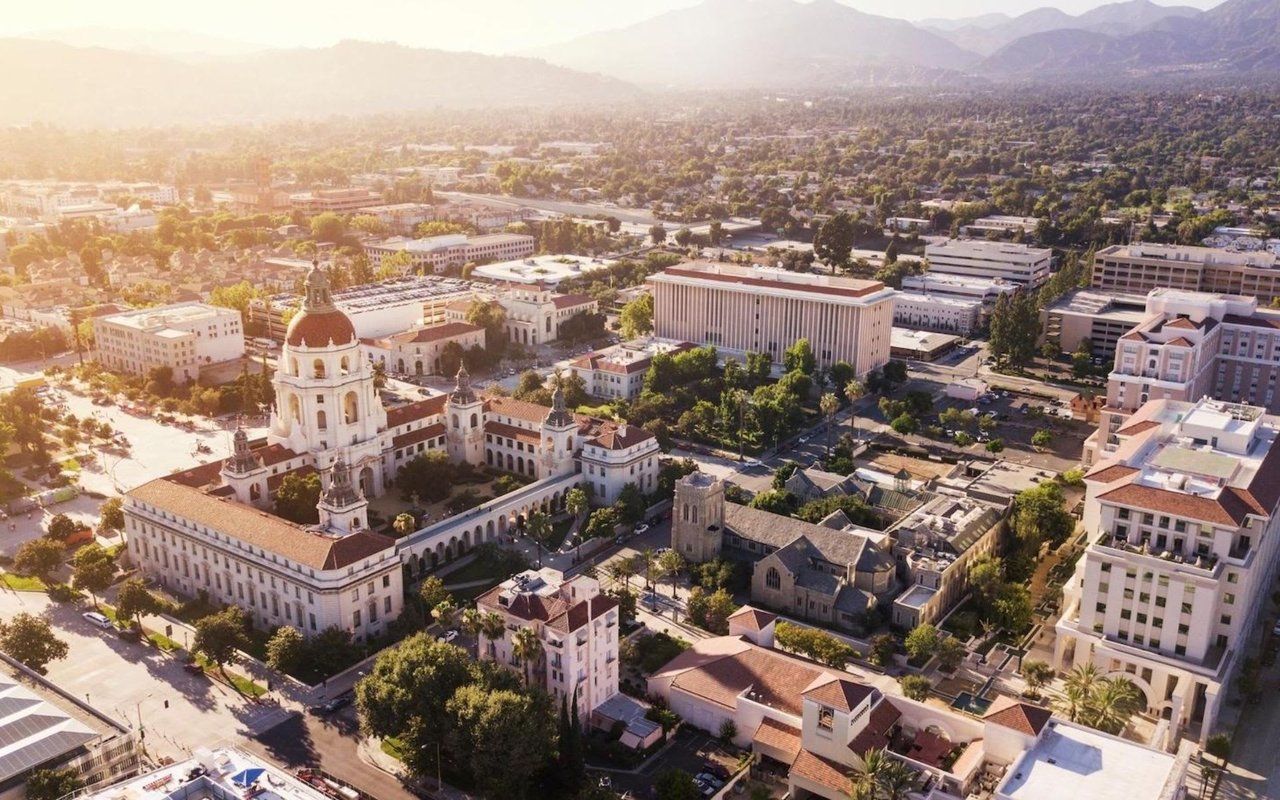
SB 79, the Abundant and Affordable Homes Near Transit Act, took effect statewide on July 1, 2026. It overrides local zoning within a defined radius of qualifying major transit stops. For South Pasadena, that radius centers on the Mission Meridian Metro station, and it applies within a quarter mile of the platform.
The law sets a default density of 100 dwelling units per acre inside that radius, with an intensifier zone within 200 feet of the station allowing up to 140 units per acre and building heights of 85 feet. According to reporting on the council's July 15 session, that state mandate alone raises the immediate station area's housing capacity from roughly 3,900 units to more than 11,000. That is not a marginal zoning tweak. It is a nearly threefold jump in what can legally be built on a small ring of land the city didn't choose and can't simply zone away.
The council's own numbers make the stakes concrete:
Parcel type | Pre-SB 79 assumption | Post-SB 79 default | Shielded by city ordinance? | Shield expires |
|---|---|---|---|---|
Land within 200 ft of Mission Meridian station | Existing local zoning | Up to 140 du/acre, 85 ft height | No | N/A |
Locally registered historic parcels (as of Jan. 1, 2025) | Existing local zoning | SB 79 default | Yes, temporary exclusion | Roughly April 2031 |
Downtown Specific Plan Mixed Use Core / Core-50 | Existing local zoning | SB 79 default | Yes, temporary exclusion | Roughly April 2031, pending the city's Alternative Plan |
State or National Register parcels not on the local register (much of the Mission Street corridor) | Existing local zoning | SB 79 default | Not automatically | Unresolved |
The City's Countermove, and Where It Runs Out
On July 30, 2026, the council held an adjourned session to pass two uncodified ordinances aimed at slowing SB 79 down. The first delays the law for parcels containing a locally designated historic resource, using the January 1, 2025 date as the cutoff. The second delays it specifically for sites zoned within the Downtown Specific Plan's Mixed Use Core and Core-50 designations, the parcels that sit squarely inside the transit-oriented development area. City staff were slated to bring a broader, locally tailored Alternative Plan back to the council on August 5, just days after the two exclusion ordinances passed.
Two details in that maneuver matter more than the headline. First, the historic exclusion only covers properties on South Pasadena's own local register. A federally designated district like the Mission Street National Register District doesn't automatically qualify, because SB 79's carve-out language is written around local registers, not state or national ones. Protecting those parcels would take a creative reading of the Alternative Plan, future cleanup legislation in Sacramento, or litigation, none of which is guaranteed. Second, even where the city can exclude sites, state law caps how much of the TOD zone can be shielded this way at 10% of the eligible area. That's a real protection for a meaningful number of properties. It is not a way to protect the district as a whole. For more on how the historic-register question is playing out street by street, see how a similar governance plan is affecting nearby home values.
The exclusions the city did manage to pass are also temporary by design. They're built to last until roughly one year after the city's seventh housing cycle is certified, which current projections put at around 2031. After that, the shield lifts unless something else replaces it.
What This Means for Someone Comparing Cities Right Now
If you're weighing South Pasadena against Pasadena on the theory that South Pasadena's small footprint guarantees its premium holds indefinitely, that theory now needs a location on the map attached to it. A single-family home several blocks from the Mission Meridian station, outside the Downtown Specific Plan boundary and not on the local historic register, is sitting on land where the legal ceiling for what can be built next door just tripled. A home inside the historic register or the Downtown Core, by contrast, is protected under the same scarcity logic buyers have relied on for years, at least through the early 2030s.
That split doesn't make South Pasadena a bad bet. It makes South Pasadena a city where the old, uniform premium has been replaced by a parcel-by-parcel one. For a buyer thinking in terms of long-term value retention, the practical question isn't "is this city scarce." It's "is this specific parcel inside a shield, and for how much longer."
Quick Answers
Does this affect my single-family home if I'm nowhere near the Metro station? SB 79's overlay is limited to a quarter mile of the Mission Meridian station. Homes outside that radius are governed by the same local zoning that applied before July 1, 2026.
If my street is inside the radius but not historic or downtown, is there any protection? Not currently. The two ordinances passed July 30, 2026 cover locally registered historic parcels and the Downtown Specific Plan Mixed Use Core and Core-50 zones specifically. Land inside the radius that falls outside both categories is subject to the state default.
What happens after 2031? The current exclusions are tied to the certification of the city's next housing cycle, expected around that year. Unless the city secures a longer-term Alternative Plan, adjusts through future legislation, or wins a legal challenge on the historic-register question, the shield is built to expire rather than renew automatically.
Related reading
- South Pasadena's Median Price Is Climbing. Here's What That Number Is Hiding
- Pasadena's 710 Stub Just Got a Governance Plan
- Meet Meg Middleman
None of this changes overnight, and it doesn't mean the market is about to flood with new construction. It does mean the story buyers have been telling each other about South Pasadena's supply is now more specific, and more time-limited, than it was a year ago. If you're trying to figure out what a particular property's location means for its long-term position, or you're on the other side of the table pricing a home for sale in this environment, that's a conversation worth having with someone who tracks these ordinances as closely as the comps.
If you want a read on where a specific South Pasadena or Pasadena property sits relative to these zones, The Middleman Team can walk through it with you. Request a Free Home Valuation and we'll factor in exactly this kind of detail.