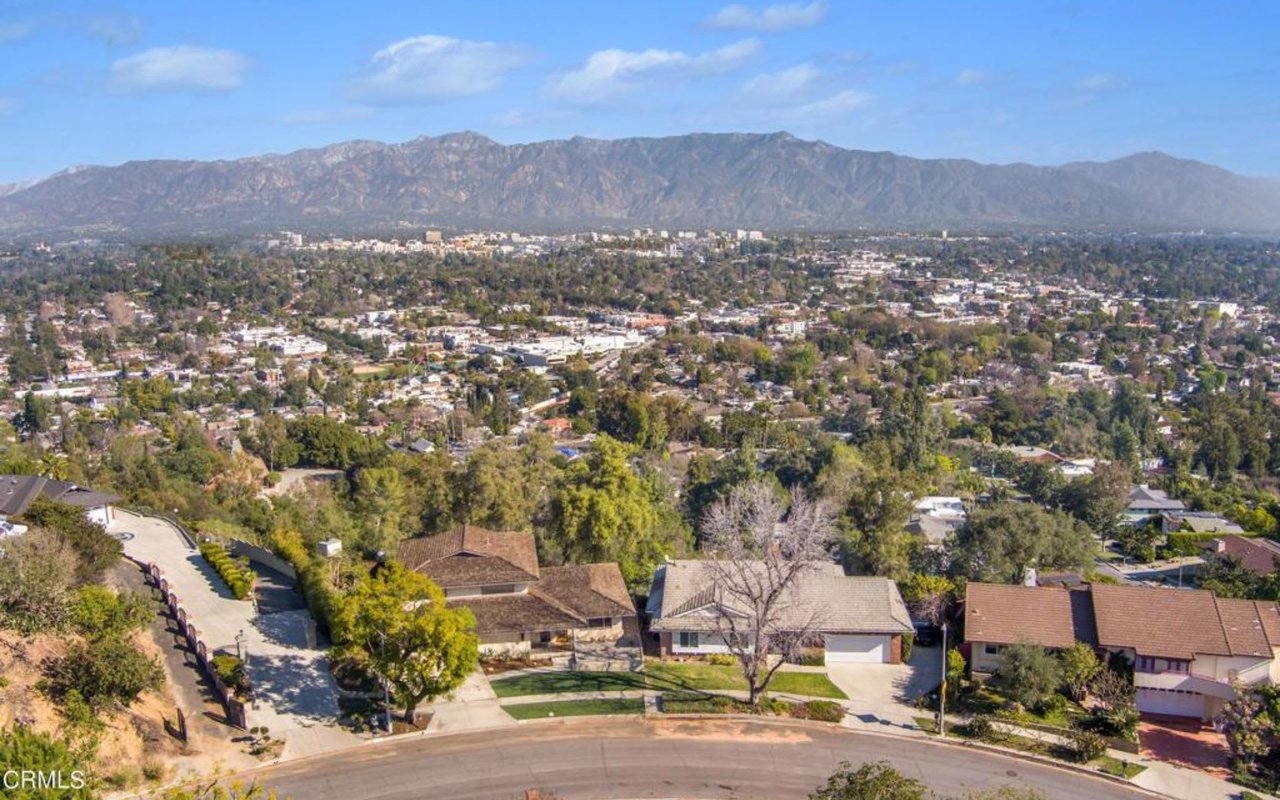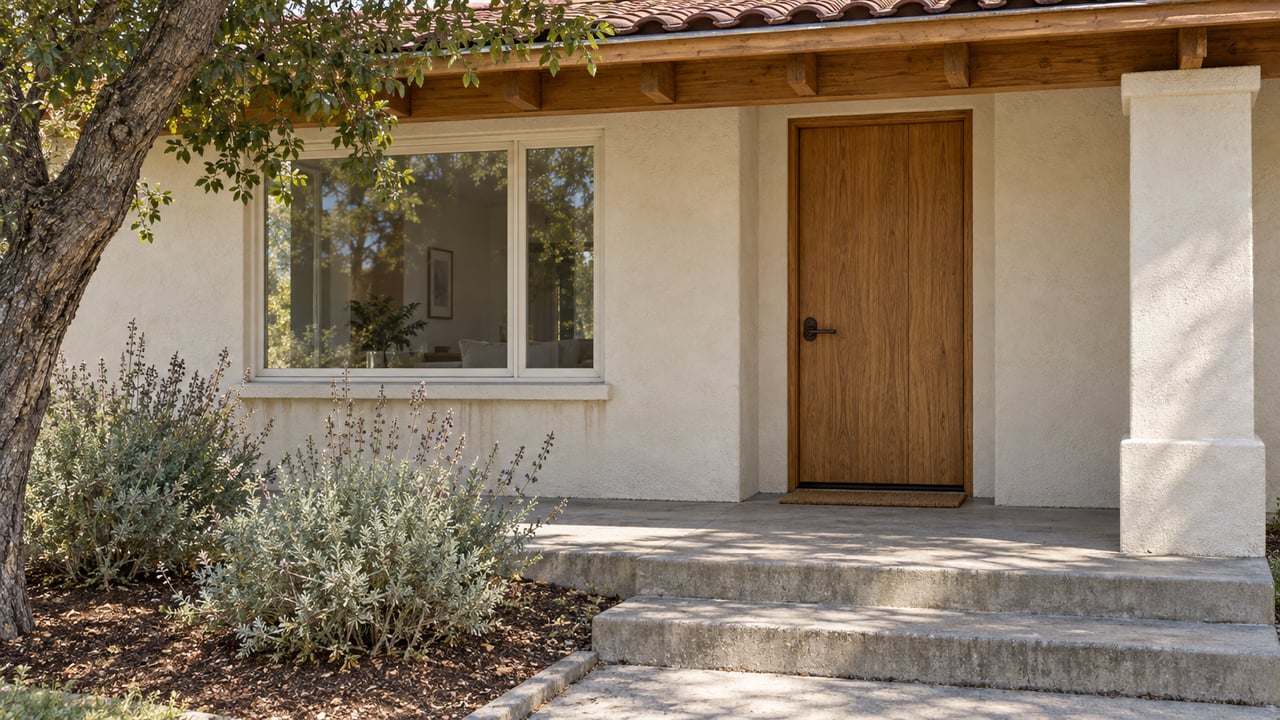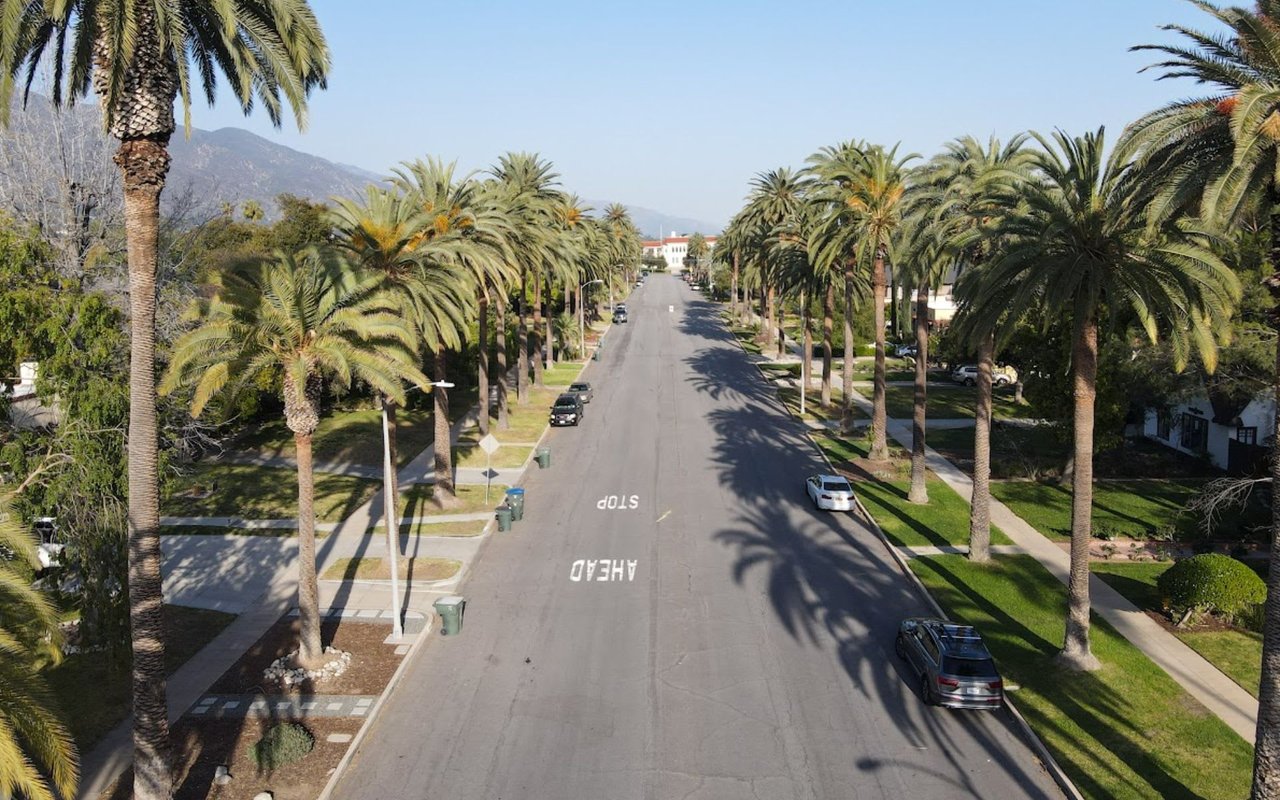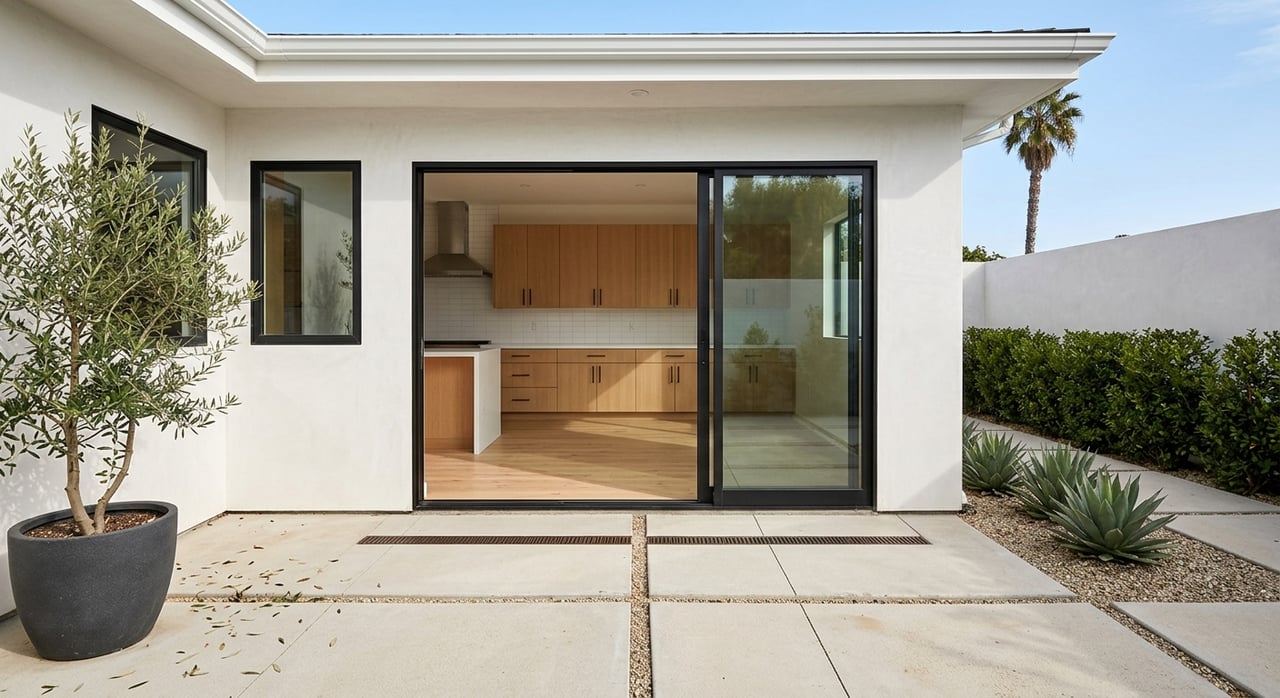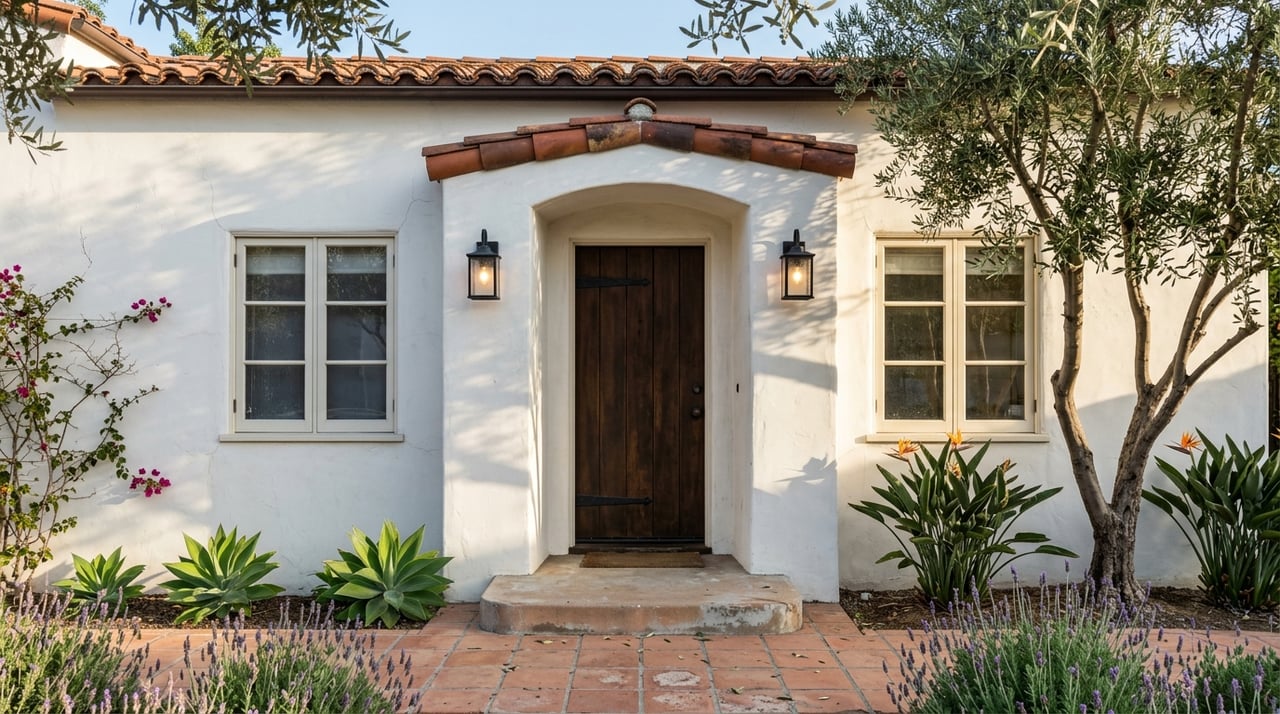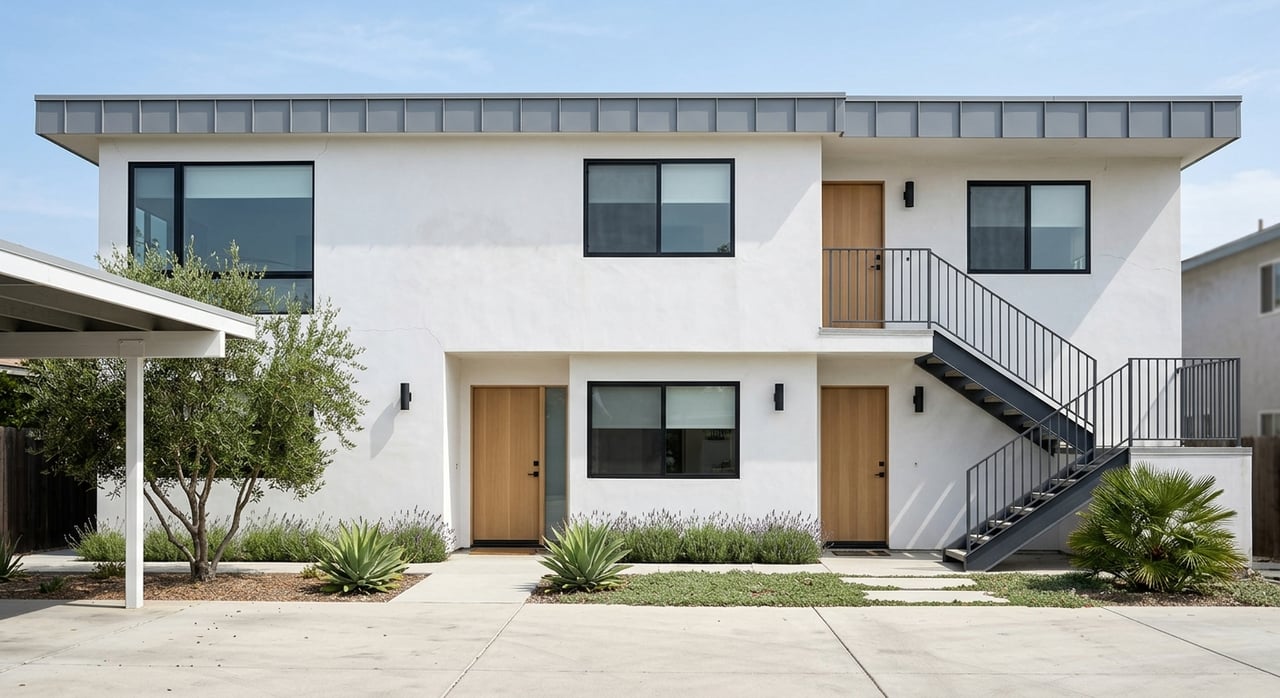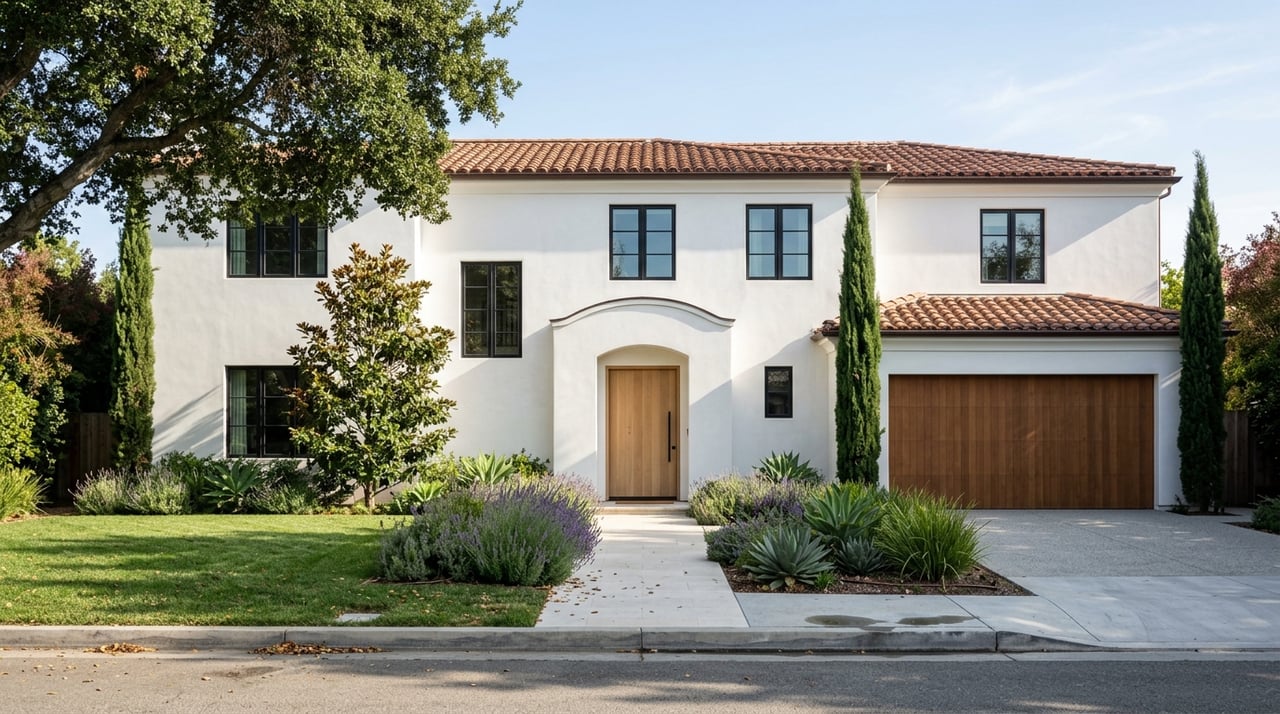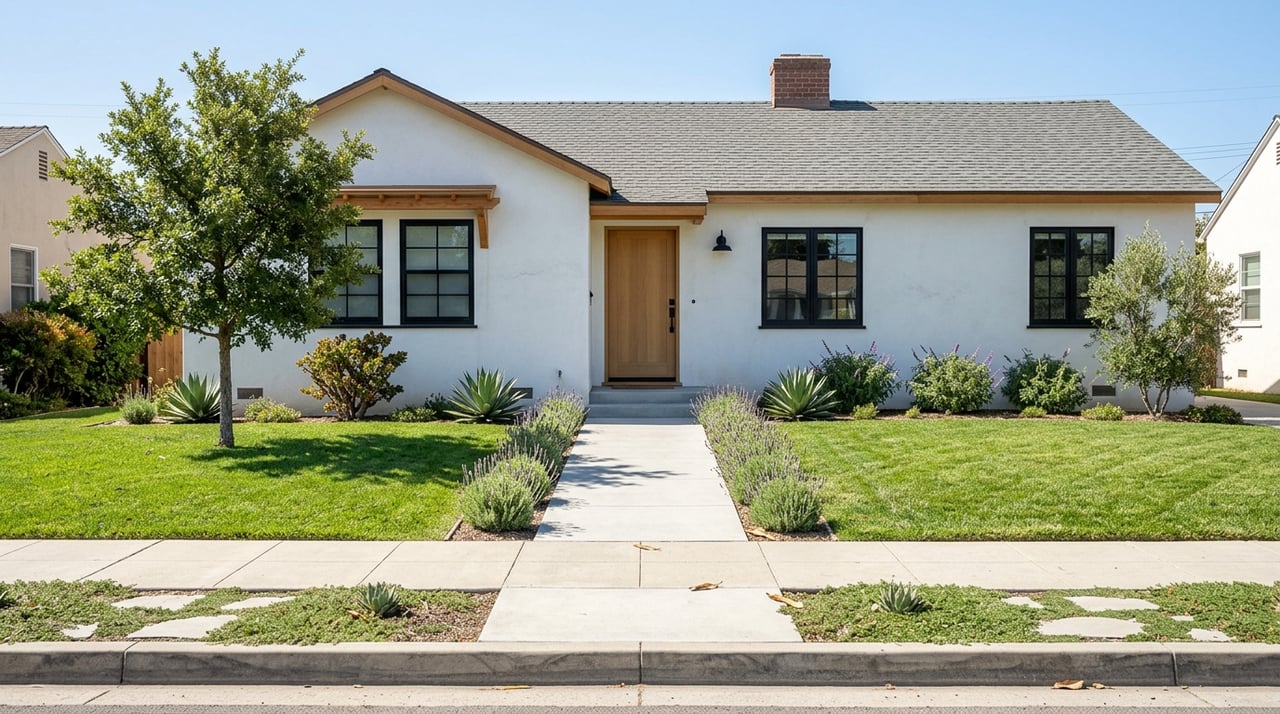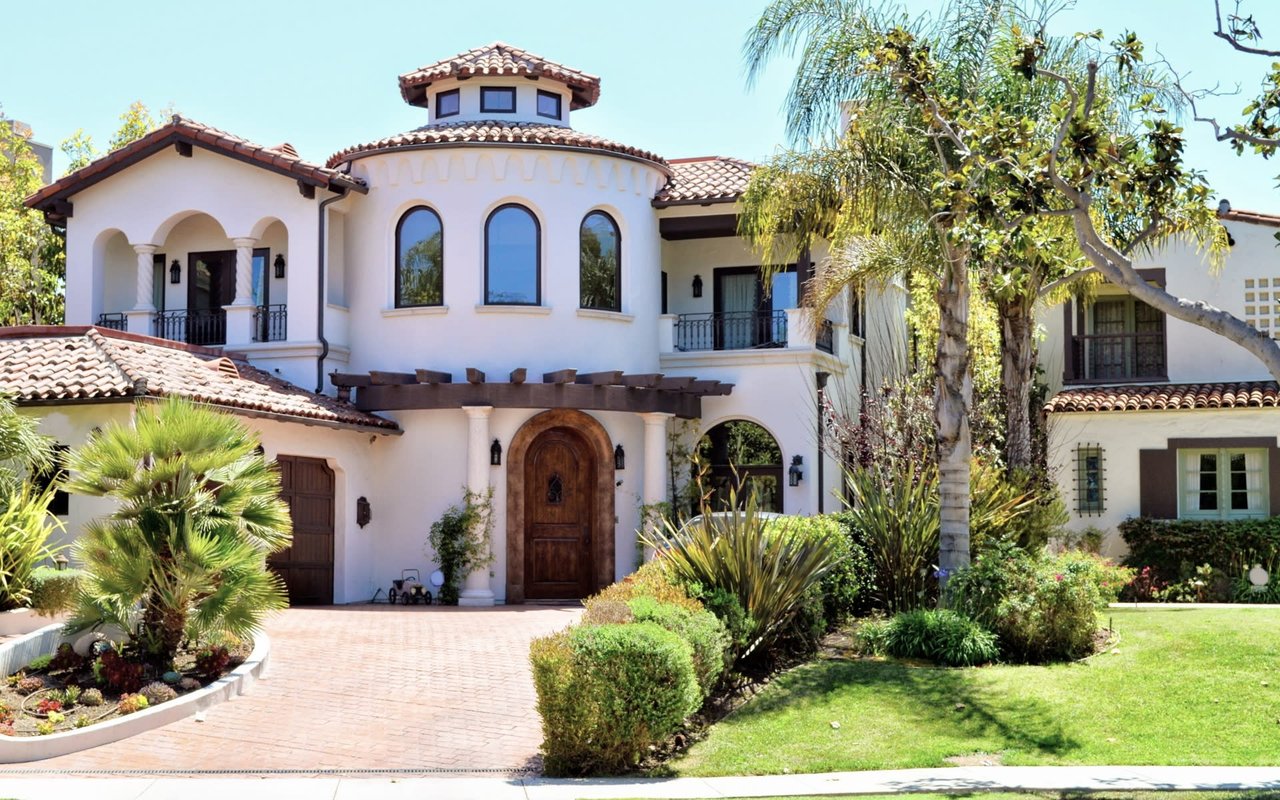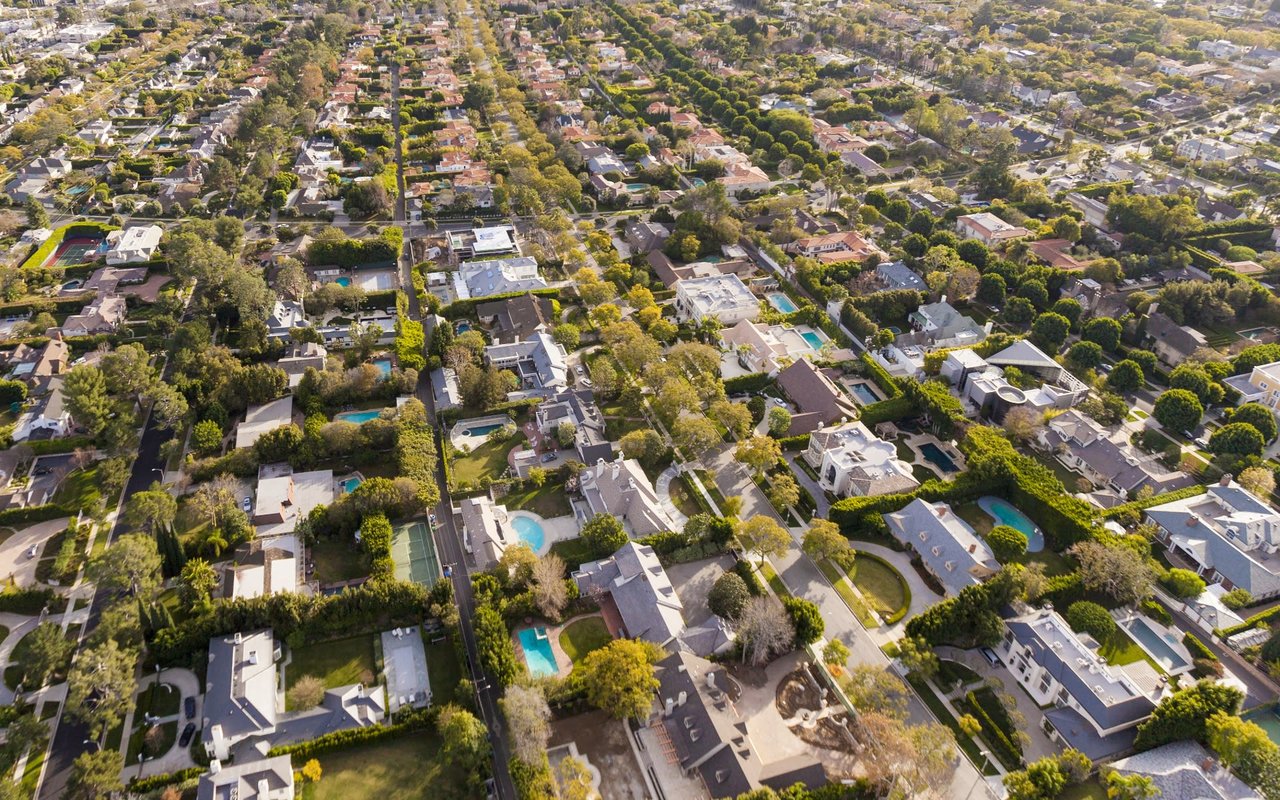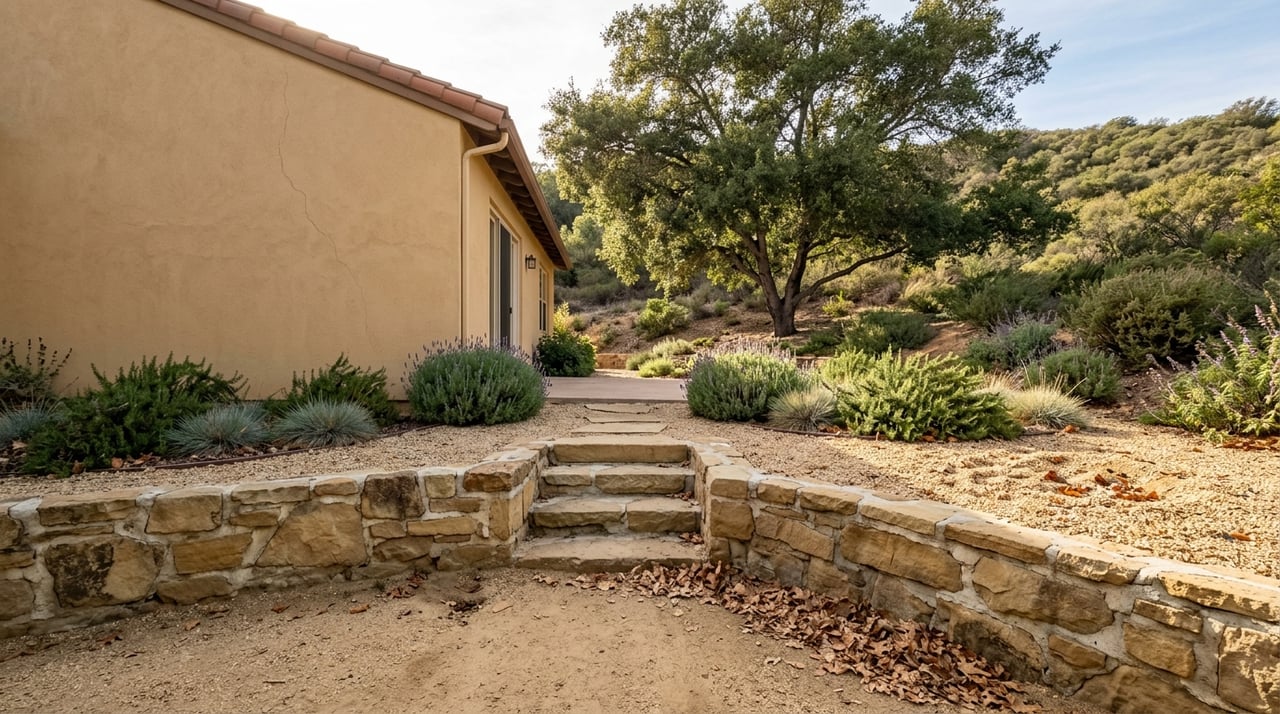
A buyer in escrow on a home near Hastings Ranch does everything right. Inspection contingency cleared, appraisal in hand, loan pre-approved. Then the lender asks for proof of insurance, and the quote that comes back is a non-renewal notice or a number that blows up the monthly payment. The house hasn't changed. The neighborhood hasn't changed. What changed is which side of an insurance line the property sits on, and that line moved without anyone touching the deed.
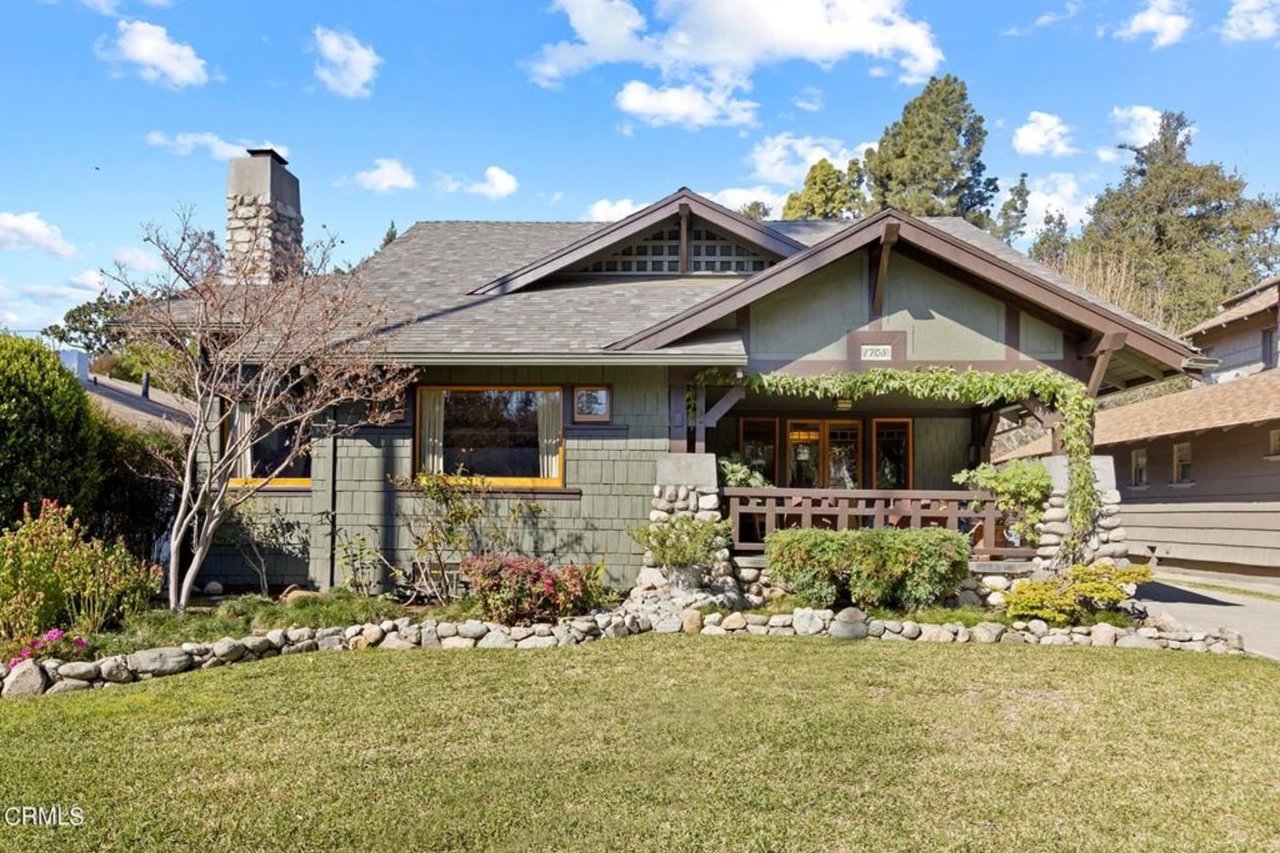
This is the part of the Pasadena market that a citywide median price can't show you. Redfin put the median sale price at $1.2 million over the three months ending June 2026, with homes selling in around 35 days. That number blends a downtown condo two blocks from Old Pasadena with a foothill bungalow near Eaton Canyon, and for financing purposes those two properties are no longer comparable. One clears underwriting in days. The other might not clear it at all.
The Deadline That Isn't in the Purchase Agreement
Every purchase contract lists contingency dates for inspection, appraisal, and loan approval. None of them list an insurance deadline, but there is one anyway, and it's unforgiving.
For a growing share of Pasadena buyers, getting that binder now means applying to the California FAIR Plan, the state's insurer of last resort, after being turned down by admitted carriers. Current FAIR Plan policy issuance in the Pasadena area is running two to three weeks. On a standard 30-day escrow, that's not a comfortable margin. It's the difference between closing on schedule and asking a seller for an extension nobody planned for.
The Line the City Drew, and the One Insurers Draw on Top of It
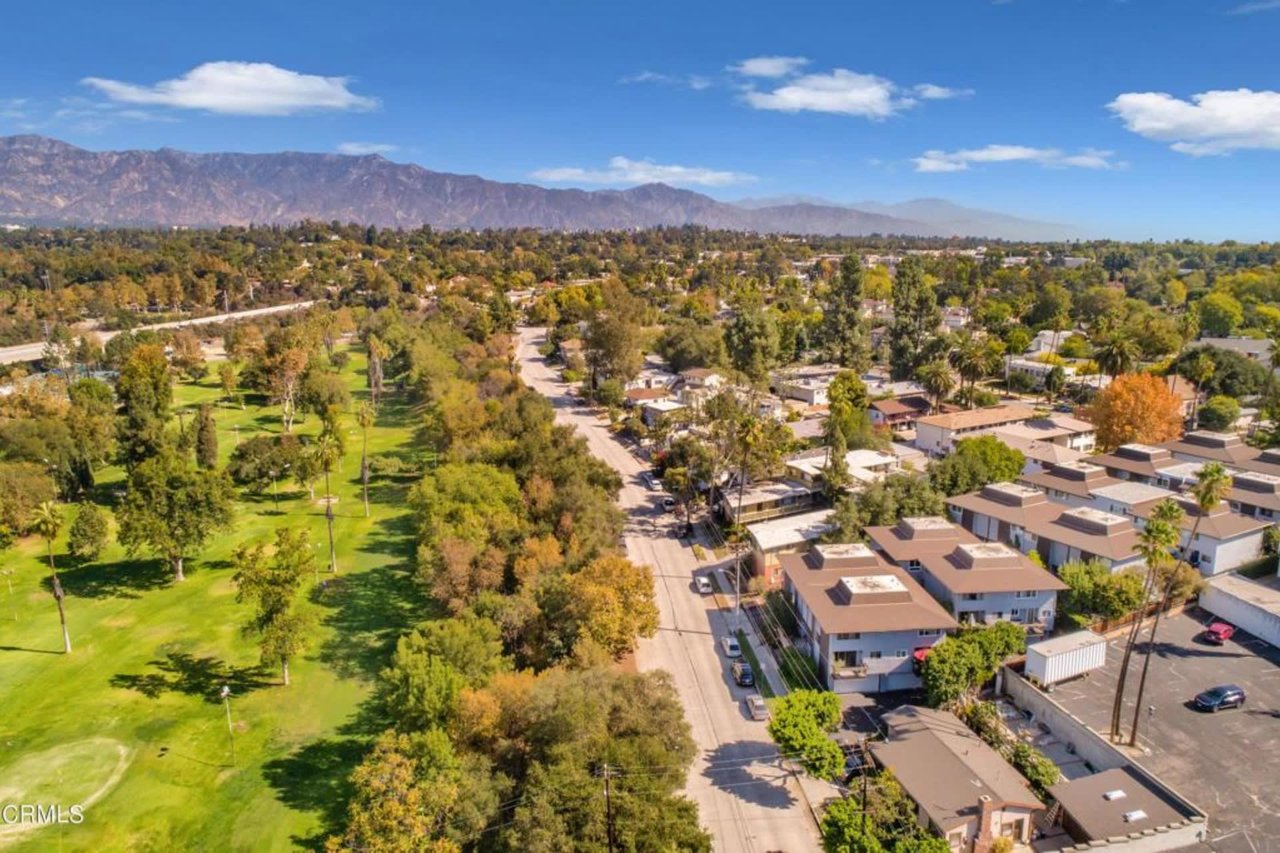
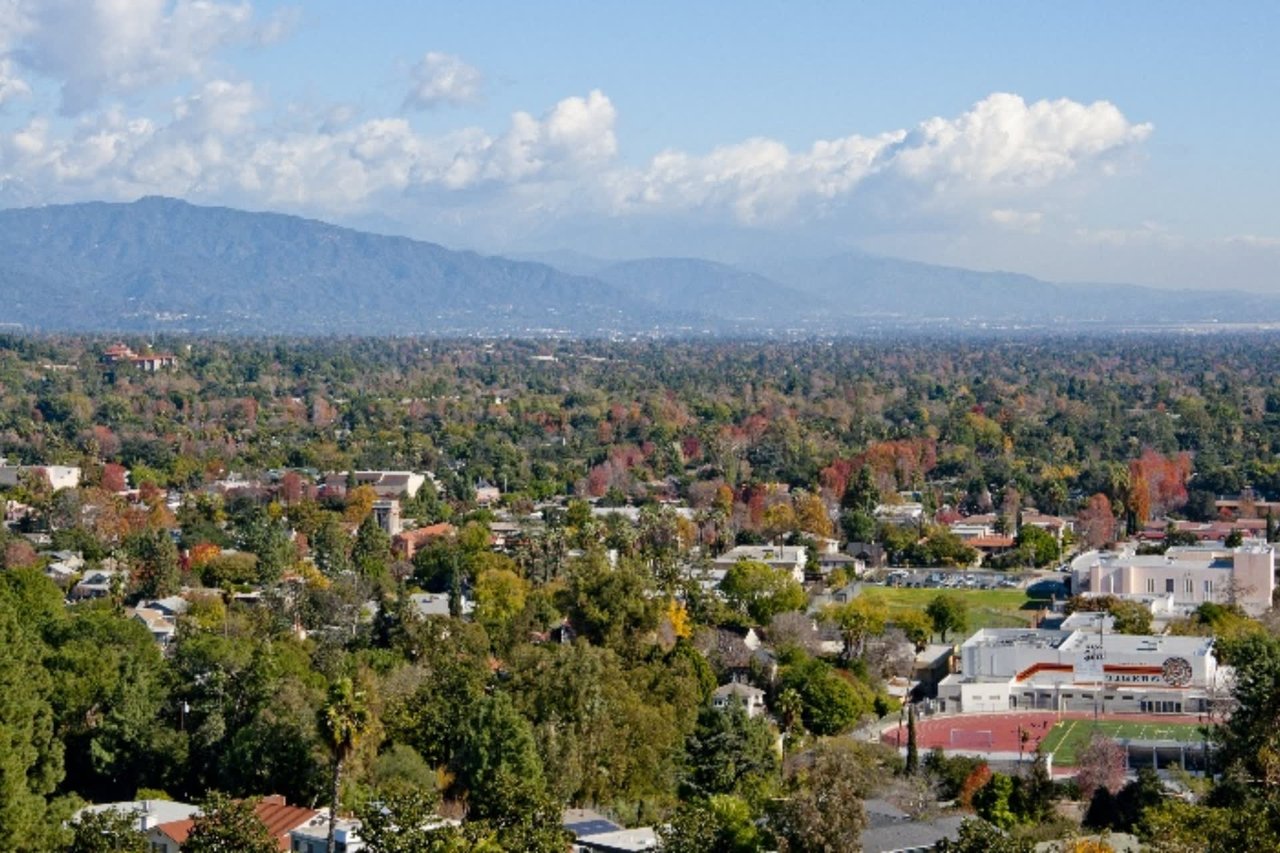
In March 2025, the City of Pasadena adopted an updated Fire Hazard Severity Zone map, following state mapping data required by law. The map splits the city into rough tiers. Northern and foothill areas near Eaton Canyon and the base of the San Gabriel Mountains, including ZIP codes 91103, 91104, 91108, and 91109, carry Very High or High designations. Downtown and southern ZIP codes, including 91101, 91102, and 91105, carry Moderate or no formal designation at all.
Here's the part that surprises most buyers: the Pasadena-Foothills Realtors association has pointed out that insurance companies largely use their own proprietary risk models rather than the state's official map to decide who gets covered and at what price. The city's map mainly triggers a disclosure requirement, telling a buyer that a property sits in a hazard zone. It doesn't set your premium. Your insurer's internal model does that, and that model can disagree with the official map entirely.
ZIP code 91107, home to Hastings Ranch and East Pasadena, is the clearest example. Insurers have pulled back sharply here even for homes with strong defensible space, because their models account for brush exposure bleeding in from adjacent higher-risk terrain, not just the parcel's own paperwork. A homeowner who spent money on an ember-resistant roof and cleared brush to code can still get non-renewed, because the actuarial model is pricing the neighborhood, not the yard.
What the Zone Actually Costs
| Zone type | Representative ZIPs | Neighborhoods | Typical FAIR Plan premium |
|---|---|---|---|
| Very High / High FHSZ | 91103, 91104, 91108, 91109 | Foothill tracts near Eaton Canyon and the Arroyo Seco | $5,000 to $12,000+ per year |
| Officially lower risk, but underwriting-pressured | 91107 | Hastings Ranch, East Pasadena | Often priced like the Very High tier despite the formal rating |
| Moderate / no formal designation | 91101, 91102, 91105 | Downtown Pasadena | $2,800 to $5,000 per year |
Add a DIC wraparound policy on top of any FAIR Plan premium, and expect another $1,800 to $3,400 per year. For a foothill property, total hazard coverage can run well past $10,000 annually before a single mortgage payment is made. That's a monthly carrying cost swing that a lender's debt-to-income calculation will absolutely notice, and it's invisible on a listing sheet until someone runs a quote.
The pressure isn't confined to the map's shaded areas either. Agents working transactions across Pasadena report that insurance now comes up as a real issue not just for foothill buyers but for buyers in downtown Pasadena and Madison Heights too, areas with no formal hazard designation at all.
Why the Whole System Is Under Strain, Not Just the Foothills
The FAIR Plan's own math explains why relief isn't coming quickly for anyone. As of June 2026, the plan carried roughly $768 billion in total exposure against cash reserves in the $200 million to $400 million range. That imbalance is why the California Department of Insurance approved an average rate increase for the FAIR Plan, even after trimming down the FAIR Plan's original request. Every FAIR Plan policyholder in Pasadena, regardless of ZIP code, is about to see that increase land on renewal.
Sacramento is trying to redraw the line, but not overnight. As Pasadena Now reported, State Senator Sasha Renée Pérez, who represents Pasadena and Altadena, introduced three insurance reform bills on the Eaton Fire's one-year anniversary. One of them, the Insurance Coverage for Fire-Safe Homes Act, would require insurers to offer and renew coverage for homeowners who meet the state's hardening and defensible space standards, or face a five-year bar from California's insurance market. The report quoted Pérez describing the current situation bluntly:
"Being denied coverage after meeting safety standards sends the wrong message and is akin to being penalized for doing the right thing."
Another of her bills, the Insurance Payment Accountability Act, would impose a 20 percent annual interest penalty on insurers that miss claims payment deadlines, but that provision only applies to claims arising after January 1, 2027. For anyone buying or selling this fall, the current rules are the only rules that matter.
What This Means If You're Comparing ZIP Codes
Right now, a Pasadena buyer or seller is working with one of three insurance paths: an admitted carrier policy for lower-risk ZIPs where a shrinking number of insurers remain active, a surplus lines policy priced outside standard rate regulation, or the FAIR Plan paired with a DIC wraparound. Which path is available to a given address depends less on the official FHSZ label than on how that address's brush exposure, roof age, and adjacent terrain score inside a specific insurer's model.
A few things follow from that:
- Get a real insurance quote for the specific address before writing an offer, not after opening escrow. A quote takes days. A denial discovered mid-escrow costs weeks you may not have.
- Treat a Moderate FHSZ rating as informative, not conclusive. The 91107 example shows a favorable map designation doesn't guarantee favorable underwriting if the surrounding terrain pulls the risk score up.
- If a FAIR Plan policy is the likely path, build the two-to-three-week issuance window into your closing timeline from day one, and confirm early whether your lender also requires the DIC wraparound.
- Compare total carrying cost, not just purchase price, when weighing a foothill property against a downtown one. The insurance gap between ZIP tiers can run several thousand dollars a year, and it belongs in the same conversation as property taxes and HOA dues.
The citywide median tells you what Pasadena homes are selling for. It doesn't tell you which of those homes closed on schedule and which ones spent an extra three weeks in escrow waiting on a binder.
Quick Answers
Does a fire-hardened home guarantee I can get insurance in Pasadena? No. Defensible space and an upgraded roof help your case, but insurers increasingly price the surrounding zone, not just the individual lot, so a well-prepared home in a high-exposure area can still be denied by an admitted carrier.
How early should I get an insurance quote when buying in Pasadena? Before you write an offer, if possible. FAIR Plan issuance is currently running two to three weeks, and discovering a coverage problem after you're already in escrow puts your closing date at risk.
Will the city's Fire Hazard Severity Zone map tell me what I'll pay for insurance? Not directly. The map mainly determines what a seller must disclose to a buyer. Insurers rely on their own risk models, which can price a property differently than its official zone designation suggests.
Insurance has quietly become one of the first questions in any Pasadena transaction, not the last. If you're weighing a purchase or a sale and want a straight read on how a specific address is likely to underwrite, The Middleman Team can walk you through it before you're locked into a timeline. Request a Free Home Valuation and let's look at the whole picture, not just the sale price.
This article is general information, not legal, tax or financial advice. Consult a qualified professional about your situation.