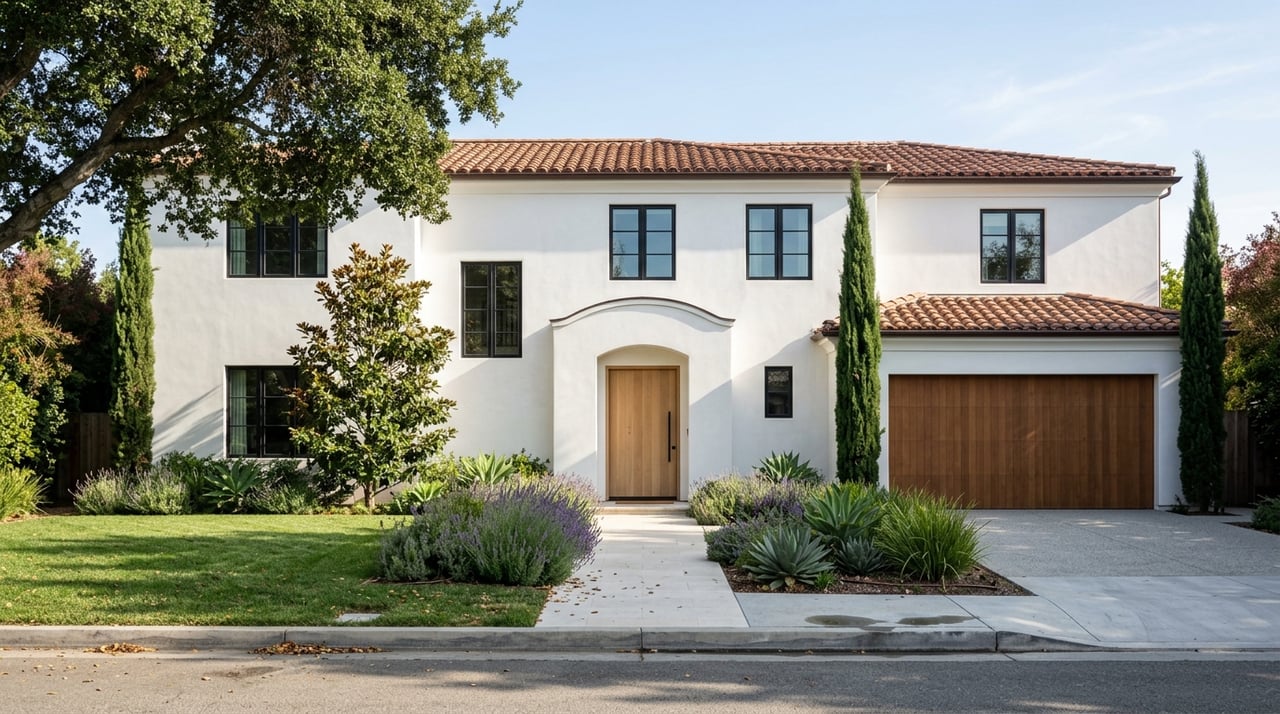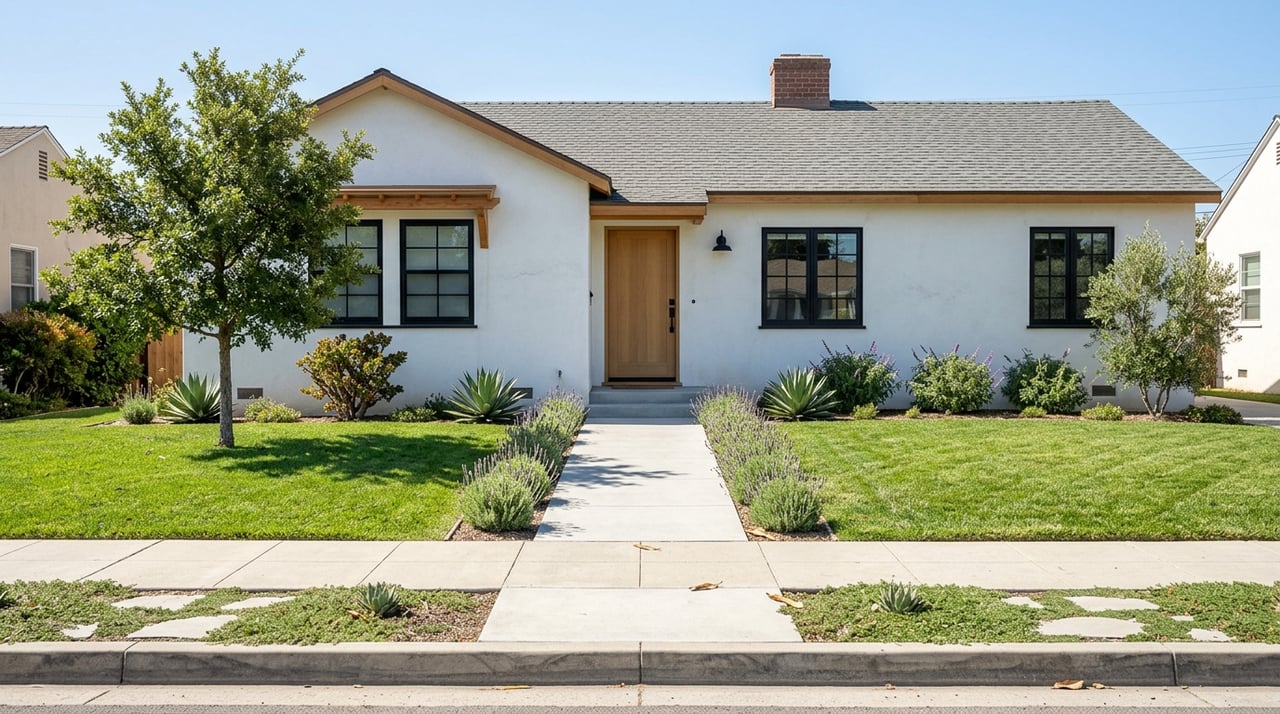
If you are drawn to homes with deep front porches, original wood details, and a sense of history, South Pasadena bungalow living can feel like a natural fit. This is the kind of city where older homes still shape the streetscape, and where buyers often look beyond square footage to find character, setting, and long-term appeal. If you are considering a bungalow here, it helps to understand both the lifestyle and the practical realities that come with it. Let’s dive in.
Why South Pasadena Fits Bungalow Living
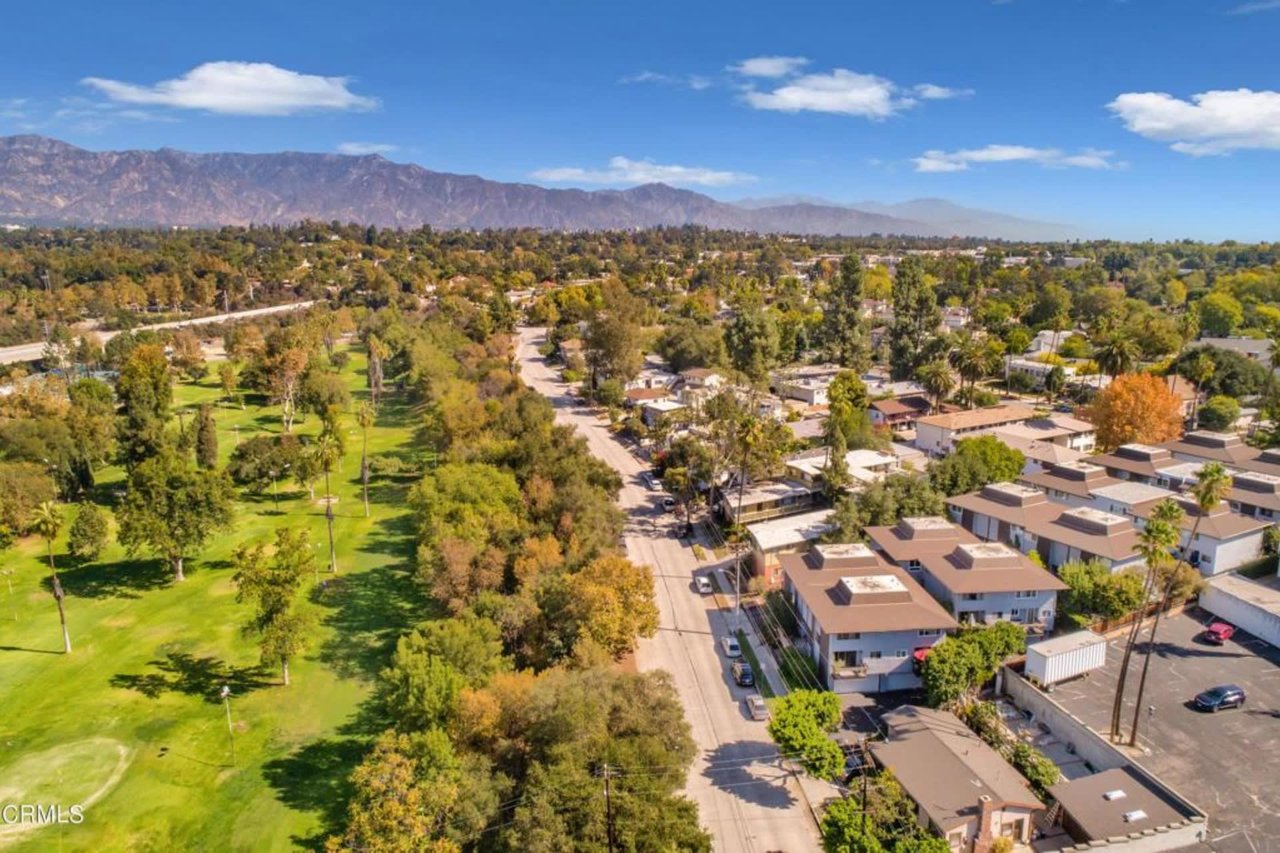
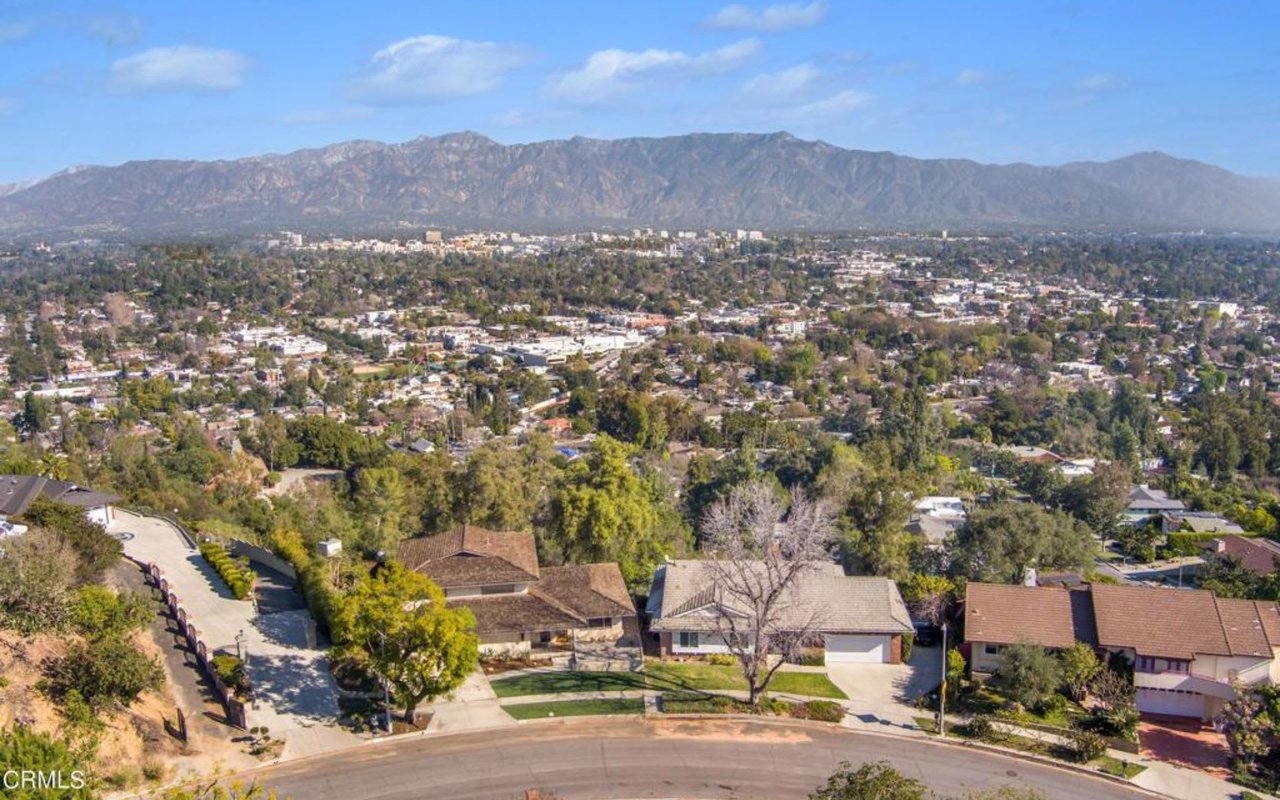
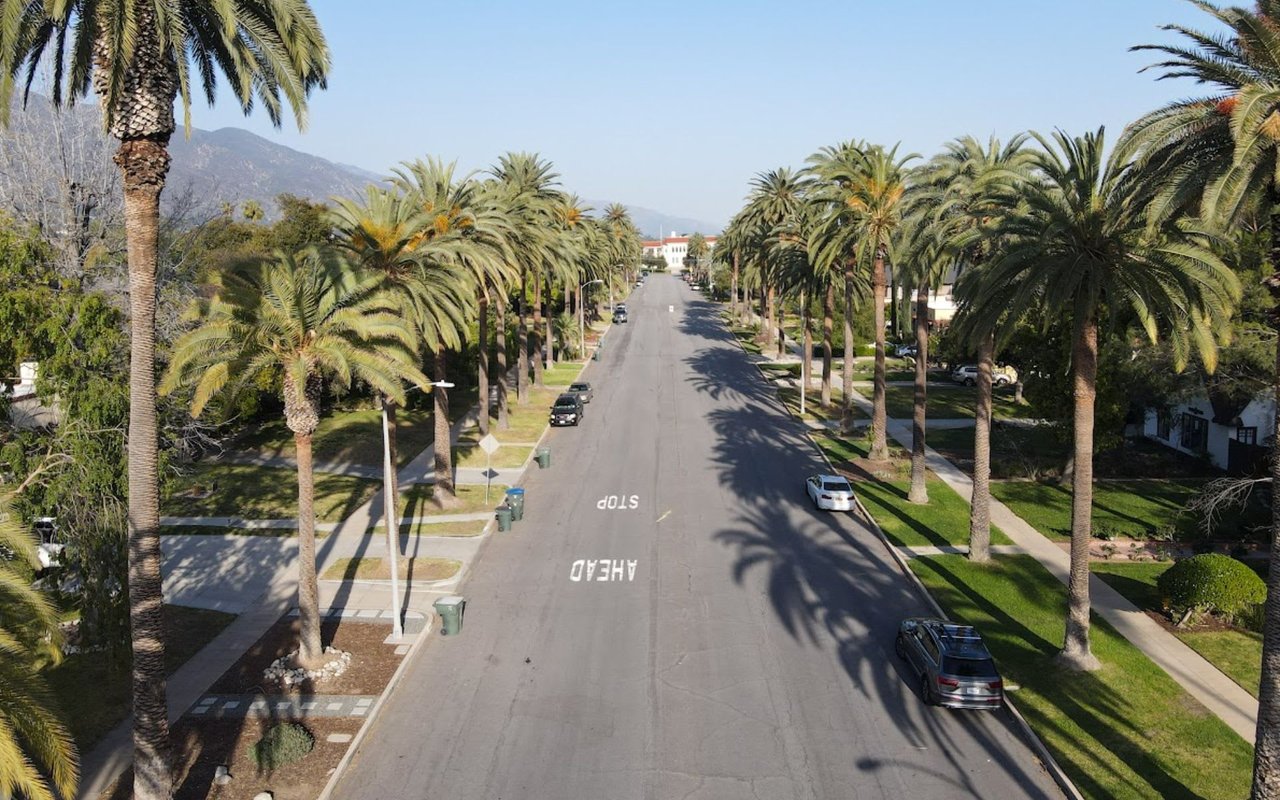
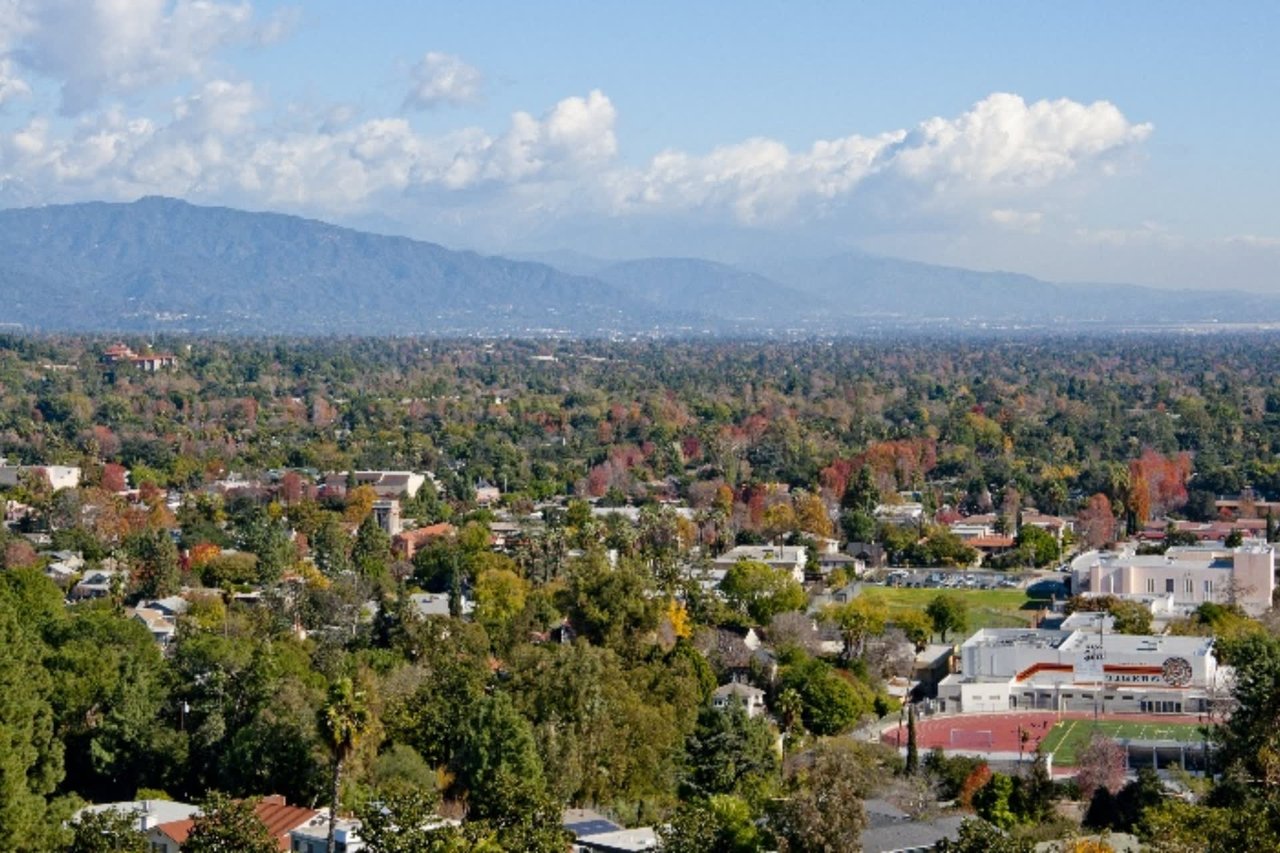
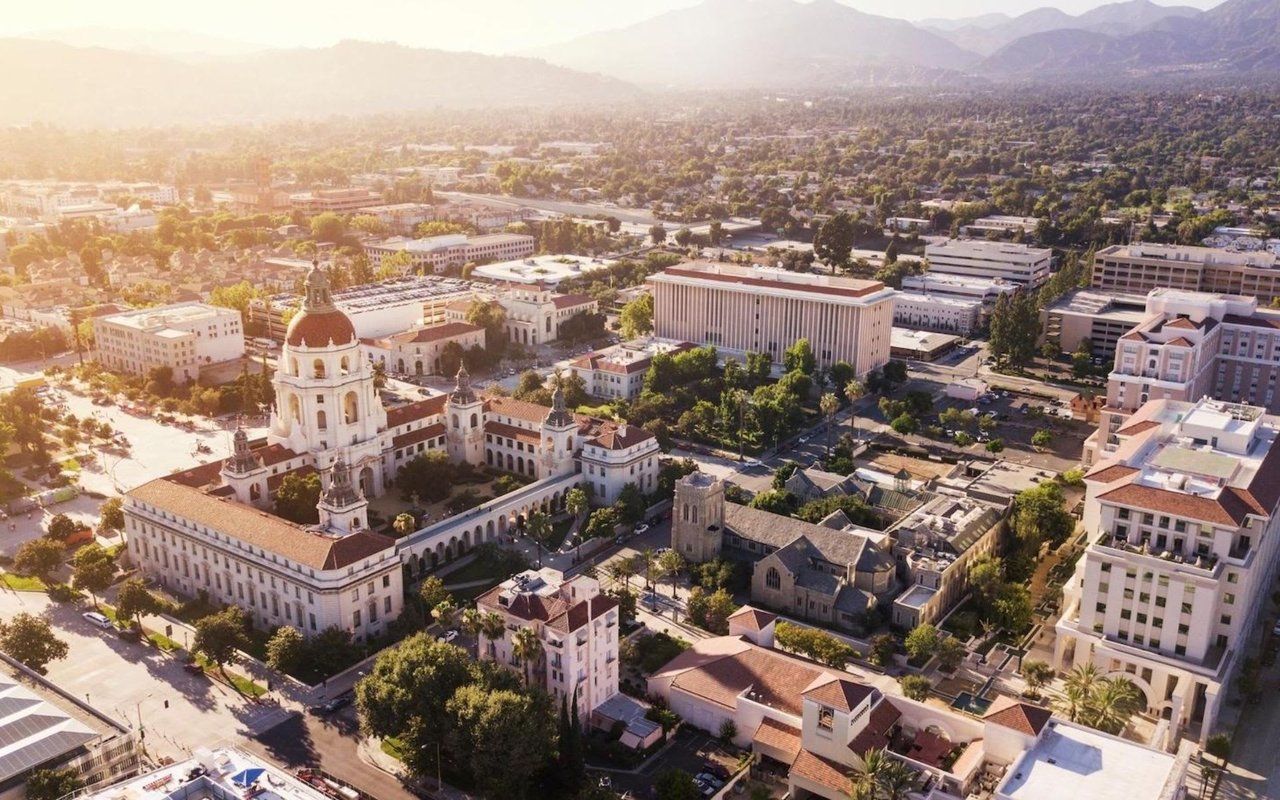
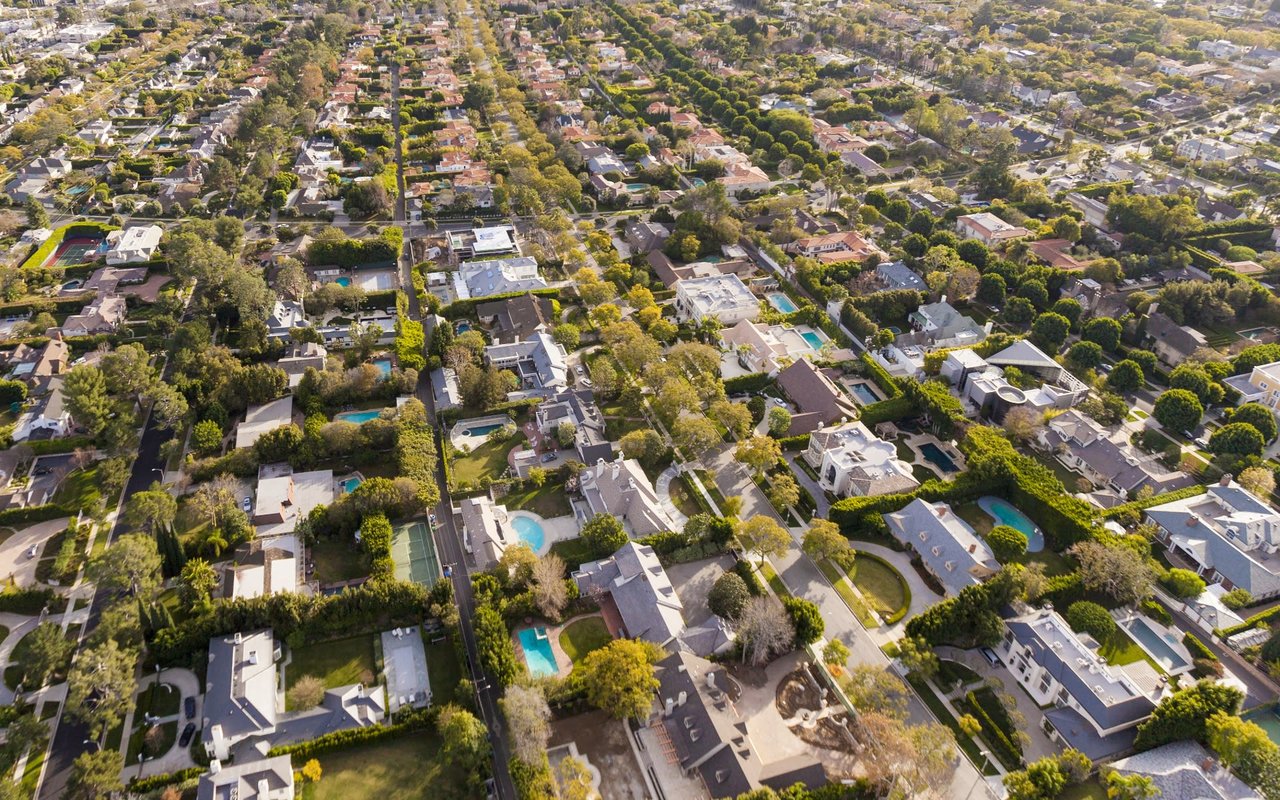
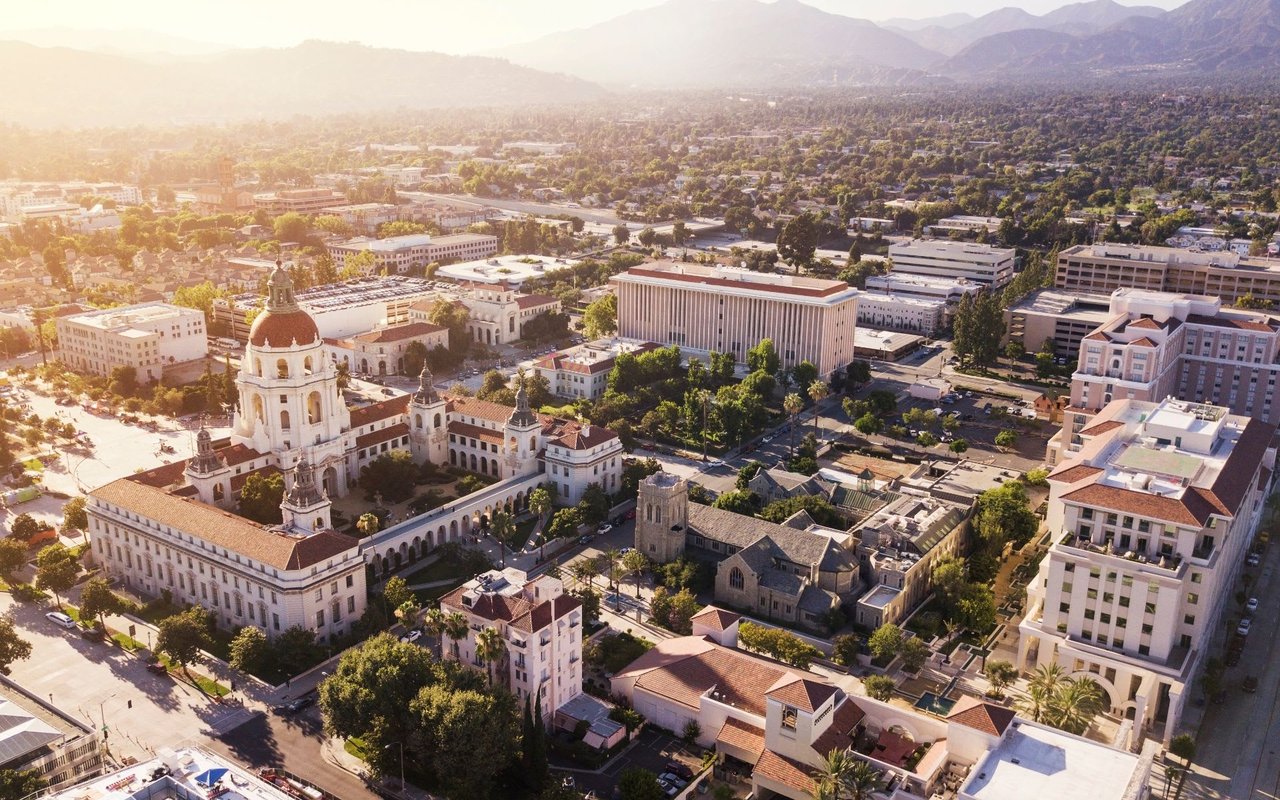
South Pasadena has a physical scale and history that support the appeal of bungalow homes. According to the City of South Pasadena, the city covers just 3.44 square miles, has about 25,000 residents, includes more than 100 acres of parks and playgrounds, and maintains more than 21,000 street trees.
That setting matters because bungalow living is often tied to a more human-scale environment. South Pasadena also highlights its historic identity and preservation culture, and its history as an early walking suburb was shaped by the Pacific Electric Short Line and today’s Metro A Line service. Together, those factors help explain why early-20th-century homes still feel especially at home here.
What Defines a South Pasadena Bungalow
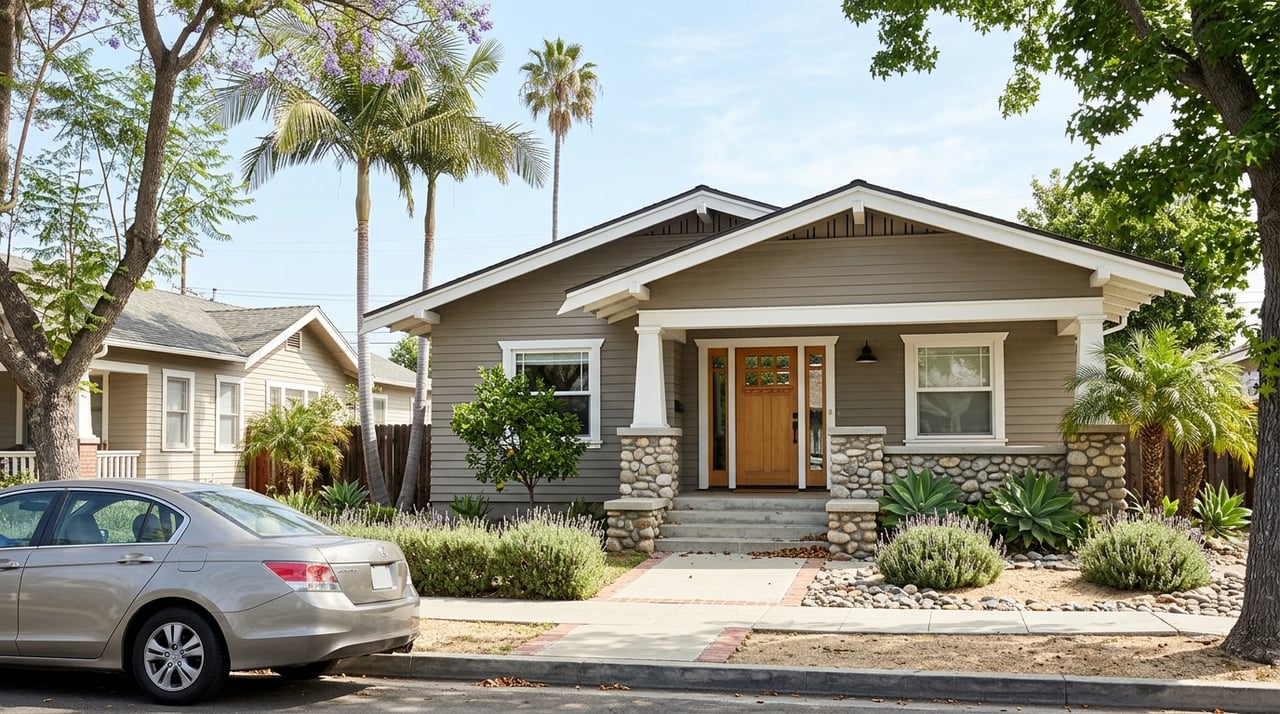
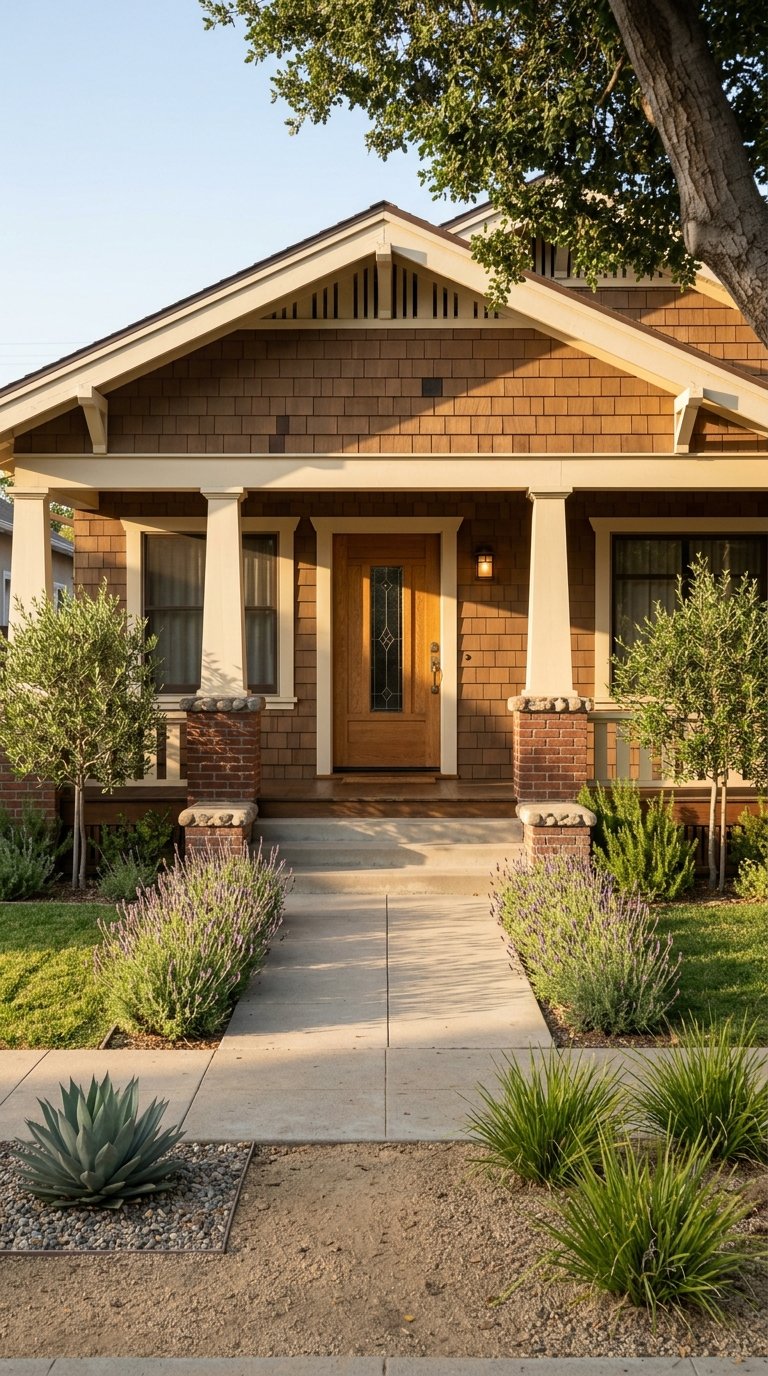
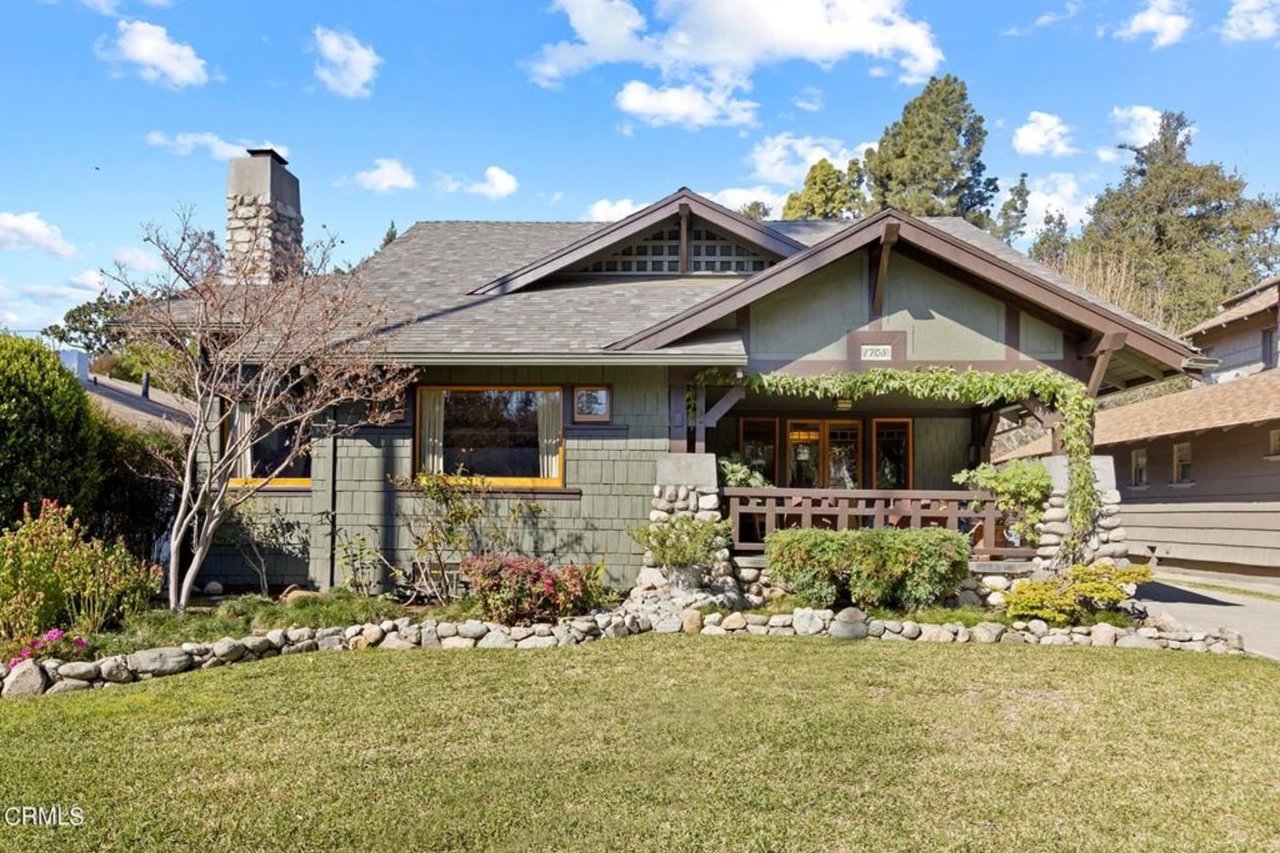
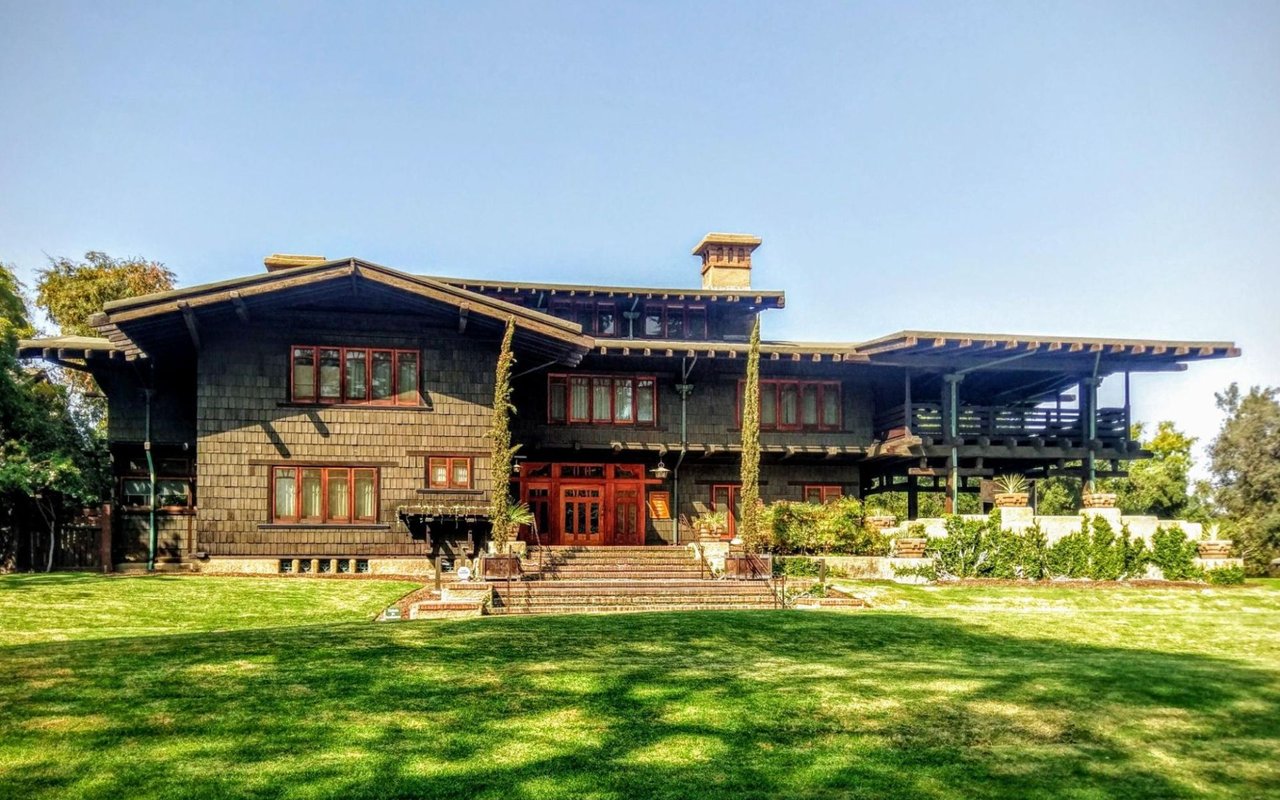
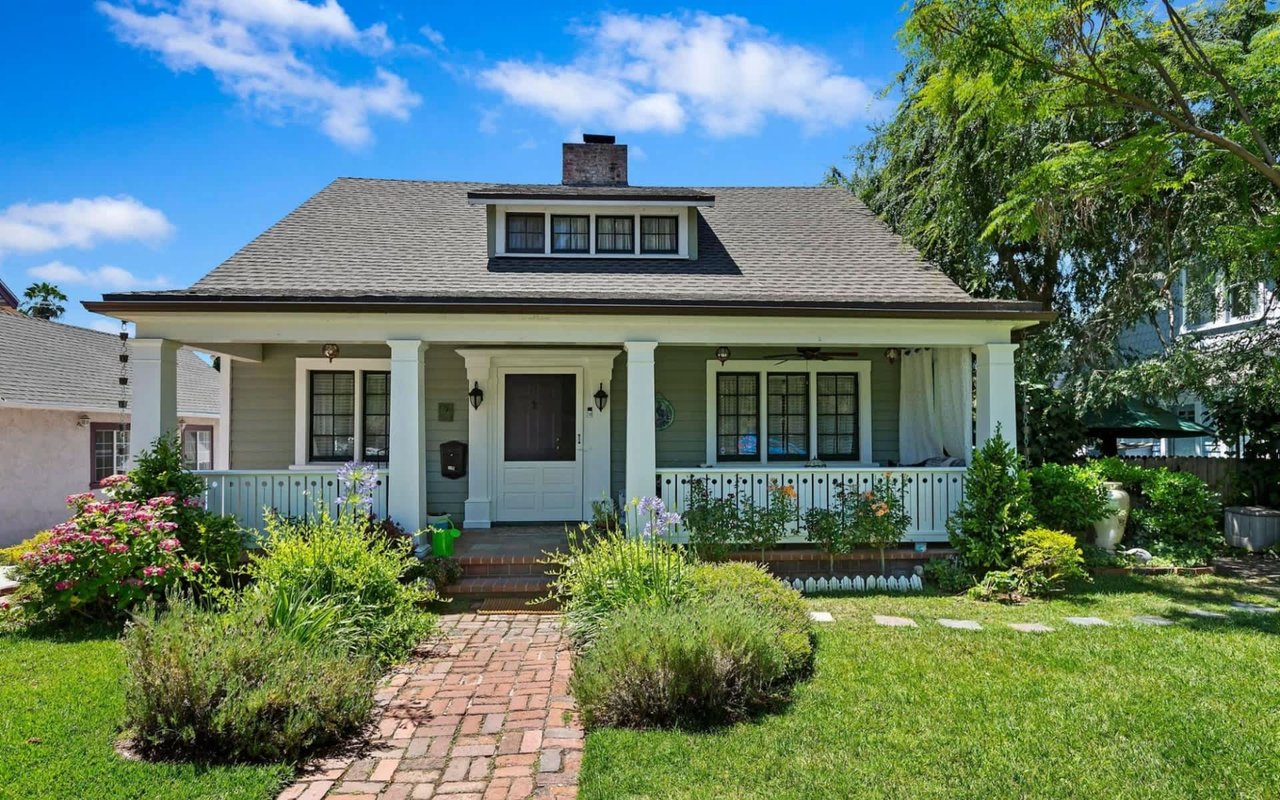
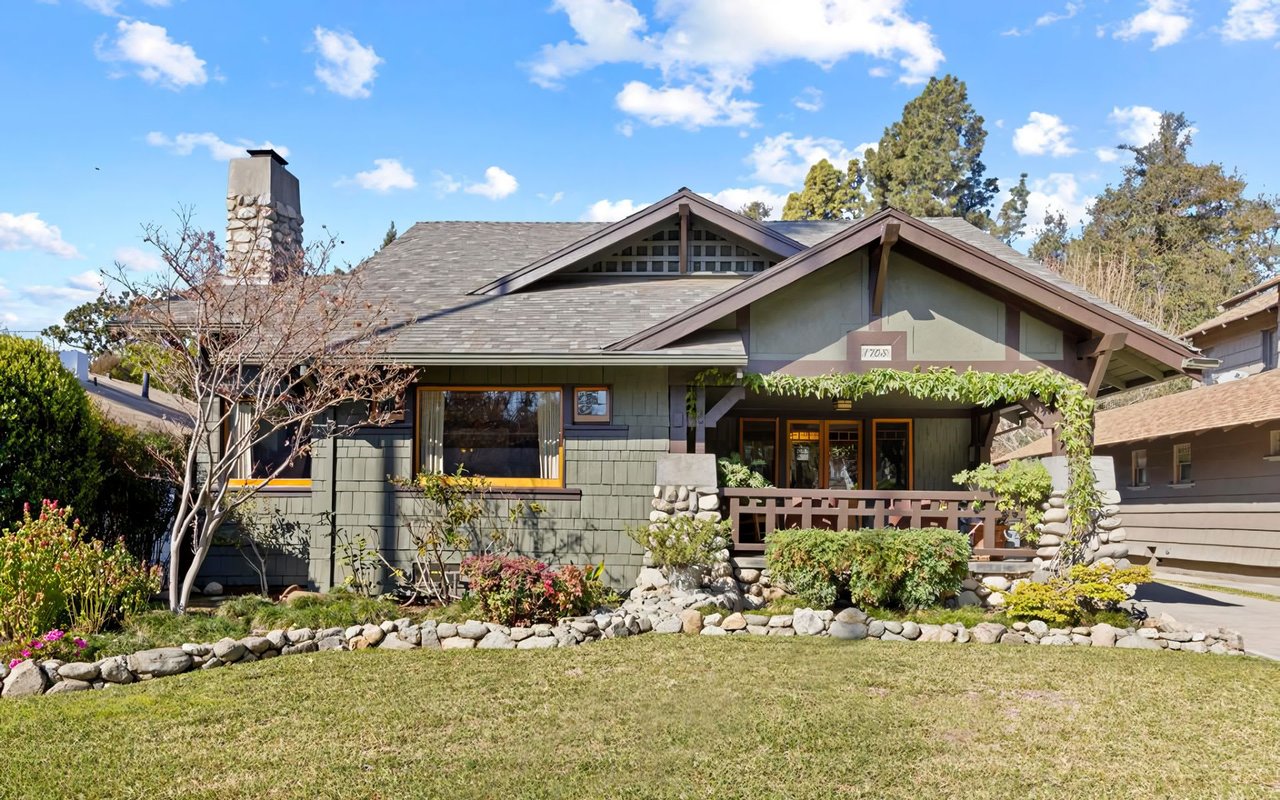
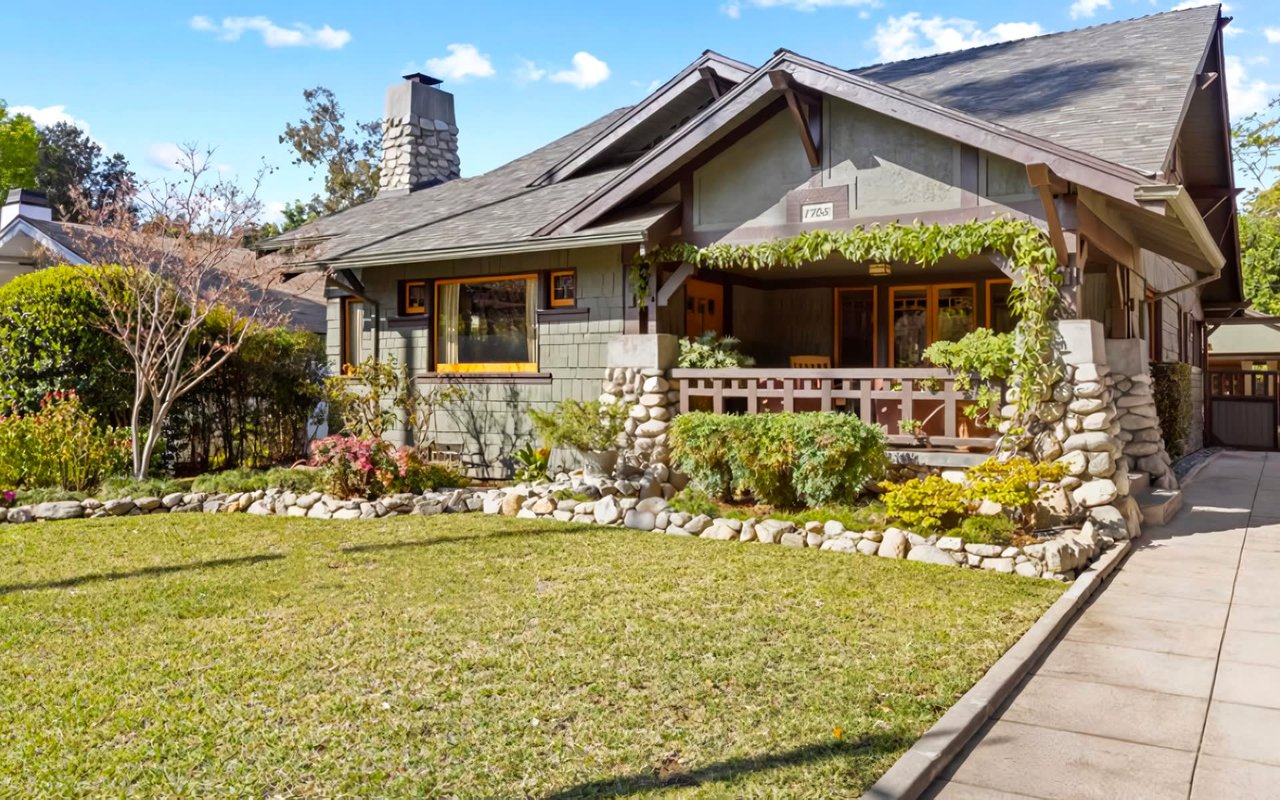
In South Pasadena, Craftsman and bungalow architecture is not a rare niche. The city’s historic design guidelines describe Craftsman/Bungalow as the most common architectural style in the city’s historic neighborhoods, with peak popularity from about 1900 to 1925.
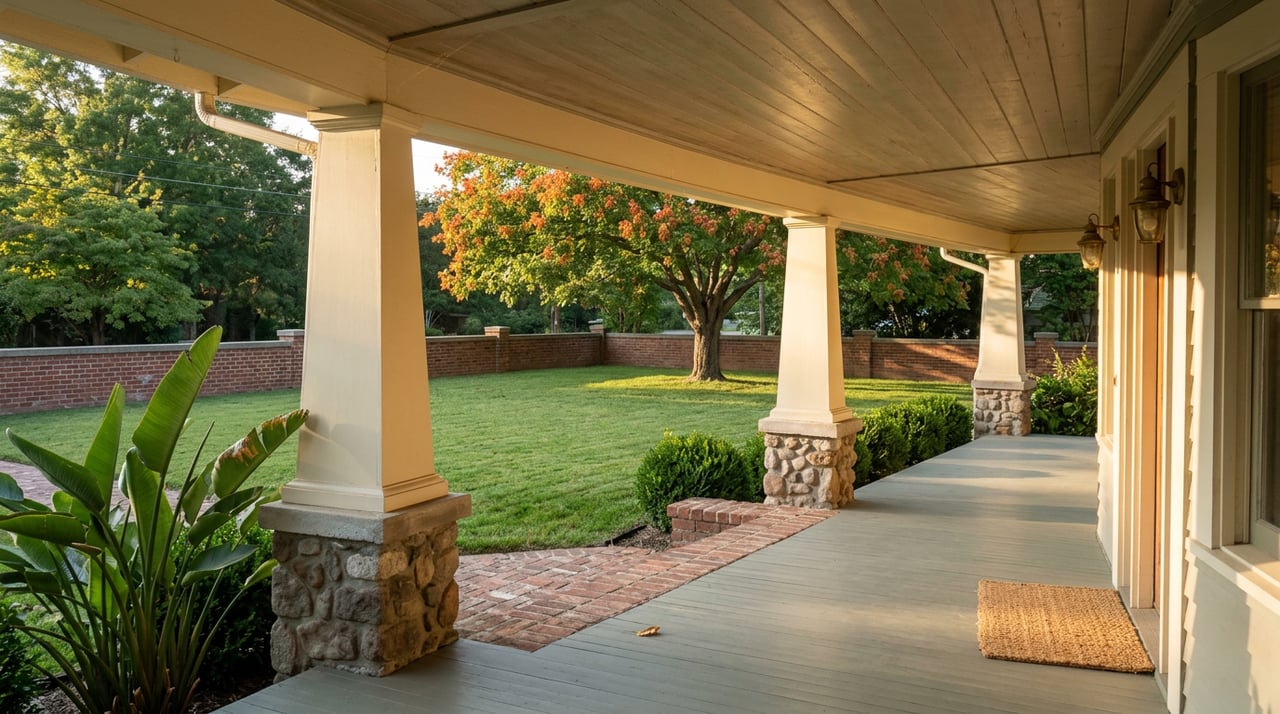
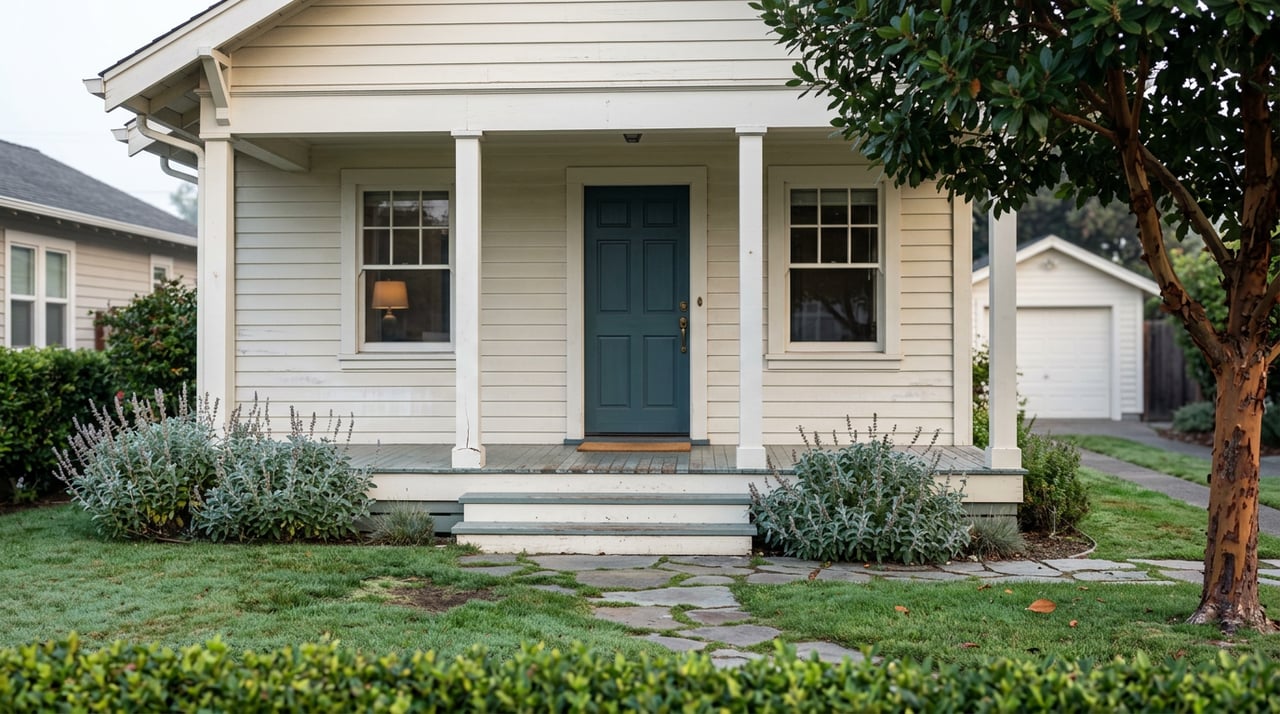
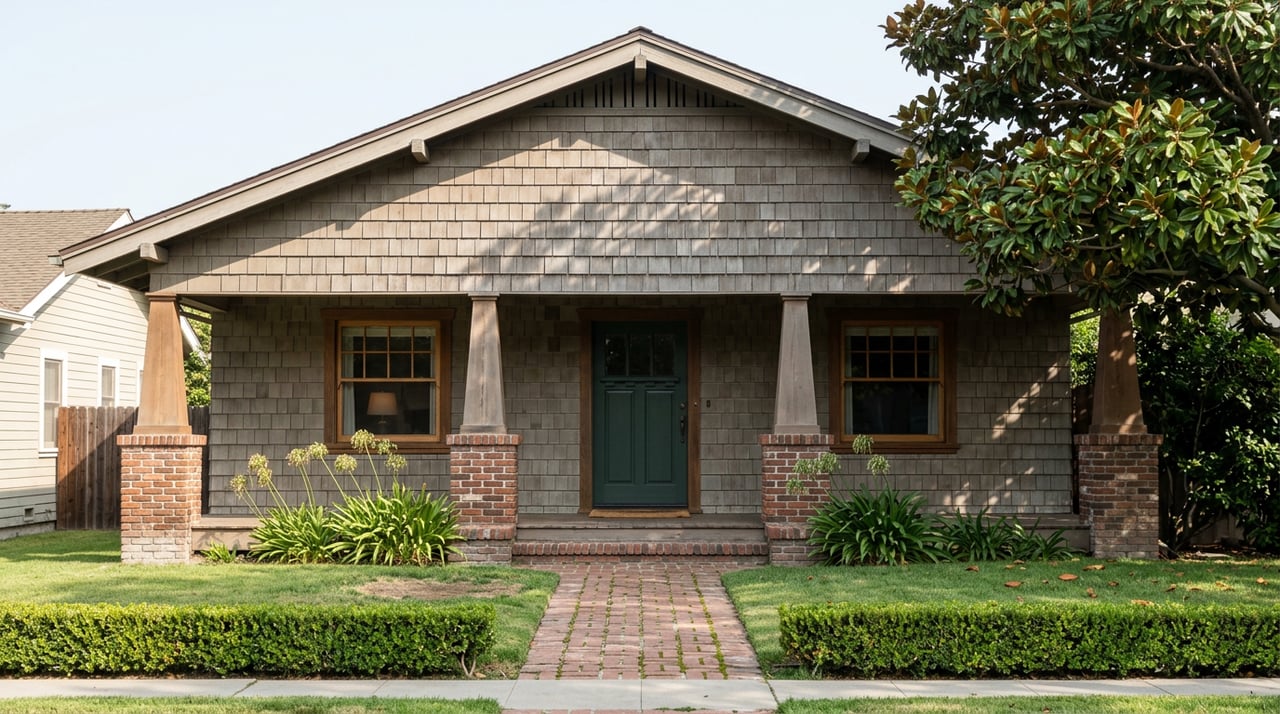
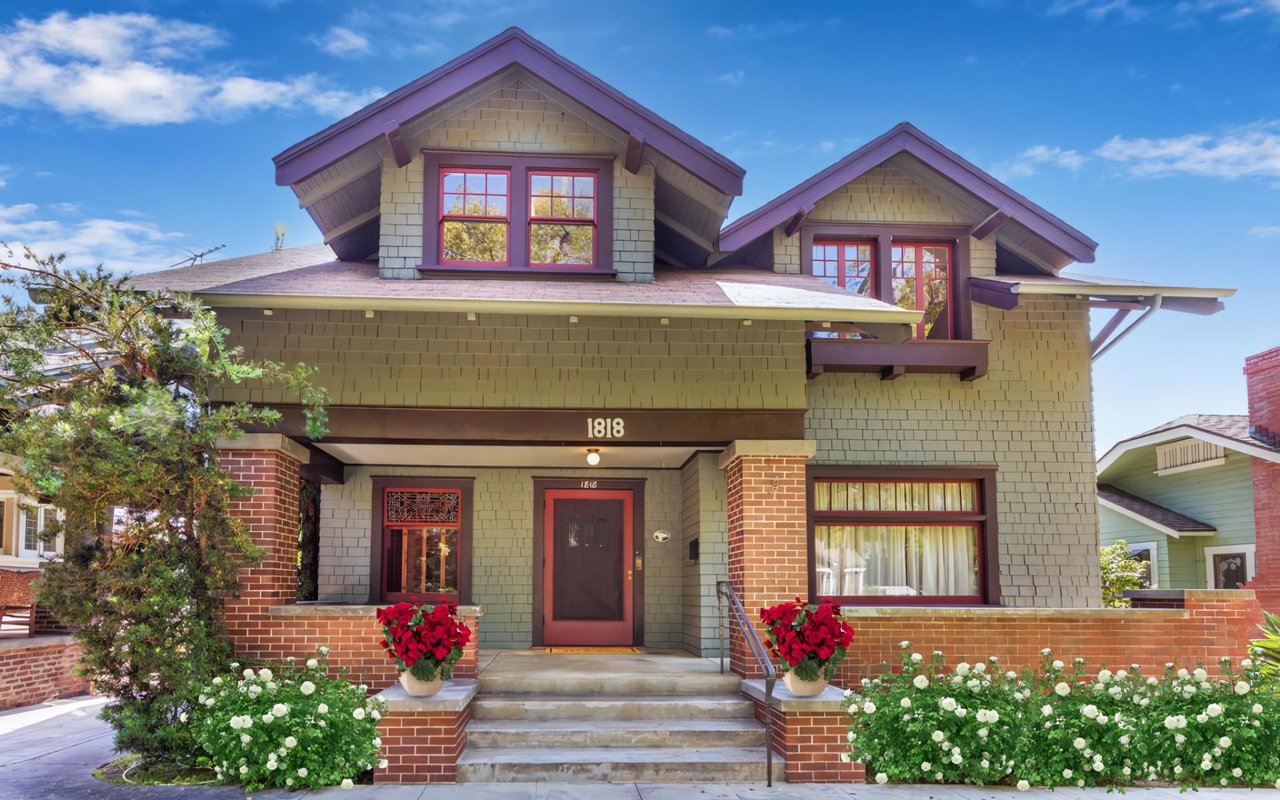
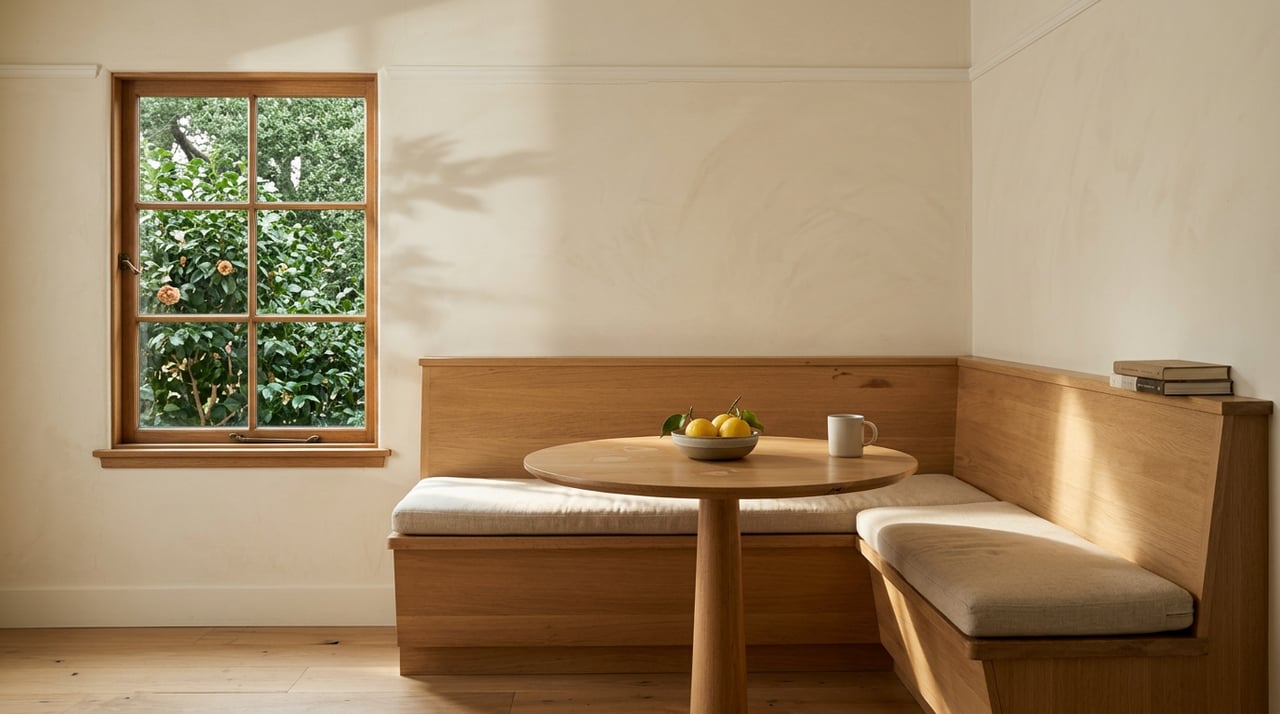
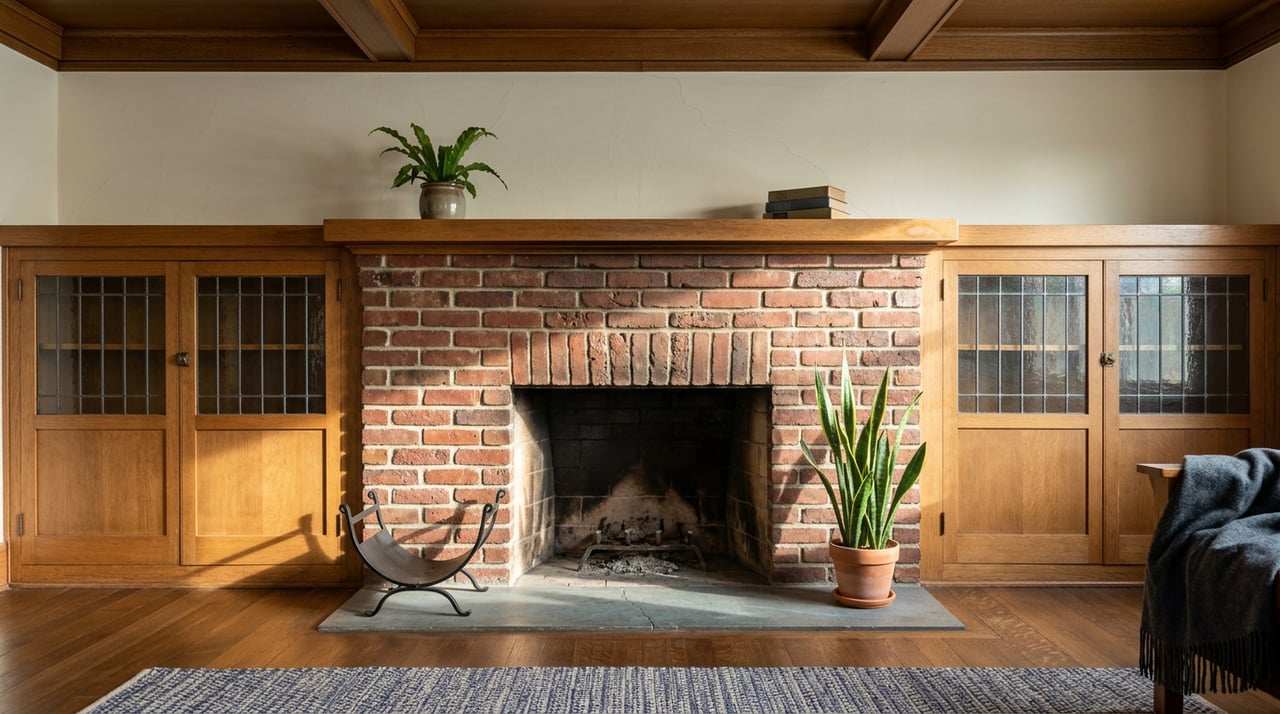
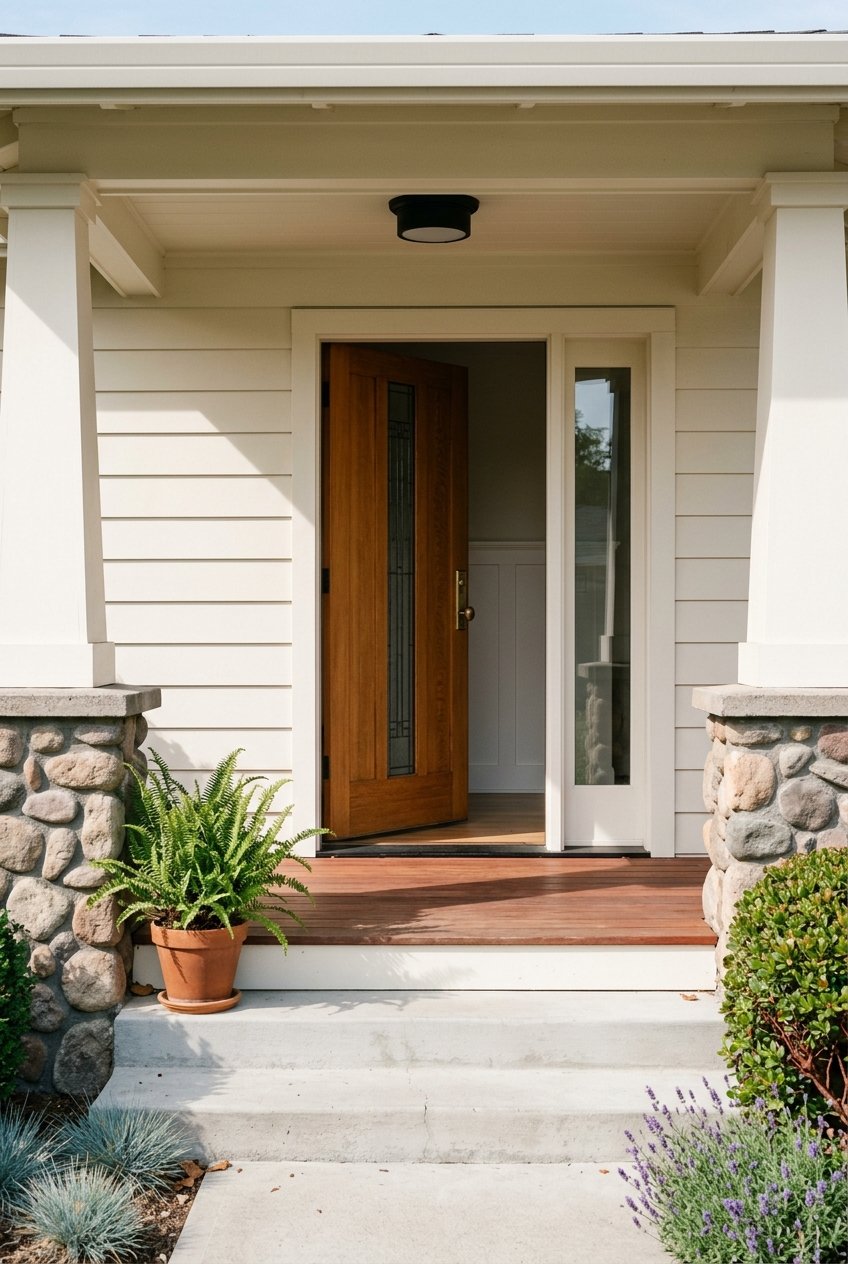
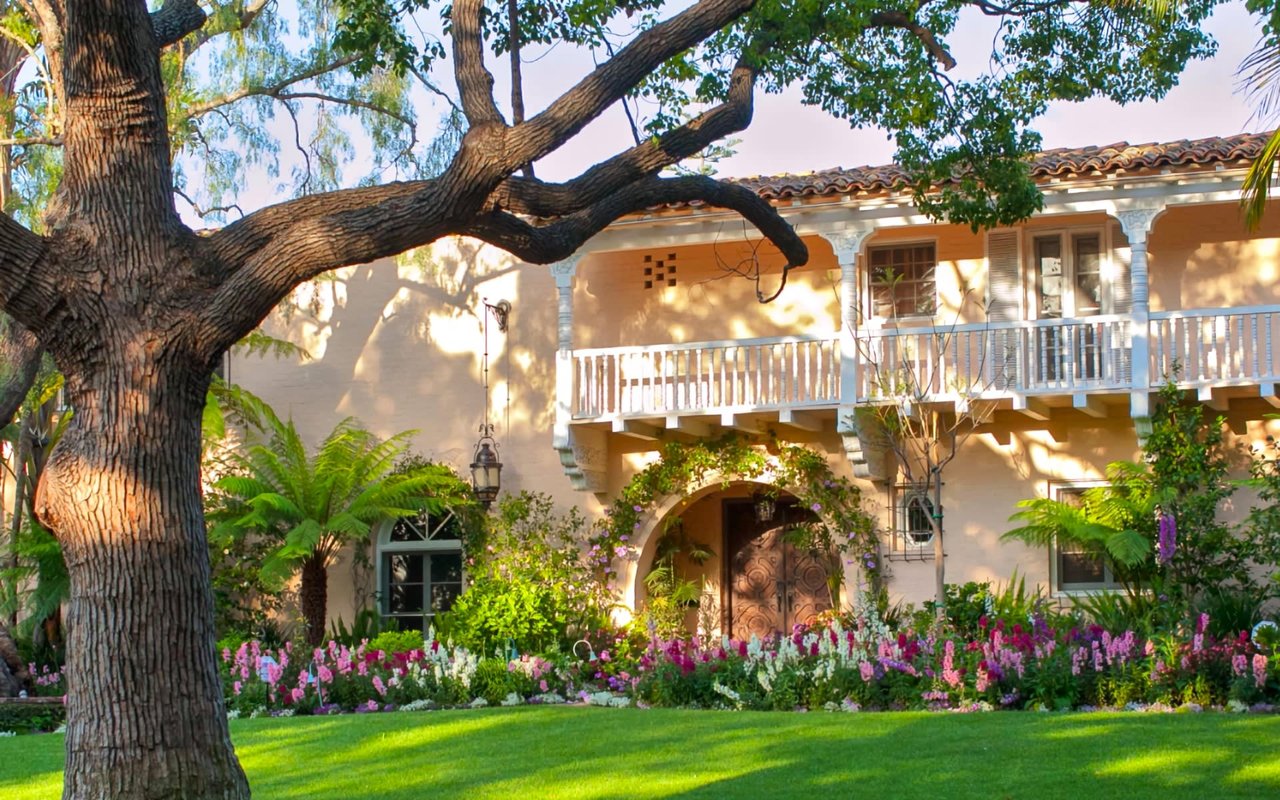
The city’s historic context statement says these homes are usually one to one-and-a-half stories tall. They often feature wood clapboard or shingle exteriors, broad front porches, low-pitched front-facing gable roofs, and overhanging eaves with exposed rafter tails. Character details may also include sleeping porches, breakfast nooks, and inglenooks, which add to the charm and function of the original layout.
Not every bungalow looks the same, though. South Pasadena’s context materials note that some Craftsman homes were more modest and cottage-like, while others were larger custom residences designed for specific sites or owners. That range is part of what makes bungalow shopping here so interesting.
How Bungalows Tend to Live Day to Day
A bungalow usually appeals to you for reasons that go beyond bedroom count. These homes often prioritize warmth, efficiency, and indoor-outdoor connection over maximum interior size.
Because they are typically one to one-and-a-half stories with broad porches and compact plans, they often feel inviting and easy to navigate. Britannica notes that the bungalow form is especially suited to warm climates because of features like high ceilings, large windows and shade-giving eaves or verandas. In Southern California, those features still make practical sense.
In South Pasadena, that lifestyle can feel even stronger because the city pairs historic homes with walkable roots, park access, and a mature tree canopy. If you enjoy spending time on a porch, opening windows on a mild day, or living in a home with distinct architectural personality, a bungalow may check boxes that a newer property does not.
The Tradeoffs Buyers Should Know
Character comes with responsibility. Most South Pasadena bungalows date to the early 1900s through the 1920s, so you should expect the normal maintenance questions that come with older homes.
That does not mean a bungalow is a risky purchase. It does mean you want to evaluate condition carefully, especially if previous updates were done over many decades. Rooflines, wood elements, windows, and exterior materials can all require thoughtful upkeep.
For homes built before 1978, lead-paint awareness also matters. The EPA says that older homes may contain lead-based paint, and the older the home, the more likely that becomes. If you plan to renovate, that is an important point to discuss with qualified professionals.
Historic Rules Can Shape Your Plans
If you fall in love with a South Pasadena bungalow, you also need to understand whether it is subject to historic review. The city states that a Certificate of Appropriateness is required for exterior alterations, new construction, and demolition affecting properties on the city’s Inventory of Historic Resources.
At the same time, not every project is treated the same way. The city notes that painting and routine maintenance are exempt, which can help owners handle ordinary upkeep without a full review process. The key is knowing early whether the property is listed, designated, or located within a historic district.
This is one reason local guidance matters. If you are buying with renovation goals in mind, it helps to understand what changes are likely to be straightforward and what may require more planning.
Modern Updates Without Losing Character
Many buyers want a home that works for modern life without erasing what made it special in the first place. In South Pasadena, that balance is especially important because the city has an active preservation framework and a strong historic identity.
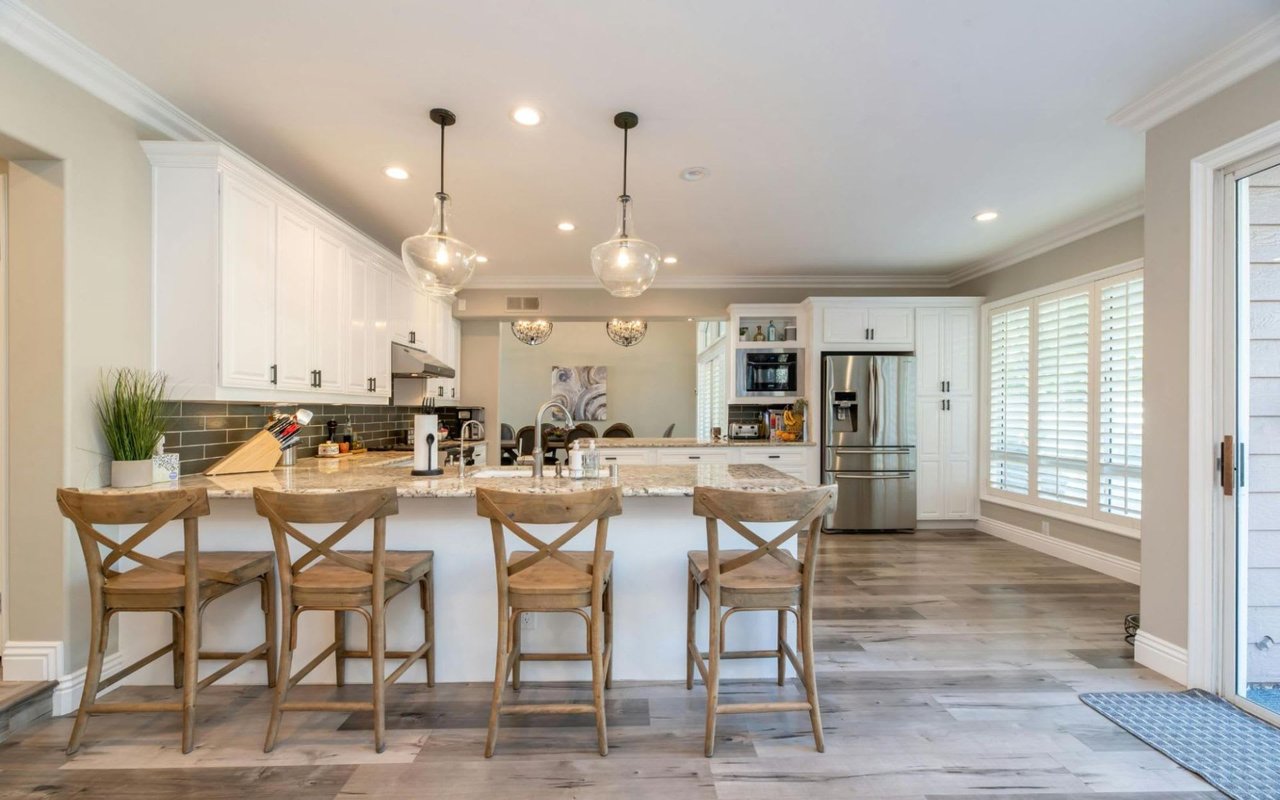
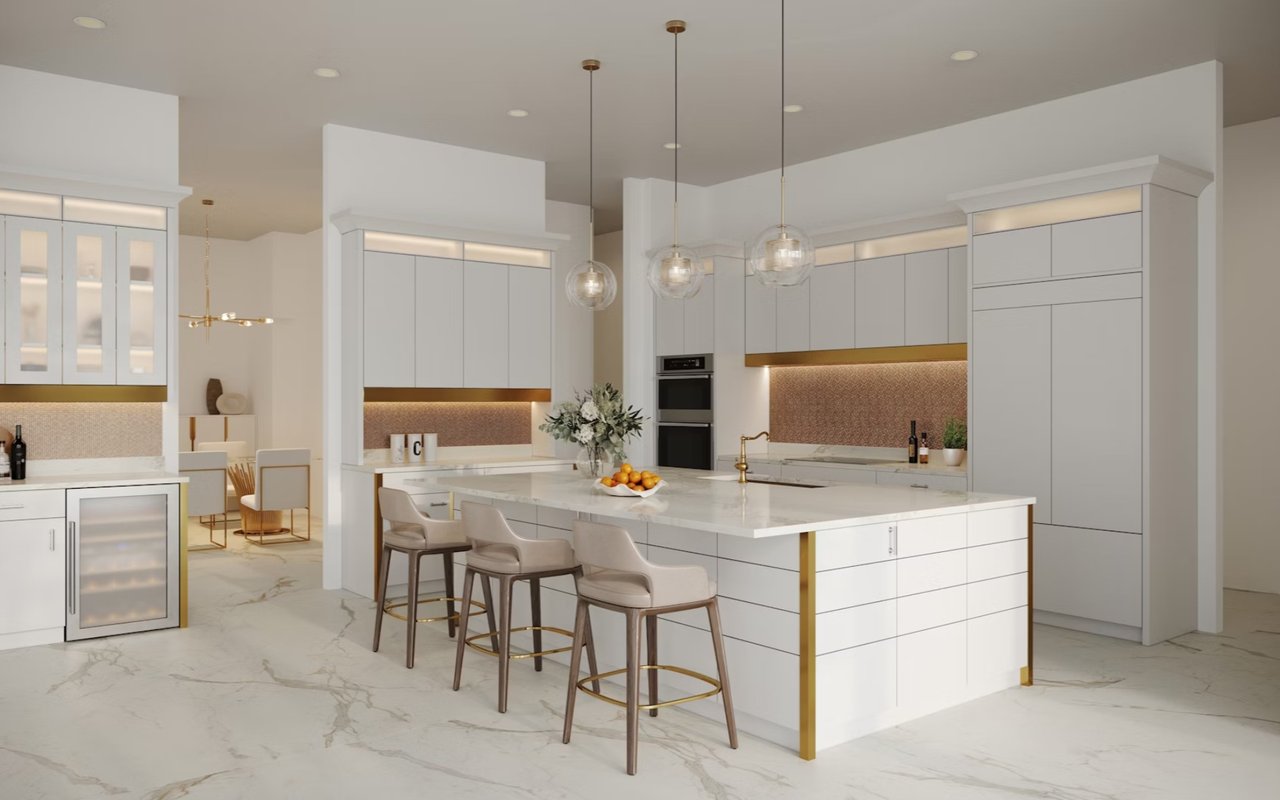
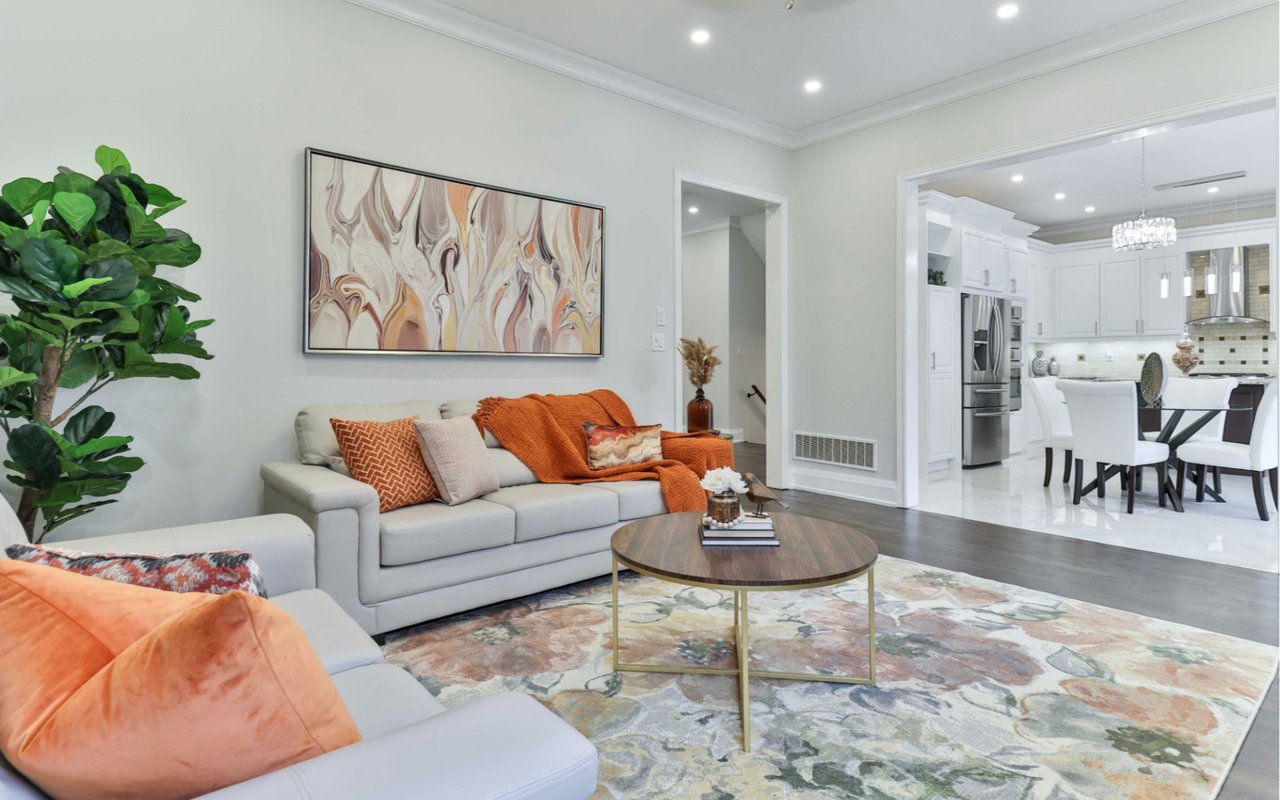
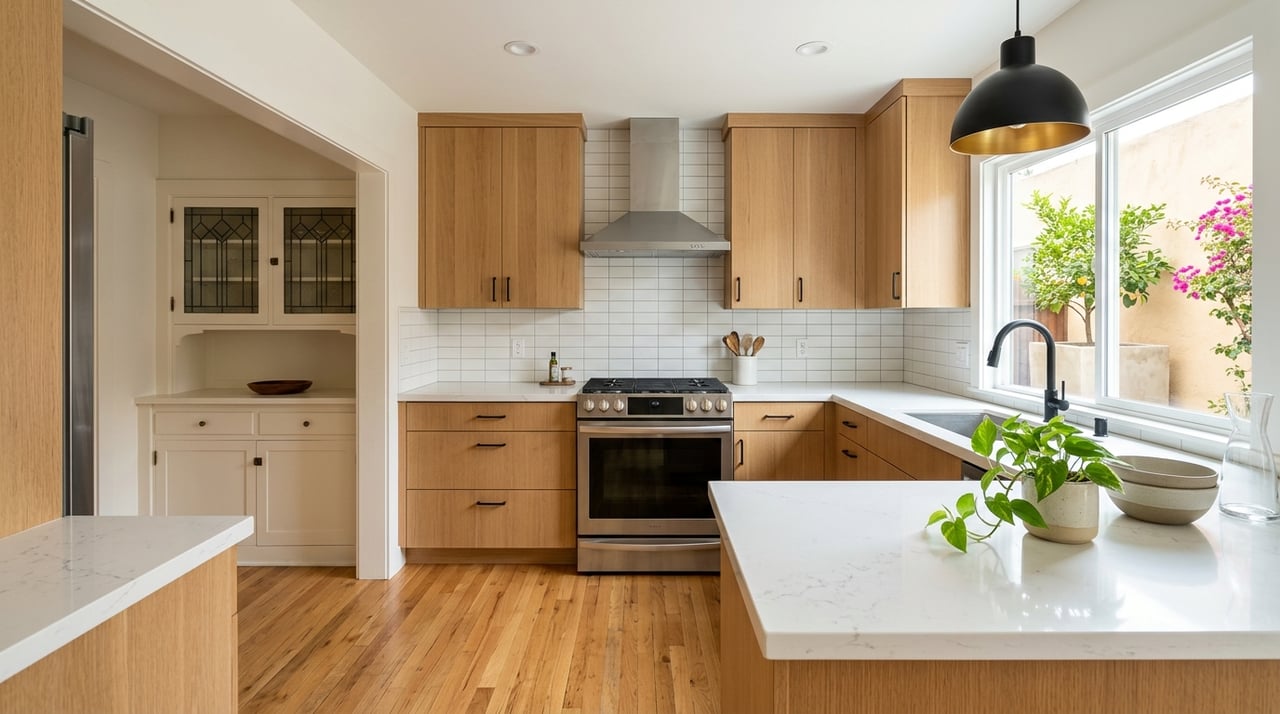
In practical terms, the most successful updates often respect the original scale and feel of the house. Kitchens, baths, systems, and lighting can often be modernized while keeping signature elements like porch proportions, rooflines, woodwork, and window patterns intact.
For resale, that approach usually has staying power. In a city where historic character is part of the appeal, updates that feel compatible with the house tend to support marketability better than changes that overpower the original design.
Why Preservation Can Support Long-Term Value
No one can promise future appreciation, but South Pasadena’s preservation culture helps explain why older homes remain so desirable. The city says there are about 59 designated local landmarks, five local historic districts, roughly 183 properties and two districts in the California Historical Resources Inventory, and seven individual properties plus two historic districts on the National Register.
That is a meaningful concentration of recognized historic resources in a small city. It suggests consistent community support for maintaining older housing stock and preserving neighborhood identity. For buyers and owners, that can reinforce the appeal of homes that still reflect the city’s architectural roots.
What Market Demand Looks Like
South Pasadena continues to draw strong buyer interest. Redfin’s South Pasadena housing market snapshot reported a March 2026 median sale price of about $1.76 million to $1.8 million, with homes receiving around two offers on average and selling in about 31 days.
That data is not a forecast, but it does point to ongoing demand in the city. In a market where buyers are often paying a premium for location, setting, and character, well-maintained bungalows can remain compelling because they fit the streetscape and the lifestyle many buyers want.
Features That Often Matter Most at Resale
If long-term value is part of your thinking, some bungalow features tend to age especially well. Buyers are often drawn to the details that create instant curb appeal and a clear sense of authenticity.
Some of the most important features include:
- Broad, welcoming front porches
- Strong original rooflines and gable forms
- Well-kept wood siding, shingles, or trim
- Period windows and architectural detailing
- Sympathetic updates that respect the home’s original scale
These are not just aesthetic points. In a city that values historic continuity, those details often help a home stand out in the right way.
Tax Relief May Be Available for Some Owners
For certain historic properties, South Pasadena also offers a potential ownership benefit. The city’s Cultural Heritage Commission notes that Mills Act contracts may be available for eligible landmark and historic-district properties.
A Mills Act contract can reduce property taxes in exchange for restoration and maintenance commitments. Not every property will qualify, and the program comes with obligations, but it is worth asking about if you are considering a designated or district-contributing home.
Is a South Pasadena Bungalow Right for You?
A bungalow can be a smart fit if you value design character, a smaller-scale layout, and a home that feels rooted in place. It may be less ideal if your top priority is maximum interior size, fully open-plan living, or minimal maintenance.
The real question is how you want your home to live. In South Pasadena, bungalows offer a blend of history, charm, and long-term desirability that continues to resonate with buyers who appreciate thoughtful design and a strong sense of setting.
If you are weighing a purchase, planning a future sale, or trying to understand how a historic home fits into today’s market, The Middleman Team can help you evaluate the details with clear, local guidance.
FAQs
Are South Pasadena bungalows usually one story or one-and-a-half stories?
- According to the city’s historic context materials, Craftsman bungalows in South Pasadena are usually one to one-and-a-half stories tall.
What architectural details define a South Pasadena bungalow?
- Common features include broad front porches, low-pitched front-facing gable roofs, overhanging eaves with exposed rafter tails, and wood clapboard or shingle exteriors.
What should buyers know about updating a historic bungalow in South Pasadena?
- Exterior alterations to properties on the city’s Inventory of Historic Resources may require a Certificate of Appropriateness, while painting and routine maintenance are generally exempt.
What maintenance issue is especially important in an older South Pasadena bungalow?
- Lead-based paint is an important consideration because many bungalows were built long before 1978, when lead paint was still commonly used.
Can historic South Pasadena properties receive property tax benefits?
- Some eligible landmark and historic-district properties may qualify for a Mills Act contract, which can reduce property taxes in exchange for restoration and maintenance commitments.