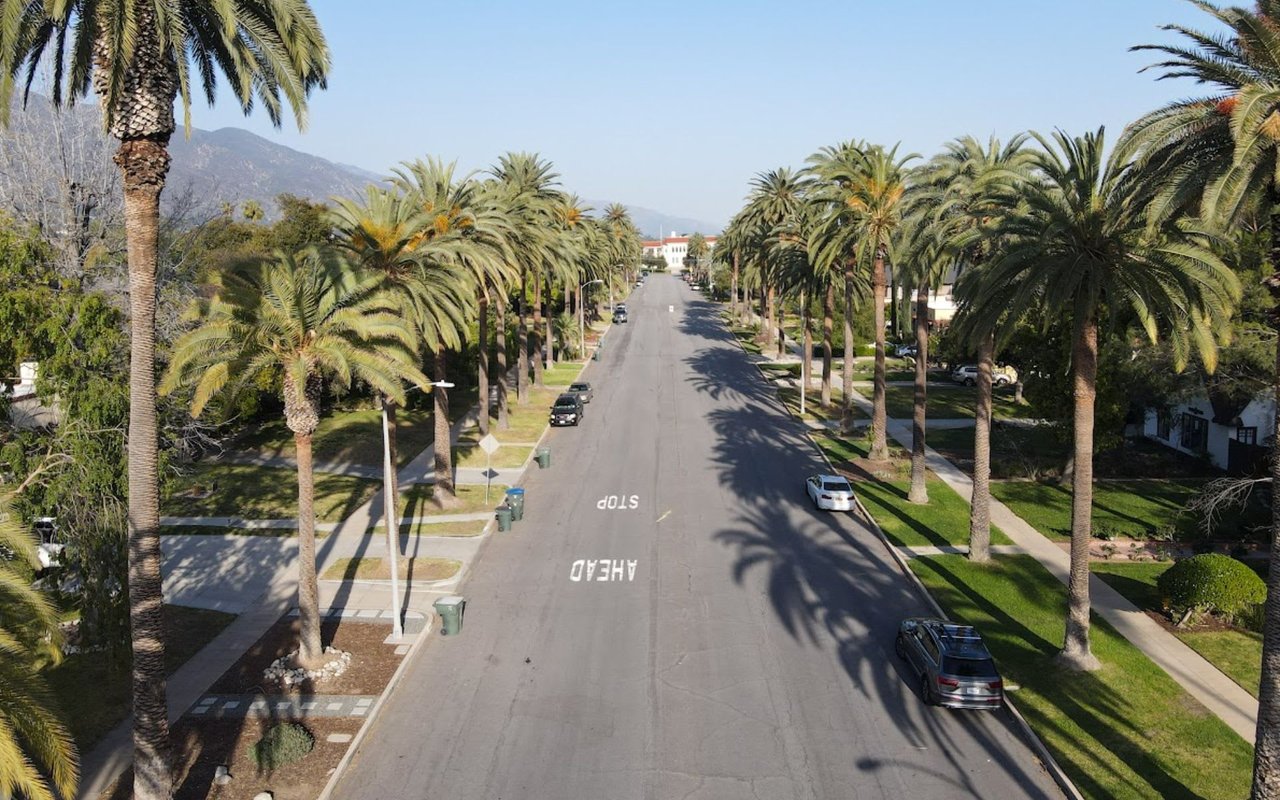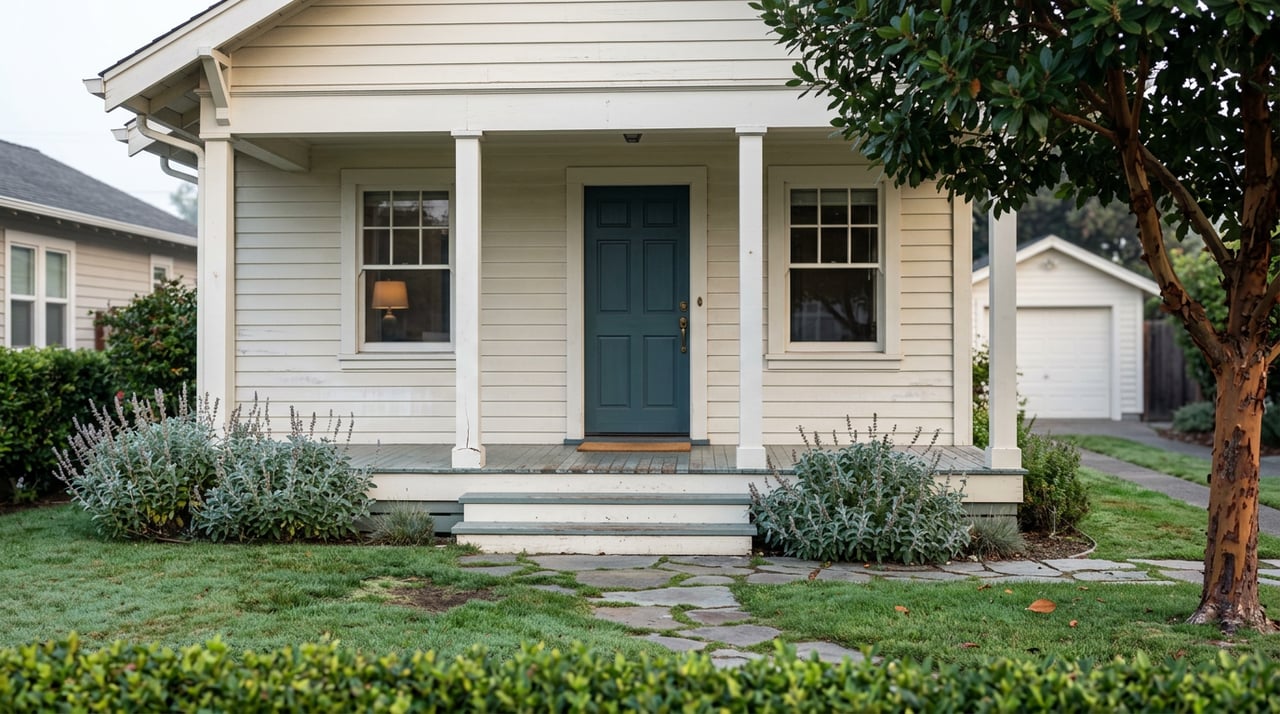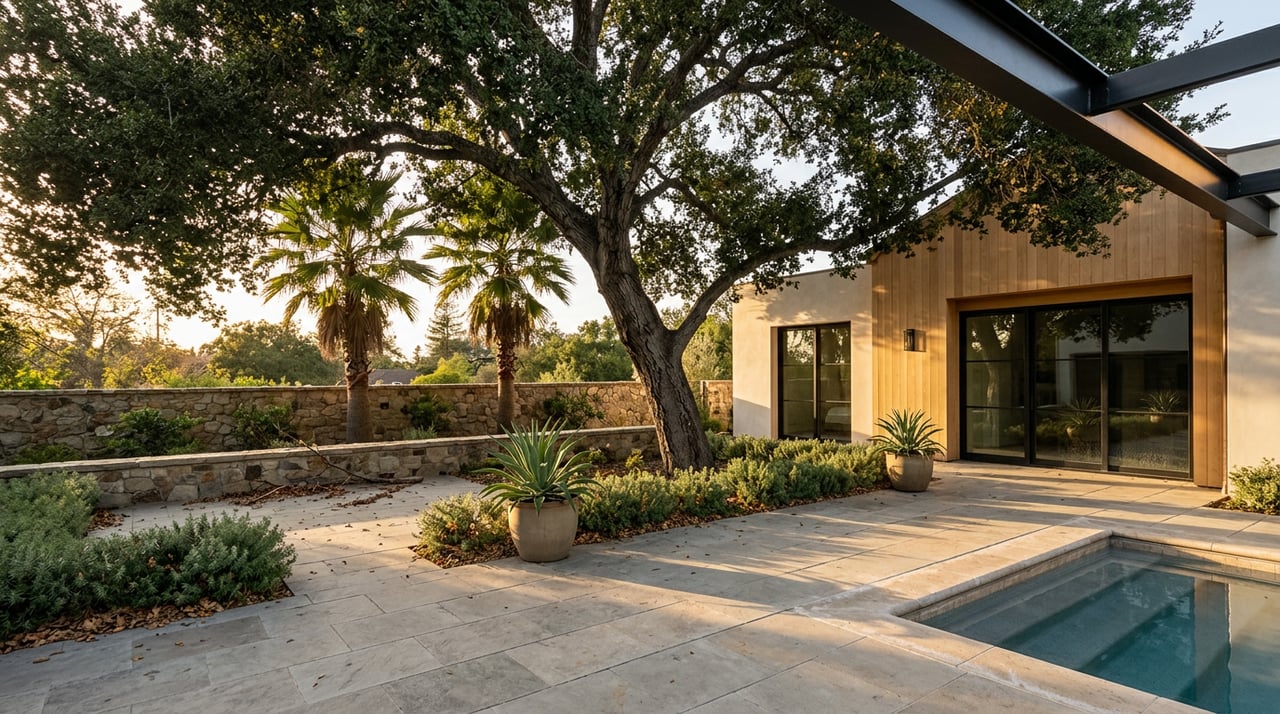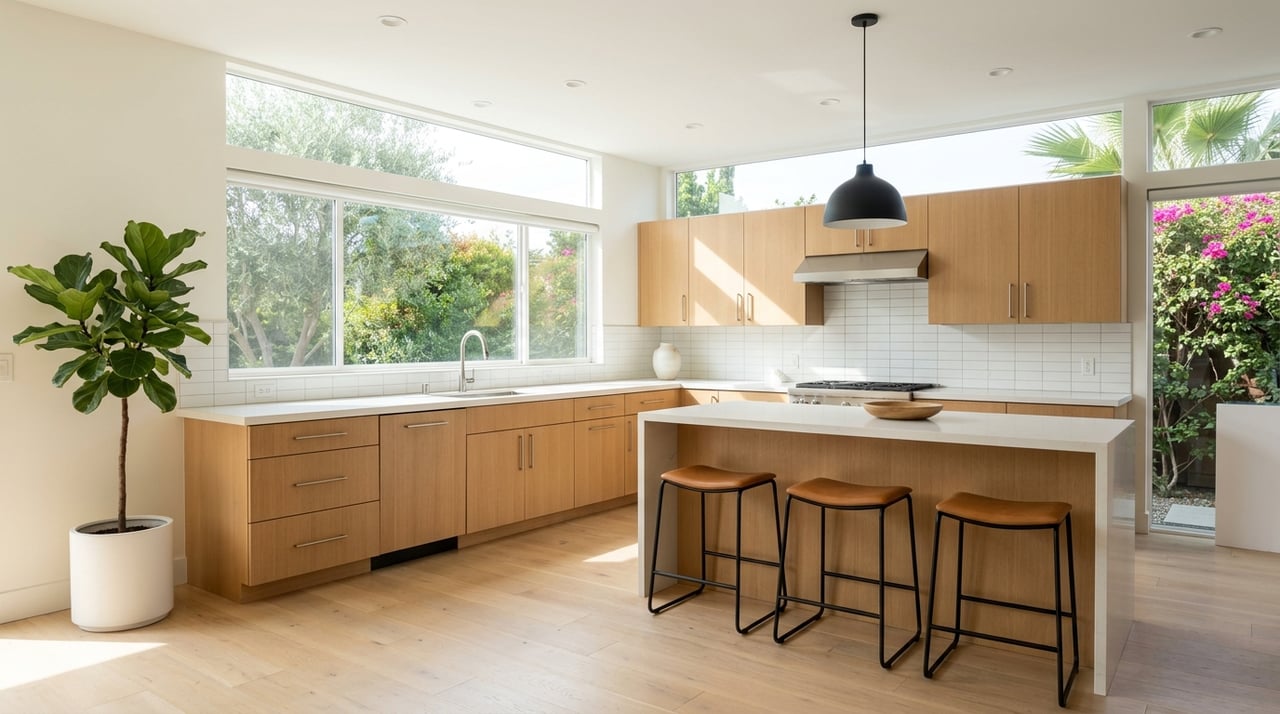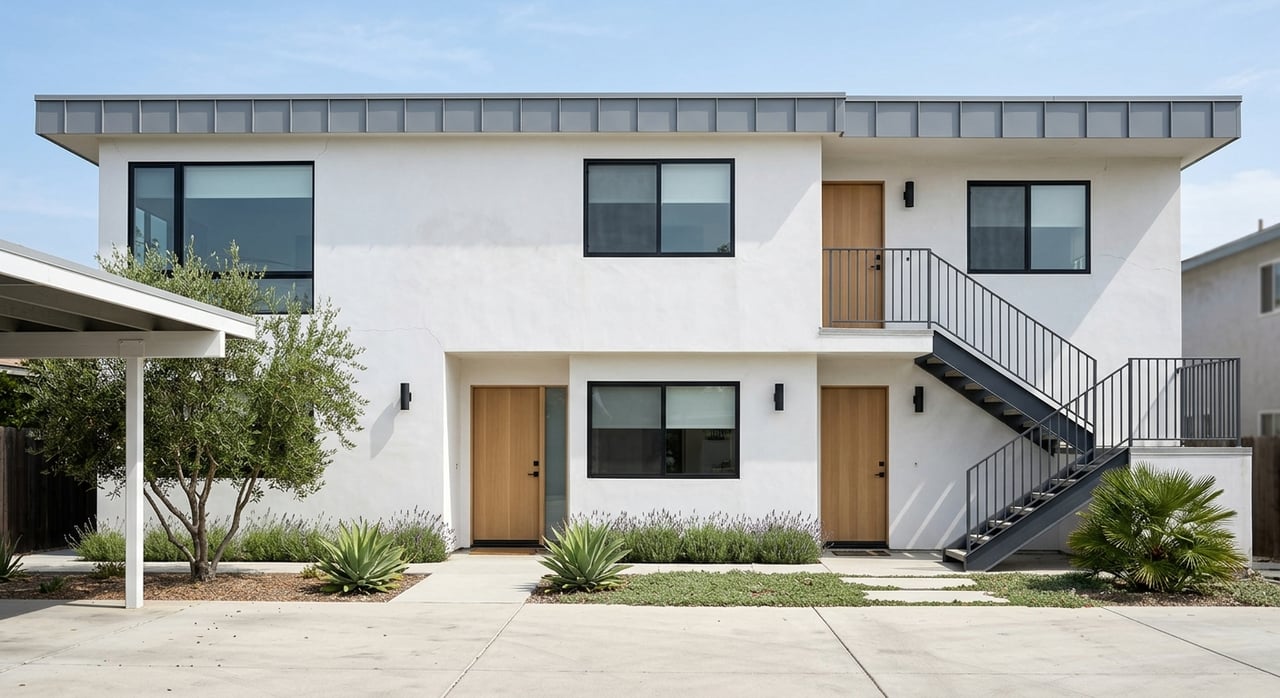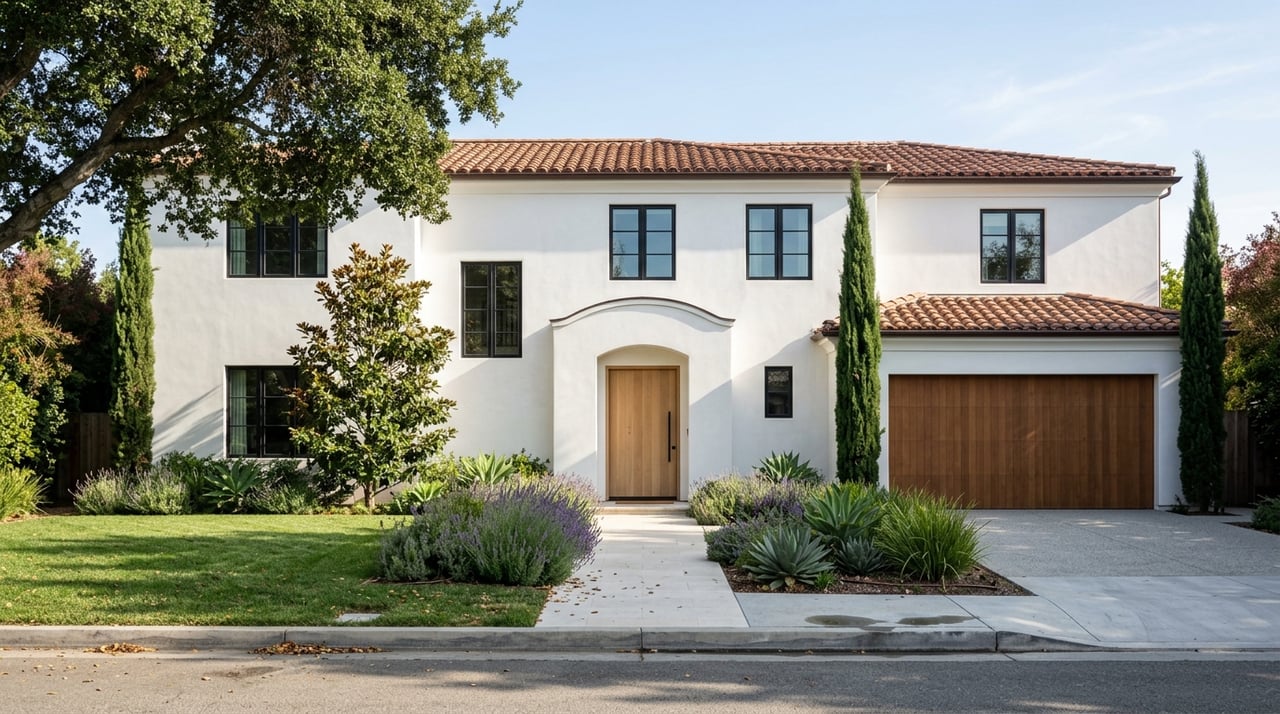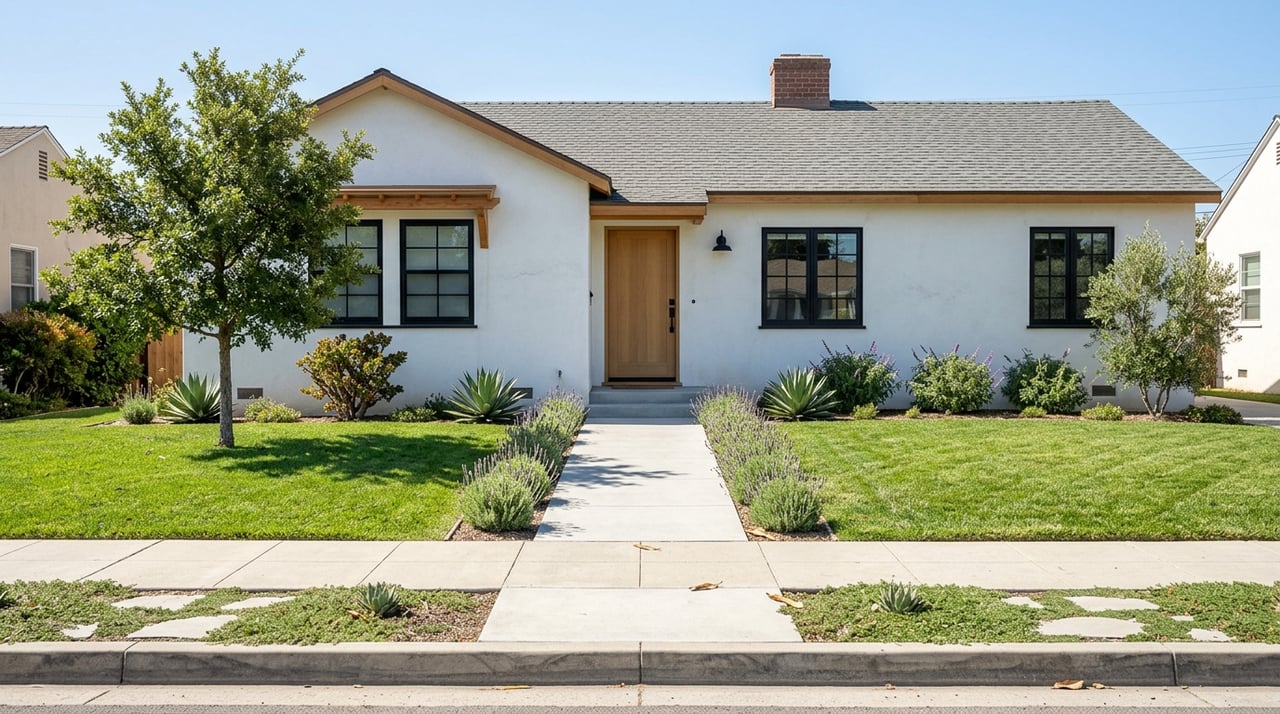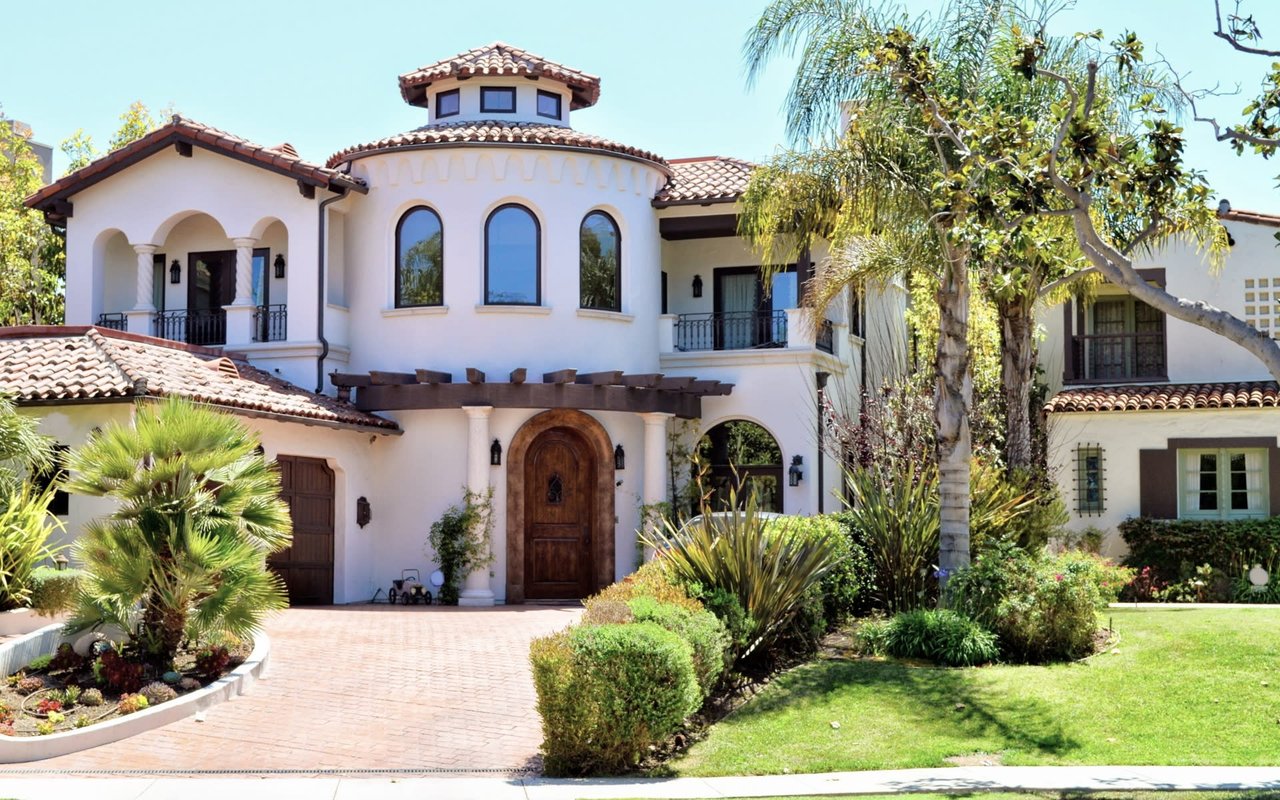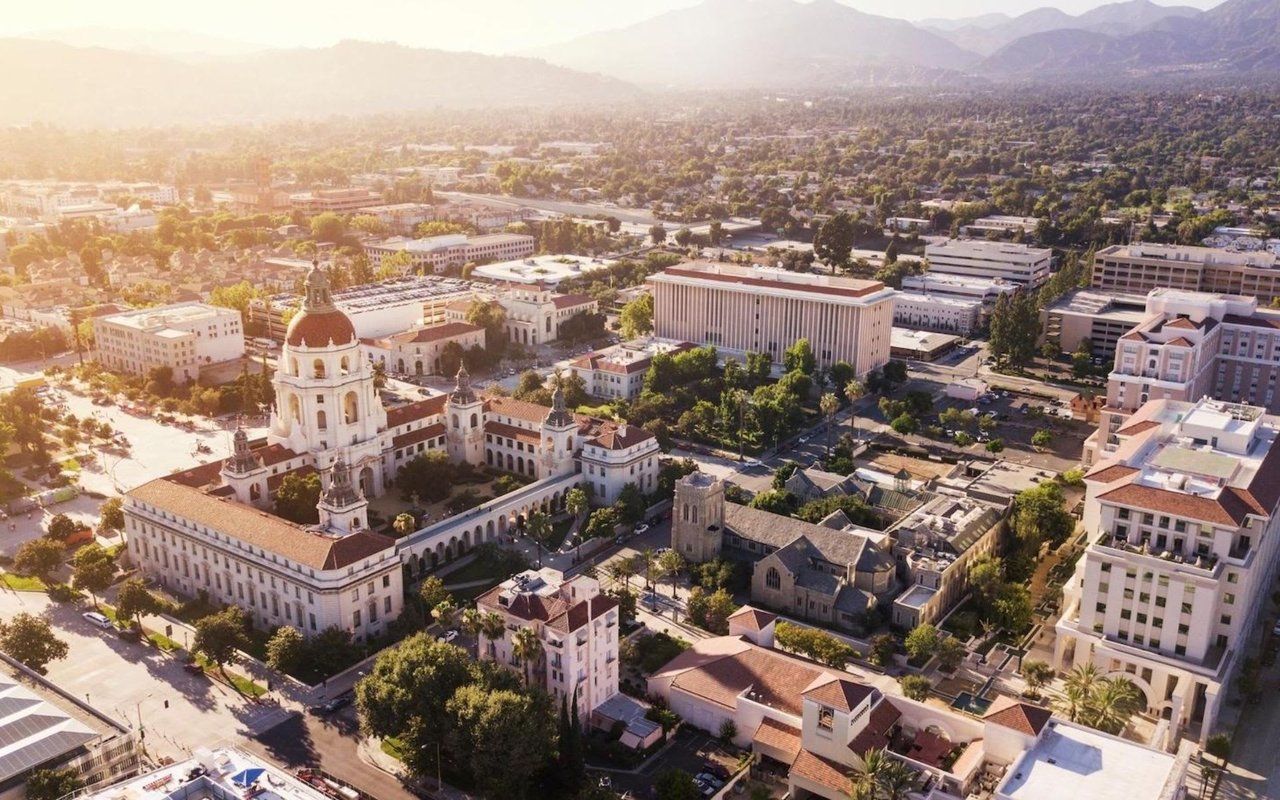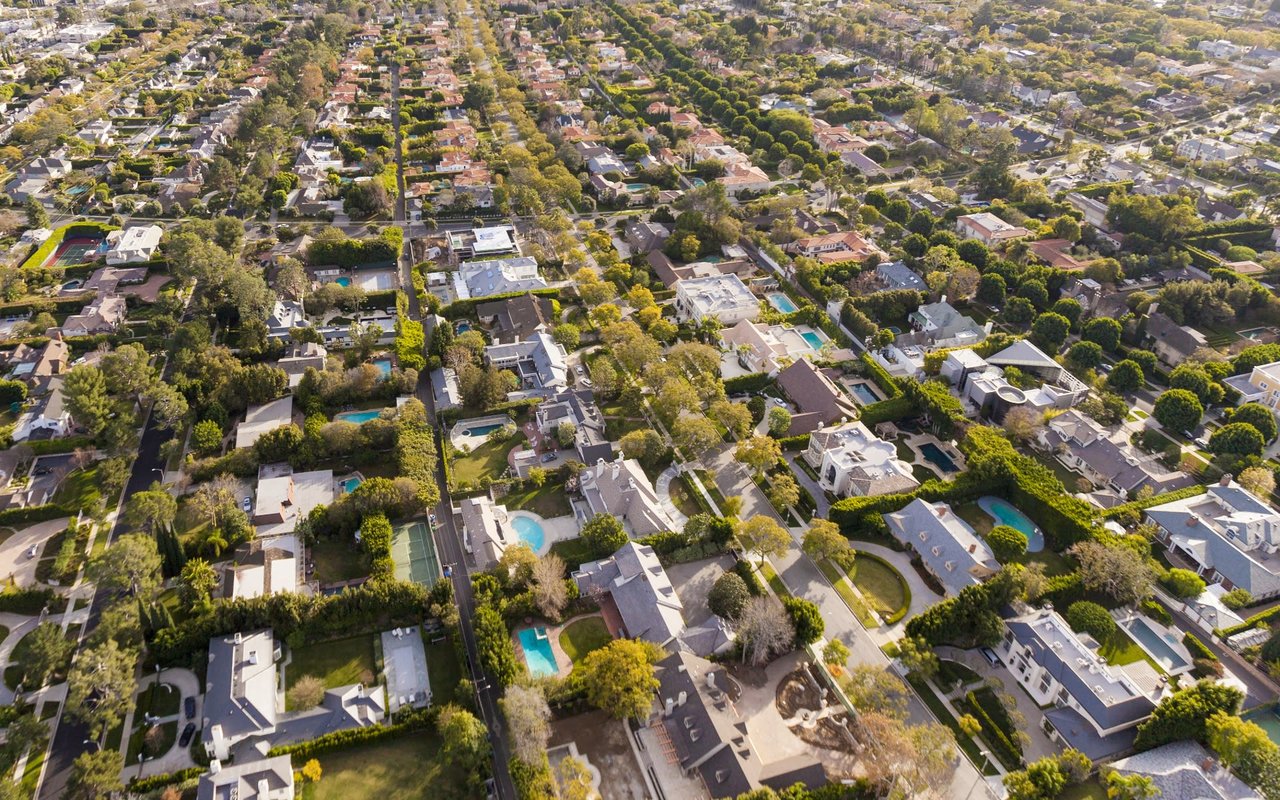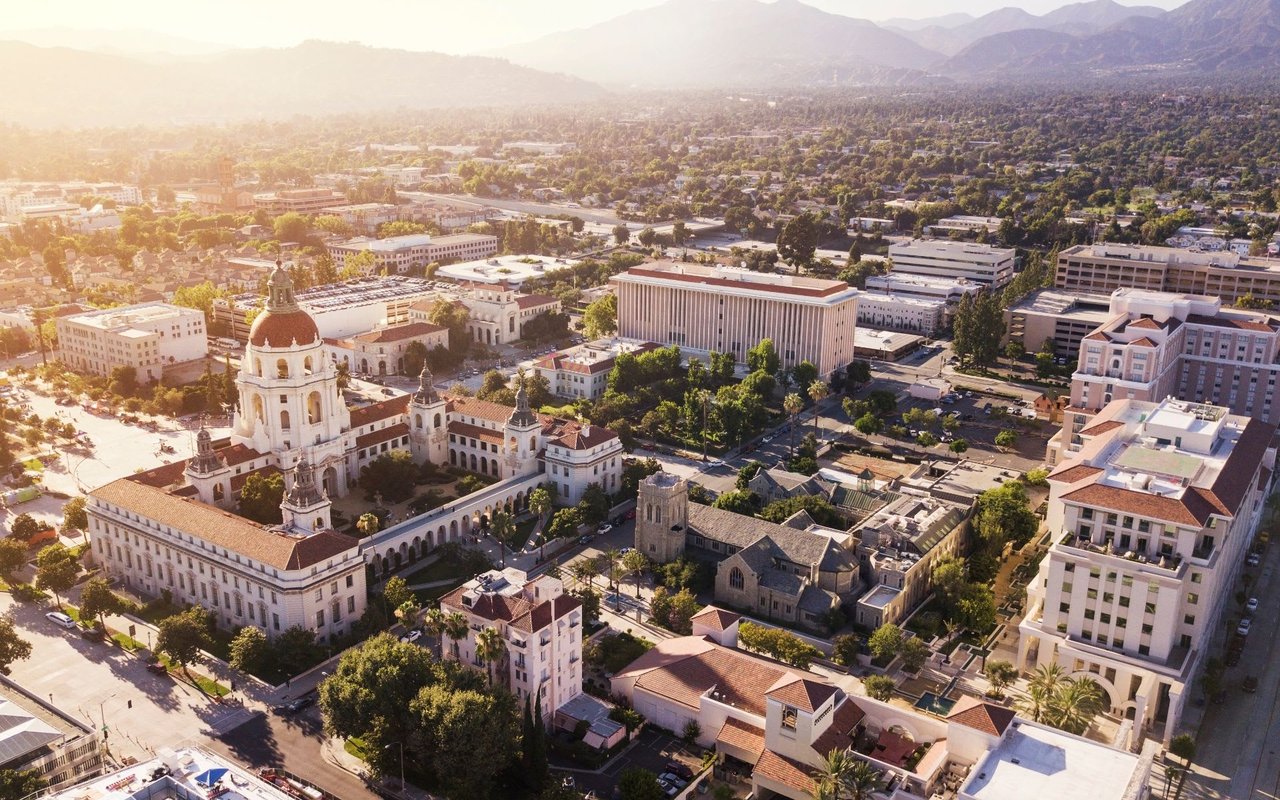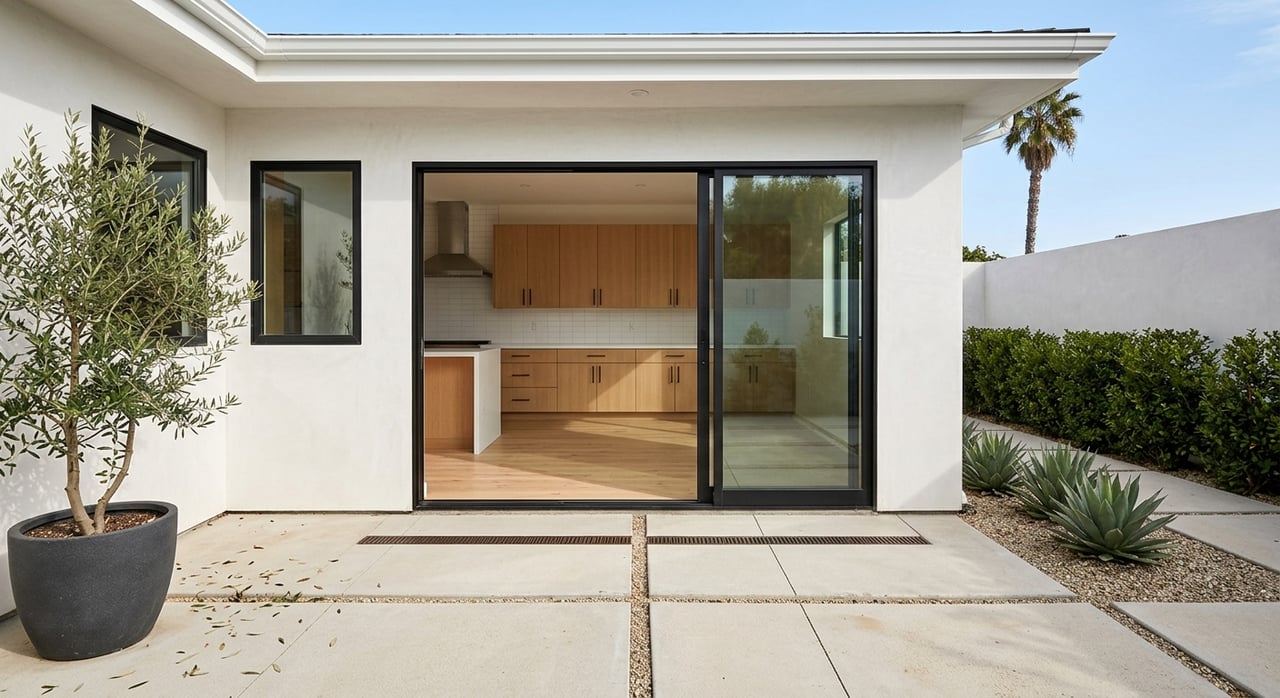
Choose Northeast Los Angeles for neighborhood-to-neighborhood variety and mixed housing types, Pasadena for the broadest architecture and the strongest walkable downtown, or South Pasadena for the smallest footprint and the strongest preservation-focused, small-town rhythm. All three share Metro A Line access.
Looking at homes in Northeast Los Angeles, Pasadena, and South Pasadena can feel simple at first. They sit near each other, share foothill access, and often attract buyers who want character, convenience, and a strong sense of place. But once you look closer, the differences in housing stock, daily routine, and neighborhood layout become much more important. If you are trying to decide where your next move makes the most sense, this guide will help you compare the tradeoffs with more confidence. Let's dive in.
Comparing the overall feel
These three areas are close in geography, but they do not live the same way. Northeast Los Angeles is made up of distinct neighborhoods with different street patterns, housing types, and commercial corridors. The City of Los Angeles describes the area as a mix of hillside single-family areas, lower-density residential streets, and commercial or transit corridors.
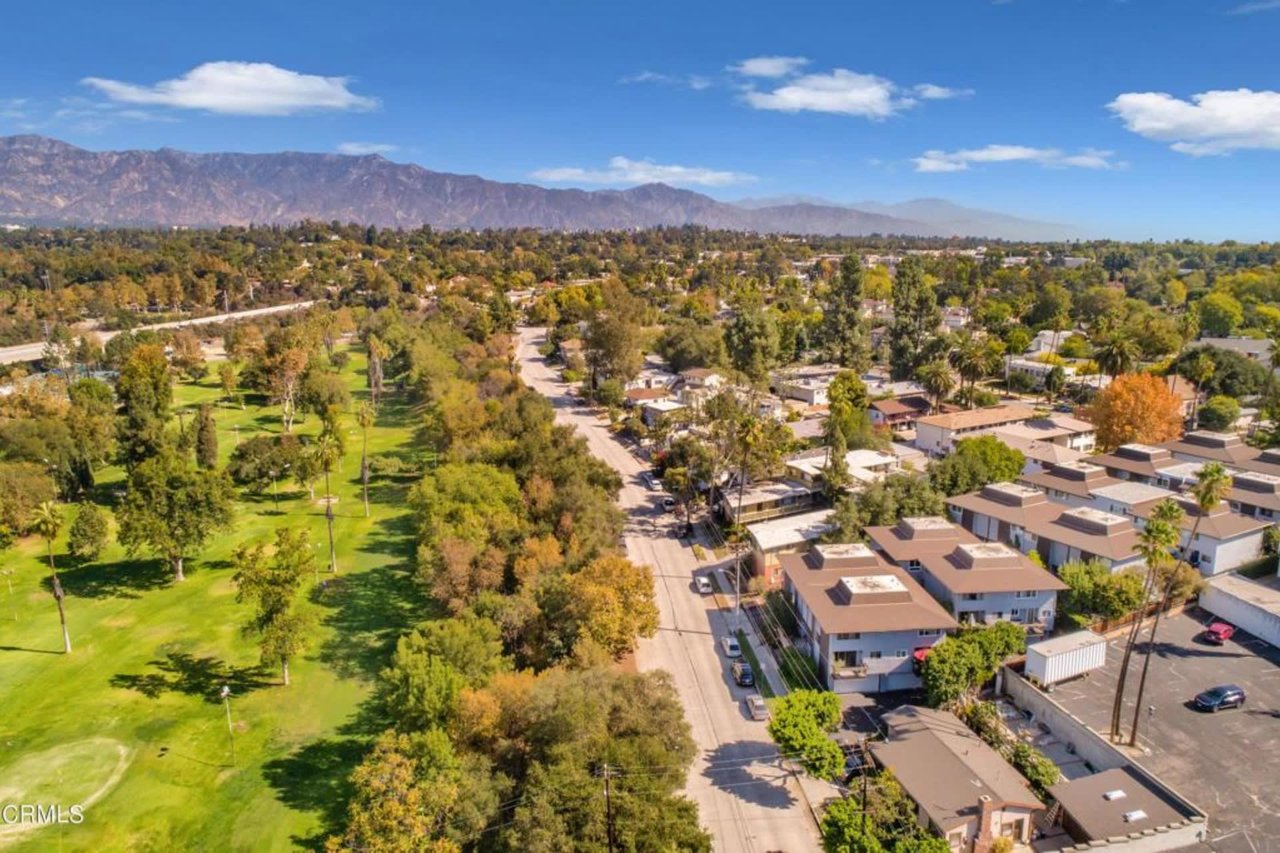
Pasadena and South Pasadena are separate cities with their own planning and preservation systems. South Pasadena is much smaller at 3.41 square miles, while Pasadena covers 22.96 square miles. In practical terms, that means South Pasadena often feels more compact, while Pasadena offers a broader range of districts, housing options, and commercial areas.
Housing values and ownership patterns
If you want a quick snapshot of market character, ownership rates and home values can be helpful. Current Census QuickFacts show Pasadena at 42.5% owner-occupied housing with a median owner-occupied home value of $1,093,300. South Pasadena shows 44.0% owner-occupied housing with a median owner-occupied value of $1,640,000.
Los Angeles city overall comes in at 36.0% owner-occupied with a median owner-occupied value of $921,200. Those figures suggest Pasadena and South Pasadena have somewhat higher owner-occupancy than Los Angeles overall, while South Pasadena stands out for the highest median owner-occupied value in this comparison. That does not tell you what any one block or property will feel like, but it does help frame the market.
Northeast Los Angeles homes
Variety is the main story
Northeast Los Angeles is not one housing style or one buyer experience. Areas like Highland Park, Eagle Rock, Glassell Park, and Cypress Park each bring a different mix of architecture, lot patterns, and commercial access. If you want options across several neighborhood types, NELA often gives you more variation from one area to the next.
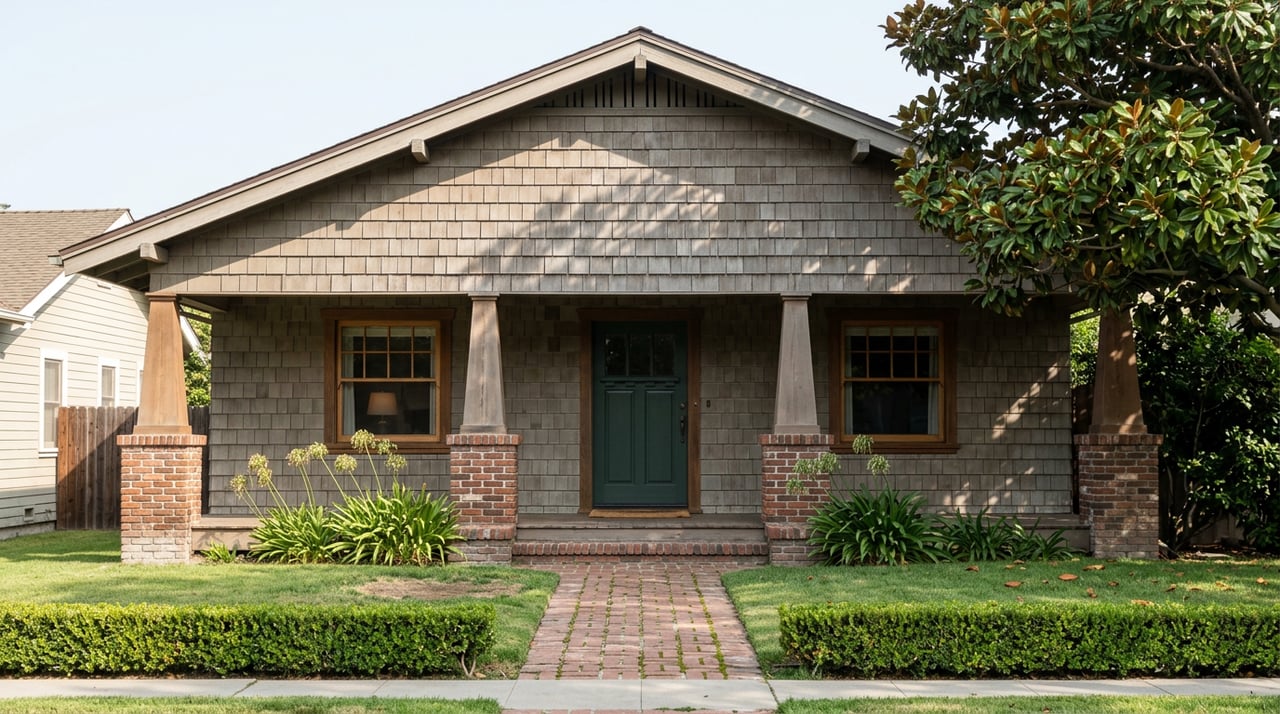
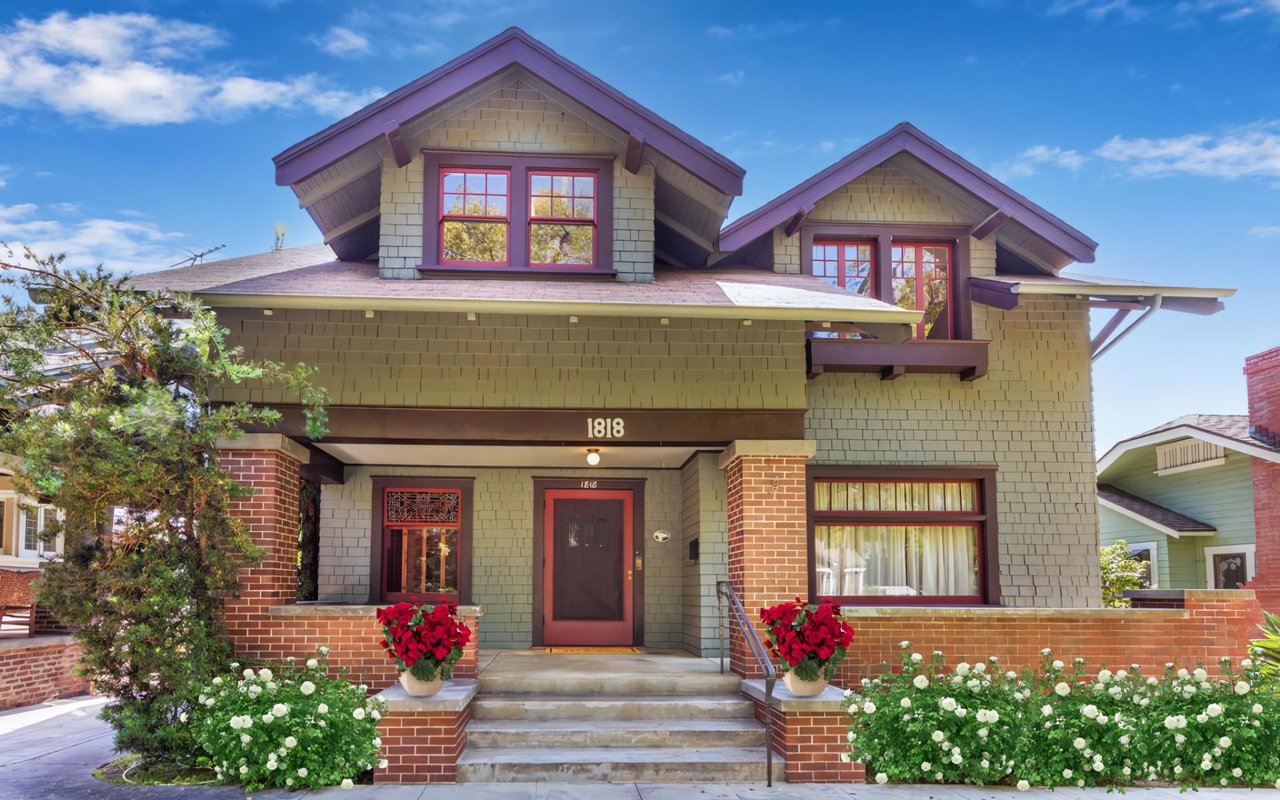
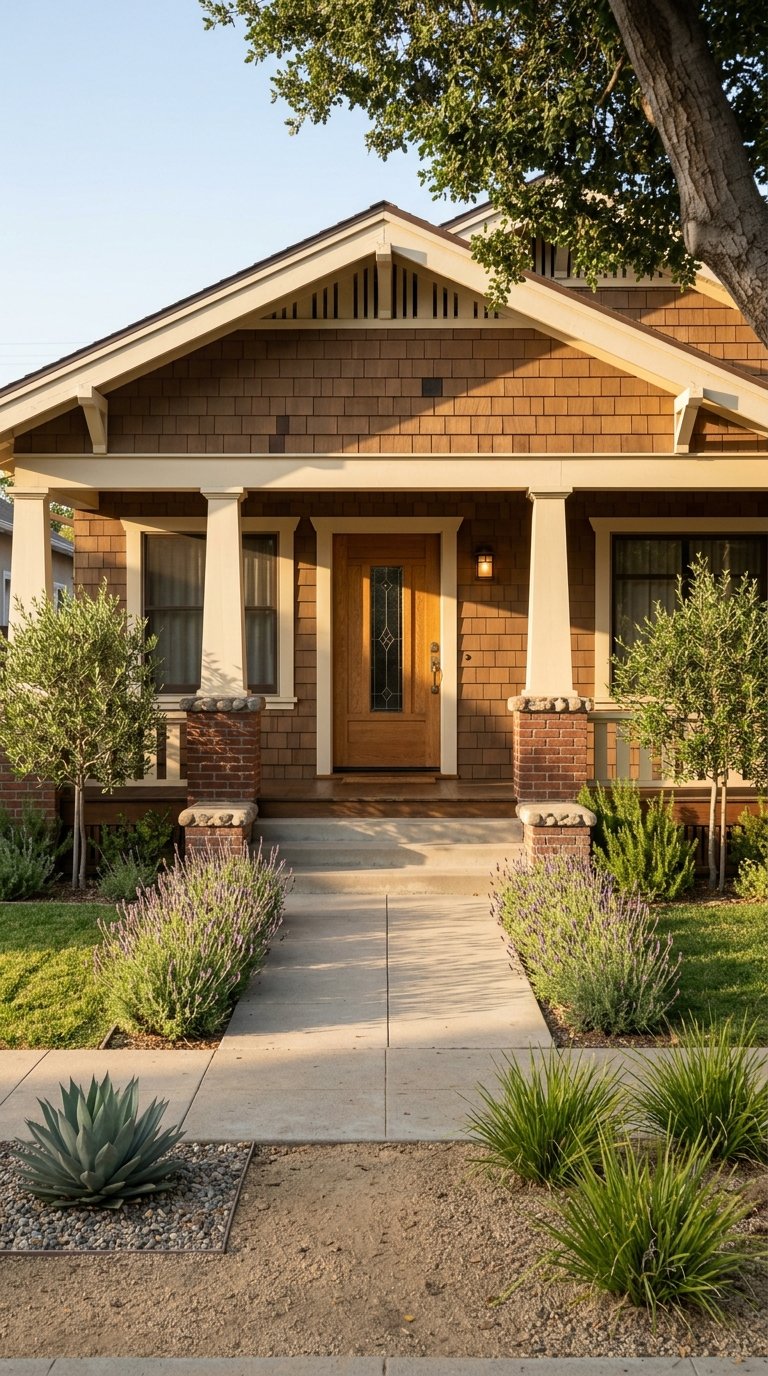
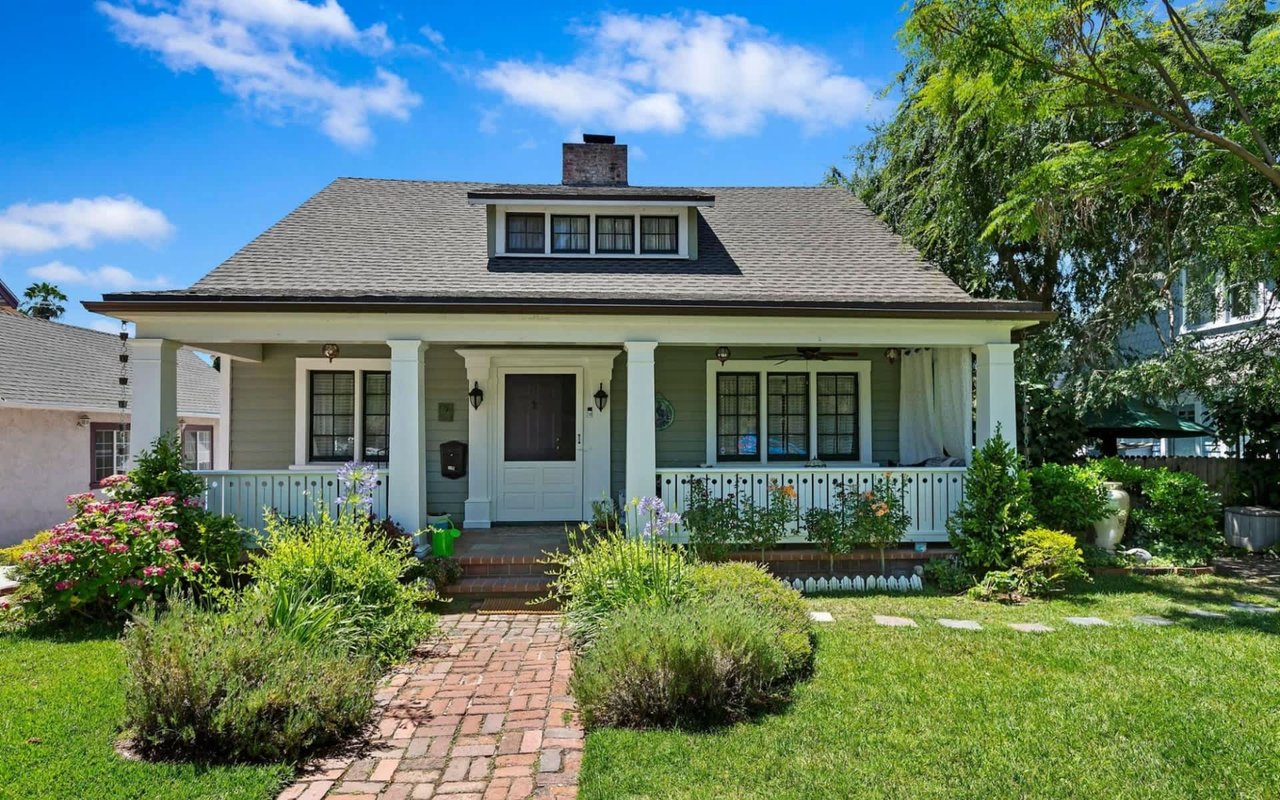
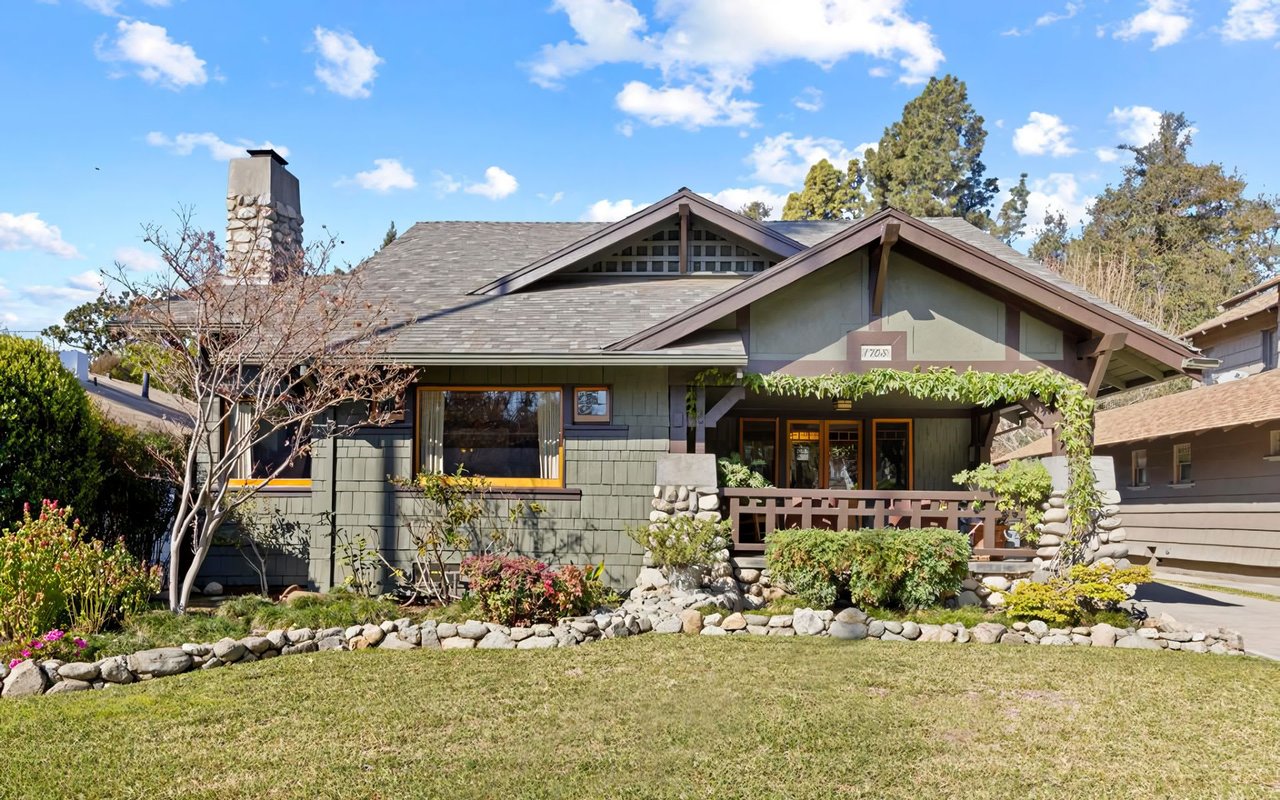
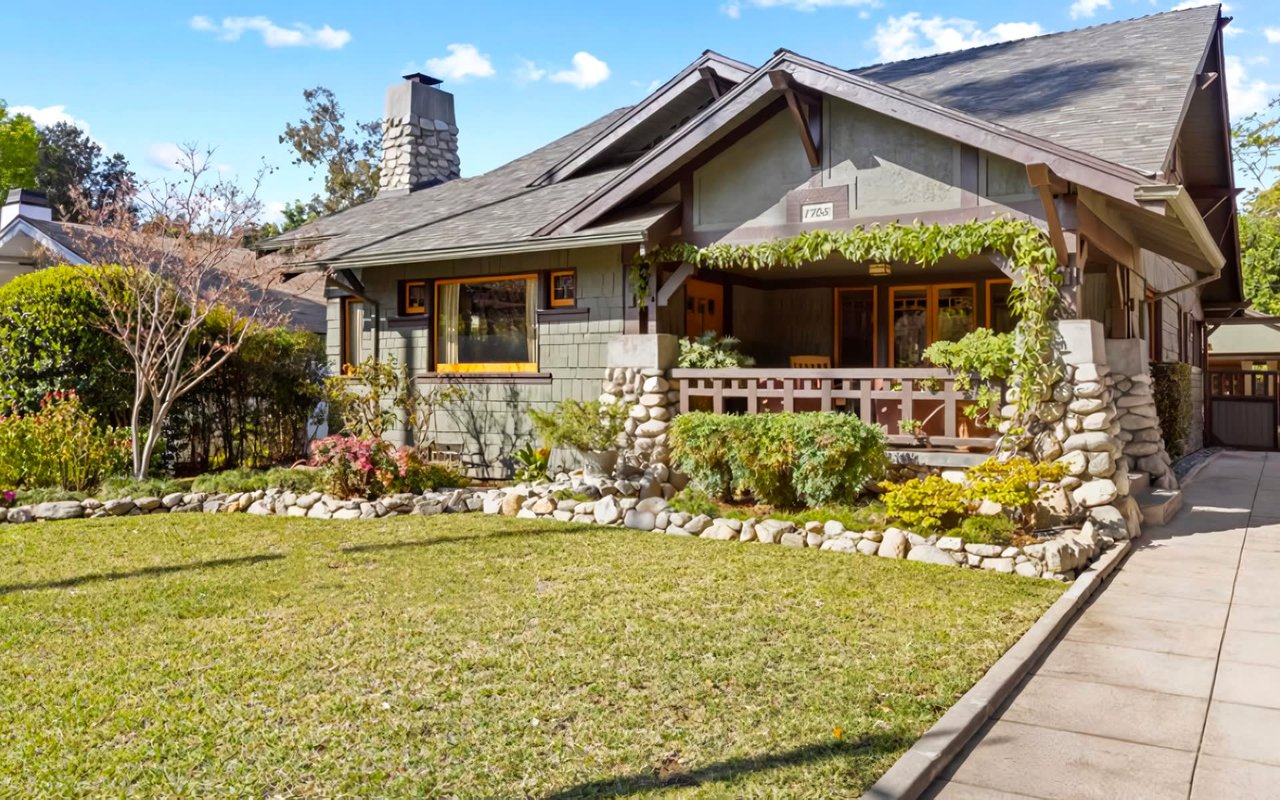
Highland Park was one of the earliest residential subdivisions in the area, with development from the 1880s through the 1920s. Housing styles include Eastlake, Folk Victorian, Shingle, Queen Anne, and later Craftsman homes. Its history as an old streetcar suburb still shapes the area today, especially along the Arroyo Seco and Figueroa corridor.
What you may notice in Eagle Rock, Glassell Park, and Cypress Park
Eagle Rock is known for a wide variety of historic homes, with single-family residential development as a dominant pattern. Commercial activity is concentrated along Eagle Rock Boulevard and Colorado Boulevard, which helps create clear pockets for errands and dining.
Cypress Park and Glassell Park feel more mixed. Planning materials describe early Craftsman single-family homes, bungalow courts, industrial adjacency, and later apartment or infill development in some areas. For you as a buyer, that can mean more housing diversity, but also more block-by-block variation in feel.
Best fit for certain buyers
Northeast Los Angeles often appeals to buyers who want neighborhood-to-neighborhood variety and a more corridor-based urban feel. You may prefer it if you like the idea of strong pockets of character instead of one consistent citywide pattern. It can also be a good fit if architectural variety matters as much as city identity.
Pasadena homes
Broad architecture and preservation
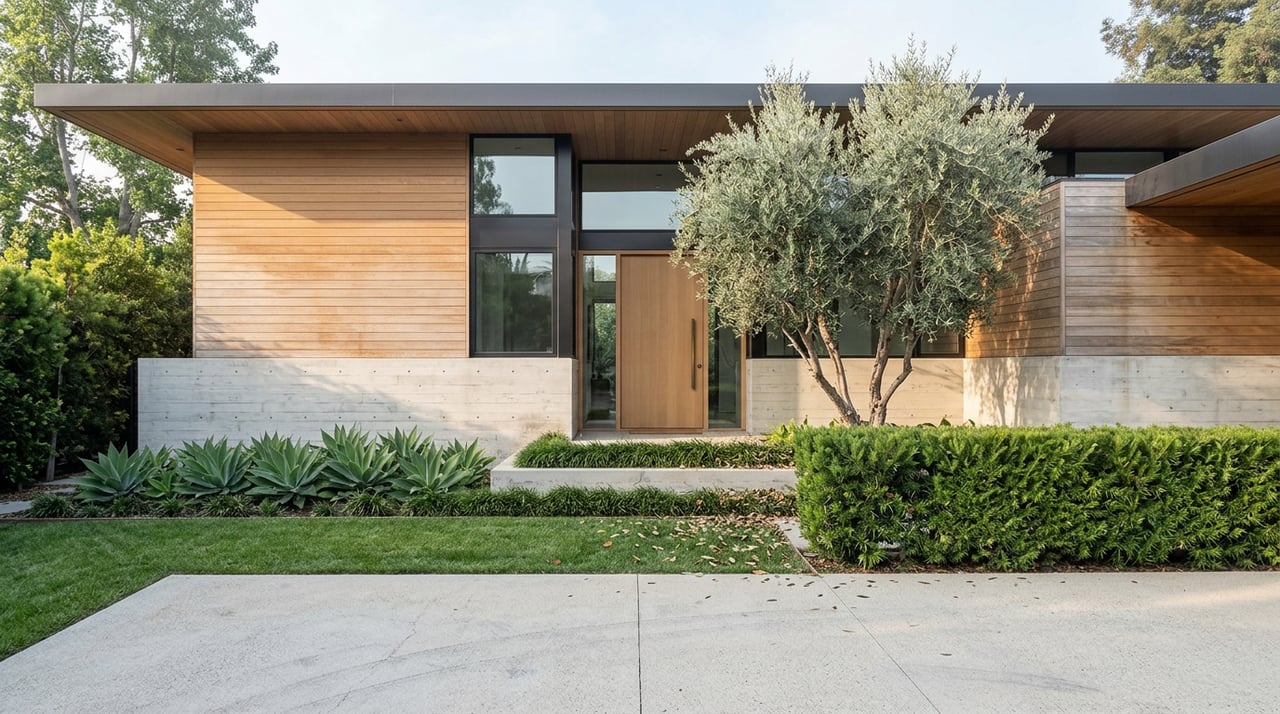
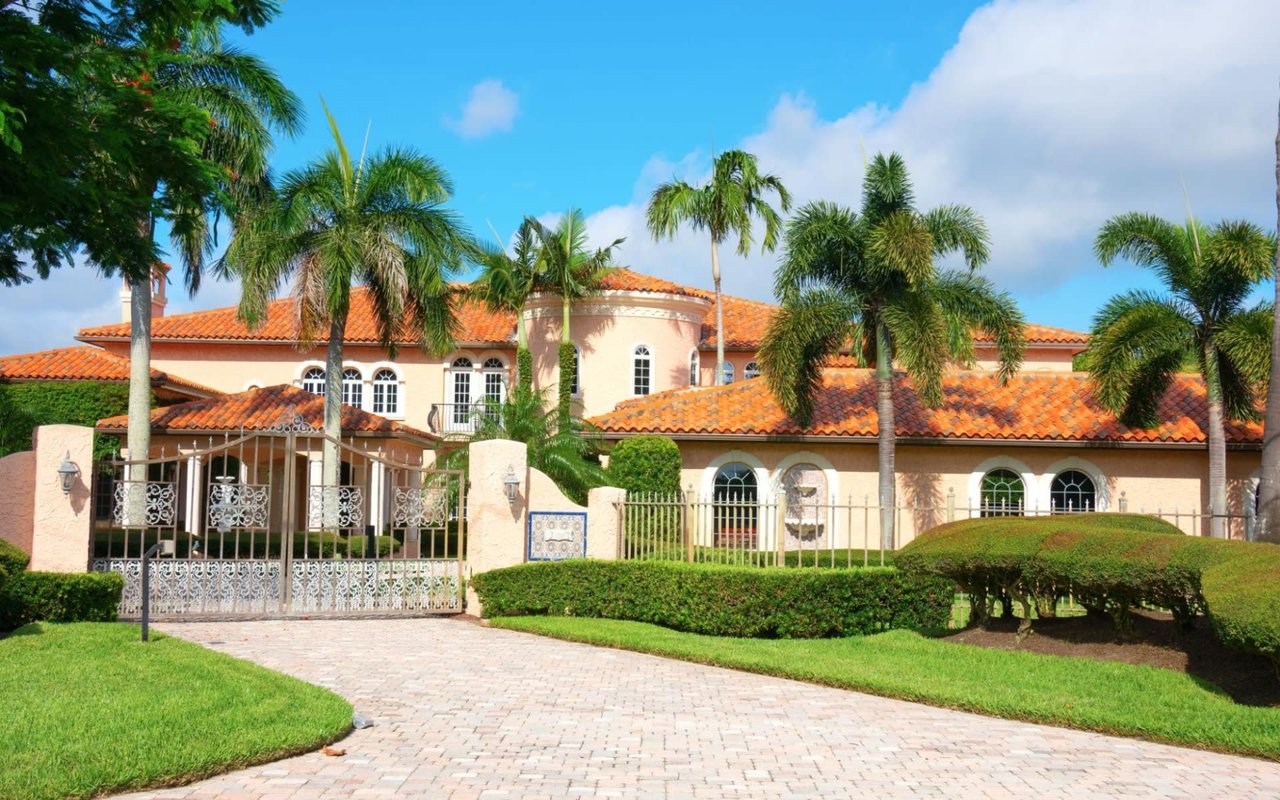
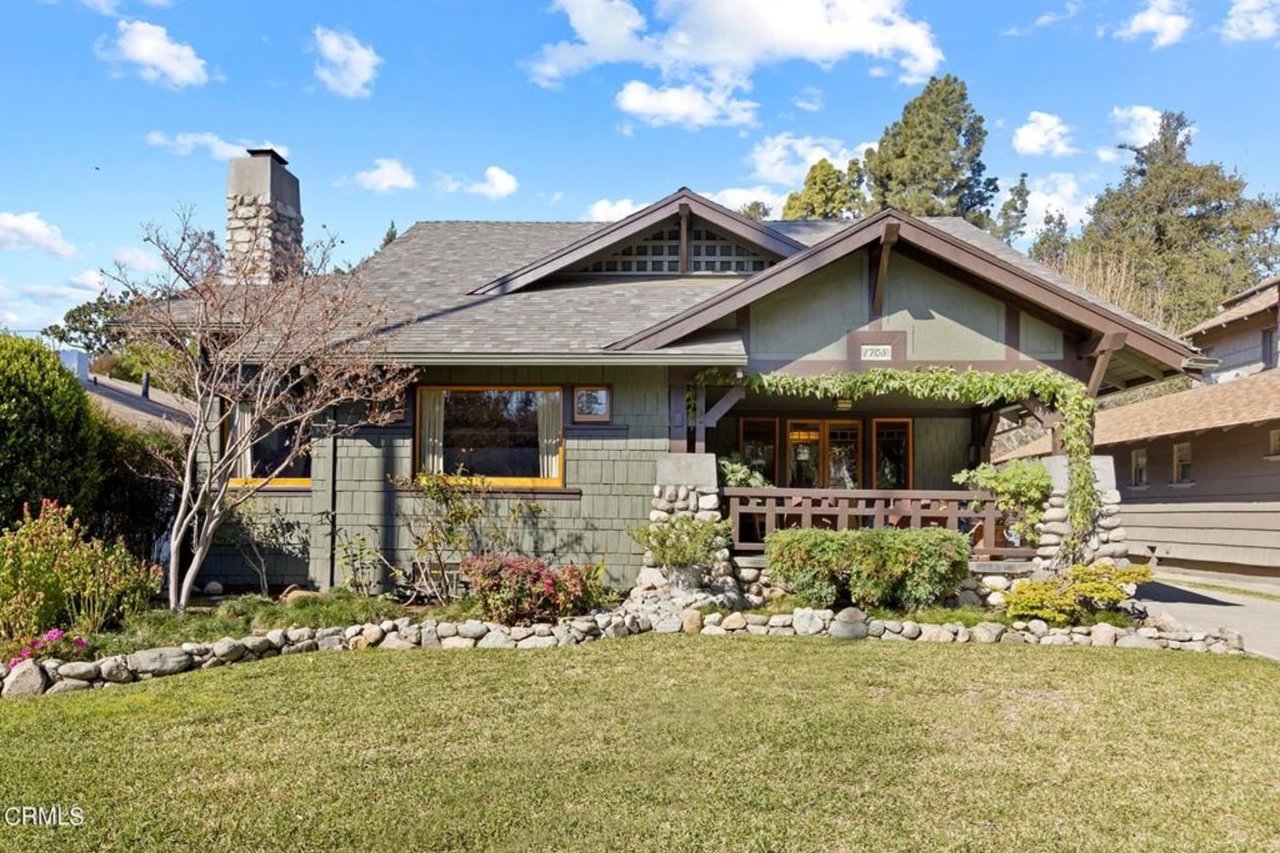
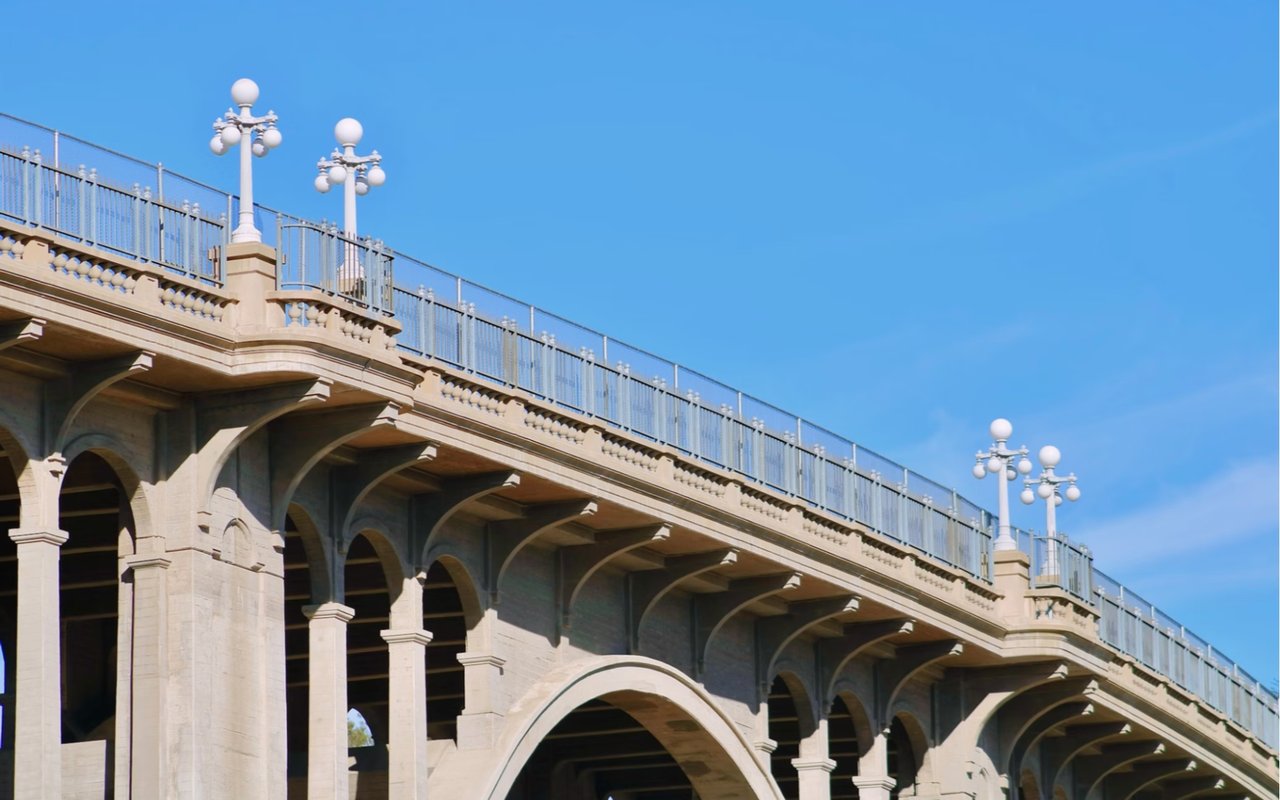
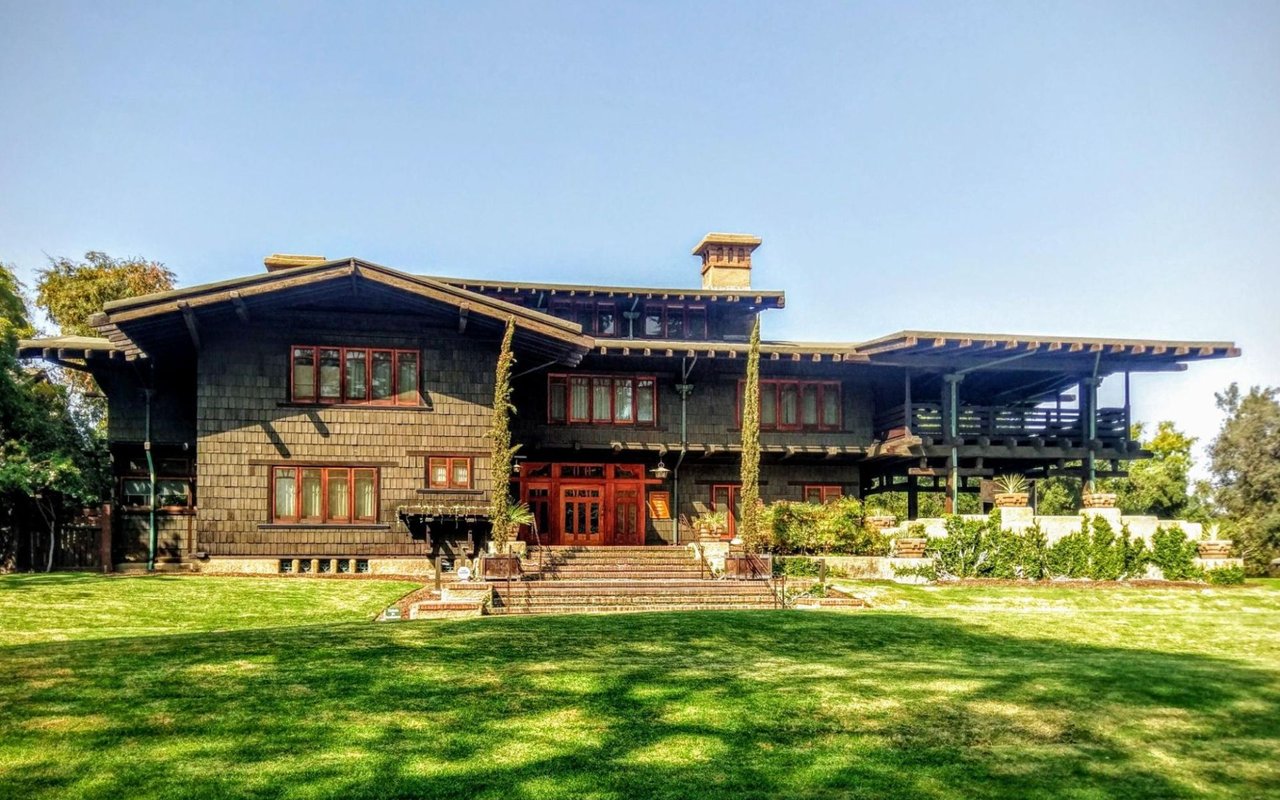
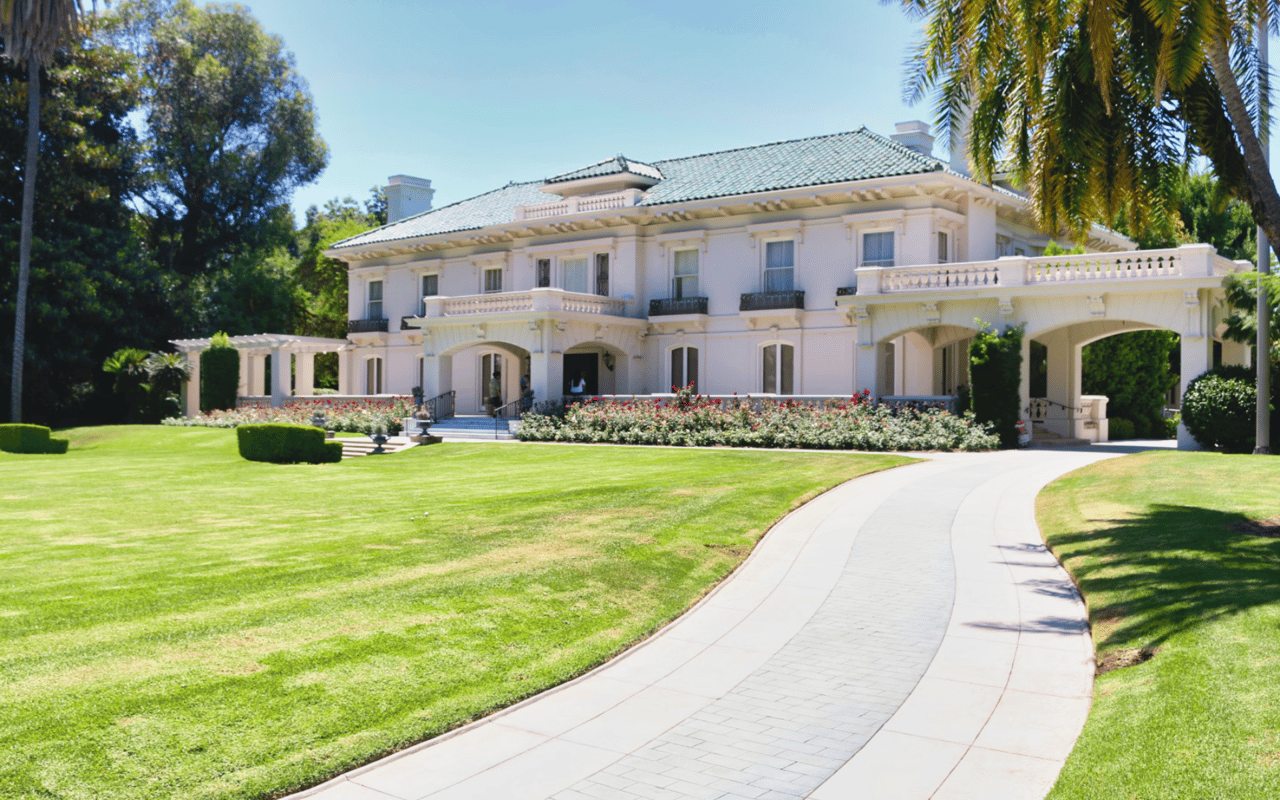
Pasadena offers one of the widest architectural ranges in this comparison. The city's historic context statement notes that Pasadena is widely regarded as a center of architecture in Southern California, and many neighborhoods are already landmark or historic districts. The city has protected historic resources since 1969.
For buyers, that often means you will see a strong connection to early- and mid-20th-century homes. Pasadena is also considered the birthplace of the bungalow court, which adds another layer of housing character not every nearby city offers. For a closer look at the specific styles you'll encounter, see five popular architecture styles in Pasadena.
Styles you are likely to see
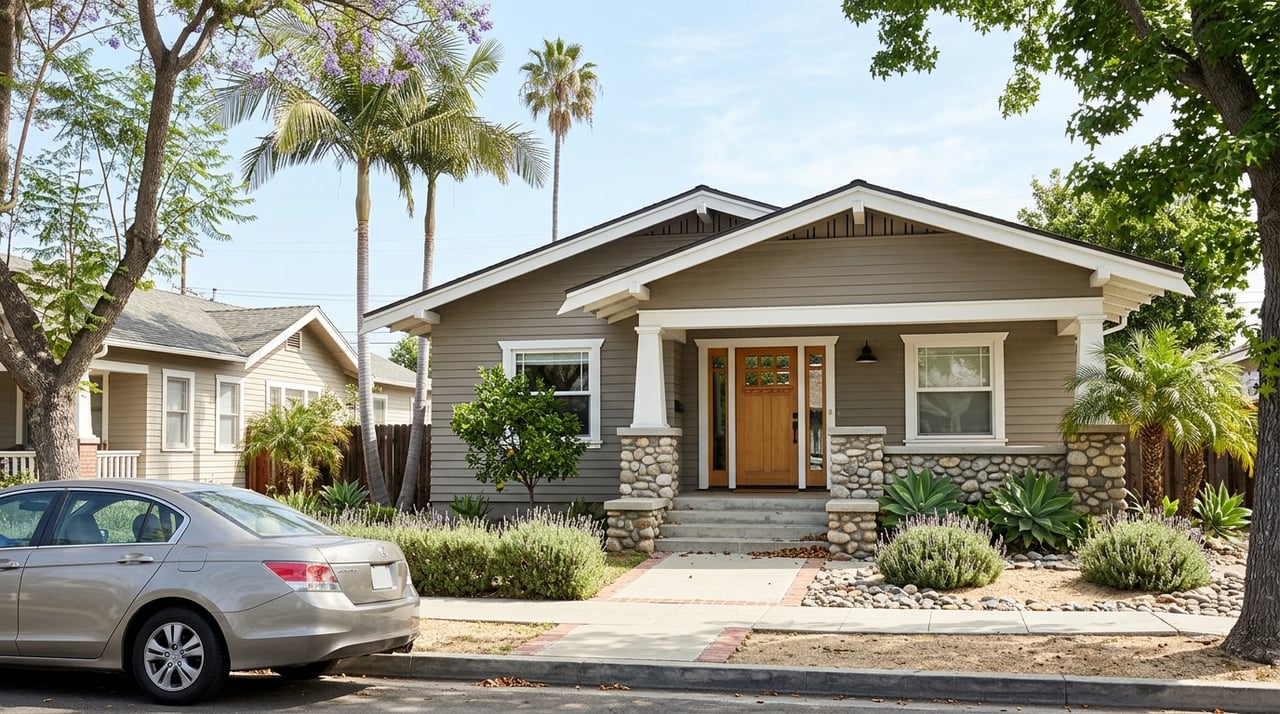
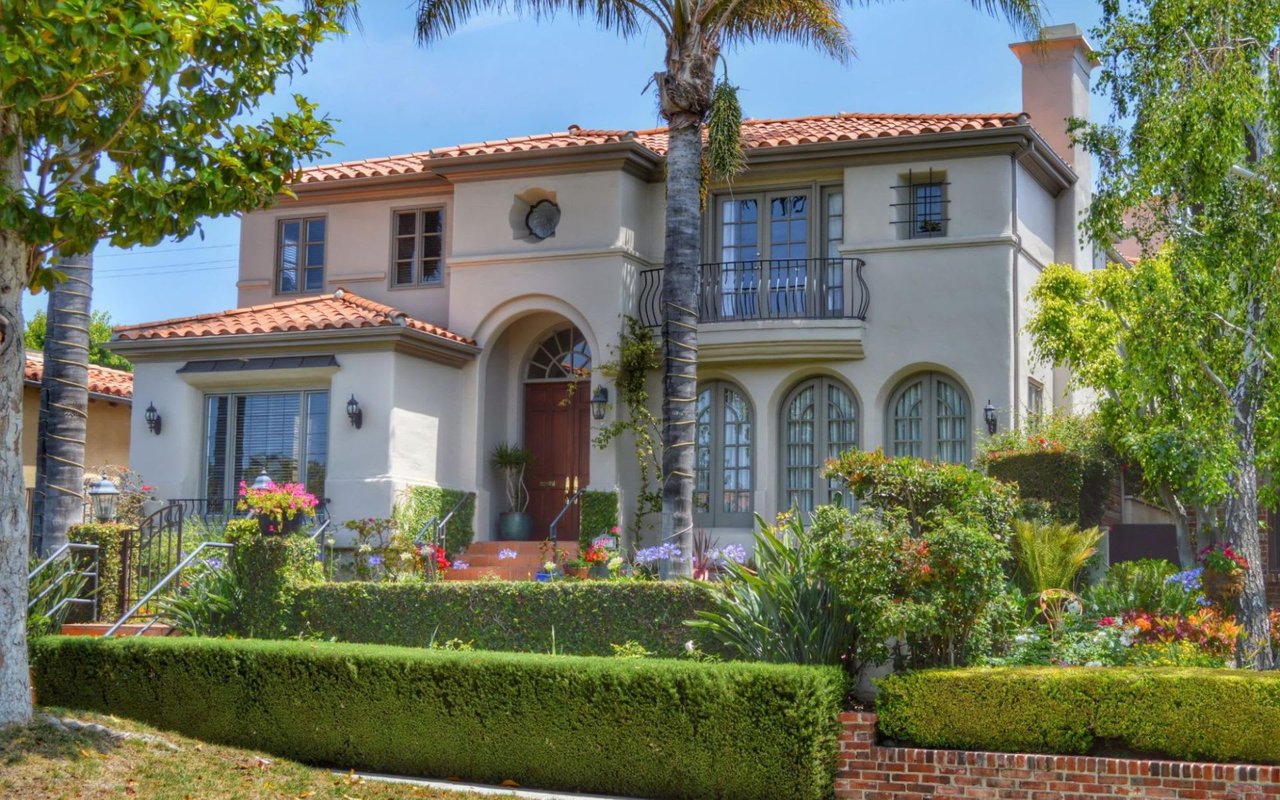
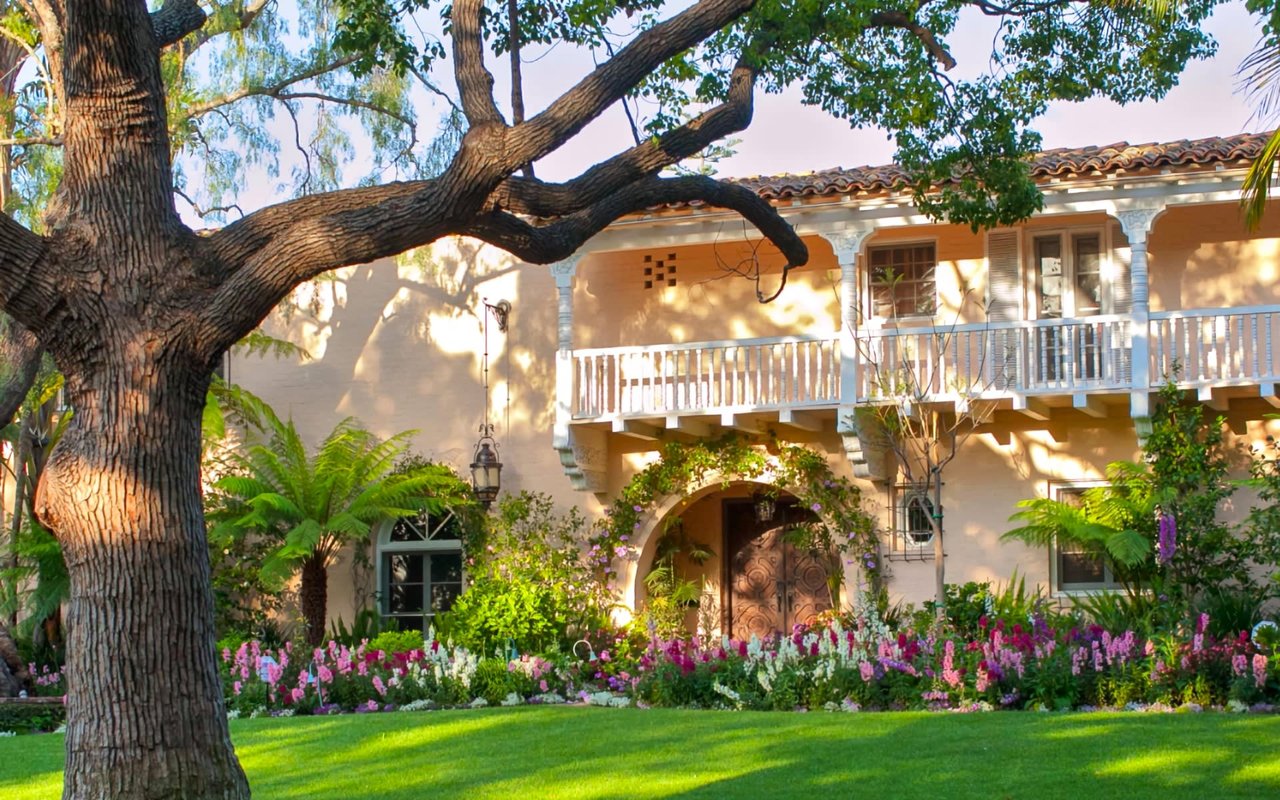
The city's South Marengo walking tour highlights Craftsman, Colonial Revival, Spanish Colonial Revival, California Ranch, Minimal Traditional, and Arts-and-Crafts-influenced homes. That range helps explain why Pasadena can work for buyers with very different tastes. You may be drawn to a classic historic property, or you may simply want a neighborhood with visible architectural depth.
Because Pasadena is a larger city, you also get more variety in how neighborhoods connect to commercial districts and transit. Some areas feel closely tied to downtown amenities, while others feel more residential and spread out. That larger scale can be a plus if you want more choice within one city.
Downtown access stands out
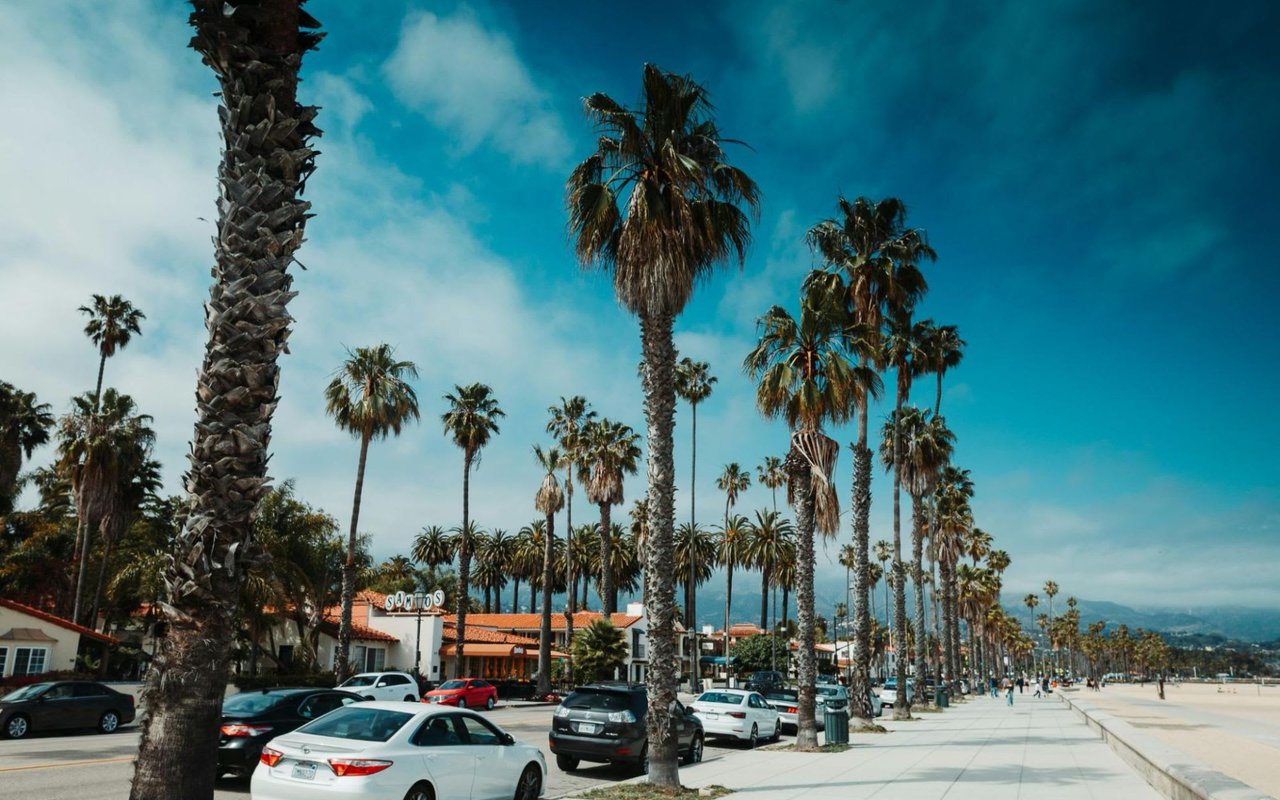
Old Pasadena is the strongest walkability anchor in this comparison. The district spans 22 blocks, includes more than 300 businesses, and is known for pedestrian-friendly streets and historic alleys. If you want a home search centered around a substantial downtown environment, Pasadena has a clear advantage.
South Pasadena homes
Small scale, strong preservation
South Pasadena has a different rhythm. The city describes itself as having a small-town quality, a historic commercial core, and boundaries that are essentially unchanged since incorporation. Many buyers are drawn to South Pasadena because of its many historic homes and the city's well-preserved character. For more on that character, see historic homes in South Pasadena.
About 2,500 properties are listed on the Cultural Heritage Inventory. The city also notes that historic designation mainly affects exterior changes. For you, that can mean a stronger preservation environment than in many nearby markets, especially if maintaining architectural character matters to you.
A more compact daily routine
South Pasadena's walkable core is smaller than Pasadena's, but it is more intimate and residential in feel. The Downtown Specific Plan is intended to preserve historic assets, encourage contextual infill, and support a walkable downtown. The city's Slow Streets program on Mission Street also supports a slower, more local pattern for day-to-day errands.
Because South Pasadena is only 3.41 square miles, the city can feel easier to understand at a glance. That compact scale is a real draw for buyers who want a tighter footprint and a more contained municipal identity.
Who tends to prefer South Pasadena
South Pasadena tends to suit buyers who want the most compact and preservation-heavy setting in this comparison. If you value historic housing and want a city where exterior review and preservation considerations play a visible role, South Pasadena may feel especially appealing.
Commute and transit considerations
Commute times are close overall
Commute numbers can help, but they should be read carefully. Census QuickFacts list Pasadena with a mean travel time to work of 26.9 minutes, South Pasadena at 29.9 minutes, and Los Angeles city overall at 30.7 minutes. These are citywide averages, not promises for a specific property.
In other words, the gap is there, but it is modest. Your actual routine will depend more on your home location, your destination, and whether you plan to drive, take rail, or combine both.
Rail and corridor access matter
Transit access is one place where this comparison gets more practical. Metro station materials for Highland Park, Del Mar, and Allen show rail service and local bus connections, and Metro's light-rail corridor links Highland Park, South Pasadena, and Pasadena. That rail spine is a meaningful advantage if you want regional access without depending entirely on a car.
In Northeast Los Angeles, commute patterns are more corridor-based. Planning materials describe Highland Park along the Arroyo Seco and Figueroa axis, Eagle Rock with access to the Ventura Freeway and Glendale Freeway, and Cypress Park around San Fernando Road and Figueroa. Metro Micro also currently includes service zones for Highland Park, Eagle Rock, Glendale, Altadena, Pasadena, and Sierra Madre, while Metro is planning the North Hollywood to Pasadena BRT corridor through Glendale, Eagle Rock, and Pasadena.
Walkability and daily life
Pasadena offers the strongest downtown center
If walkability means having a substantial downtown district with many businesses and a clear pedestrian environment, Pasadena stands out. Old Pasadena's 22-block footprint and 300-plus businesses create the most complete downtown experience in this group.
That does not mean every Pasadena neighborhood is equally walkable. It means the city has the strongest single walkability anchor, which can shape your housing search if local errands, dining, and street activity matter to you.
South Pasadena feels smaller and steadier
South Pasadena offers a walkable core too, but on a smaller scale. The feel is often more local and residential, with planning built around preserving historic assets and supporting contextual growth. If you want a downtown that feels quieter and more compact, this may be a better match.
NELA has walkable pockets
In Northeast Los Angeles, walkability is more uneven. Planning documents identify pedestrian-oriented areas along York, Glendale, Los Feliz, North Broadway, Huntington, and Eagle Rock, but also note hills, arterials, and mixed-use corridors that can break up a continuous walking pattern.
For many buyers, that means NELA works best when you search by micro-location instead of broad reputation. One pocket may support a very walkable routine, while another nearby area may feel much more car-dependent.
How to choose between them
If you are deciding between these areas, it helps to focus on the kind of day-to-day life you want, not just the home itself. A beautiful property can still feel wrong if the surrounding routine does not fit your priorities.
Here is a simple way to think about it:
- Choose Northeast Los Angeles if you want neighborhood variety, mixed housing types, and strong pockets of character across areas like Highland Park, Eagle Rock, Glassell Park, and Cypress Park.
- Choose Pasadena if you want the broadest architectural range and the strongest downtown amenity cluster, especially around Old Pasadena and the city's historic neighborhoods.
- Choose South Pasadena if you want the most compact city footprint, a strong preservation identity, and a smaller-scale daily rhythm.
Why local guidance matters
On paper, these markets can look similar. In person, the difference between a corridor location, a preservation setting, or a downtown-adjacent block can be significant. That is especially true when you are weighing architecture, transit access, and how much neighborhood consistency matters to you.
A local comparison is often less about finding the "best" city and more about finding the best fit for your priorities. If you want help sorting through the tradeoffs between Northeast Los Angeles, Pasadena, and South Pasadena, The Middleman Team can help you compare options with a clear, measured local perspective, or you can request a free home valuation to see where your current home fits into this picture.
Related reading
FAQs
How do homes in Northeast Los Angeles compare to homes in Pasadena?
- Northeast Los Angeles generally offers more neighborhood-to-neighborhood variety and mixed housing types, while Pasadena offers a broader architectural range within a larger city that also includes a major walkable downtown area.
How do homes in South Pasadena compare to homes in Pasadena?
- South Pasadena is much smaller and tends to feel more compact and preservation-focused, while Pasadena is larger, has more architectural variety, and offers the strongest downtown amenity cluster in this comparison.
Which area has the most historic homes: Northeast Los Angeles, Pasadena, or South Pasadena?
- All three areas have notable historic housing, but Pasadena is widely regarded as a center of architecture in Southern California, and South Pasadena is known for its many historic homes and strong preservation framework.
Which area is more walkable: Northeast Los Angeles, Pasadena, or South Pasadena?
- Pasadena has the strongest single walkability anchor in Old Pasadena, South Pasadena has a smaller walkable downtown core, and Northeast Los Angeles tends to offer walkable pockets rather than one continuous walkable center.
Which area may work best if you want transit access to Pasadena and Los Angeles?
- Highland Park, South Pasadena, and Pasadena all benefit from a rail corridor linking those communities, while parts of Northeast Los Angeles also rely on corridor-based access tied to major streets, freeways, and transit planning routes.