"Every neighbor we've talked to is excited about having live music in walking distance."
That's Kyle Wilkerson, one of the two South Pasadena residents who spent eight years and roughly 150 scouted buildings looking for a permanent home for Sid the Cat Presents, the concert promotion outfit he co-founded with Brandon Gonzalez in 2015. They found it two blocks from the library, in a schoolhouse nobody had used since Jimmy Carter was president.
Most of the coverage of Sid the Cat Auditorium since it opened last December has focused on the obvious story: a scrappy indie promoter that spent a decade booking bands like Big Thief and Phoebe Bridgers into churches, mortuaries and women's clubs finally got a room of its own. That's a good story. It's also not the one that matters if you already live here. The real change isn't that South Pasadena got a concert hall. It's that a single dormant address at 1022 El Centro St now does more work for the neighborhood, on more nights of the week, than it has done at any point in the past 46 years.
Why This Building Sat Empty Longer Than Most Residents Have Lived Here
The site was originally built in 1885 as one of South Pasadena's first schools, rebuilt in 1928, and eventually absorbed into the South Pasadena Unified School District's administrative offices. Its auditorium hadn't hosted a show since 1979. For most of that stretch, the building was functional but closed to the public, the kind of structure people drive past without registering.
Sid the Cat's founders spent three years restoring it, and industry trade outlet USITT reported that the finished 500-capacity room represents the first new venue of its size the San Gabriel Valley has seen in more than 40 years. That's not a marketing line. It reflects how rare it is for a mid-size, all-ages music room to open anywhere in this part of Los Angeles County, let alone inside a building most residents assumed would stay a district office indefinitely.
One Address, Four Businesses
The auditorium is the anchor, but it isn't the only tenant. The same building now houses:
- Sid the Cat Auditorium — the 500-capacity main room, plus an adjoining bar that runs DJ sets nightly, even on nights with no concert booked
- District Brewing Co. — a craft brewer occupying part of the ground floor
- Villa's Tacos — food service in the same complex
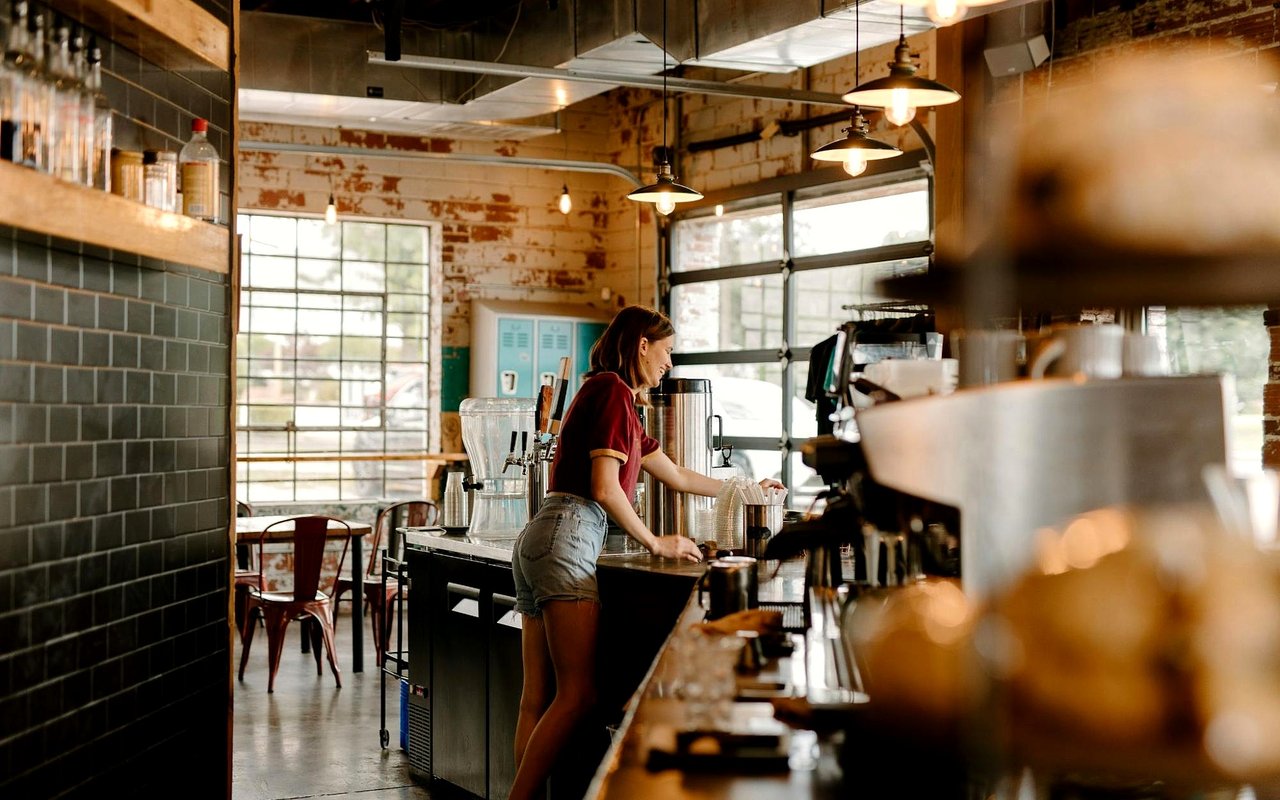
- The Boy and the Bear — a coffee roaster, meaning the building serves coffee in the morning and hosts a sold-out show at night
That combination is the part worth paying attention to. A single address that pulls in a morning coffee run, a weekday beer, and a Thursday concert isn't a nightlife destination in the traditional sense. It's a daily-use corner, the kind that used to require driving into Old Pasadena or Highland Park. Residents now have a reason to walk to El Centro Street on a Tuesday for coffee and come back Thursday for a show, without the trip feeling like an event each time.
All Ages Changes Who Actually Walks In
Most venues this size in Los Angeles are 21-and-over rooms built around bar revenue. Sid the Cat Auditorium is explicitly all ages, with a 21-plus wristband system for guests who want access to alcohol rather than a blanket age cutoff at the door. That's a small operational detail with an outsized effect on who shows up. In a city where the target demographic skews family-oriented and community-involved, an all-ages format means a parent can bring a teenager to a Tuesday night show instead of driving them to a club in Los Angeles proper, or leaving them home. Wilkerson has described South Pasadena as an artist community that wanted a small, independent business in that space rather than another chain. The all-ages policy is the mechanism that actually delivers on that description, since it opens the room to households, not just the 21-plus crowd a typical music venue is built for.
The Murals Nobody Knew Were There
Part of what makes the restoration a genuine local landmark rather than just an adaptive reuse project is what the crew found once they started stripping paneling from the rafters. Ceiling murals by WPA-era artist Lucile Lloyd, long assumed lost, turned up during the renovation. They are reportedly the only four surviving examples of her work at that particular site. Lloyd's other known pieces are scattered around the region, including First Baptist Church in Pasadena, the former South Pasadena Junior High School, and the Stoneman School in San Marino, according to the Pacific Coast Architecture Database. The murals are now on public display inside the auditorium, alongside a plaque that credits her work. It's the kind of detail that turns a renovation into a piece of neighborhood history rather than just a new building on the block.
What a Night There Actually Looks Like Right Now
The practical details matter if you're deciding whether to walk over on a random weeknight. The venue sits at 1022 El Centro St, with the guest entrance on Fairview Street, close enough to downtown that most residents can reach it on foot. There's an on-site parking lot for anyone driving, plus street parking nearby, though the venue asks visitors to be mindful of the neighbors when they park on residential blocks. The room is ADA accessible, and the booking calendar has already run through a run of recognizable indie acts, including Horsegirl, Friko, Cola, and Sweeping Promises, alongside DJ nights that don't require a ticket at all.
The fall calendar keeps that pace going. Damien Jurado is booked for October 9, one of several dates the venue has confirmed on its own site for the coming weeks. It's a fitting example of the room's identity: not an arena tour stop, but a songwriter who's spent decades building a devoted following, playing to 500 people in a converted schoolhouse a short walk from where most of them live.
There's also a detail that says something about how the founders think about the space day to day. The auditorium floor doubles as a pickleball court when there's no show, complete with the Sid the Cat logo painted at center court. The founders reportedly wanted a basketball court but settled on pickleball because of space constraints. It's a small thing, but it fits a venue that was built by two people trying to make a room that serves the neighborhood on nights when nothing is even booked.
Why This Is Worth Knowing If You've Lived Here for Years
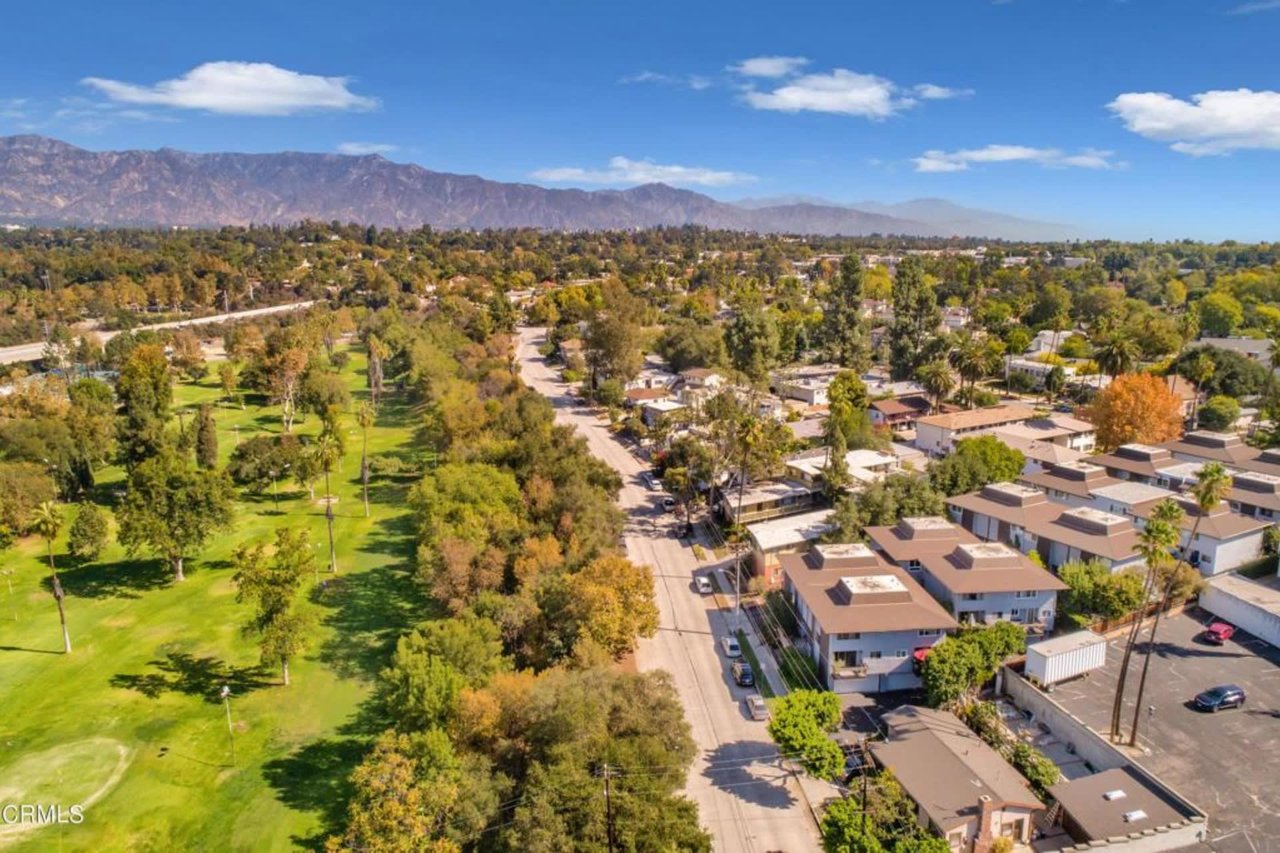
South Pasadena's daily rhythms don't change often. A new restaurant opens, a familiar shop closes, and most of it settles into the background within a season. What happened at 1022 El Centro is different because it didn't just add one business. It reactivated a building that had been functionally invisible for almost half a century and turned it into something residents can use several different ways across a single week. Whether that means a coffee stop before work, a beer after it, or a Thursday show with your kid in tow, the corner behaves less like a single new business and more like a small addition to the neighborhood's infrastructure.
That's worth noticing even if you have no plans to sell your house anytime soon. Local knowledge like this, the kind that shows up in conversation before it shows up in a listing description, is exactly what The Middleman Team tracks across South Pasadena and the surrounding San Gabriel Valley. If you're ever curious what a change like this means for your own home's story, or you just want a second opinion on where the neighborhood is headed, reach out any time to request a free home valuation.