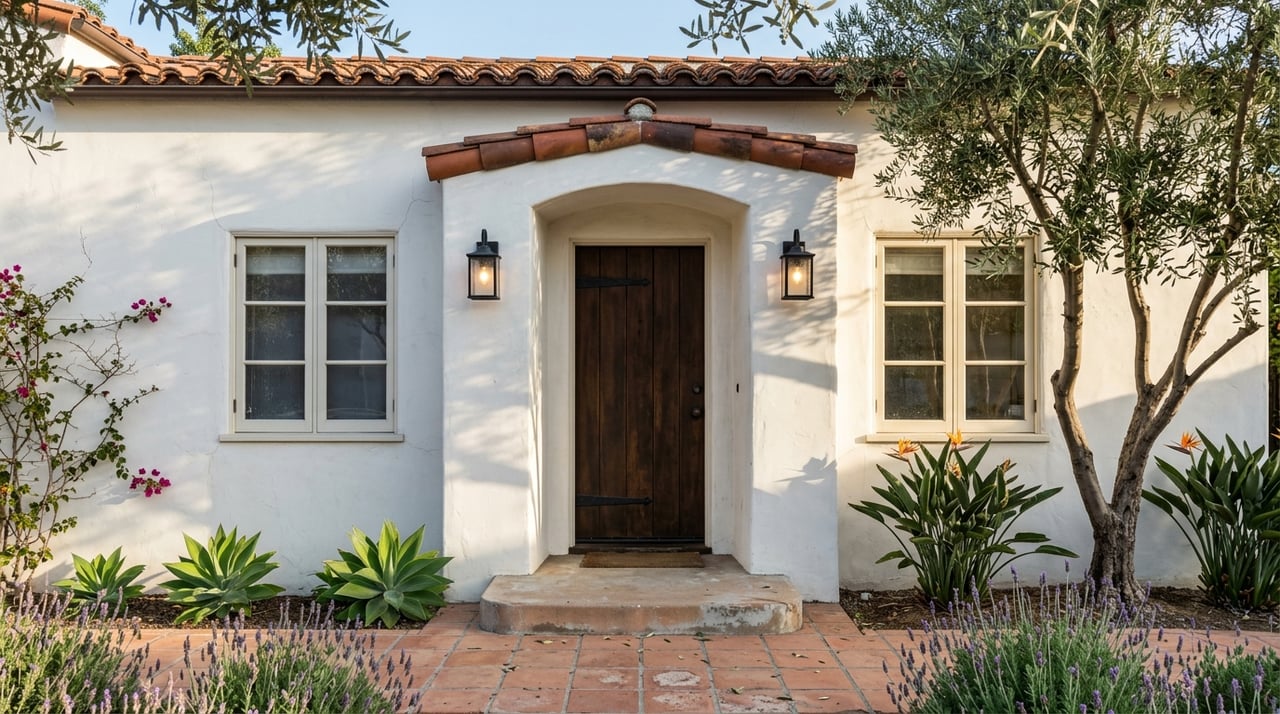
If you love homes with real personality, Pasadena can feel like a rare find. Few cities in Southern California offer this much architectural variety, this many preserved neighborhoods, and this strong a culture of historic stewardship. If you are thinking about buying, relocating, or simply narrowing down where you want to live, this guide will help you understand how Pasadena’s historic neighborhoods differ and what daily life can look like in each one. Let’s dive in.
Why Pasadena Stands Out
Pasadena has one of the richest historic-house landscapes in the region. The city says it has more than 200 individually designated historic sites and 26 historic neighborhoods, while its draft citywide historic context statement identifies 28 local Landmark Districts and 21 National Register historic districts.
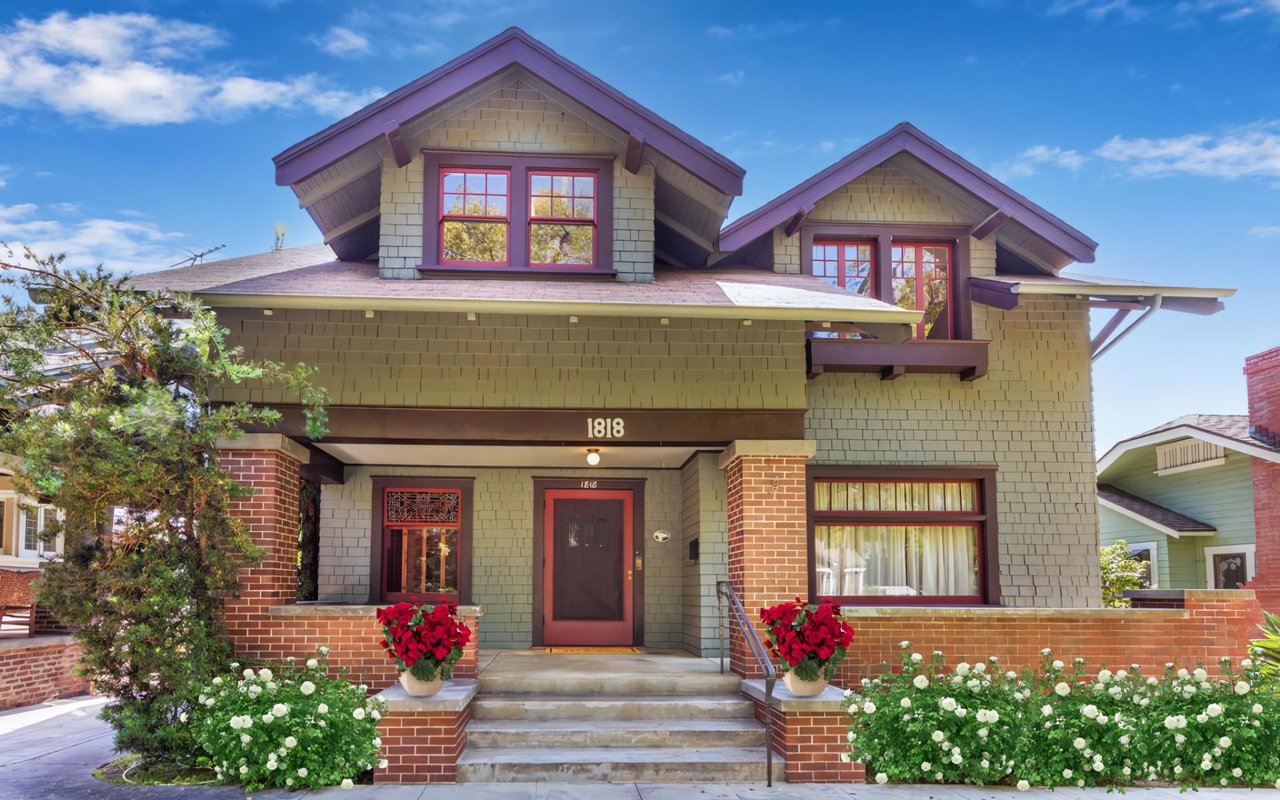
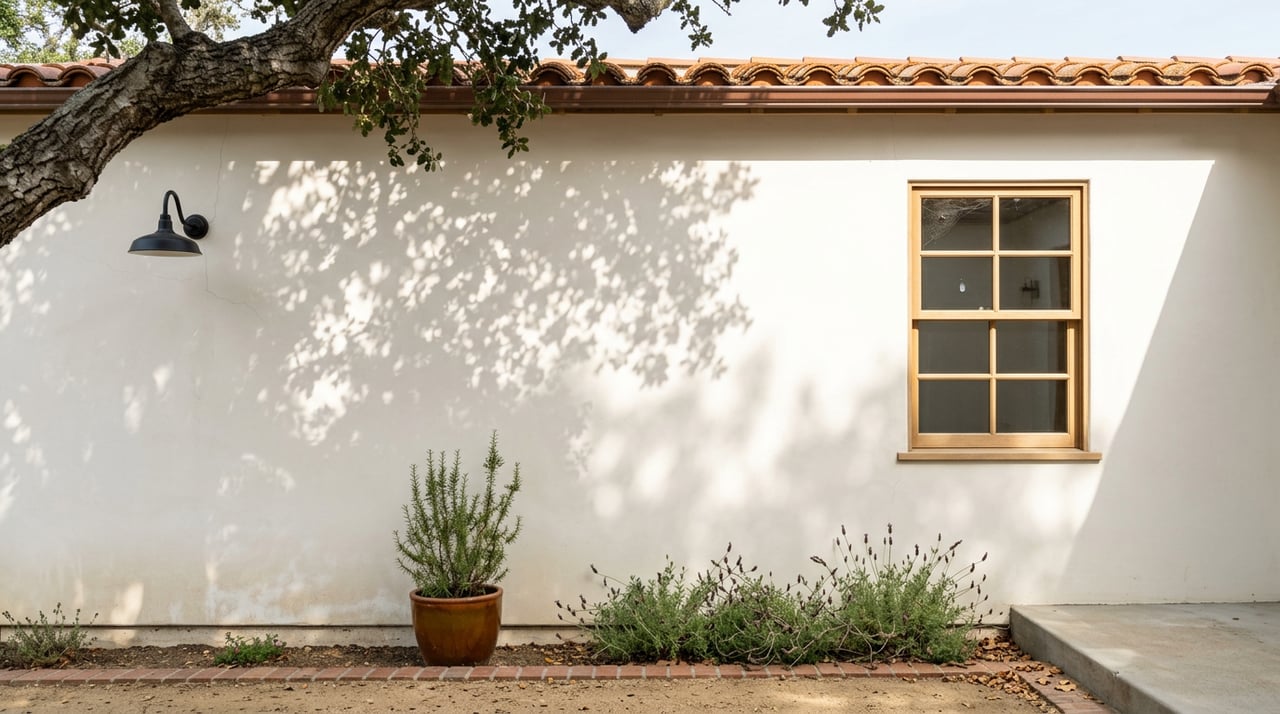
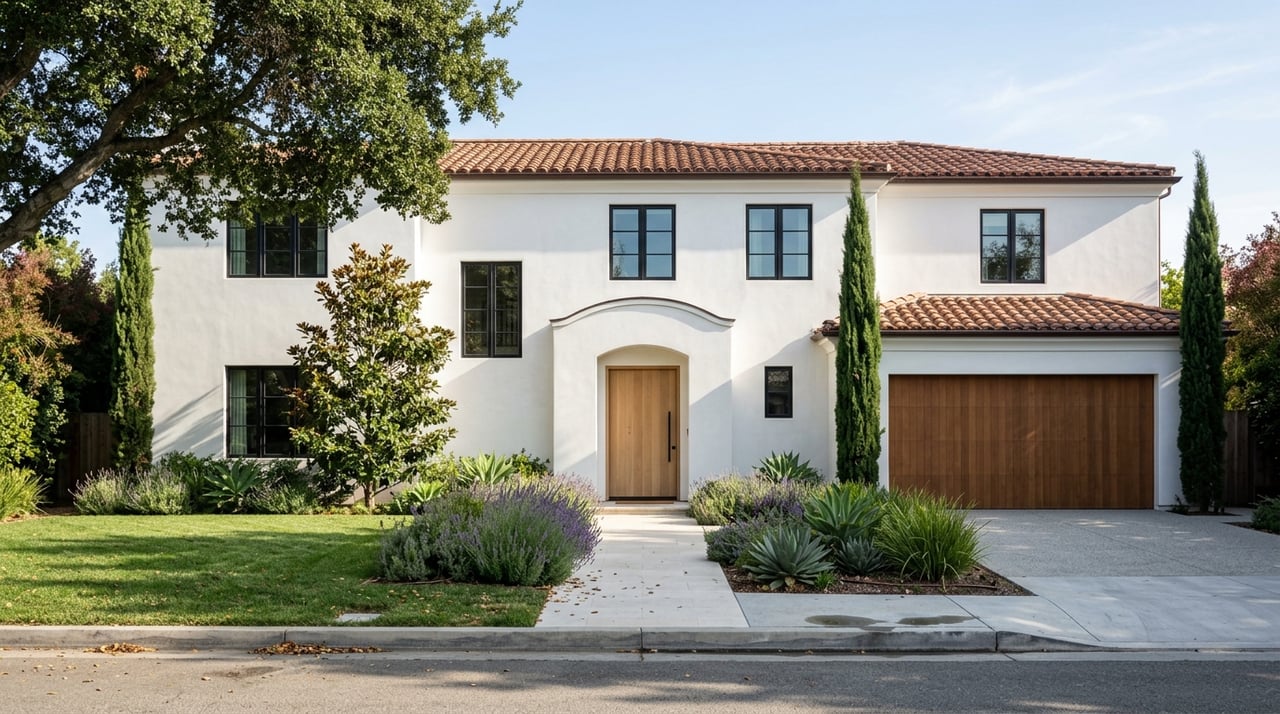
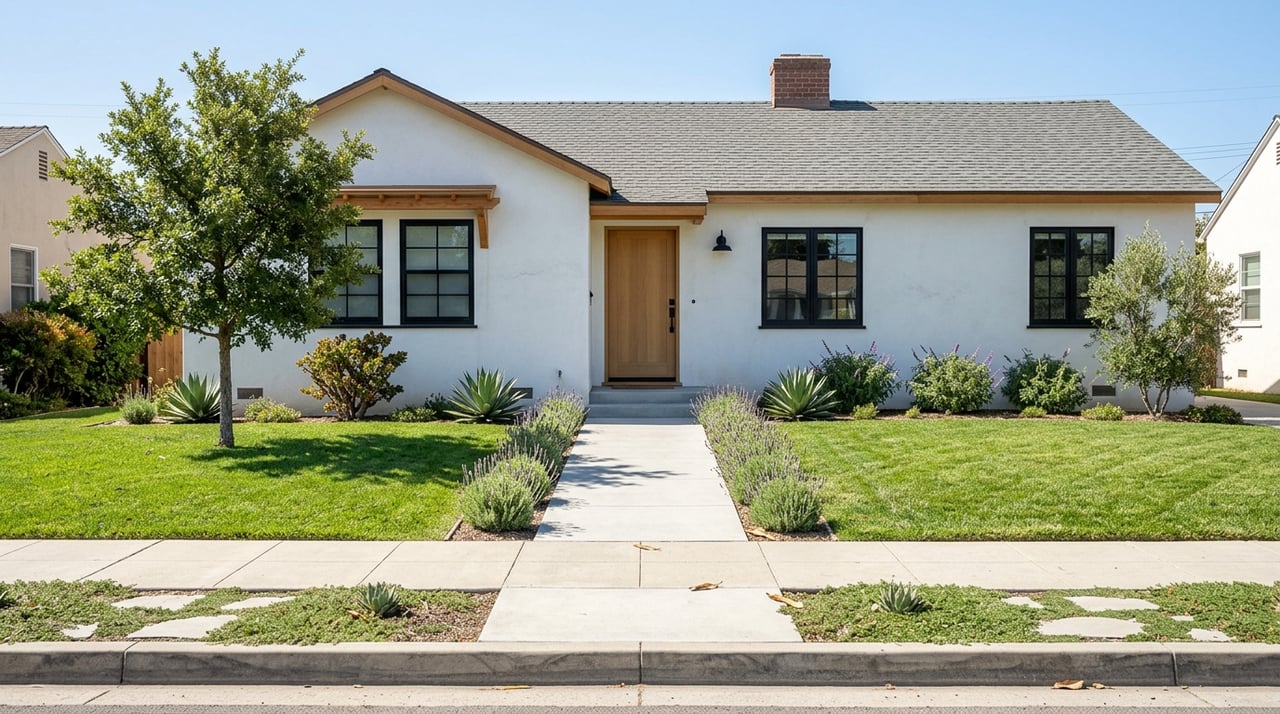
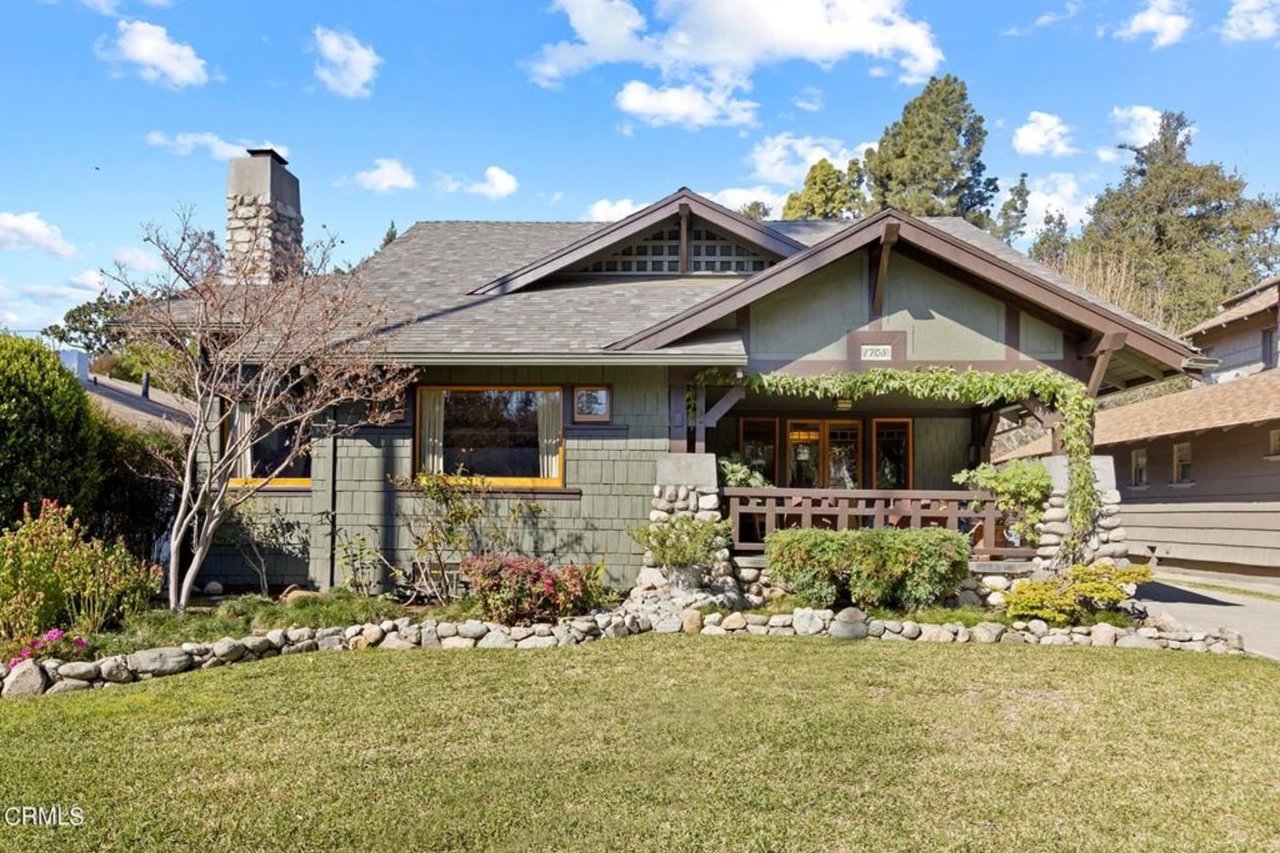
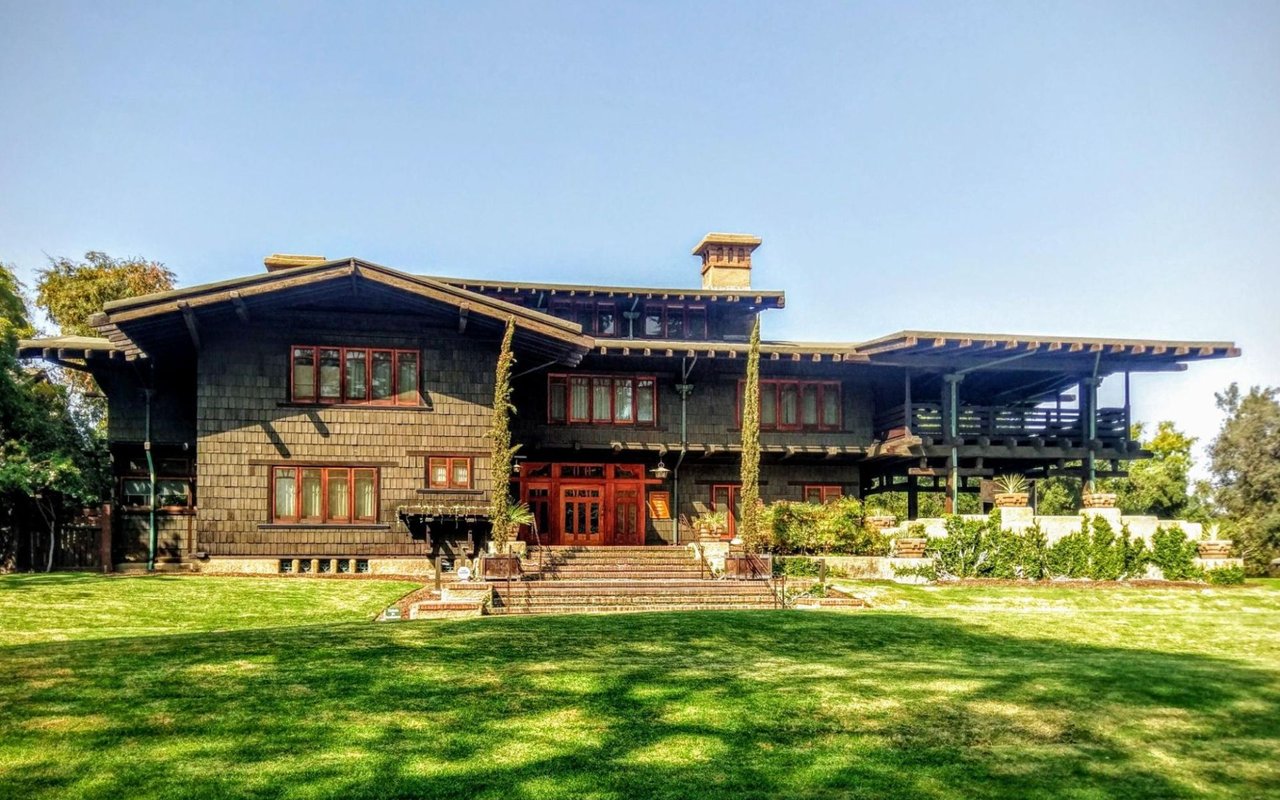
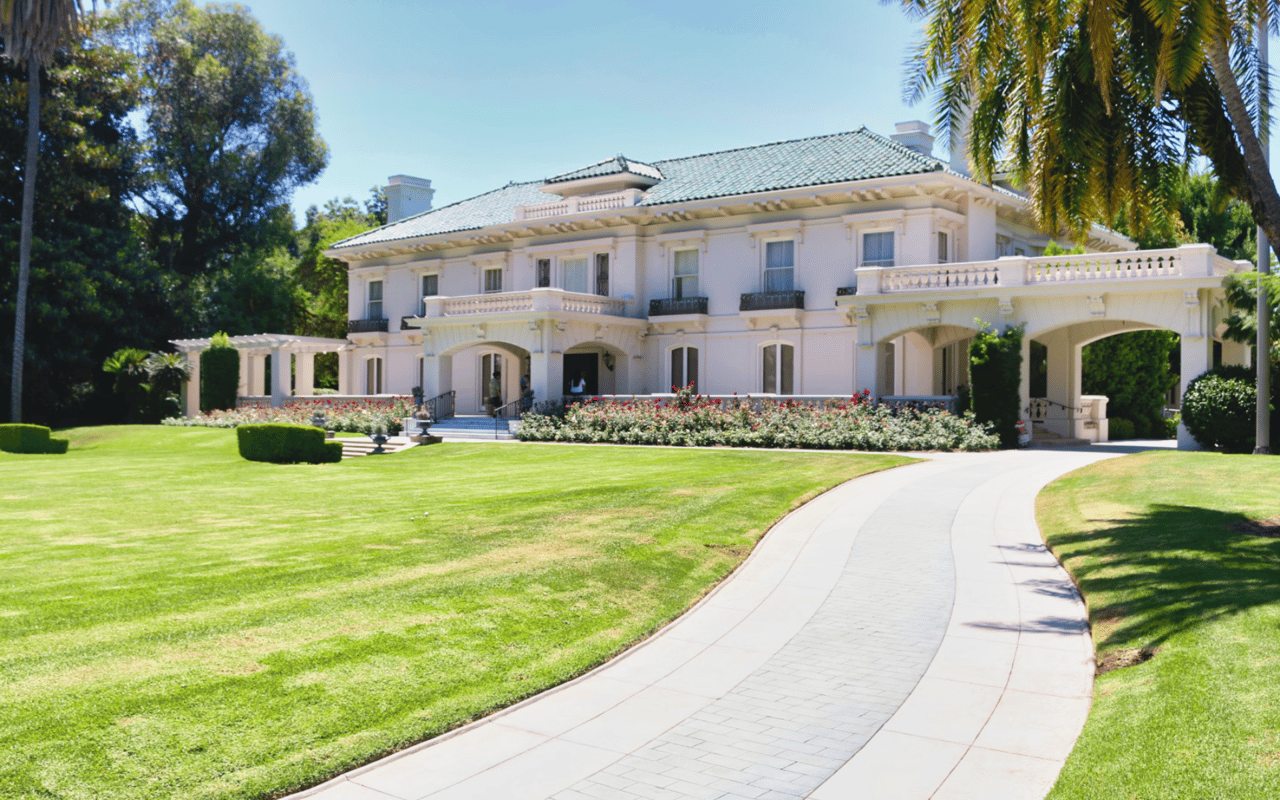
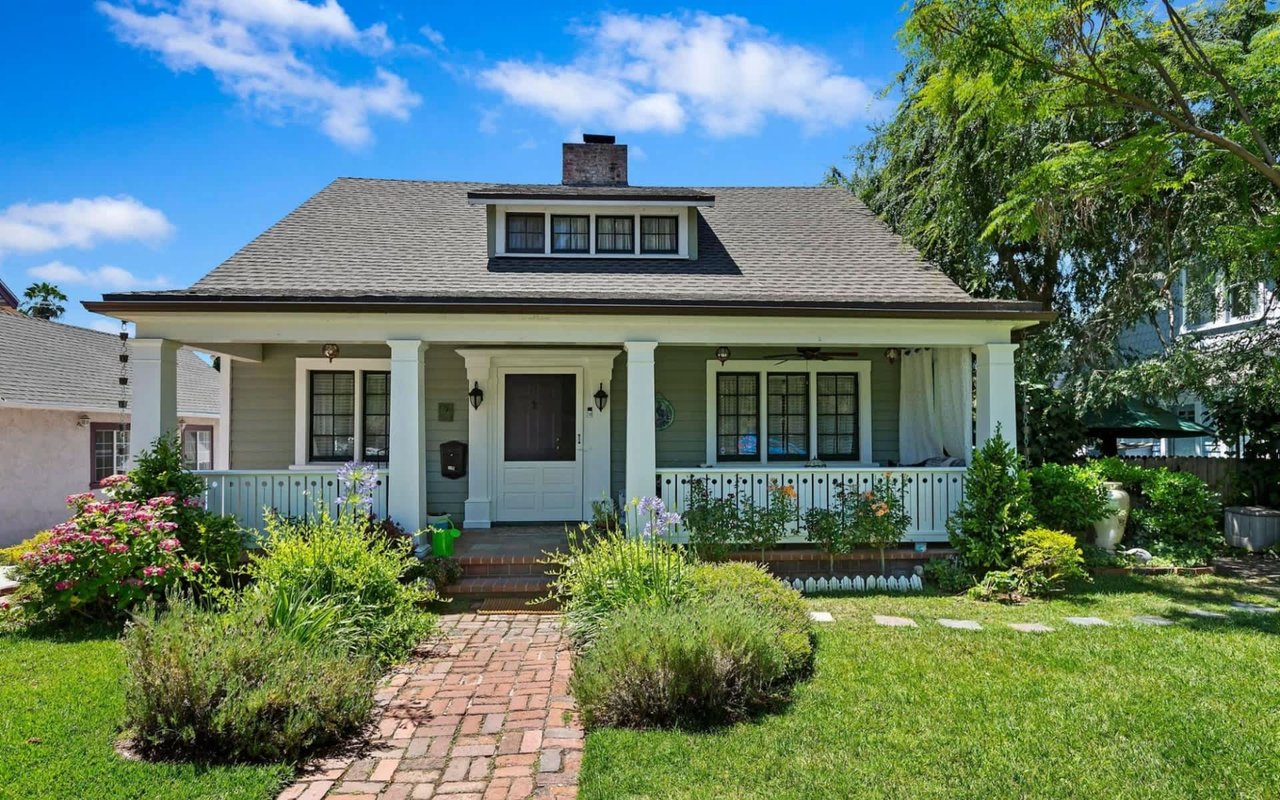
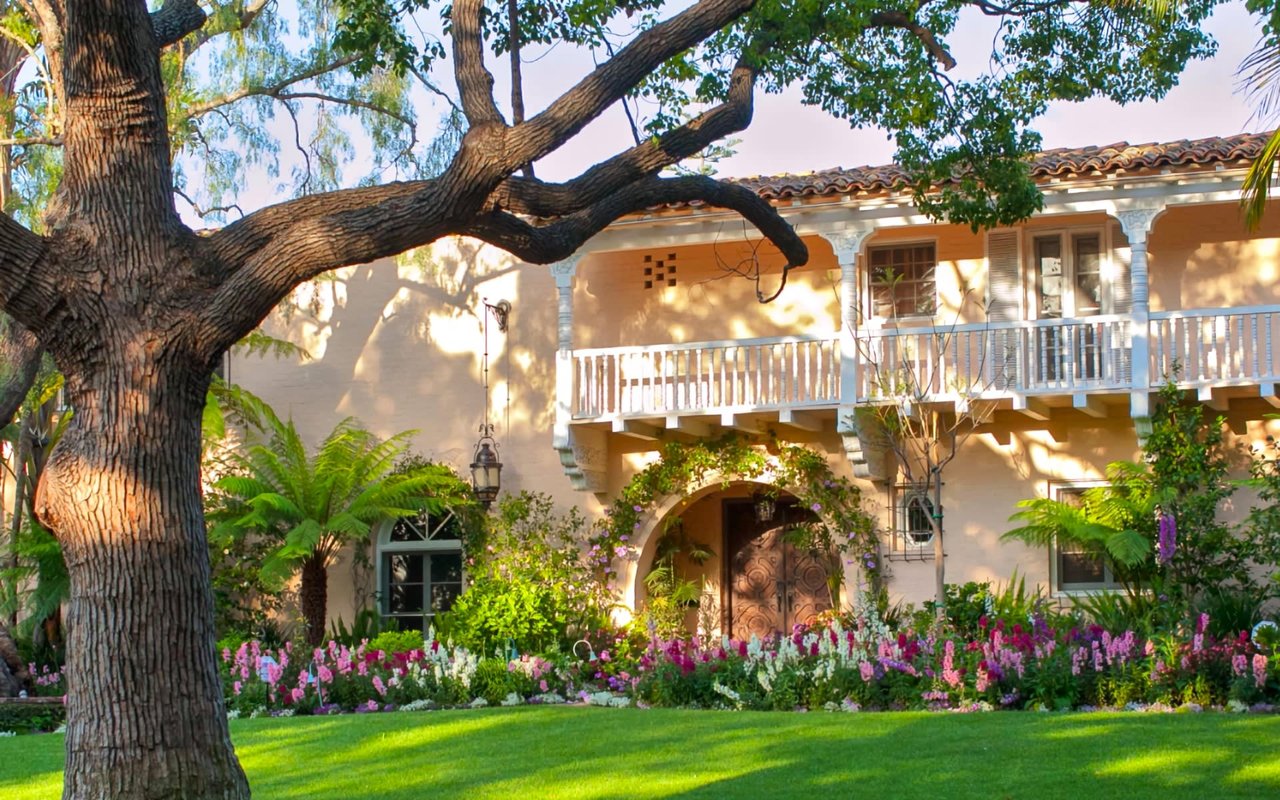
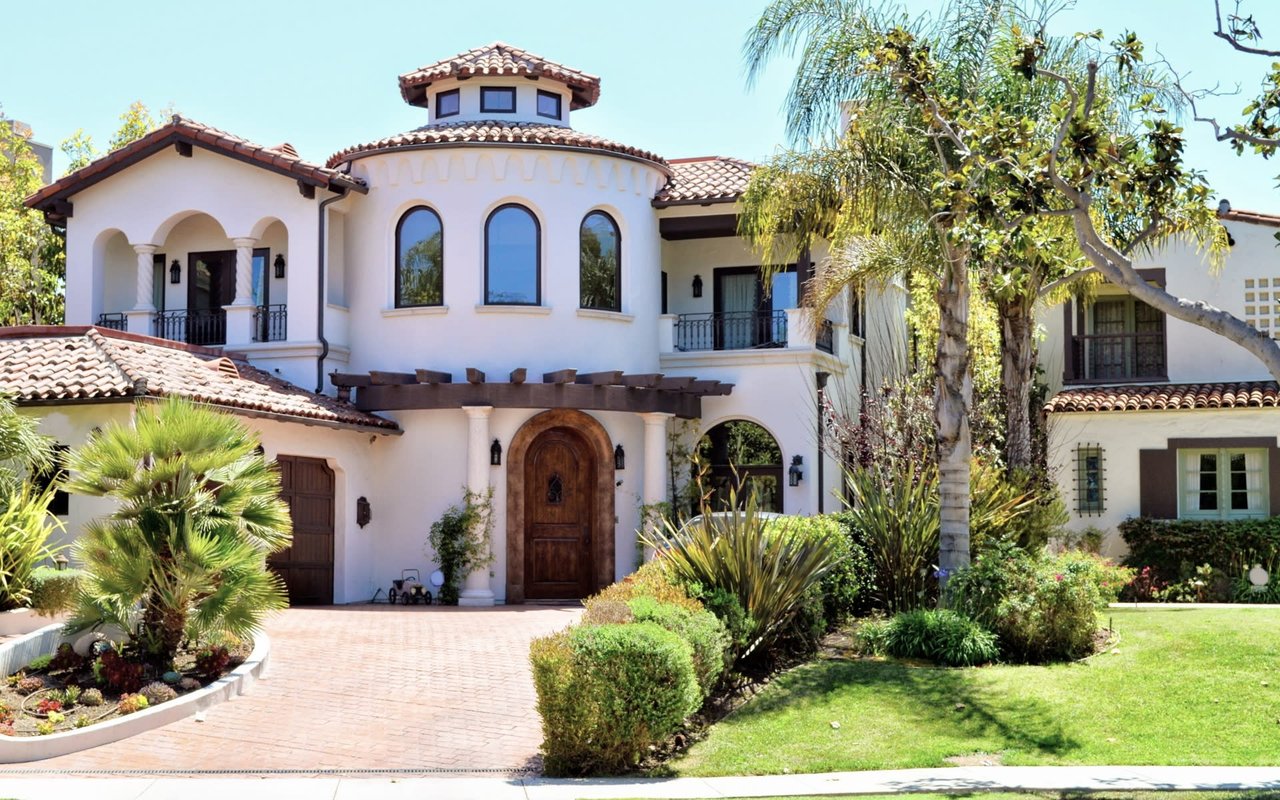
That depth matters because “historic Pasadena” is not just one look or one lifestyle. You will find late Victorian homes, American Foursquares, Craftsman houses, California bungalows, Tudor Revival residences, Spanish Colonial Revival homes, Mediterranean and Italian Renaissance Revival properties, plus early modern and postwar styles.
In simple terms, living in one of Pasadena’s historic areas can mean very different things depending on where you land. You might picture a compact bungalow on a tree-lined street, a larger estate-style property on a generous lot, or an urban historic district close to dining, culture, and transit.
Three Historic Lifestyle Types
One of the easiest ways to understand Pasadena’s historic neighborhoods is to group them by lifestyle. Broadly, buyers tend to see three categories: bungalow-heavy residential districts, older larger-lot neighborhoods, and walkable urban historic cores.
Each category offers a different mix of architecture, pace, and day-to-day convenience. That is why the right fit often comes down to how you want to live, not just what style of home you prefer.
Bungalow-Focused Historic Districts
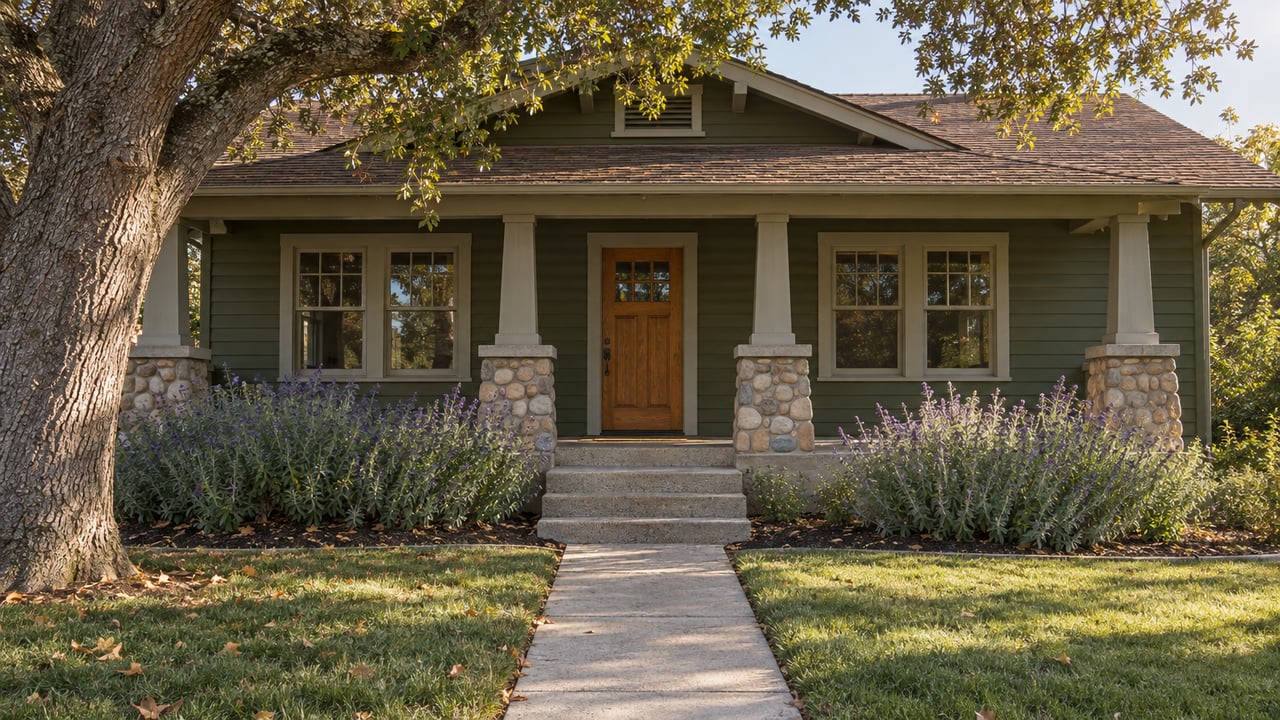
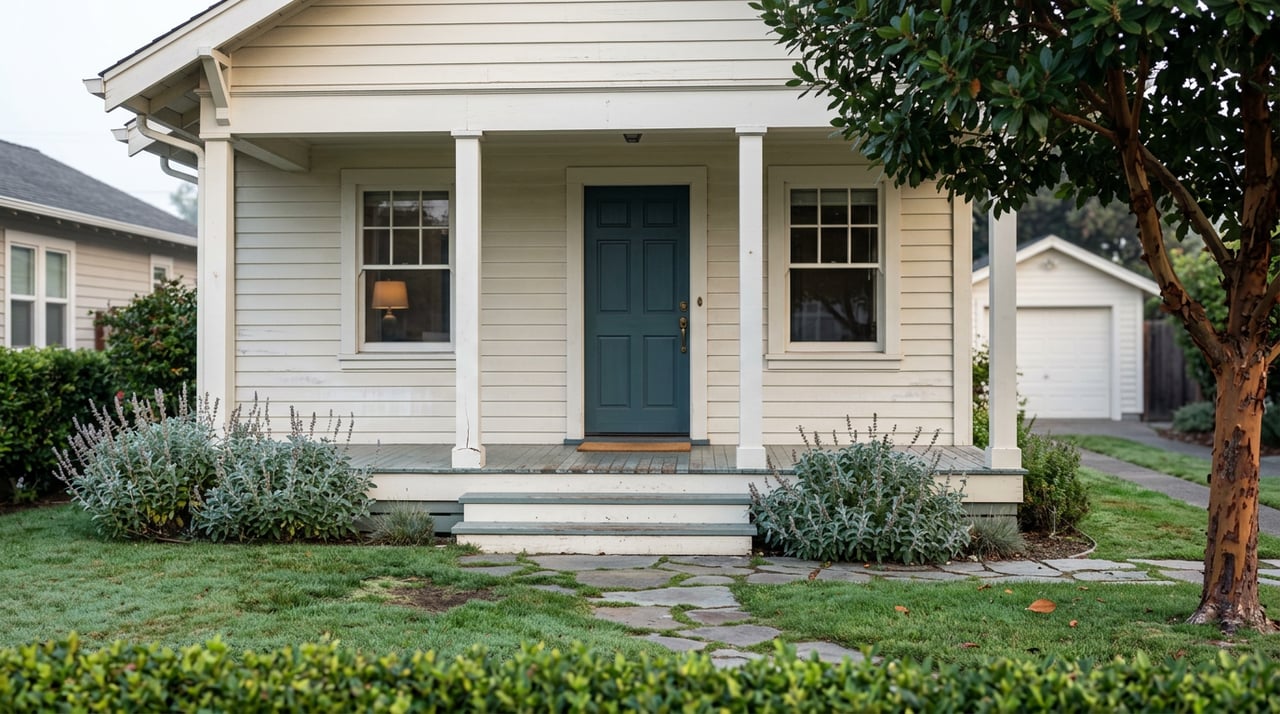
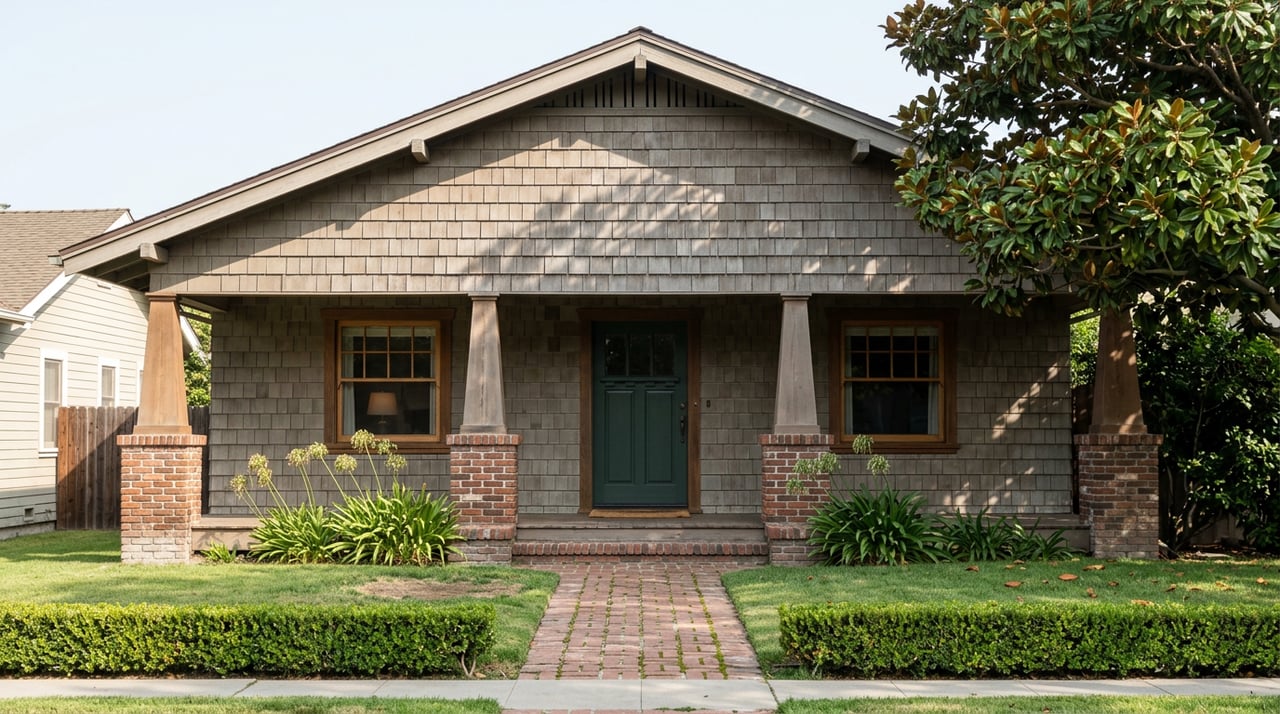
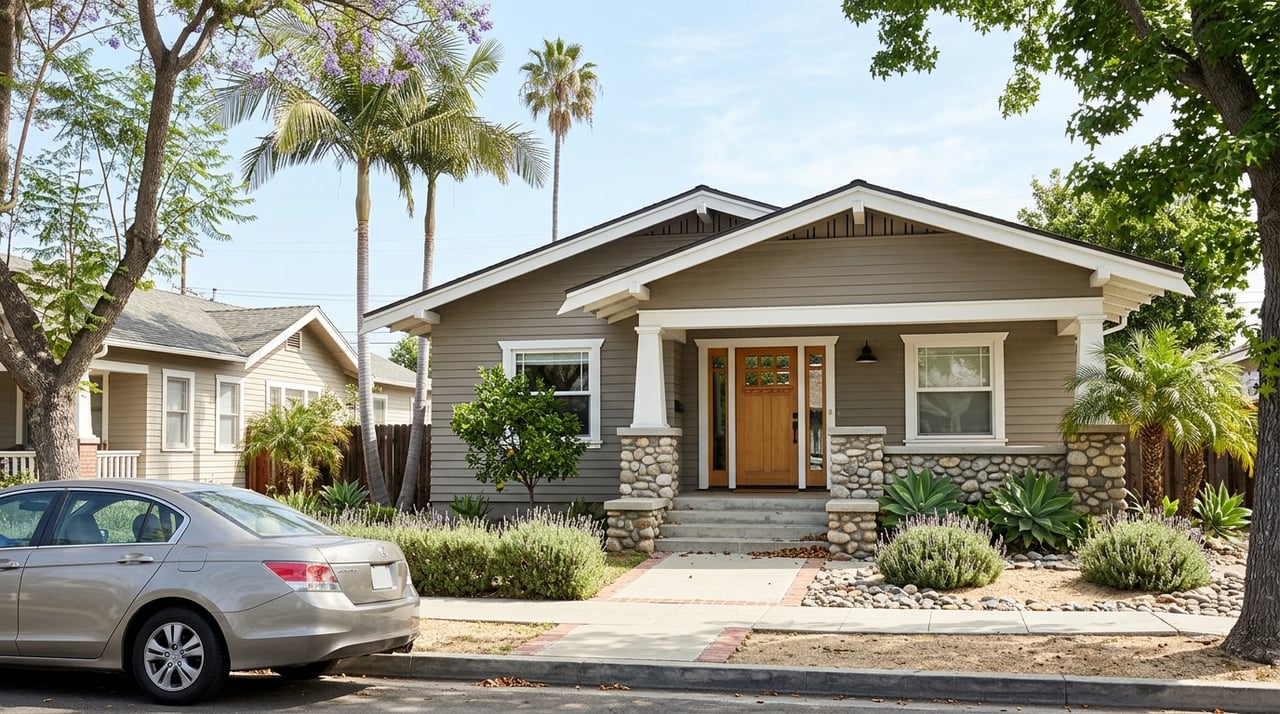
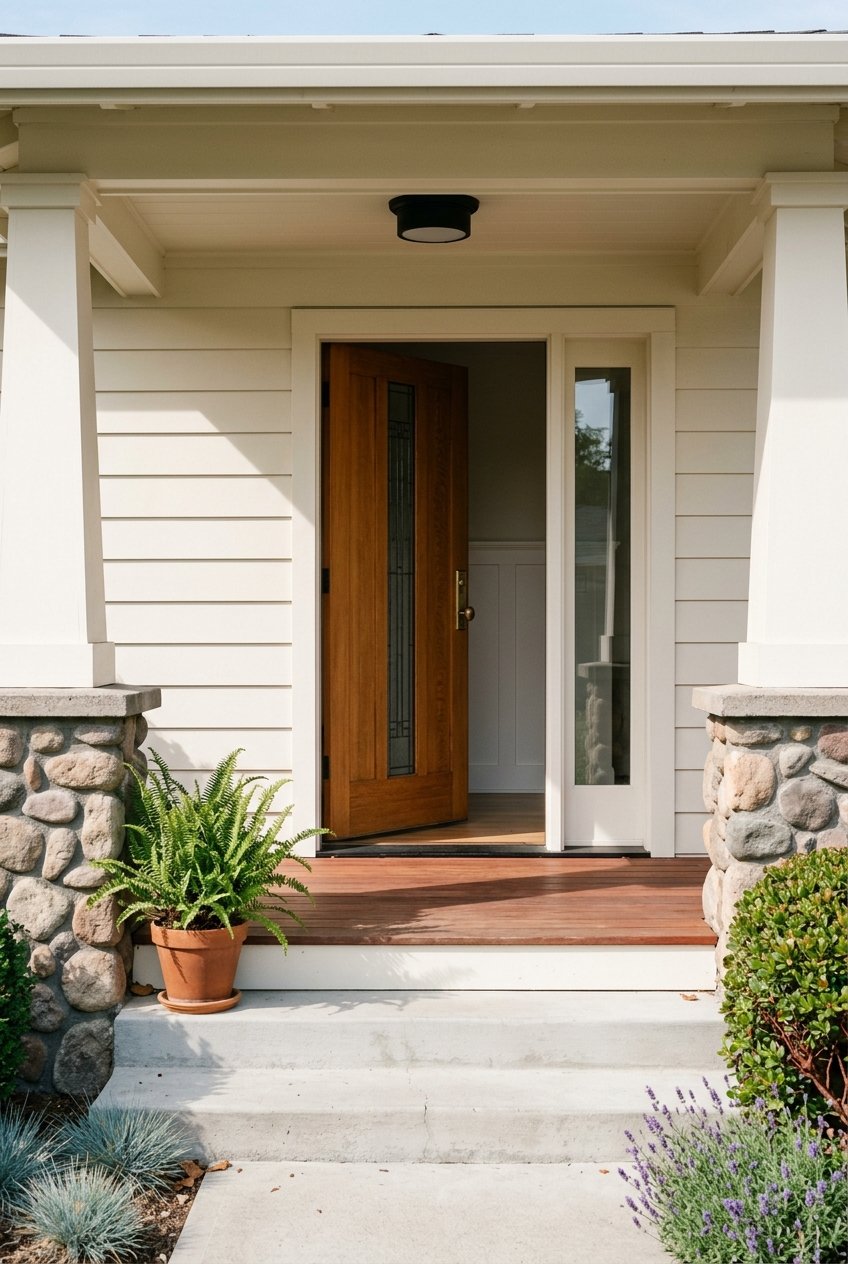
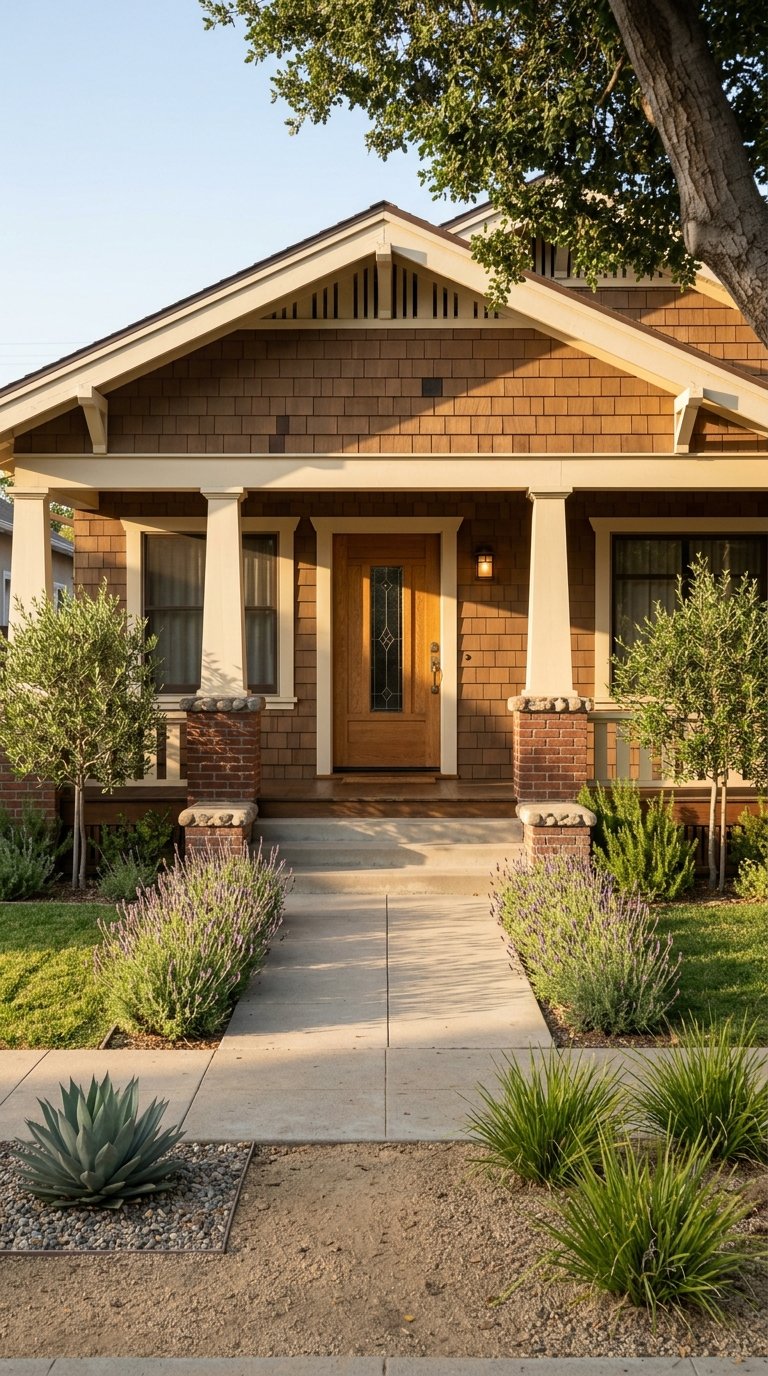
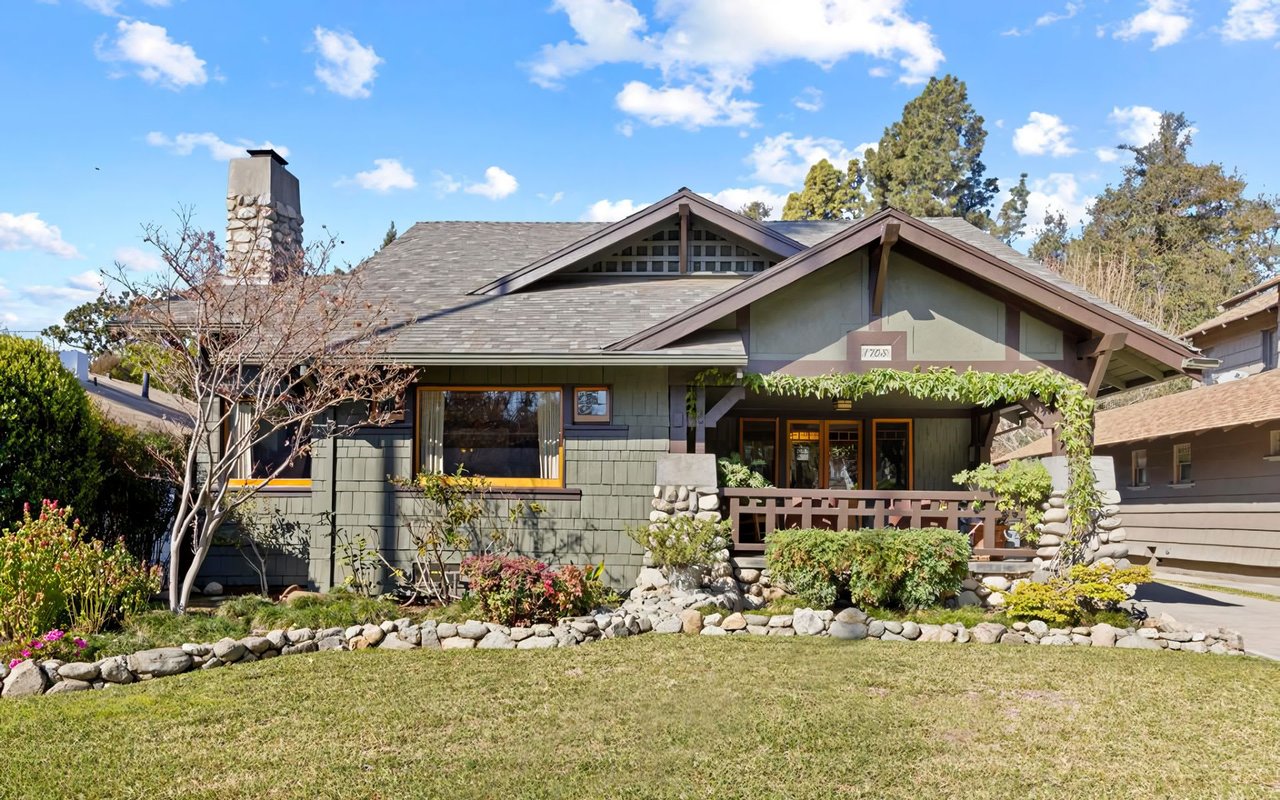
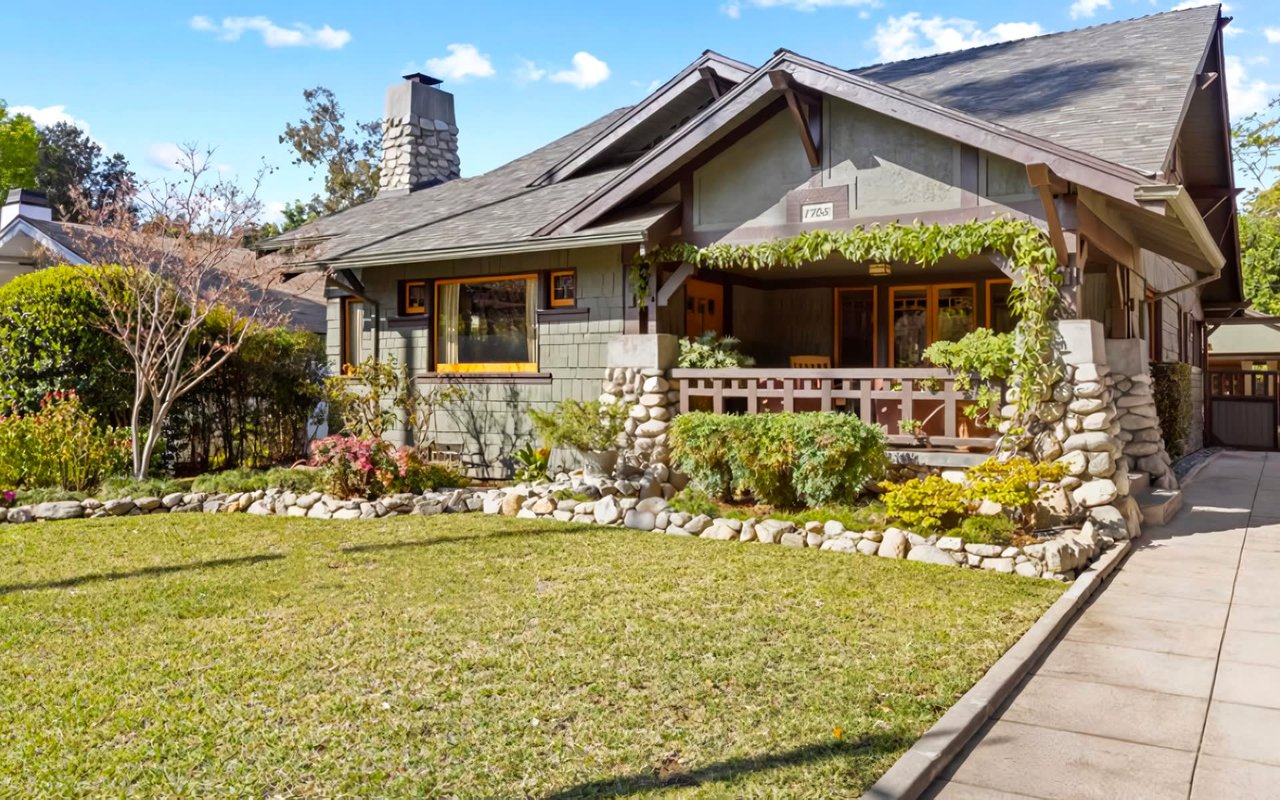
If you are drawn to classic early 20th-century homes, Pasadena has several neighborhoods where Craftsman design and bungalow living shape the overall feel. These areas tend to offer strong visual character, established streetscapes, and a quieter residential rhythm.
Bungalow Heaven is one of the best-known examples. City materials describe most of the neighborhood as being built between 1906 and 1914, with another period of build-out in the early 1920s and some later infill. That gives the area a strong bungalow identity while still showing some architectural variety over time.
Garfield Heights offers another version of historic residential Pasadena. Its design guidance emphasizes preserving single-family character, detached rear-yard garages, and features such as river rock retaining walls. For you as a buyer, that points to a low-scale neighborhood with a high level of historic continuity.
South Marengo Historic District stands out for both its California Craftsman bungalows and transitional English-influenced designs. Pasadena Heritage notes that it retains a pre-World War I street ambiance, and the city says the largest concentration of bungalow courts in Pasadena is on South Marengo Avenue between East California Boulevard and Glenarm Street.
Orange Heights/Barnhart Tracts Historic District has a distinct identity as well. Pasadena Heritage notes that it was Pasadena’s first neighborhood on the National Register of Historic Places, and city guidance describes it as a highly intact area with mostly Craftsman residences, mature trees, generous setbacks, stone retaining walls, and limited through-traffic.
Larger-Lot Historic Neighborhoods
If your idea of historic Pasadena includes older homes on more spacious parcels, Madison Heights and Oak Knoll are key areas to know. These neighborhoods are among Pasadena’s oldest and most established residential settings.
The city says Madison Heights was subdivided in the late 19th century, with some of the oldest homes dating to 1890. Oak Knoll also traces back to that early development era, with the oldest homes built around 1905.
Pasadena Heritage adds that Oak Knoll was planned to rival other wealthy neighborhoods and that many lots were intended for custom estate homes. That history helps explain why the area often feels broader in scale, with a more spacious and long-established residential pattern.
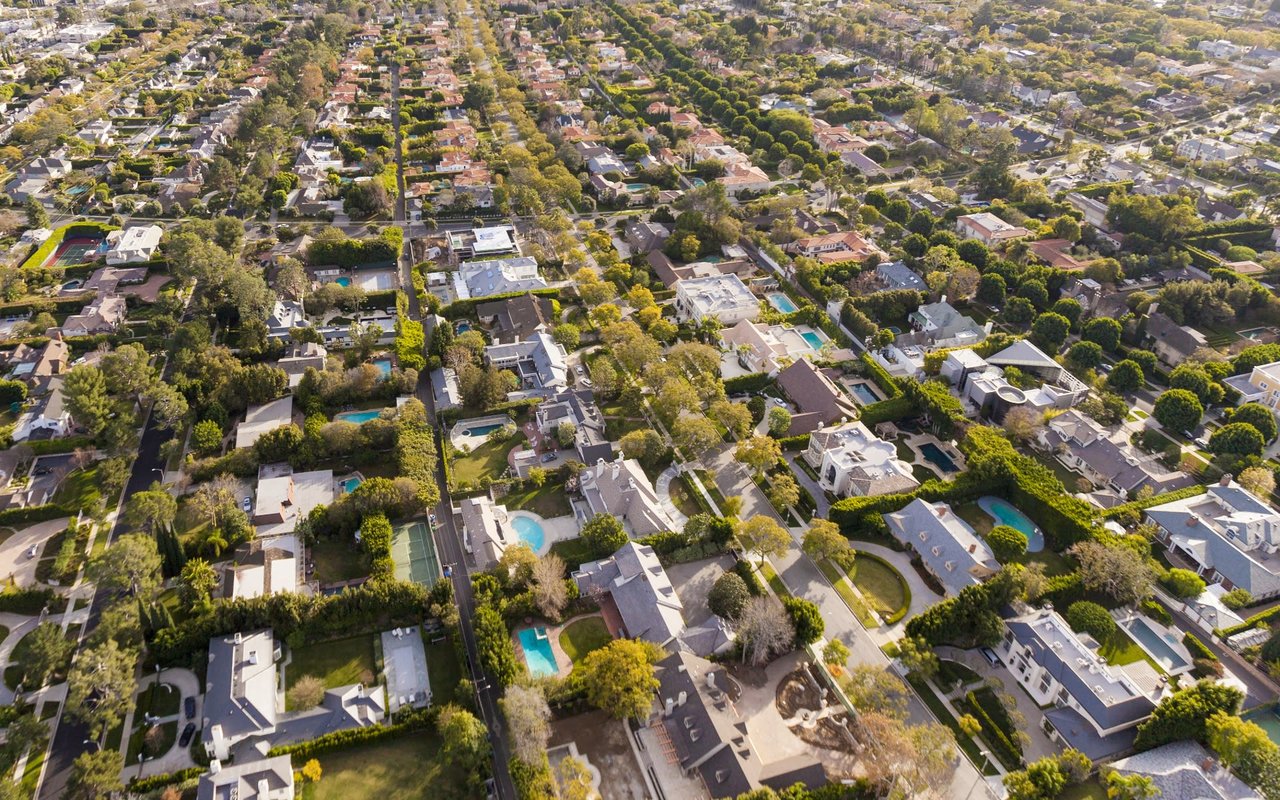
For buyers, this category can be especially appealing if you want historic architecture paired with a stronger sense of separation, lot depth, and traditional estate character. It can also be a useful lens if you are comparing home size, grounds, and renovation possibilities across Pasadena.
Walkable Historic Urban Districts
Not every historic lifestyle in Pasadena is quiet and purely residential. Some of the city’s most recognizable historic districts place you close to shops, restaurants, cultural venues, and transit.
Old Pasadena is the clearest example. It is a 22-block National Register district with restored late 19th- and early 20th-century buildings, open-air plazas, and retail and dining along Colorado Boulevard. Visit Pasadena also describes it as home to more than 200 retail stores, art galleries, boutiques, theaters, and restaurants.
Playhouse Village offers a different urban historic setting. The city describes it as a crossroads of culture, commerce, and community, with national retailers, independent bookstore and boutique activity, and a dense cluster of restaurants, bars, and coffee shops near museums and theaters. The Pasadena Playhouse at its center is the official State Theatre of California.
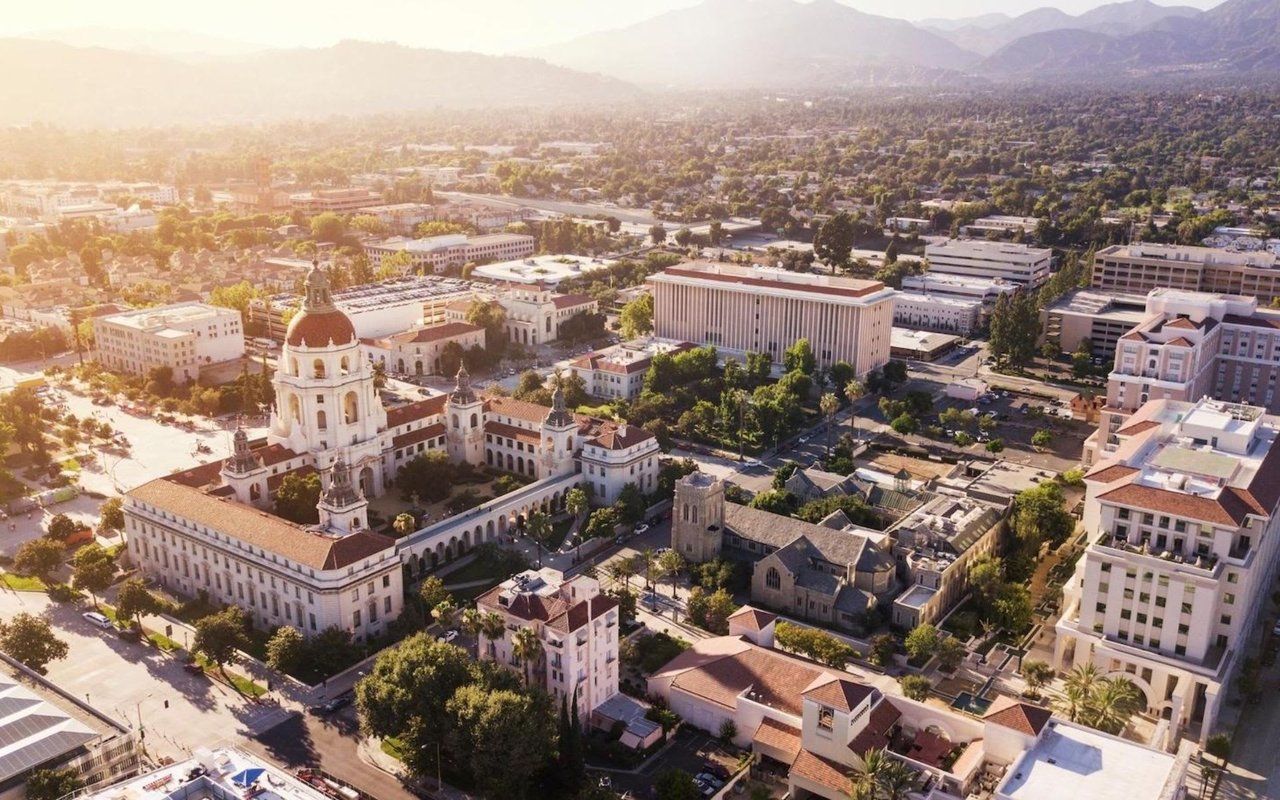
Civic Center and South Lake are also important convenience-oriented districts. The city describes Civic Center as one of the region’s grandest concentrations of Renaissance and Mediterranean architecture, anchored by City Hall, the Central Library, and the Civic Auditorium. South Lake is described as a tree-lined business district that combines shopping, dining, professional services, and urban living.
What Daily Life Can Feel Like
Choosing among Pasadena’s historic areas is often less about age alone and more about your weekly routine. If you want a more car-light lifestyle, the denser historic cores usually offer the easiest access to transit, services, and cultural destinations.
Metro’s A Line serves Pasadena, and Pasadena Transit Route 10 connects Old Pasadena, Civic Center, Playhouse, and South Lake with Caltech, Pasadena City College, and the Allen A Line Station. That network can make it easier to move between some of Pasadena’s most active historic districts without relying on a car for every trip.
The city also concentrates metered parking in Old Pasadena, Civic Center, South Lake, Playhouse, and West Gateway. That reinforces the pedestrian-oriented character of these areas and helps explain why they often feel more urban than Pasadena’s bungalow and estate neighborhoods.
Pasadena’s civic and cultural amenities are part of the appeal too. The Pasadena Public Library system has ten locations, and the Santa Catalina Branch includes a Preservation Corner sponsored by local historic neighborhood groups and the library.
Cultural access is another part of daily life here. Visit Pasadena highlights destinations such as the Pasadena Museum of History, USC Pacific Asia Museum, Norton Simon Museum, and Kidspace Children’s Museum, and notes that several museums are within walking distance of one another.
What Historic Ownership Can Require
Historic charm in Pasadena often comes with real responsibilities. That does not make ownership harder across the board, but it does mean you should understand the rules before you buy.
The city’s preservation program is built around identifying, rehabilitating, adapting, and restoring historic resources. If a property is designated or located in a district, exterior changes, additions, relocations, or demolitions can require Certificate of Appropriateness review.
That review process is one of the biggest practical differences between a historic home and a non-designated property. For some buyers, stronger character protection is a major plus. For others, a more rule-bound renovation process is something to weigh carefully.
The Historic Preservation Commission recommends landmark and district designations and reviews Certificates of Appropriateness. The first three landmark districts also each have a Conservation Plan, which adds another layer of neighborhood-specific guidance.
Why Verification Matters Before You Write an Offer
One of the smartest steps you can take is confirming a property’s historic status early. Pasadena maintains a searchable historic-resources database and an interactive map, which means designation status can usually be checked before an offer is written.
That can help you ask better questions upfront. You may want to know whether the home is individually designated, whether it sits in a local district or National Register district, and what kinds of exterior work may require review.
This is especially important if you are considering updates, an addition, or a longer-term restoration plan. It is much easier to evaluate fit at the beginning than to discover constraints after closing.
The Mills Act and Long-Term Stewardship
For some owners, Pasadena’s Mills Act program is another important part of the picture. The city says the program offers a property-tax incentive for qualifying privately owned historic properties whose owners agree to rehabilitate and maintain them under the Secretary of the Interior’s Standards.
That can make historic ownership more appealing for buyers who value preservation and are prepared for long-term stewardship. At the same time, it is not a casual decision, since the benefit is tied to maintenance and rehabilitation commitments.
If you are exploring a designated property, it helps to think about ownership as both a lifestyle choice and a stewardship role. The home’s architecture and neighborhood setting may be the first draw, but the long-term fit often comes down to how comfortable you are with that responsibility.
How To Choose the Right Historic Fit
The best Pasadena historic neighborhood for you depends on how you want your life to function day to day. A beautiful home matters, but so does the rhythm of the street, the housing form around you, and how easily you can reach the places you use most.
If you want a classic residential feel, bungalow-focused districts may be the best match. If you want larger grounds and a more estate-like setting, older larger-lot neighborhoods may make more sense. If you want architecture plus restaurants, museums, retail, and transit nearby, the urban historic cores deserve a close look.
Pasadena gives you unusual range within a single city. That is a big part of what makes buying here so rewarding when you take time to match the home, the district, and your lifestyle goals.
If you are considering a move into one of Pasadena’s historic neighborhoods, working with a team that understands local housing stock, district differences, and buyer priorities can make the search much more focused. To explore historic homes and neighborhoods with experienced local guidance, connect with The Middleman Team.
FAQs
What makes Pasadena historic neighborhoods different from one another?
- Pasadena’s historic areas generally fall into three lifestyle types: bungalow-heavy residential districts, older larger-lot neighborhoods, and walkable urban historic cores with more daily conveniences.
What architectural styles can you find in Pasadena historic homes?
- Pasadena’s historic housing includes late Victorian, American Foursquare, Craftsman, California Bungalow, Tudor Revival, Spanish Colonial Revival, Italian Renaissance Revival, Mediterranean Revival, early modern, and postwar styles.
What should buyers know about historic district rules in Pasadena?
- Designated properties or homes in historic districts can require Certificate of Appropriateness review for certain exterior changes, additions, relocations, or demolitions.
What is the lifestyle like in Old Pasadena and other urban historic districts?
- Old Pasadena, Playhouse Village, Civic Center, and South Lake offer a more walkable experience with shopping, dining, cultural venues, and access to transit connections.
What should you check before buying a historic home in Pasadena?
- You should verify the property’s historic designation status early by reviewing the city’s searchable historic-resources database and interactive map before writing an offer.
What is the Mills Act for Pasadena historic properties?
- Pasadena’s Mills Act program offers a property-tax incentive for qualifying privately owned historic properties whose owners agree to rehabilitate and maintain them under established preservation standards.