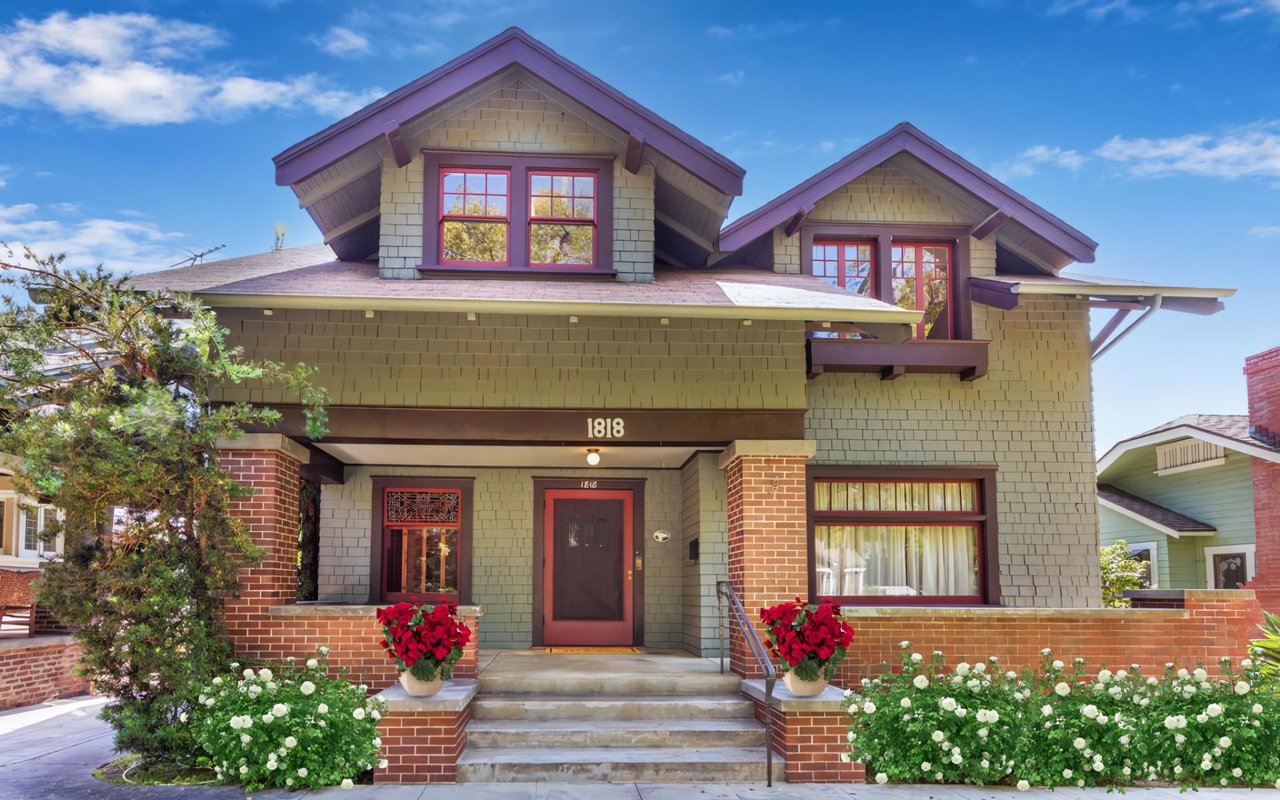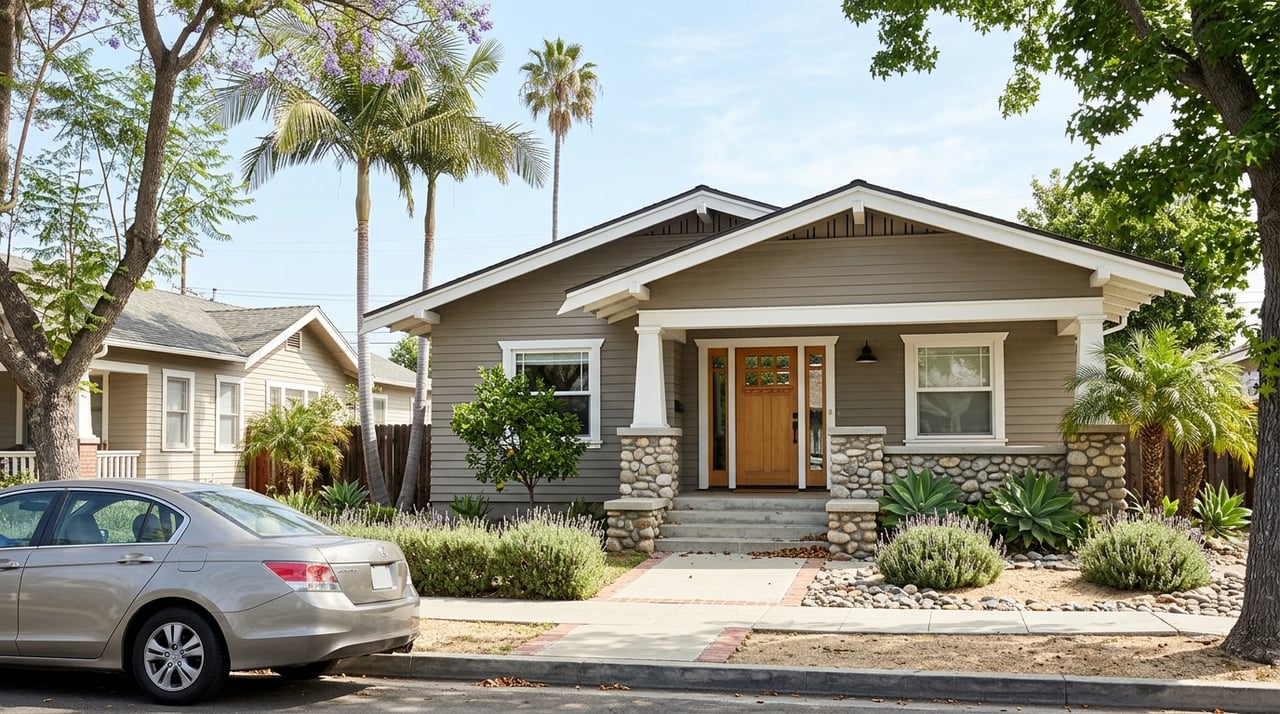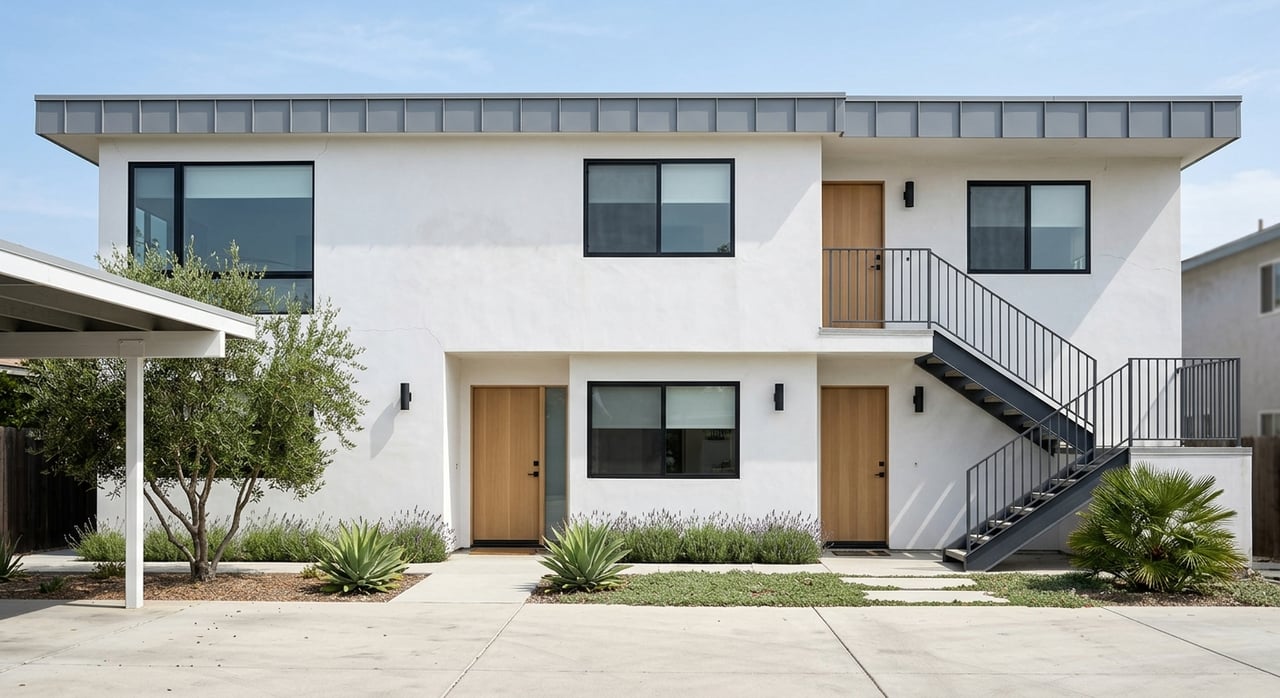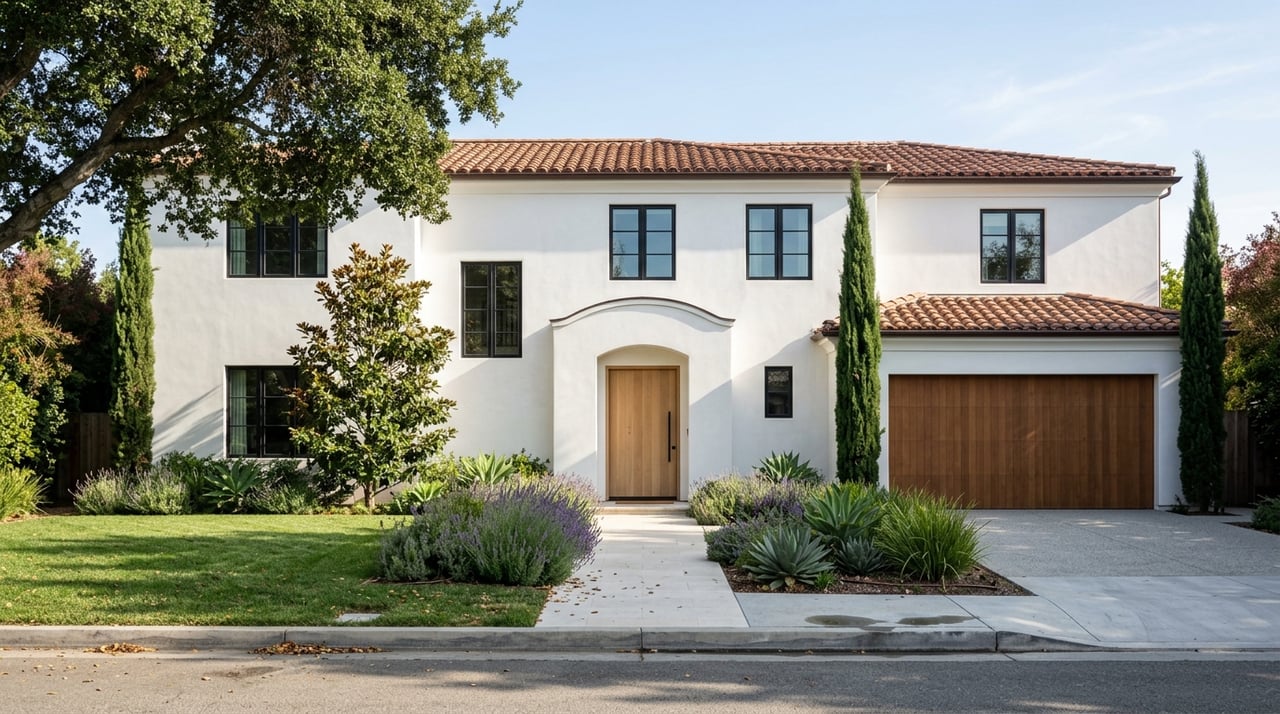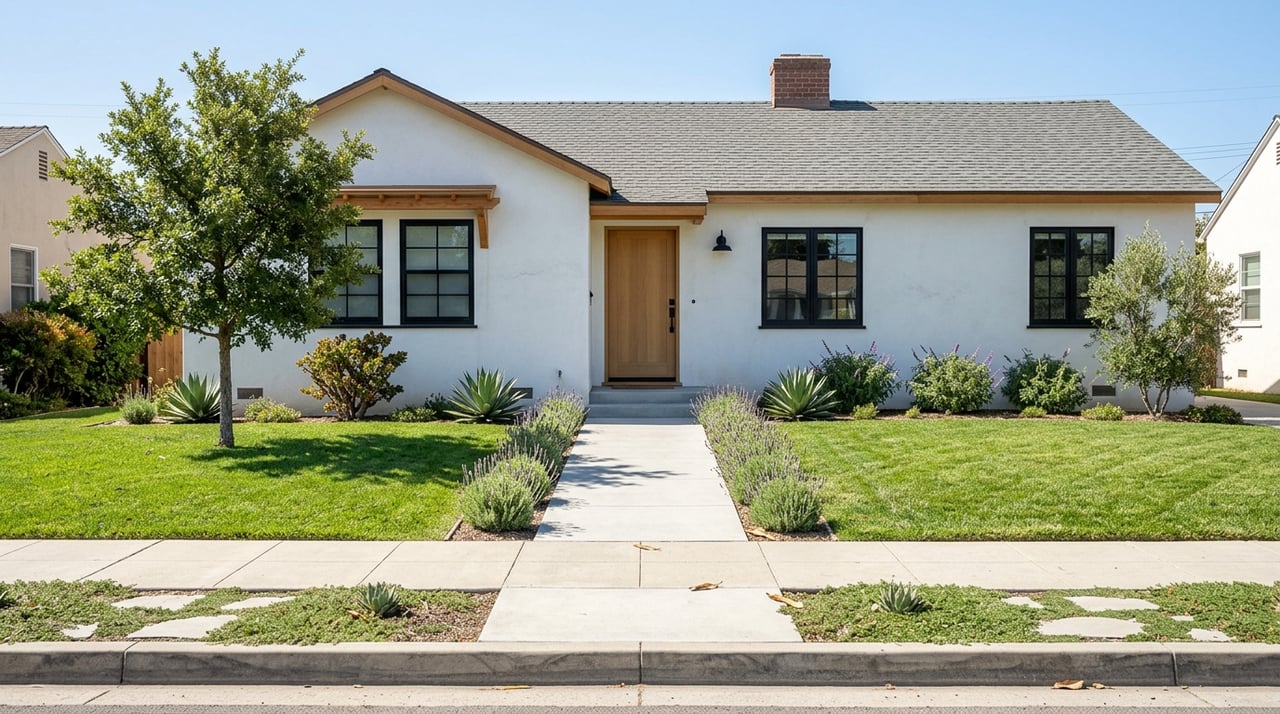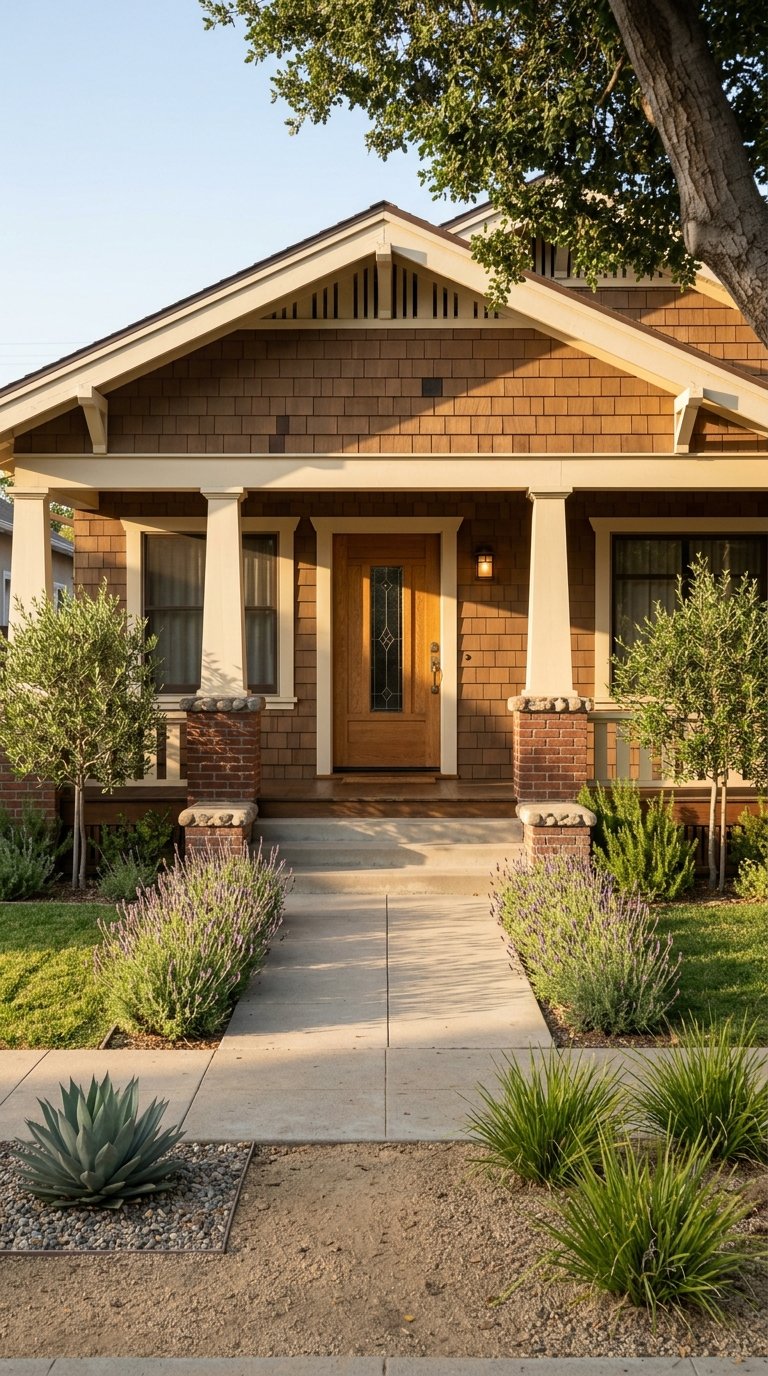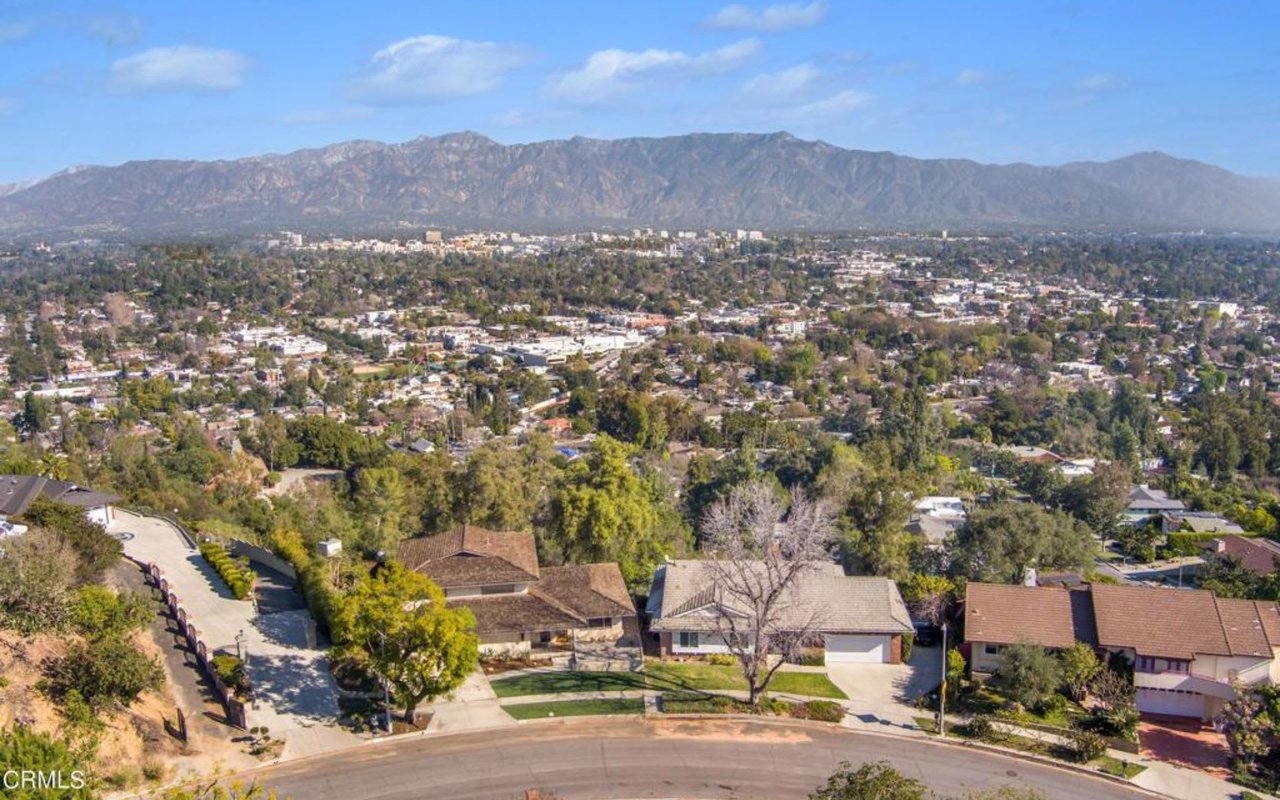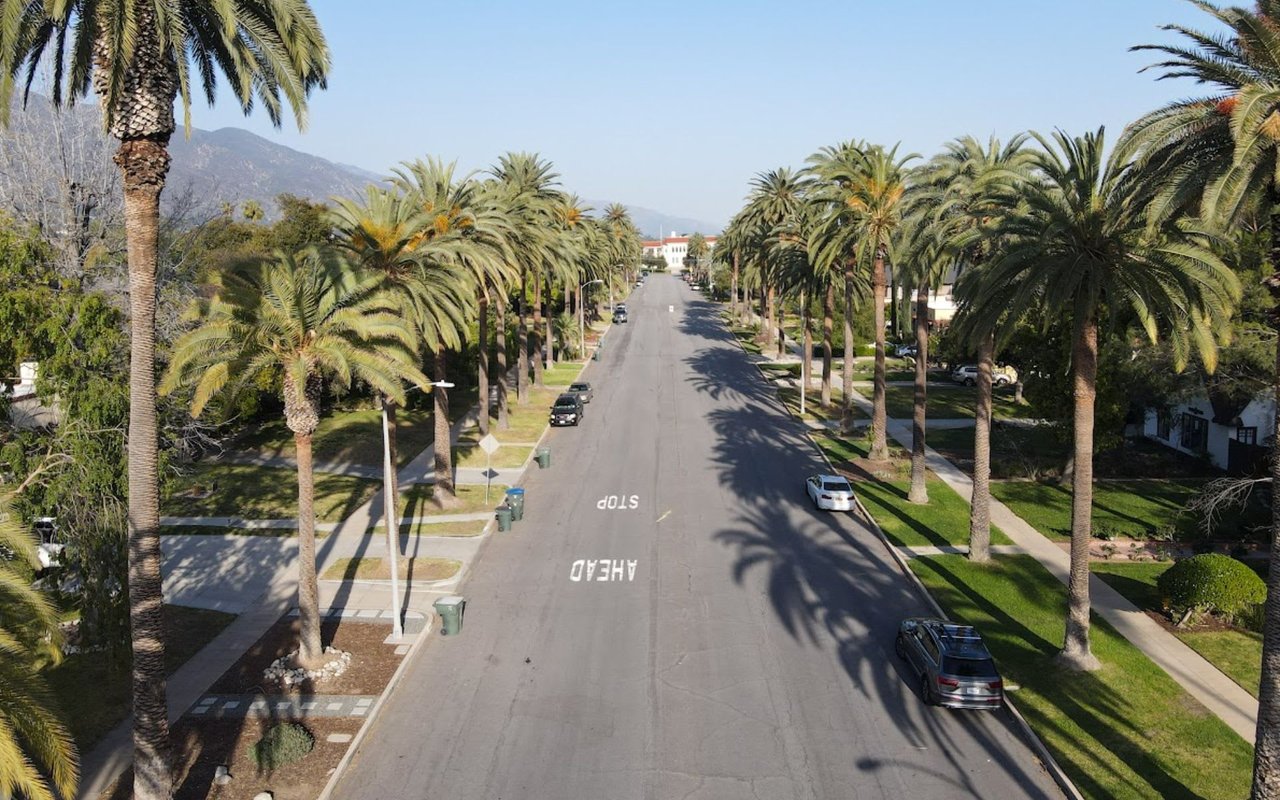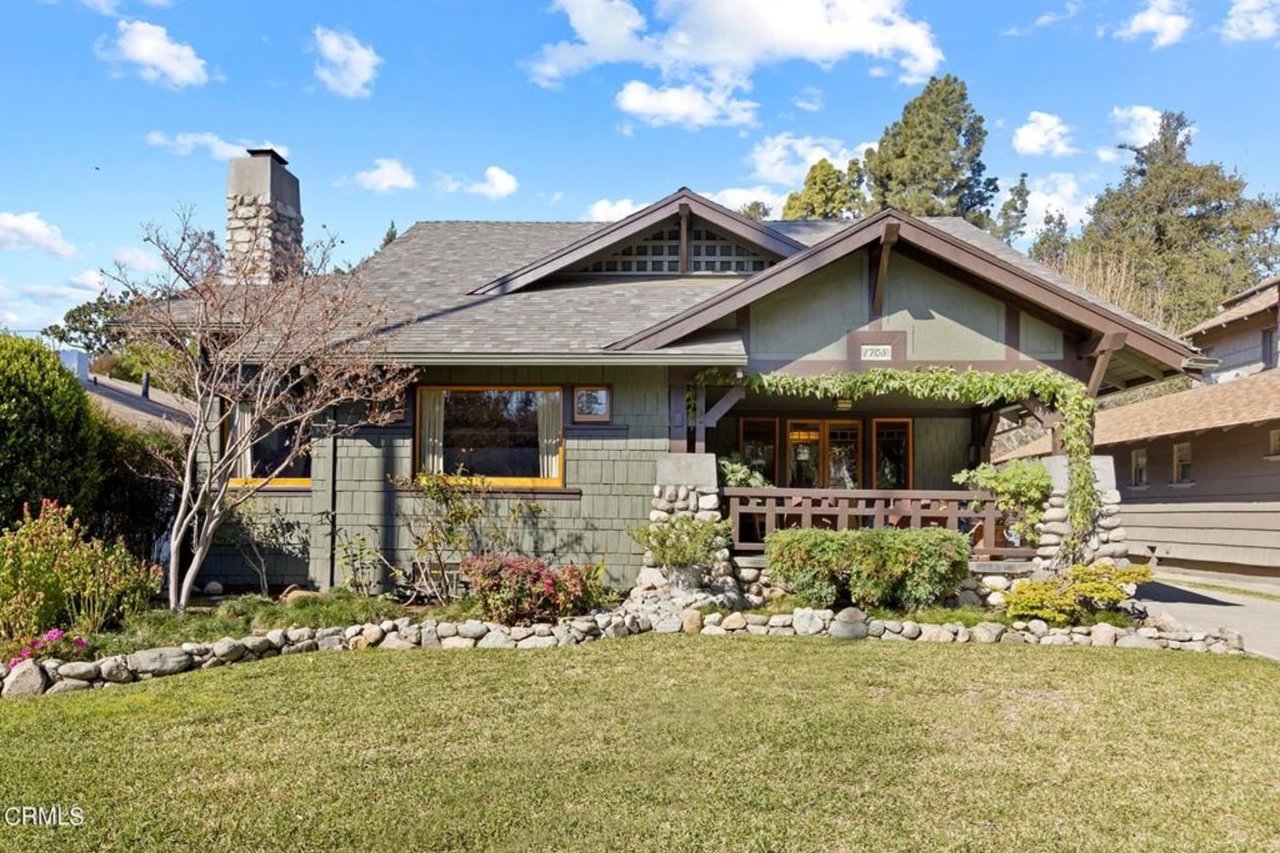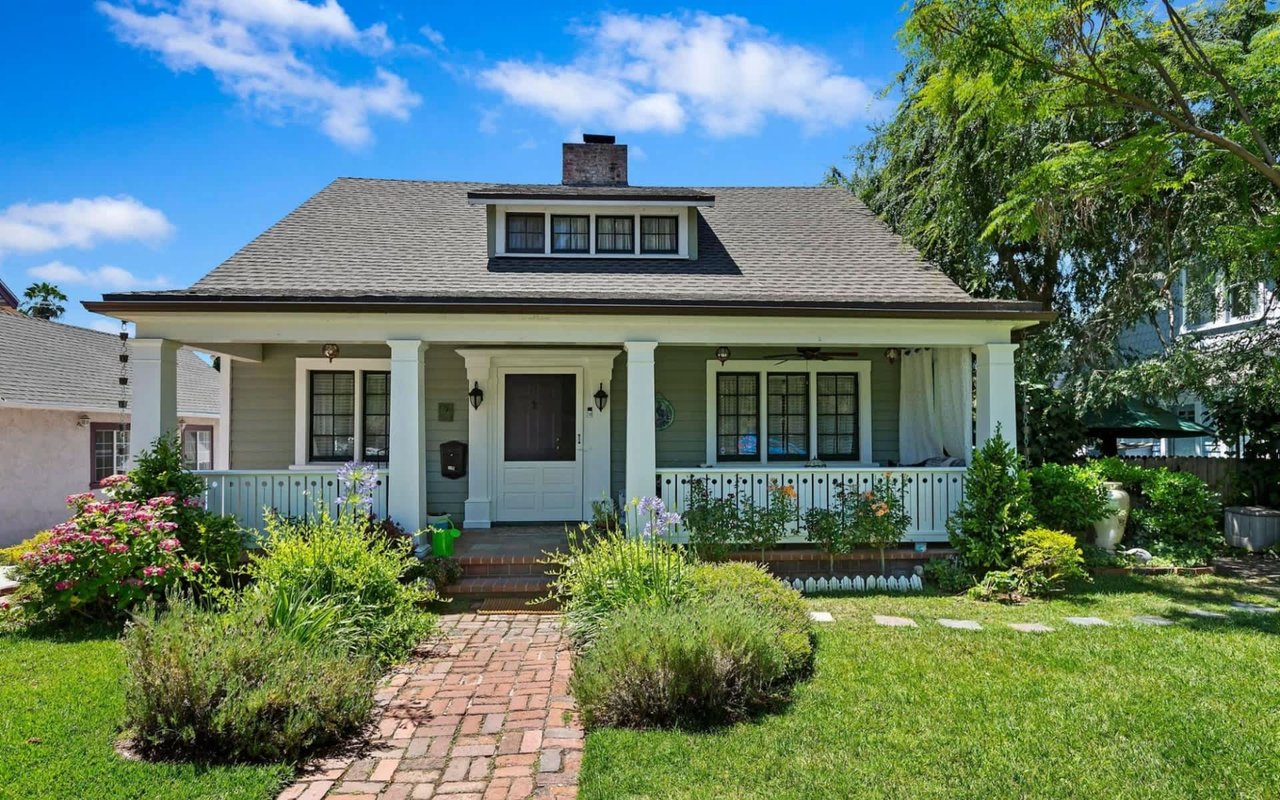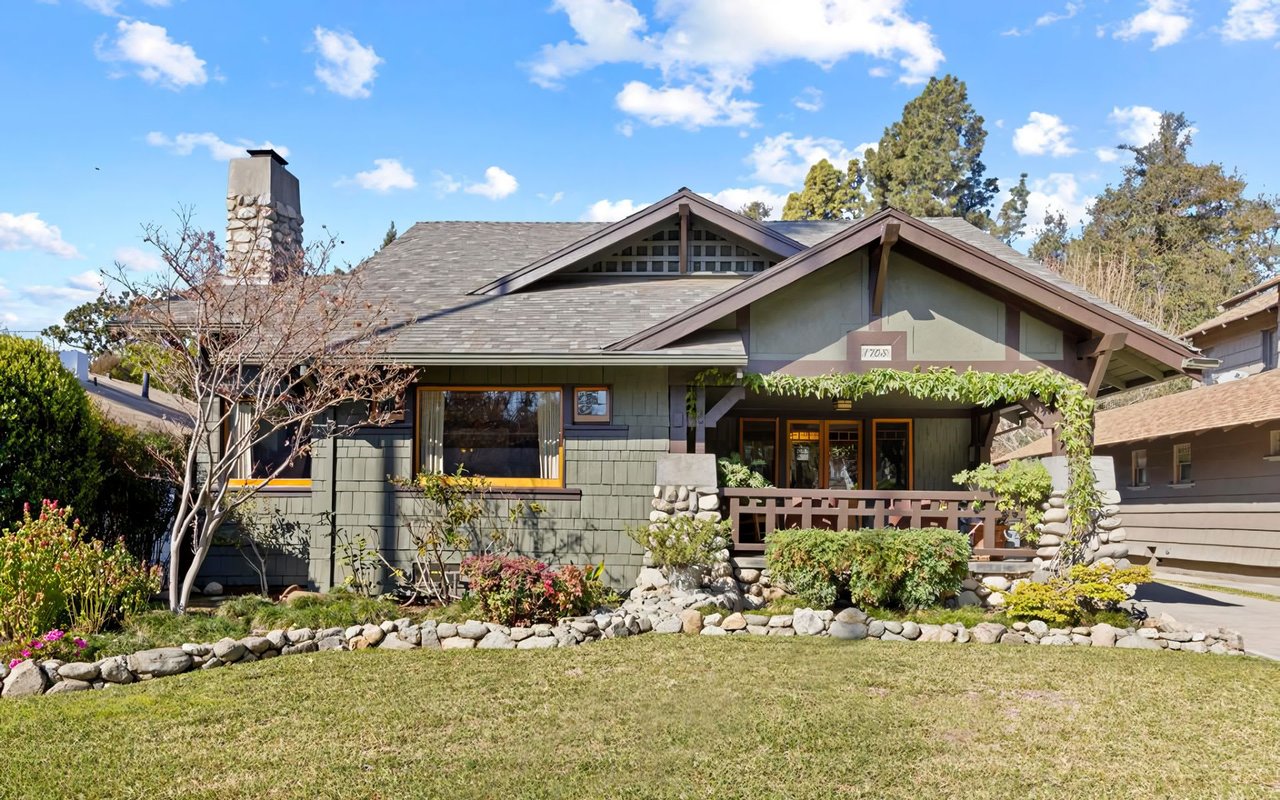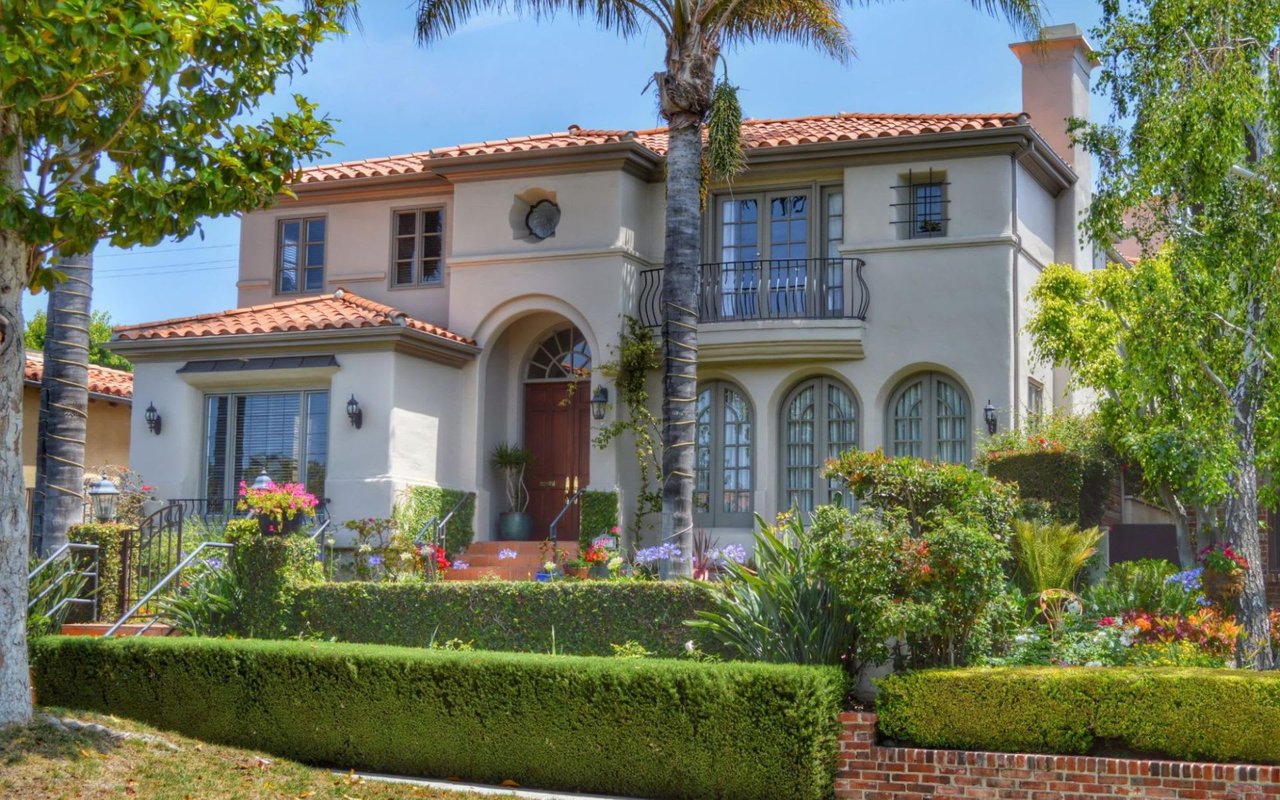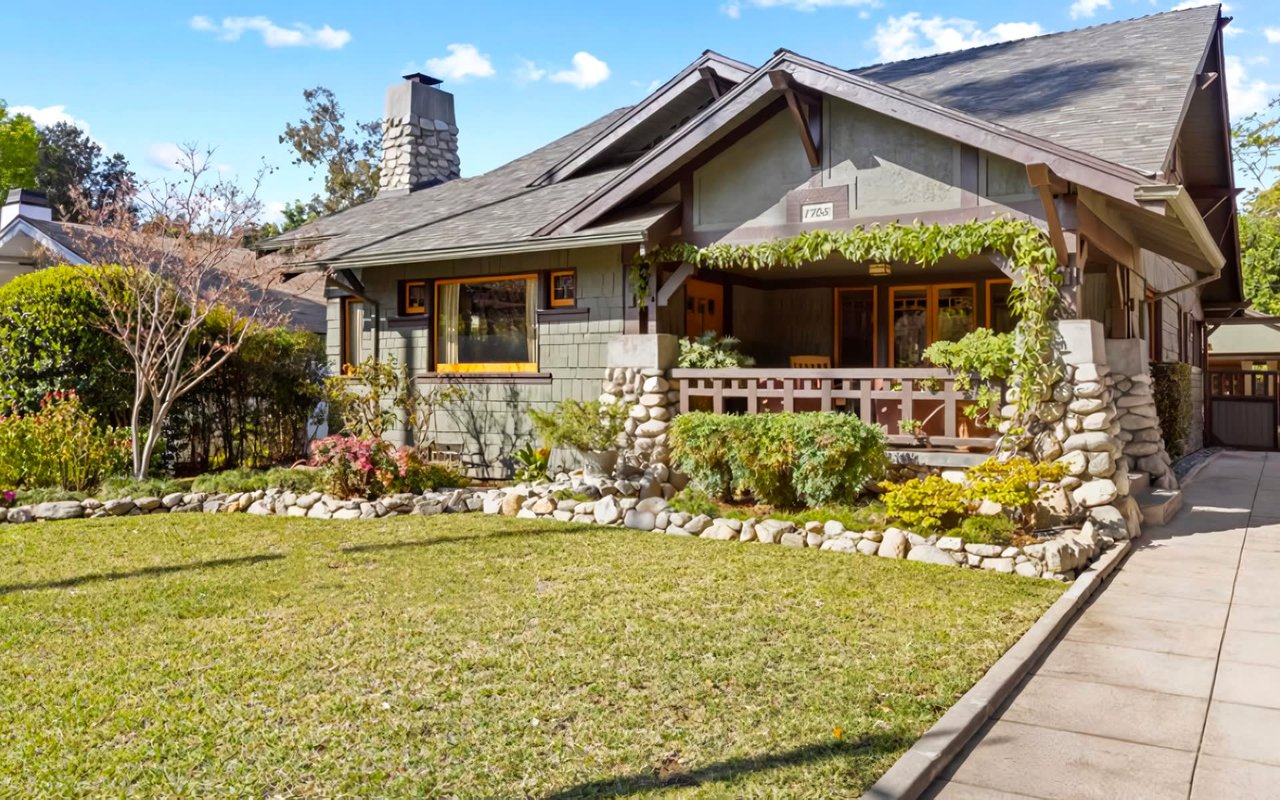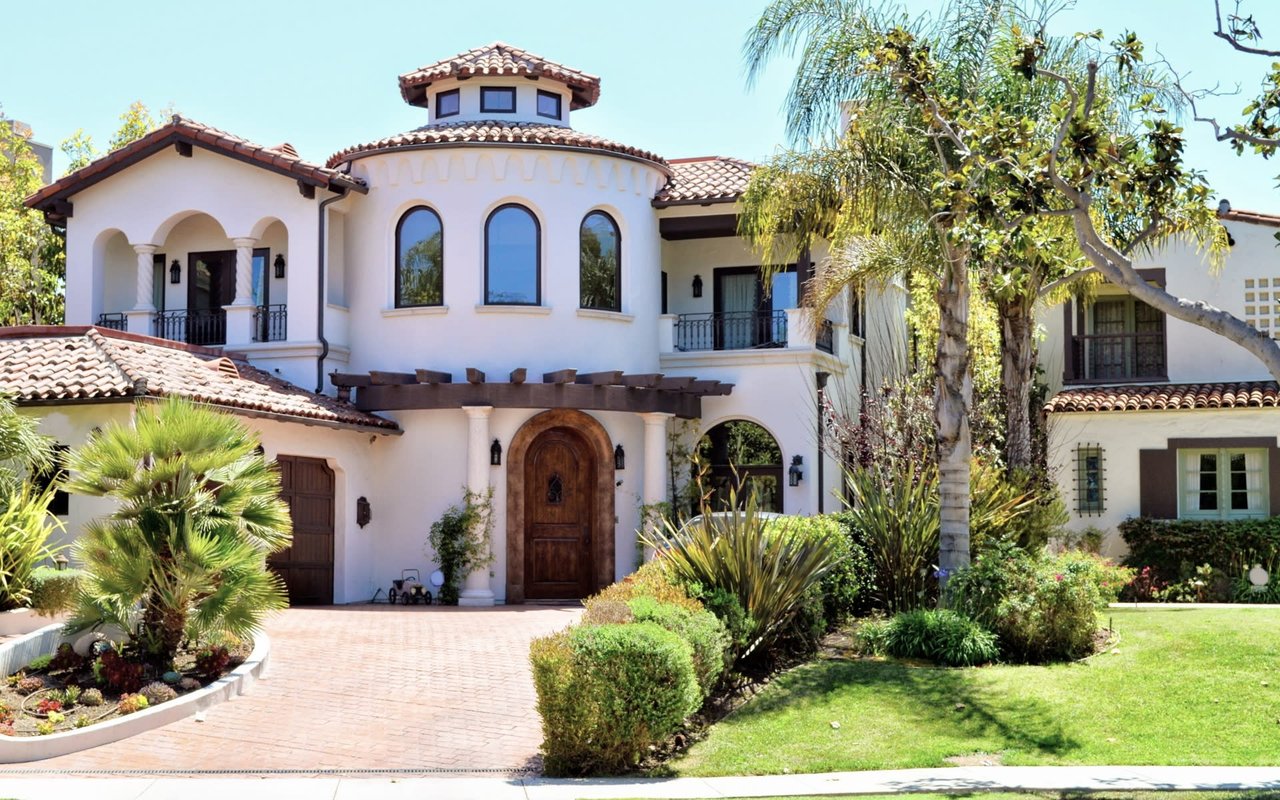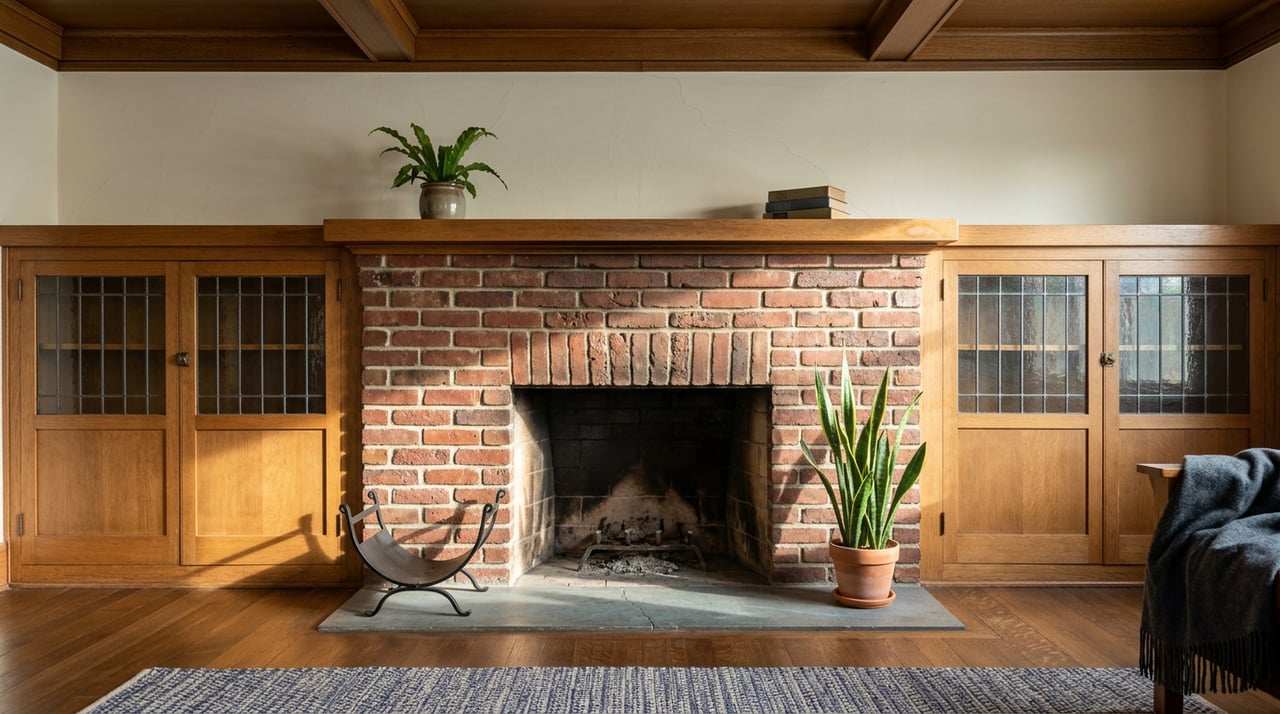
On February 3, 2026, a six-bedroom 1912 house at 237 W State Street closed for $3,428,000 against a $1,750,000 list price. That is 95.9% over ask, in a Pasadena market where the citywide median sits near $1.2M and homes take roughly 32 days to sell. It was one of thirteen former Caltrans historic homes the City of Pasadena released between December 2025 and February 2026, and five of the thirteen closed over ask, per reporting in Pasadena Now.
Sellers in Bungalow Heaven, Garfield Heights, Madison Heights, and Washington Square keep asking the wrong question about numbers like that. The question is not "how do I price my historic home." The question is what a specific buyer will pay for a specific paper trail. In a designated Pasadena property, the file matters as much as the finish carpentry. Sellers who understand that go to market with an asset. Sellers who do not go to market with a liability wearing a nice porch.
The paper trail is the asset
A buyer paying a premium for a Pasadena historic home is buying three things at once: the architecture, the neighborhood protection, and the confidence that nothing on the property will unravel after close. That confidence lives in documents.
Before you list, assemble and verify each of the following:
| Document | What it proves | Where it lives |
|---|---|---|
| Designation status | Whether the home is a landmark, historic monument, contributing, or non-contributing | City of Pasadena Historic Preservation program and its property inventory database |
| Mills Act contract (if any) | Terms, remaining maintenance obligations, transferability | Recorded on title with the Los Angeles County Recorder |
| Certificates of Appropriateness | That prior exterior work was approved before permits were issued | Design & Historic Preservation counter, Window 4, Pasadena Permit Center |
| Building permits | That approved work was actually inspected and finaled | Pasadena Planning & Community Development, 175 N. Garfield Ave |
| Annual Mills Act self-certification | That the contract remains in good standing | Owner's records; verifiable with the city |
Missing any one of these is not a paperwork problem. It is a disclosure problem, which is a pricing problem.
What the Caltrans sales actually revealed
The thirteen former Caltrans homes on the 600 and 700 blocks of South Pasadena and South St. John Avenues, and on State Street, Madeline Drive, and Palmetto Drive averaged a $1.51M sale price, with the city netting $18.47M against $19.6M in gross proceeds. Prices ranged from $750,000 to $3.4M. Eight of the thirteen sold at asking; five sold over.
That split is the story. These properties came to market with something private sellers rarely offer: a marketed, documented, city-vetted transaction record. The homes with clean, appealing files pulled the outsized results. The rest cleared at ask. Nothing sold at a discount because a Craftsman is a Craftsman. The dispersion was about legibility.
For a private Pasadena seller, the Caltrans results reset a comparable set. When a buyer's agent argues that your listing should trade at the neighborhood median, you have a February 2026 data point showing what a well-marketed contributing historic home can do at the top of the distribution. The precondition is that yours can withstand the same level of scrutiny.
The Mills Act contract runs with the land. Read it before you list.
If your home carries a Mills Act contract, it stays with the property after sale. The contract is recorded against title, and the next owner inherits the full remaining term and all maintenance obligations. A buyer who does not understand what they signed does not get to void it after close. That is why disclosure has to be direct and complete, not a checkbox on a form.
Before listing, walk through your contract and confirm:
- The current maintenance work plan and any obligations that remain within the contract term
- Documentation of every exterior alteration completed under your ownership and the approvals obtained for each
- Annual self-certification records the buyer can review
- Whether the contract is one of the newer post-2014 vintages that now carry a separate annual fee structure under a December 2025 Los Angeles City Council action, which is a Los Angeles City program and does not apply to Pasadena contracts, but is often confused by buyers relocating from LA
- Lead paint disclosure for any home built before 1978, which covers effectively every property in the Pasadena landmark districts
The city, per its 2026 Mills Act Program Guidelines, states there is no guaranteed savings. The assessed value is reviewed annually. Historically, owners who saw savings realized an average property tax reduction of 51%, with a range the city elsewhere describes as roughly 20% to 75%. Those numbers are marketing gold when you present them accurately and marketing quicksand when you overstate them.
The Prop 13 paradox for long-tenured owners
Here is where sellers with thirty and forty years in the same Pasadena home get surprised. Under Proposition 13, your assessed value has been locked to a base year that may sit far below today's market. If you have never entered into a Mills Act contract, the marginal benefit of doing so at the moment of sale is often small, and the assessed value under the Mills Act capitalization formula can, in some cases, come in higher than your existing Prop 13 assessment.
That means the Mills Act pitch to your buyer is not "look at what I have been saving." It is "look at what you will save relative to a fresh Prop 13 base year set at your purchase price." A buyer who pays $2.4M for a Craftsman without any tax contract will see an assessed value at or near $2.4M and a first-year tax bill in the neighborhood of $30,000. Under a Mills Act contract, the county assessor recalculates using a capitalization method that typically produces a materially lower figure. That is a real, quantifiable benefit for the buyer, and it is transferable. It is worth pricing in.
Disclosure is where sellers get in trouble
California disclosure obligations for historic properties are broader than the standard Transfer Disclosure Statement suggests. A seller who fails to disclose a Mills Act contract, a landmark district designation, or historic monument status may face a rescission claim from the buyer or, in cases of intentional concealment, a fraud claim under California Civil Code § 1710. Checking the box on the TDS does not discharge the duty. The buyer needs to actually understand what the designation means for use, alterations, and taxes.
Two disclosure traps come up repeatedly in Pasadena:
Unpermitted exterior work. Any exterior alteration on a contributing property that was completed without a Certificate of Appropriateness and building permit is a material fact. In a designated district, unpermitted street-visible work is a far bigger issue than it would be on a standard property, because the buyer inherits potential compliance exposure. If a prior owner replaced original wood-sash windows with vinyl, that is worth flagging and, in many cases, worth quietly remediating before listing.
Assumed exemptions. Interior alterations, paint color, landscaping, and mechanical work not visible from the street are generally exempt from Certificate of Appropriateness review, per the City's Historic Preservation Incentives page. Anything visible from the public right of way is not. Sellers routinely tell buyers that a project "did not need review" when the city would have required it.
Two structural realities also worth naming in the listing materials: parcels in Pasadena's historic districts and landmark-designated sites are generally exempt from SB 9's ministerial lot-split and two-unit pathways, and Pasadena applies the State Historical Building Code, which allows reasonable alternatives to standard code, such as retaining an original porch railing height rather than replacing it.
Pricing against the citywide median is the wrong exercise
Redfin's three-month trailing data through May 2026 shows Pasadena's median sale price around $1.2M, median days on market around 32, and sale-to-list ratios near 101.9% earlier in the year. Those are useful anchors and they are also almost useless for a contributing Craftsman in Bungalow Heaven or a Greene and Greene-adjacent property with an active Mills Act contract.
The right comparable set is other designated Pasadena homes that traded in the last twelve to eighteen months, filtered by district and by contract status. The Caltrans cohort gave the market thirteen fresh data points in a compressed window. Your agent should be running those against your specific facts, not against Zillow's citywide average.
The buyer pool for a well-documented Pasadena historic home is smaller than the pool for a comparable modern build. It is also more motivated, more financially prepared, and more informed about what preservation costs and delivers. The Historic Preservation Commission meets twice monthly, on the first and third Mondays, and Certificate of Appropriateness review typically adds about two months to any permit. Buyers who want a historic home know that. Buyers who do not, self-select out.
Common seller questions
Do I need to transfer the Mills Act contract at closing? No. The contract is recorded against the property and transfers automatically. What you owe the buyer is a complete record of annual compliance so they can confirm the contract is in good standing.
Should I pull a Certificate of Appropriateness for pending work before I list? Usually no, unless the work is genuinely necessary to make the home marketable. Leave the buyer the design decision. What matters is that everything already done under your ownership was properly approved.
Can I sell to a buyer who plans to demolish? On a contributing property in a landmark district, demolition triggers findings under the city's ordinance and CEQA. Marketing the property as a tear-down would misrepresent what the buyer can actually do and creates disclosure exposure. Sell the home for what it is.
Selling a designated Pasadena historic home rewards preparation more than any other kind of listing in the San Gabriel Valley. The homes that traded well in the Caltrans release did so because the paperwork matched the architecture. If you are thinking about a sale in the next twelve months, The Middleman Team can walk your file with you, identify the gaps a buyer's agent will find, and price to the specific comparable set your home actually belongs in. Request a free home valuation to start the conversation.