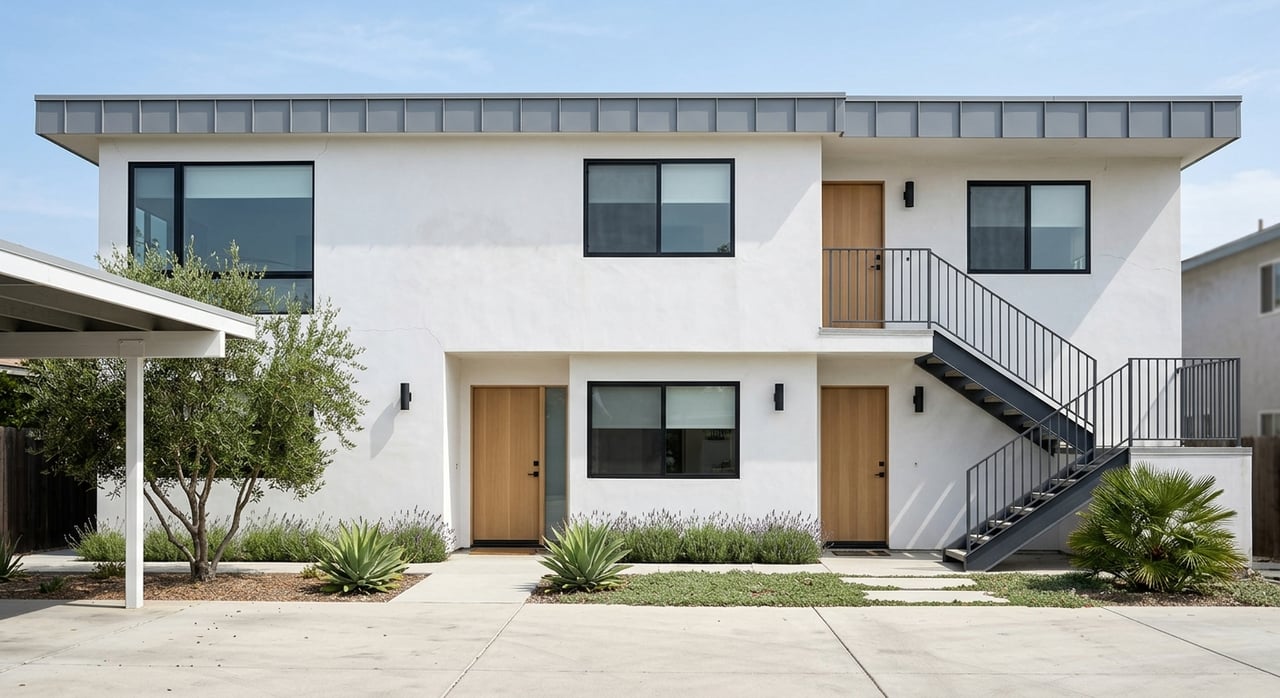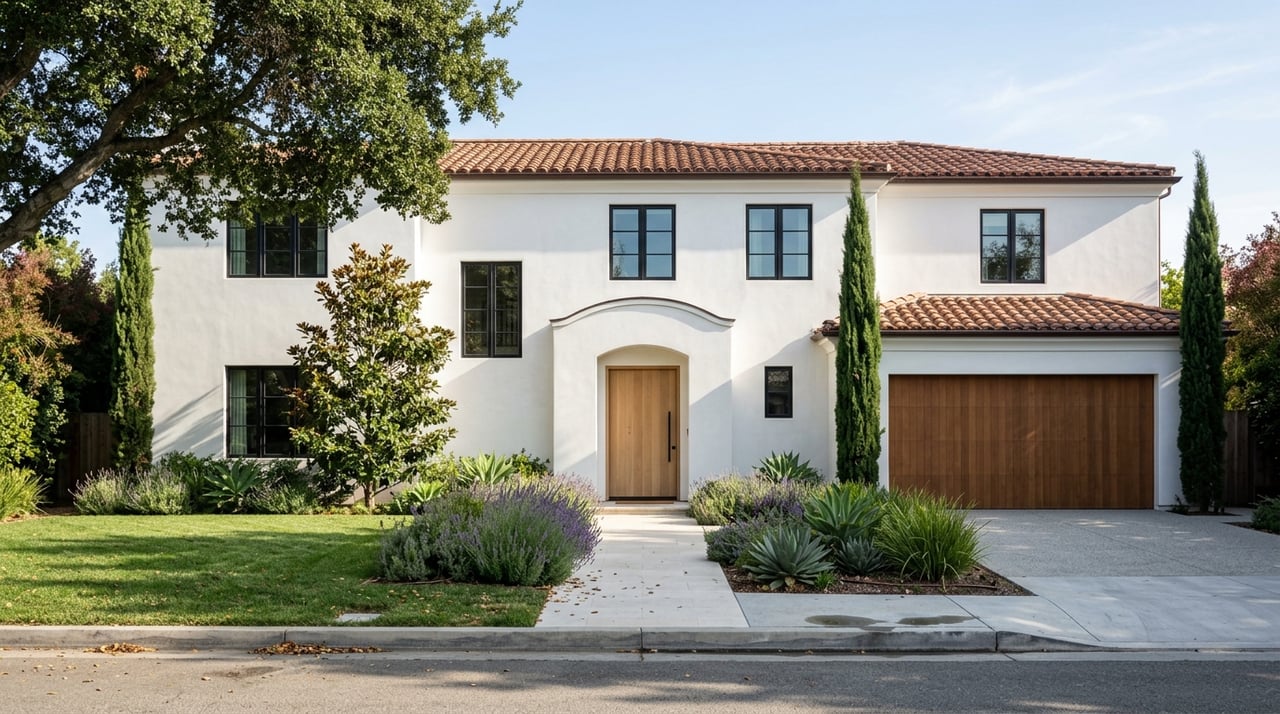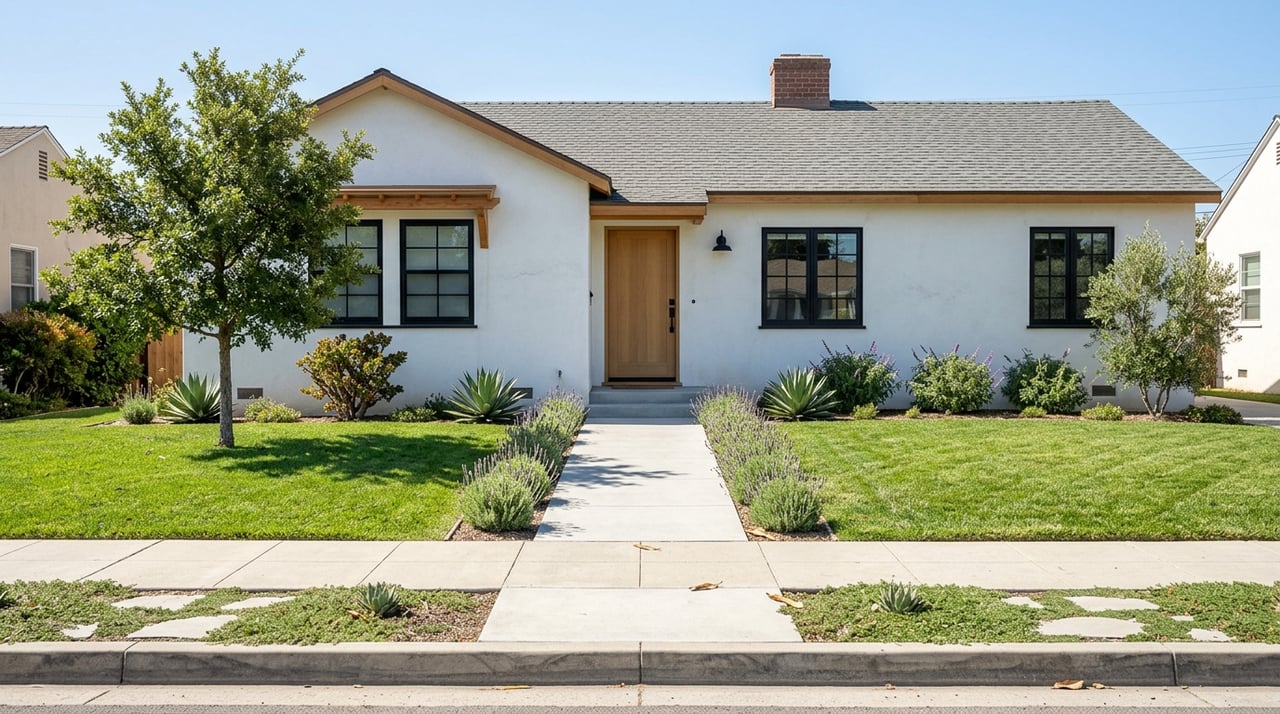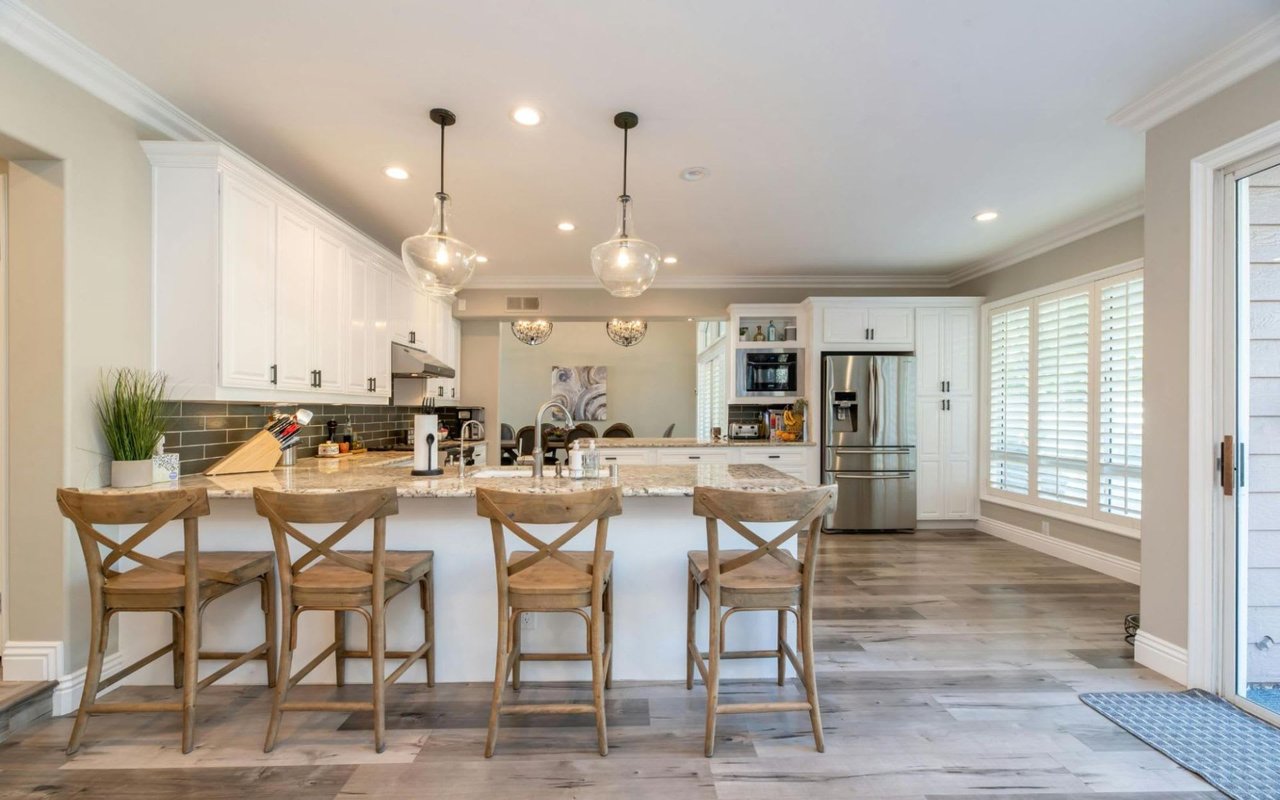
If you own a historic home in Pasadena, selling it can feel a little more complex than listing a typical property. You may be wondering how historic status affects value, what buyers will ask about, and whether past or planned updates could raise red flags. The good news is that with the right preparation, you can present your home clearly, protect its strengths, and avoid last-minute surprises. Let’s dive in.
Why historic status matters in Pasadena
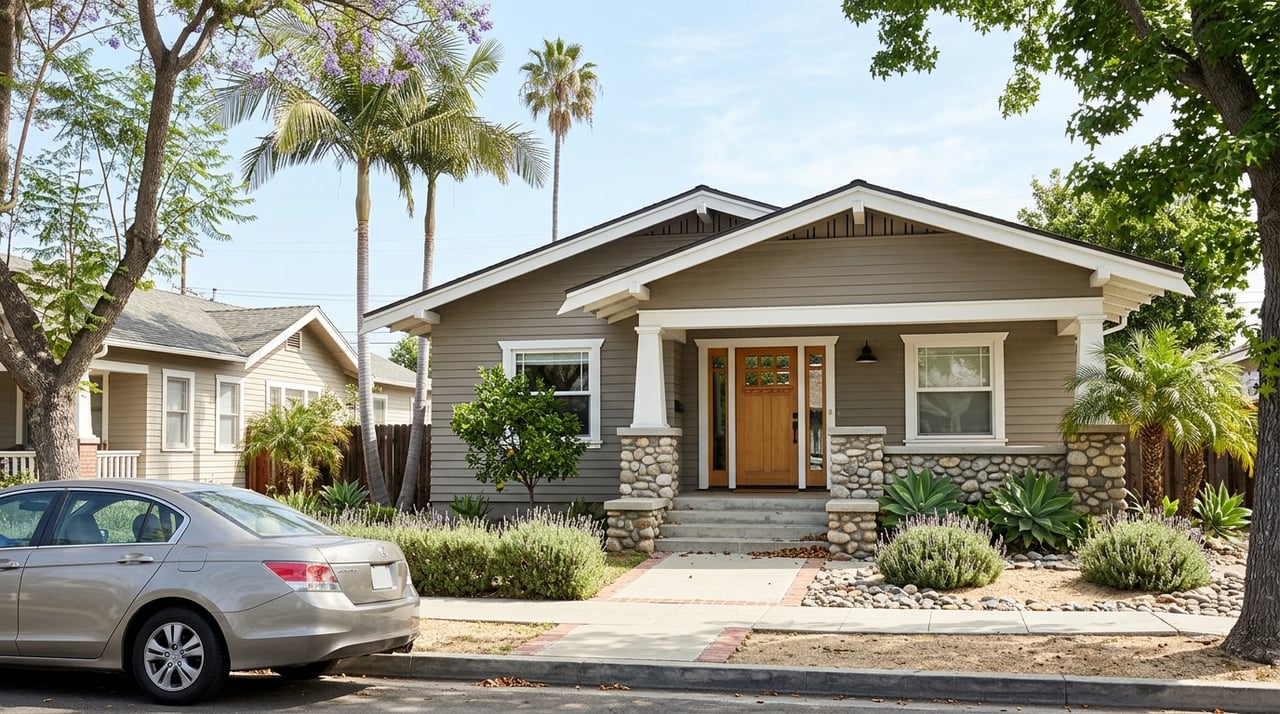
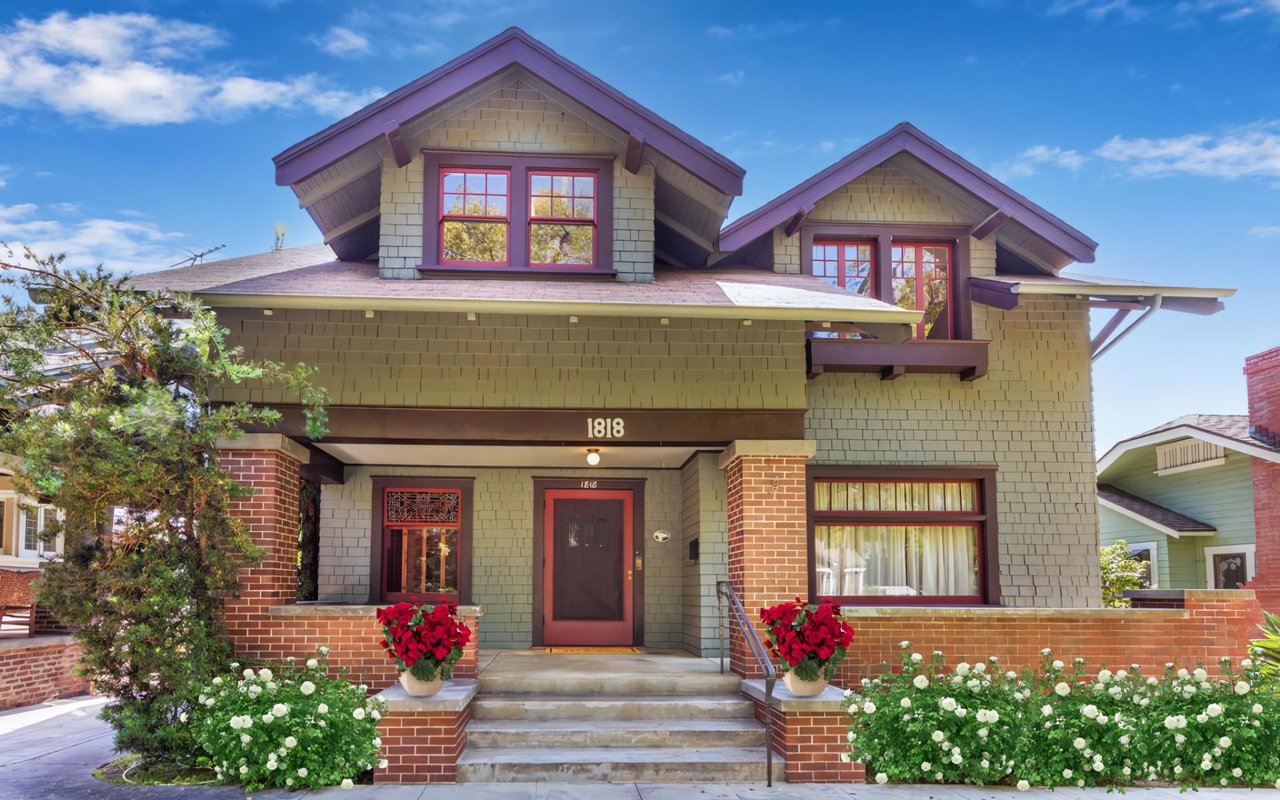
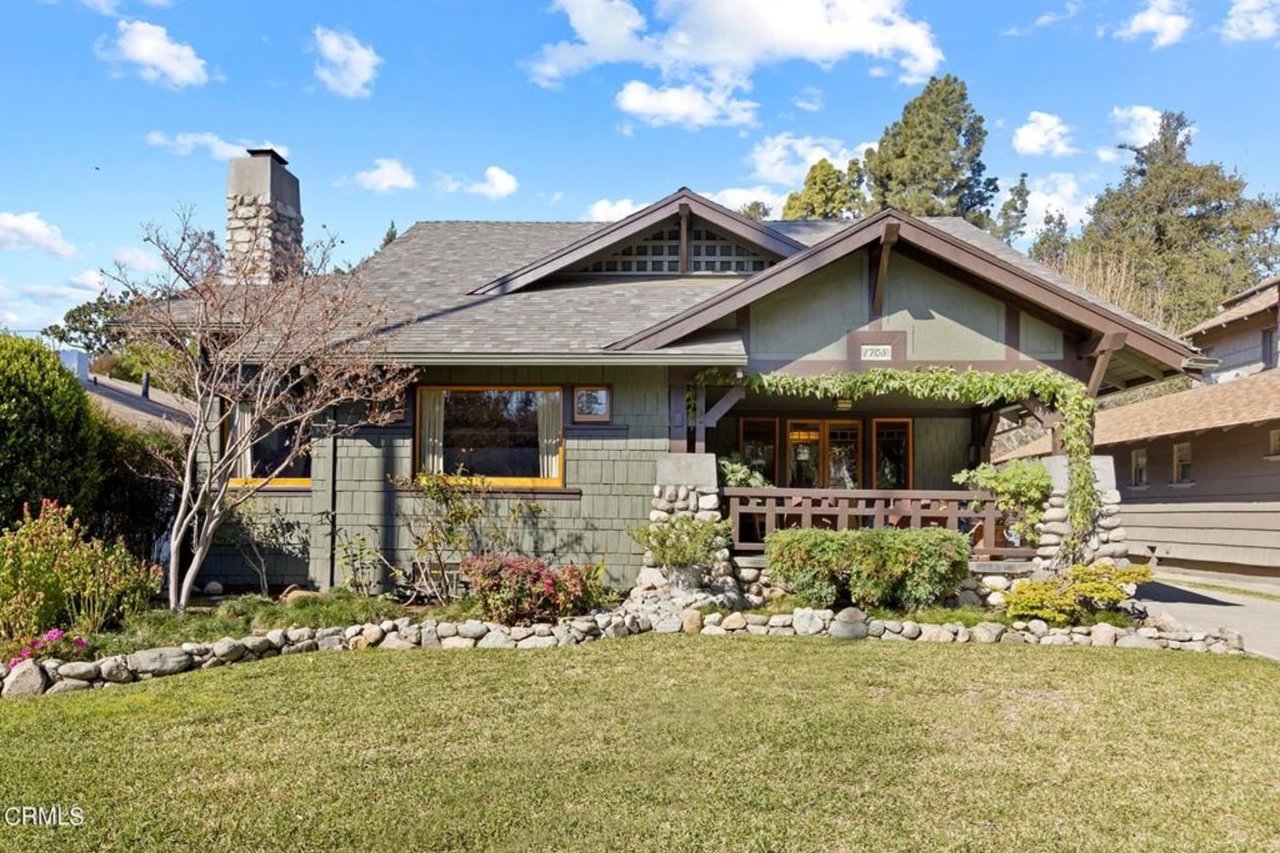
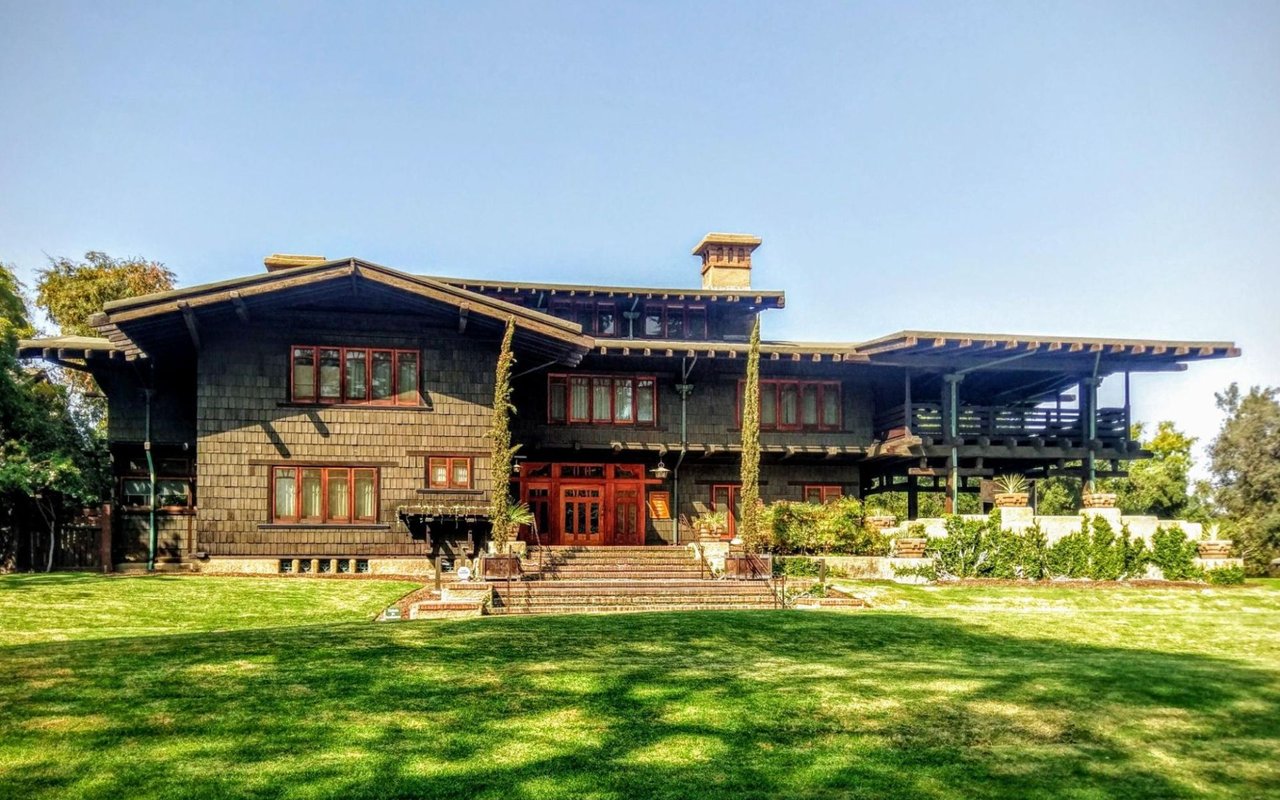
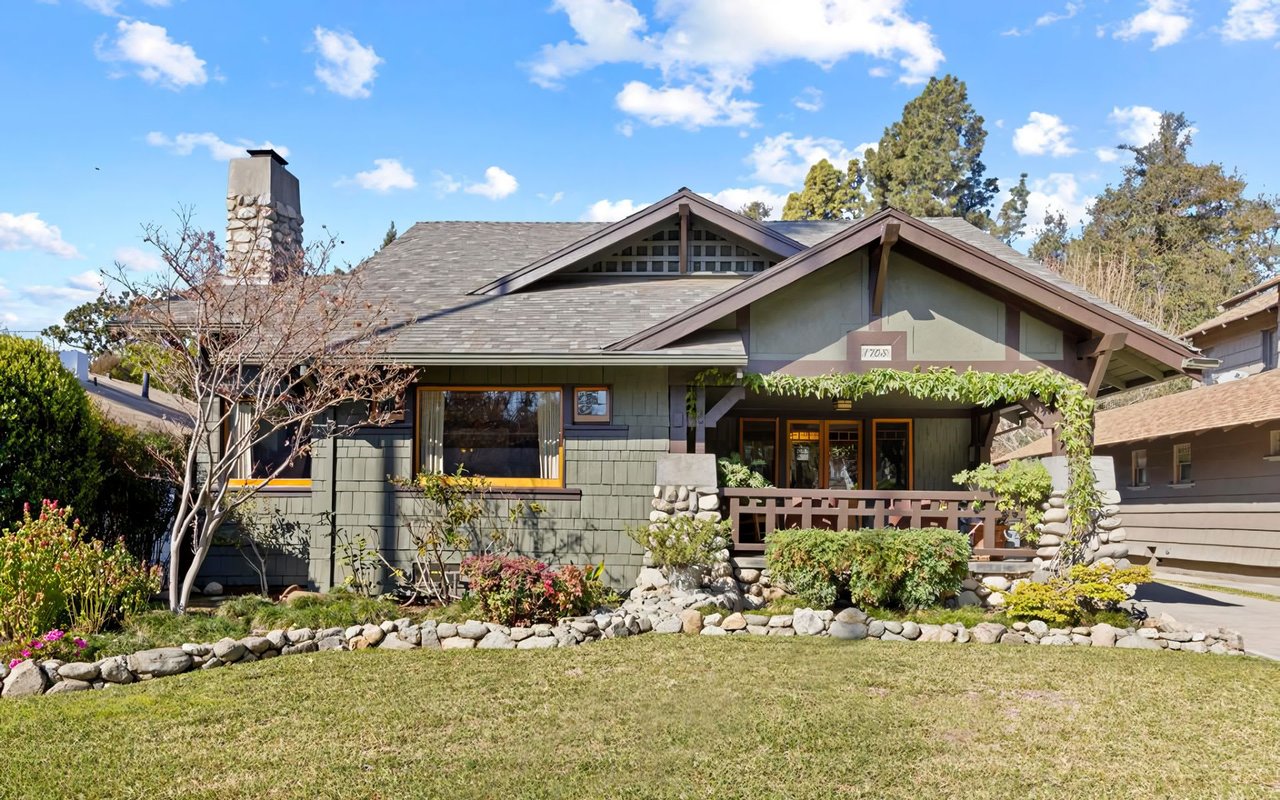
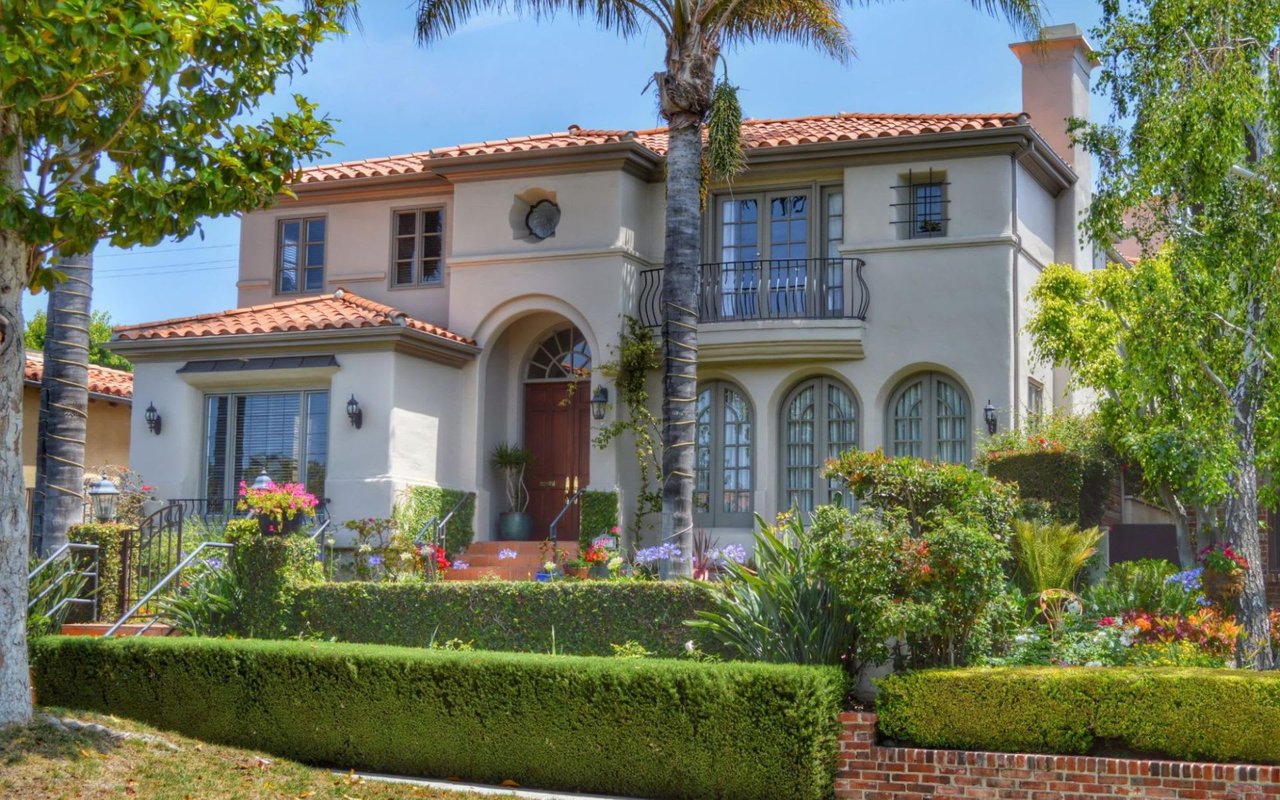
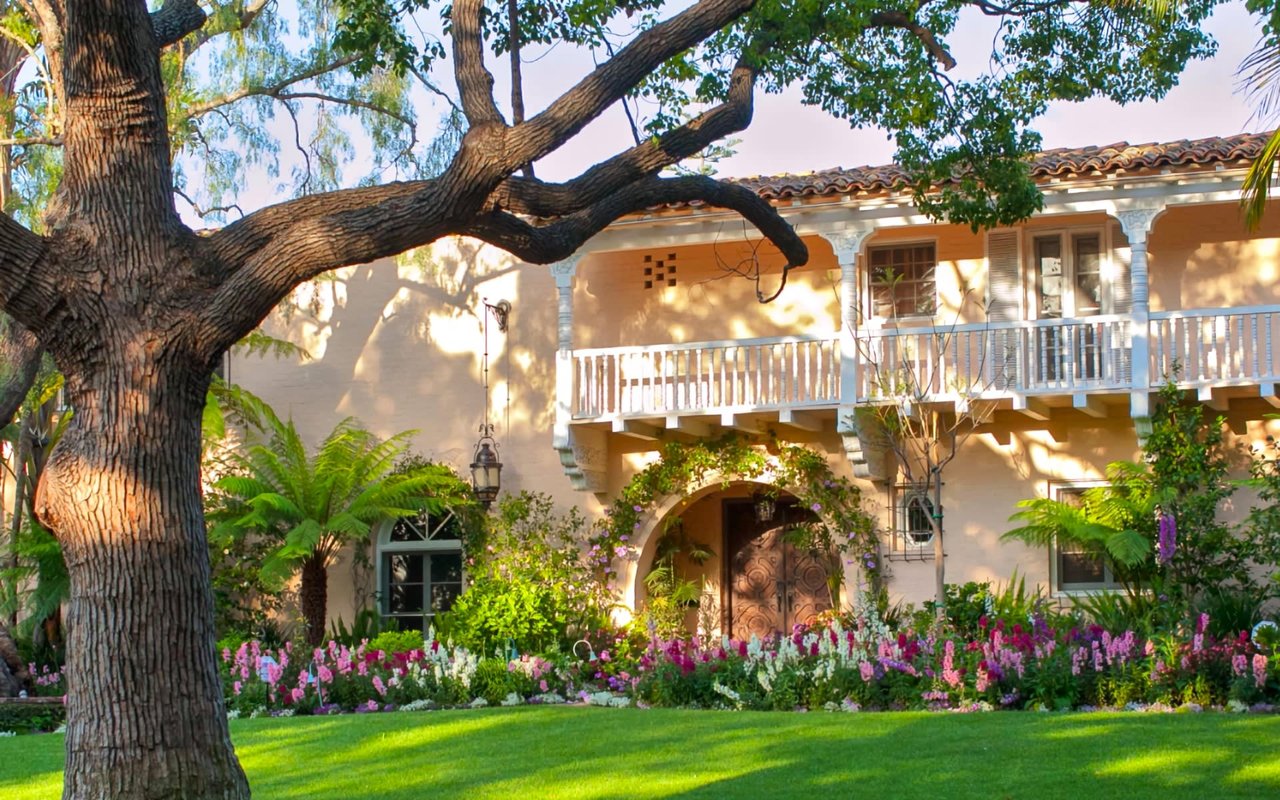
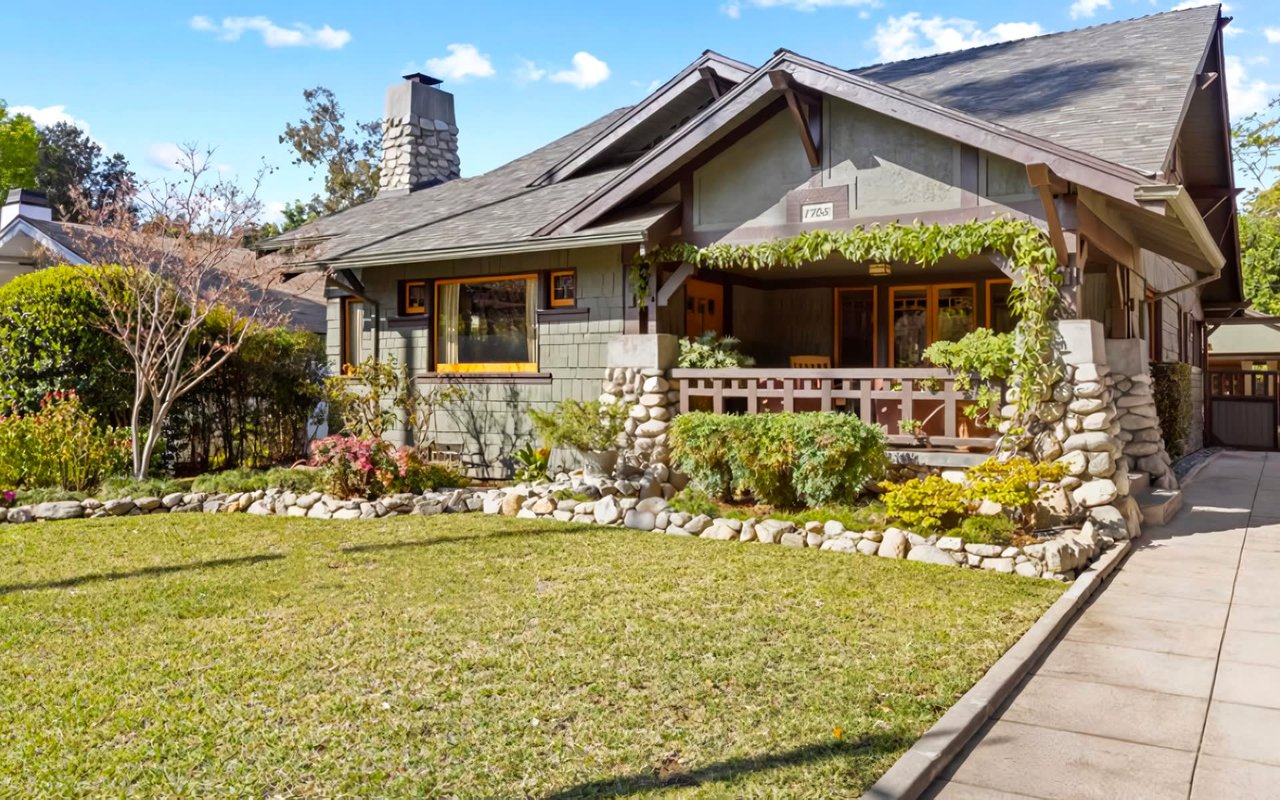
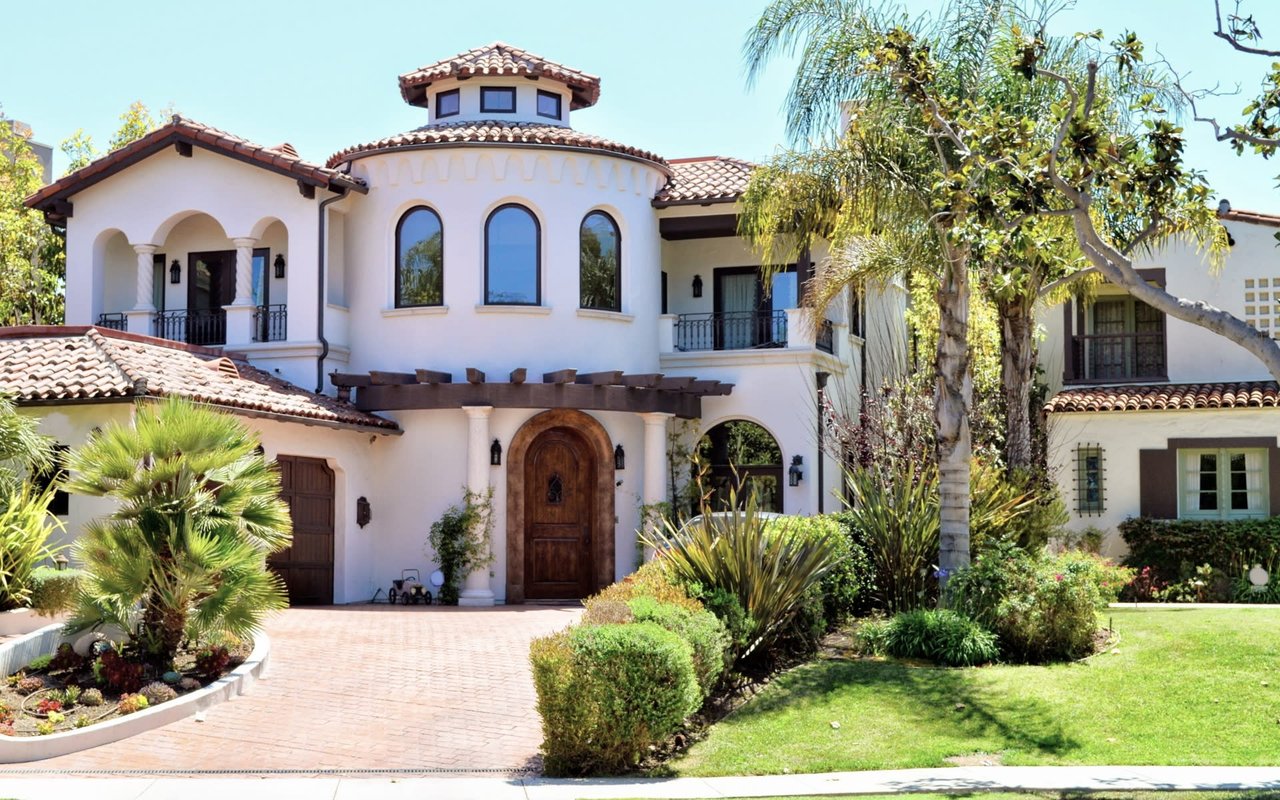
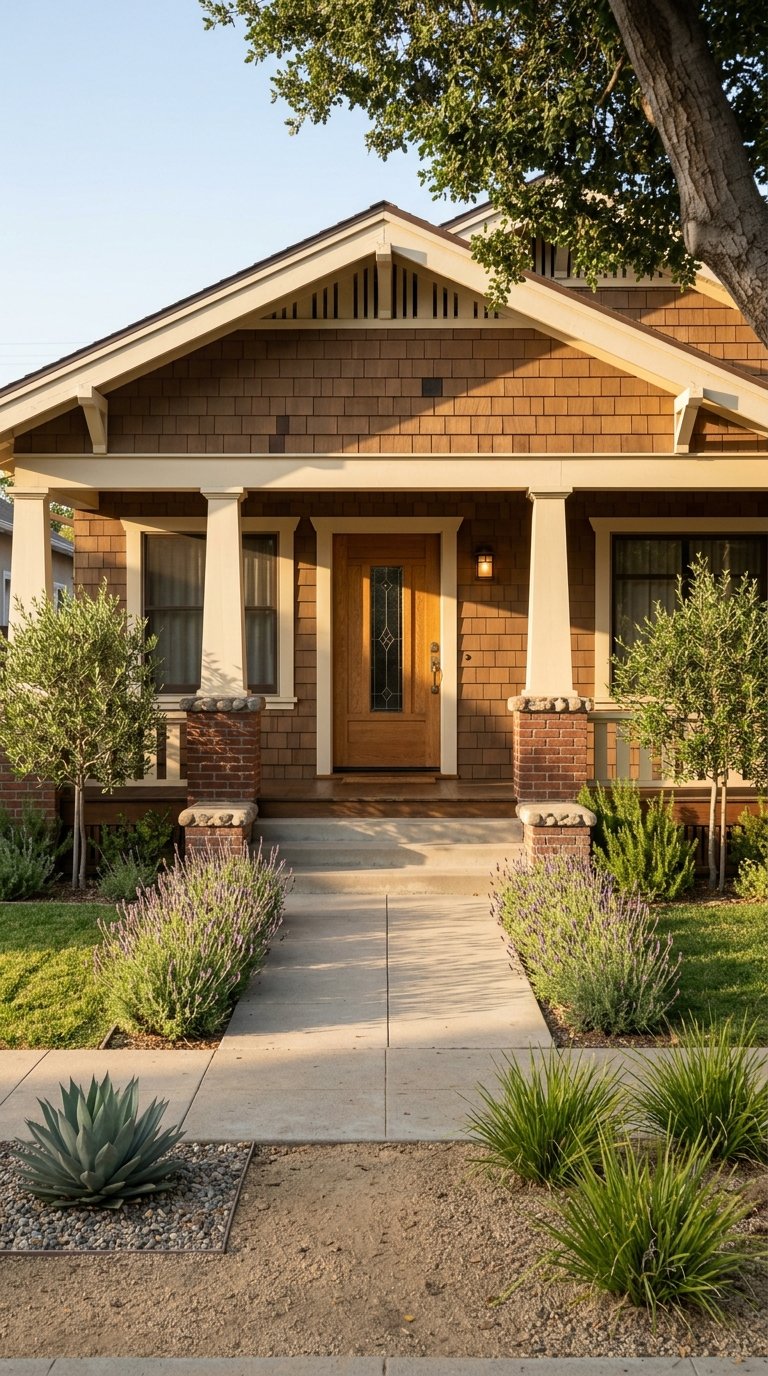
Pasadena’s preservation framework is not just a footnote in the sales process. The city’s historic-preservation ordinance specifically supports the preservation and adaptive reuse of significant properties and recognizes historic resources as economic assets that can help stabilize and improve property values. The city also notes Pasadena’s importance as a center of architecture in Southern California, with a wide range of late-19th-century, early-20th-century, period-revival, and modernist homes.
For you as a seller, that means a historic home can carry real market appeal, but it can also come with a different level of buyer due diligence. Buyers often want to understand not only the home’s style and age, but also what protections, review standards, or obligations may apply after closing.
A smart first step is to confirm whether your property is individually designated, contributes to a historic district, or may be eligible for review. Pasadena treats local designation and state or national listing as separate processes, and the city outlines those categories through its historic places resources.
Know your home’s designation status
Before you list, it is important to get clear on exactly how the city classifies your property. That status can shape how buyers view future renovation possibilities, what disclosures matter most, and whether prior exterior changes may come under closer scrutiny.
Pasadena also provides a central place to review preservation materials, including the historic-resource database, historic context reports, and conservation plans for certain landmark districts. You can start that research through the city’s Historic Preservation Documents page.
If your home is in a designated district, or if it is older and may be subject to review, having that information ready before going to market can make your listing package much stronger. It also helps you answer buyer questions with confidence.
What buyers often care about most
When buyers look at a historic Pasadena home, they are usually evaluating two things at once. First, they are responding to the home’s architecture, original details, and overall character. Second, they are trying to understand what they can and cannot change later.
Pasadena’s ordinance draws a clear line between ordinary maintenance and an alteration. The city defines an alteration as an exterior change that may affect character-defining features, while ordinary maintenance and repairs are not considered alterations. In practical terms, visible features like original windows, porch details, roof materials, and other exterior elements can become especially important during the sale.
That is one reason your marketing and disclosures should present the home thoughtfully. A well-prepared seller can help buyers appreciate both the home’s architectural value and the realities of owning a property within Pasadena’s preservation framework.
What exterior work may be reviewed
In Pasadena, review rules vary depending on the property type and location. Outside the Central District, exterior work in designated landmark districts and designated or eligible historic districts is reviewed only for work visible from public streets, and public alleys are excluded.
For individually designated landmarks and monuments, the city focuses on features visible from streets and sidewalks. However, Pasadena may also review work that is not visible if it affects character-defining features or the property’s overall integrity.
For sellers, this matters because buyers may ask whether prior exterior changes were reviewed or approved where required. If you have records for roofing, windows, porch work, exterior finishes, or additions, it helps to organize them before your home goes live.
What Pasadena usually exempts
Not every change triggers the same level of review. In landmark and historic districts outside the Central District, Pasadena exempts several categories of work, including:
- Paint colors and stains
- Routine maintenance and minor repairs
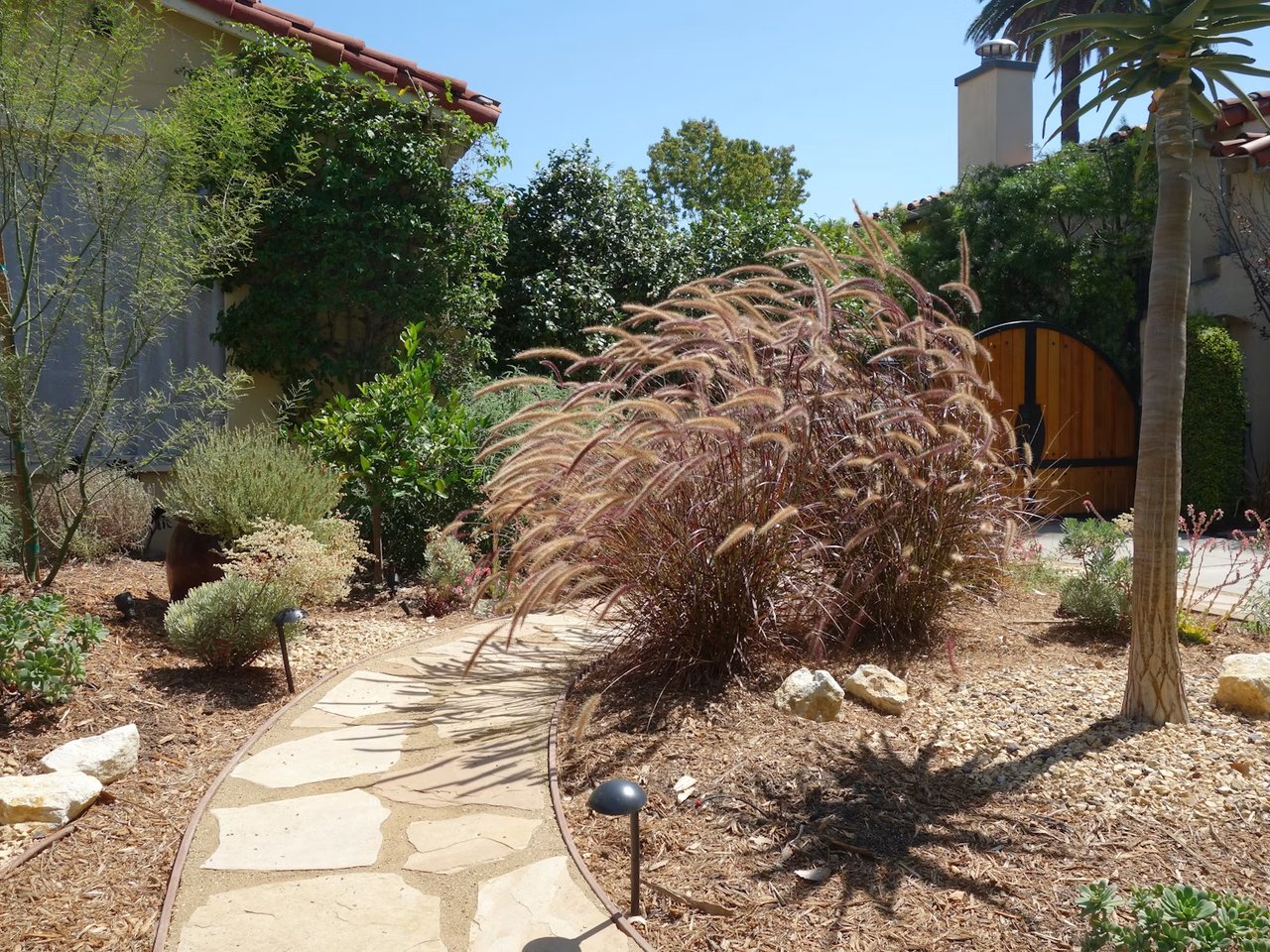
- Landscaping
- All interior alterations
- Screens and awnings
- Flat concrete work
- Rear-yard walls and fences
- Reroofing, unless the material changes
- Exterior lighting fixtures
- Window and door grilles
These exemptions can be helpful when you are preparing your home for market. Even so, if you are considering pre-sale work on visible historic features, it is still wise to verify whether your specific project falls within an exemption under the city’s historic-preservation ordinance and related zoning sections.
Major changes can raise timing issues
If you are thinking about larger pre-listing improvements, timing matters. Major projects generally require a Certificate of Appropriateness, and the city says reviews affecting historic properties are guided by the Secretary of the Interior’s Standards. If a district has an adopted conservation plan, that plan takes precedence over the general ordinance.
That means last-minute remodel plans can complicate a sale if approvals are needed. In many cases, the more market-friendly approach is to preserve the home’s visible historic character, document prior work, and avoid making major exterior changes right before listing unless you have already confirmed the city’s requirements.
Demolition and major-project rules for older homes
Pasadena takes a careful approach to demolition and major work affecting older structures. For properties that are 45 years old or older, the city requires a Historic Resource Evaluation when an applicant proposes demolition or a major project, unless the property has already been evaluated recently or the work is being reviewed through CEQA.
The city also sets a high bar for demolition of a historic resource. Required findings include conditions such as severe structural damage, no economically reasonable or practical adaptive-use option, or a compelling public interest. Pasadena also requires a replacement building permit before issuing a demolition permit for a primary structure.
Even if you are not planning demolition, these rules signal something important to buyers: older Pasadena homes may carry review considerations that should be understood early in the transaction.
How a Mills Act contract affects a sale
If your home is under a Mills Act contract, that should be a key part of your pre-listing preparation. Pasadena’s Mills Act program allows qualifying owners of private historic properties to receive a property-tax reduction in exchange for rehabilitating, restoring, and maintaining the property according to the Secretary of the Interior’s Standards.
For a buyer, that can be a meaningful benefit. But it also comes with obligations that need to be explained clearly. According to Pasadena’s Mills Act guidelines, the contract has an initial 10-year term, renews automatically each year, is recorded on title, transfers to the buyer upon sale, and may lead to inspections or a cancellation fee if the contract is breached.
In other words, a Mills Act property may offer tax advantages, but it is not a casual designation. If your home has a Mills Act contract, buyers should understand both the benefit and the continuing responsibility.
A practical pre-listing checklist
Selling a historic home usually goes more smoothly when you do the homework up front. A strong pre-listing plan can reduce buyer uncertainty and help your property stand out for the right reasons.
Before listing, consider this checklist:
- Confirm the home’s designation status in Pasadena’s historic-resource database
- Gather prior surveys, historic context reports, or related preservation documents
- Check whether a conservation plan applies to your district
- Organize permits, invoices, and records for exterior work already completed
- Identify whether your property is subject to a Mills Act contract
- Prepare clear notes on major systems, maintenance history, and restoration work
- Avoid making visible exterior changes before confirming the city’s rules
This kind of preparation helps buyers see that the home has been cared for thoughtfully. It also gives your agent a stronger foundation for pricing, marketing, and disclosure strategy.
Marketing a historic home the right way
Historic homes often need a more tailored sales approach than standard listings. Buyers are not just comparing square footage and finishes. They are also weighing architectural integrity, stewardship, future flexibility, and the overall story of the property.
That is why presentation matters. Professional photography, careful listing language, and organized documentation can help buyers understand what makes the home special without creating confusion about its preservation status.
It also helps to frame the home honestly. Historic status can support marketability, and Pasadena’s ordinance recognizes preservation as part of the city’s economic fabric. At the same time, buyers should understand that future alterations may be more constrained than they would be with a non-designated property.
Sell with clarity and confidence
Selling a historic home in Pasadena is often about balancing character, compliance, and clear communication. When you know your property’s status, understand the city’s review framework, and prepare documentation before listing, you are in a much stronger position to attract serious buyers and keep the transaction on track.
If you are thinking about selling and want a measured, high-touch strategy for a distinctive property, The Middleman Team can help you prepare, position, and market your home with the care it deserves.
FAQs
What should Pasadena sellers check first for a historic home?
- Start by confirming whether the property is individually designated, contributes to a historic district, or may be eligible for review under Pasadena’s preservation framework.
What exterior changes are reviewed for Pasadena historic homes?
- Outside the Central District, Pasadena generally reviews exterior work visible from public streets in designated landmark districts and designated or eligible historic districts, with additional review possible for certain individually designated landmarks and monuments.
What work is usually exempt for Pasadena historic properties?
- Common exemptions include paint colors, routine maintenance, landscaping, all interior alterations, screens and awnings, flat concrete work, rear-yard walls and fences, reroofing without a material change, exterior lighting fixtures, and window or door grilles.
How does a Mills Act contract affect a Pasadena home sale?
- A Mills Act contract can provide a property-tax reduction, but it is recorded on title, transfers to the buyer upon sale, renews automatically each year after the initial term, and includes ongoing maintenance obligations.
Do older Pasadena homes need extra review before major work?
- Yes. Pasadena requires a Historic Resource Evaluation for demolition or a major project affecting a property that is 45 years old or older, unless an exception applies.
Why do buyers ask for permits and preservation records on Pasadena historic homes?
- Buyers often want to understand whether prior exterior work was completed appropriately, whether any conservation plan applies, and what future changes may be subject to city review.