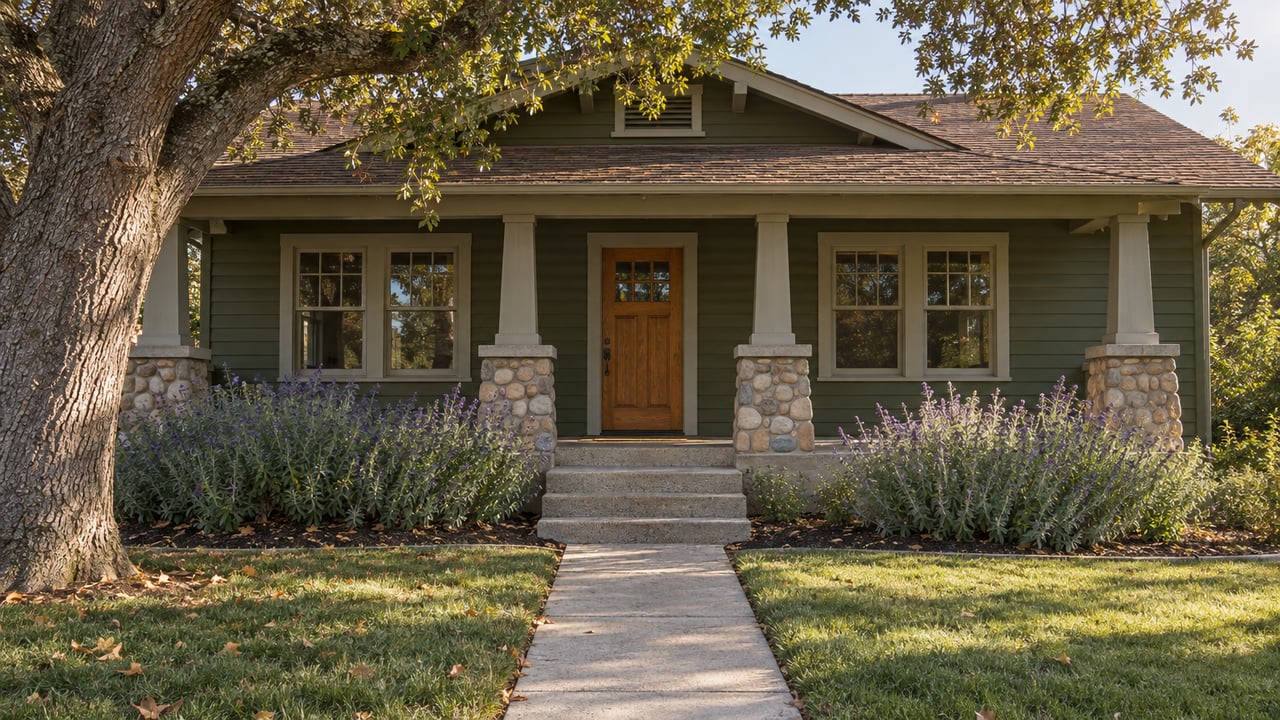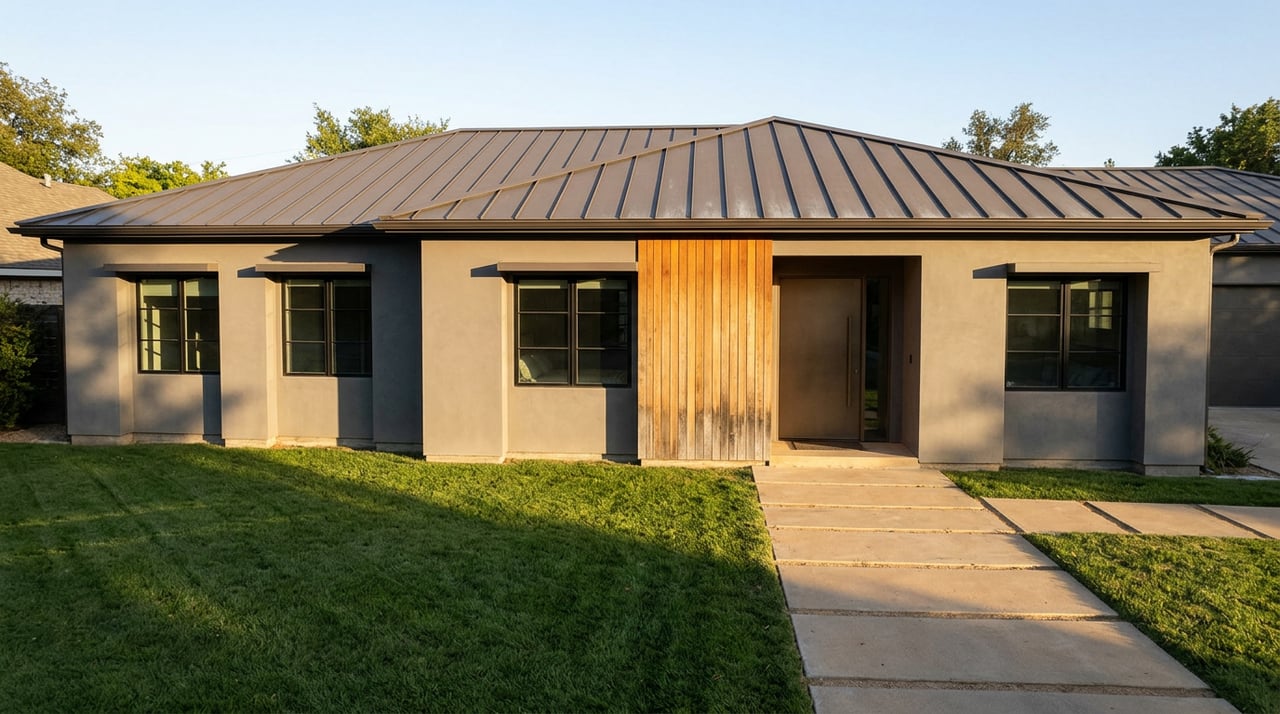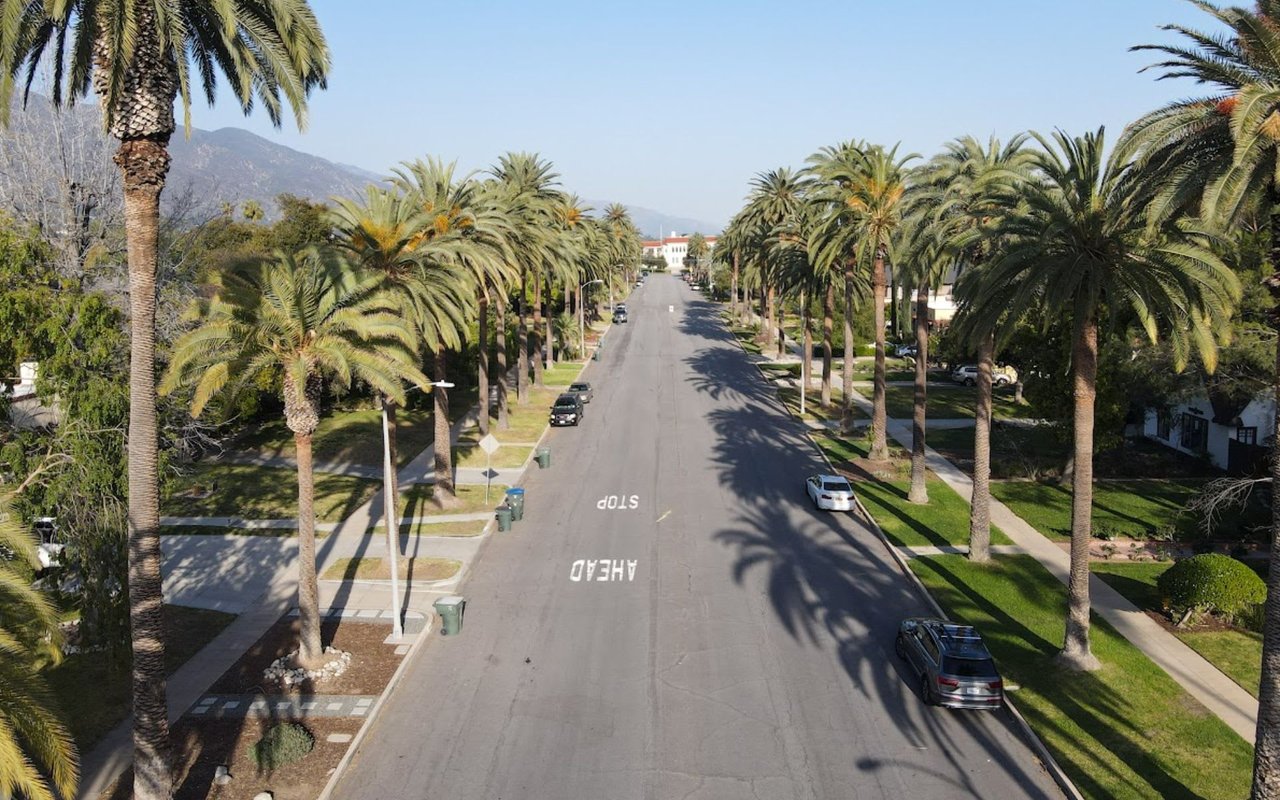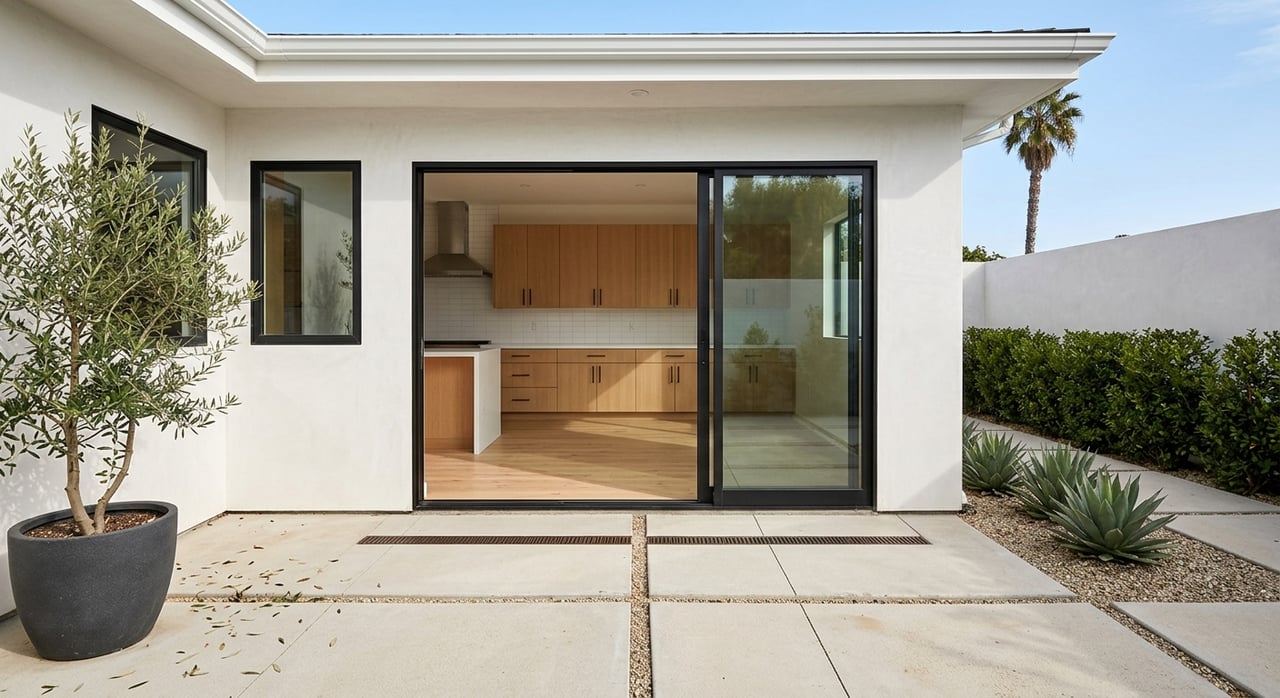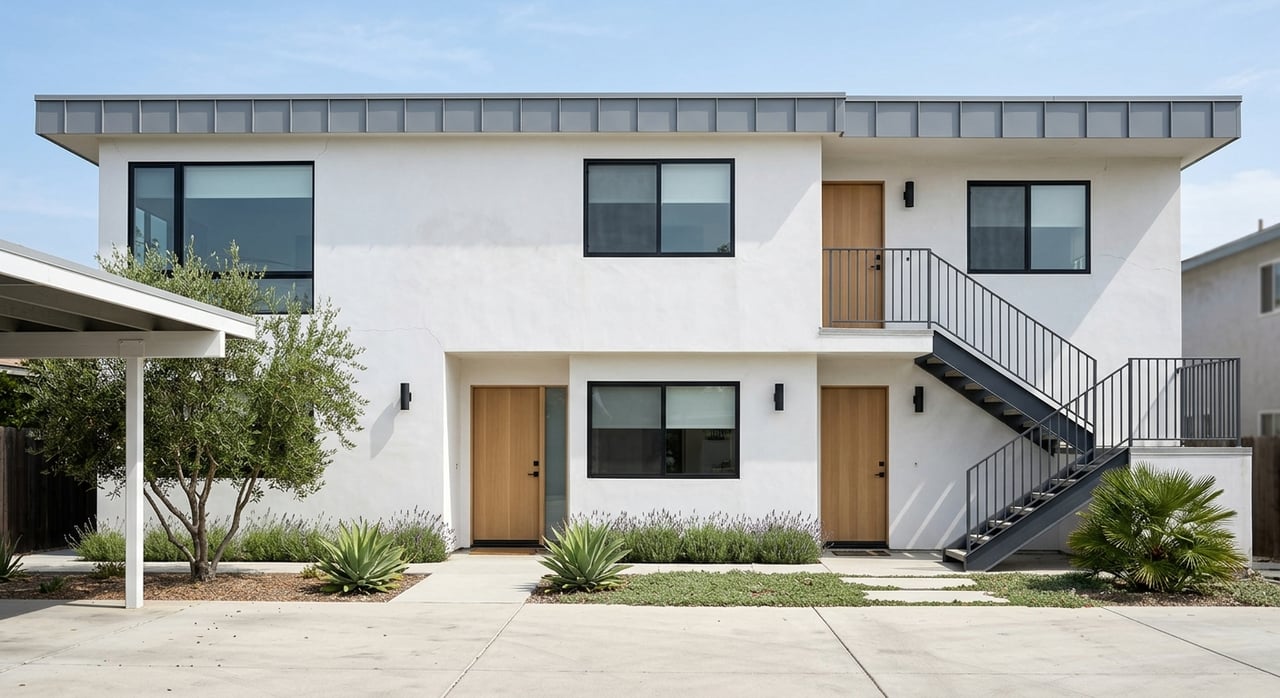
If you are looking at duplexes and small multi-unit properties in Arcadia, you are shopping in a part of the market that is much less common than single-family housing. That can create opportunity, but it also means the right deal often comes down to details like parking, building age, rent rules, and future use potential. This guide will help you understand what makes Arcadia small multifamily properties attractive, what to watch during due diligence, and how to think more clearly about value before you buy or sell. Let’s dive in.
Why Arcadia Small Multi-Unit Properties Stand Out
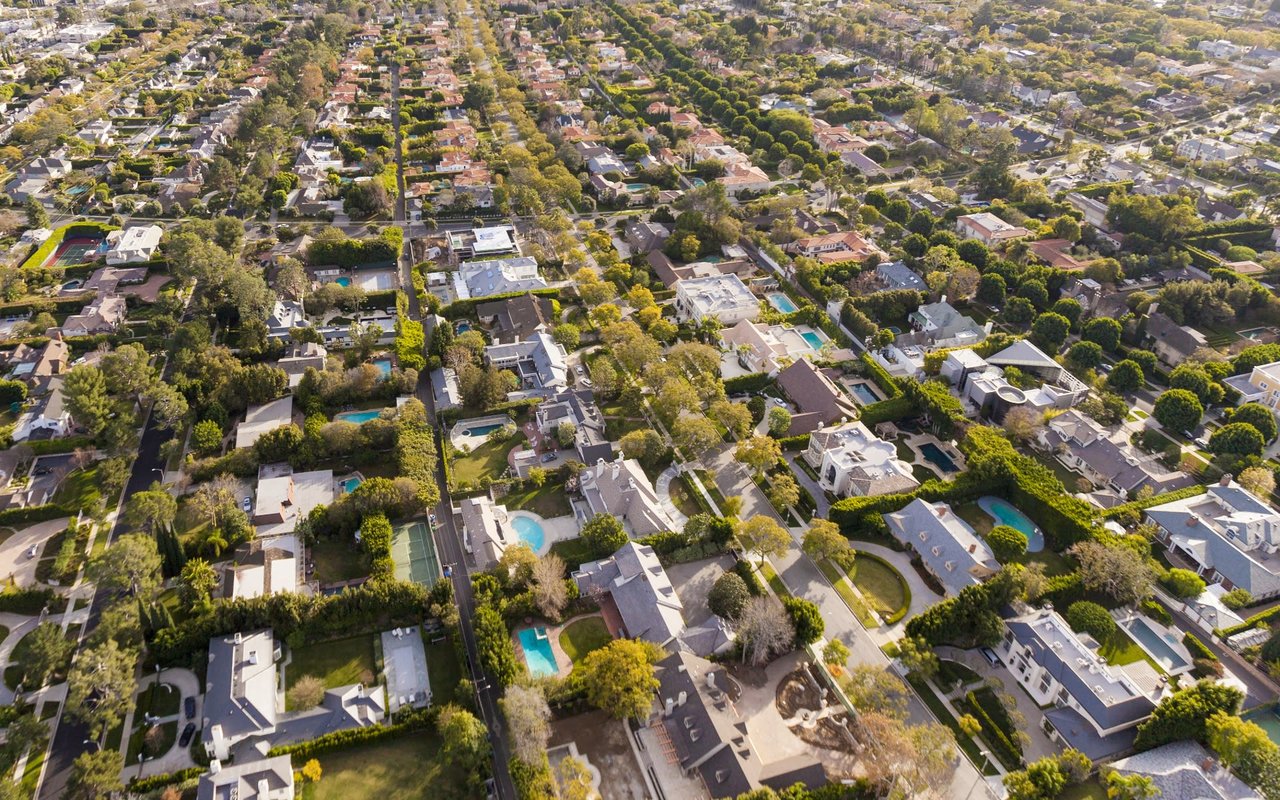
Arcadia is still largely a single-family market. According to the city’s Housing Element, 70% of housing units were single-family in 2021, while 30% were multifamily. More specifically, 2-to-4-unit properties made up 1,359 units, or about 6% of the city’s total housing stock.
That relative scarcity matters if you are an investor or an owner-occupant. Duplexes and small multi-unit properties can draw attention simply because there are not many of them, especially in a city where housing values are already high.
Local housing data also points to a market where quality and usability matter. Census QuickFacts reports a 58.5% owner-occupied rate, a median household income of $116,142, a median gross rent of $2,118, a median owner-occupied home value of $1,336,500, and a mean commute time of 30.3 minutes. In practical terms, buyers and tenants are likely to care about condition, layout, parking, and commute convenience.
What Drives Rentability in Arcadia
Transit Access Helps
Location plays a big role in how easy a property is to rent. Arcadia Transit centers service around the Arcadia A Line Station, with connections to places like Santa Anita Park, City Hall, USC Arcadia Hospital, The Shops at Santa Anita, and the Los Angeles County Arboretum.
Metro describes the A Line as a 57.7-mile light rail line with 48 stations. For tenants who want commuting options, a property with practical access to the station or connected transit routes may have broader appeal.
Parking Can Make or Break Demand
Parking is not a small detail in Arcadia. The city notes that public street parking is prohibited between 2:30 a.m. and 5:30 a.m. unless special circumstances apply.
That means a duplex or small apartment property with workable on-site parking may be easier to lease than one that depends heavily on street parking. When you review a property, it helps to think about how residents and guests will actually use the site day to day.
Older Buildings Need Closer Review
Arcadia has a meaningful share of older housing stock. The city reports that 46.21% of housing units were built before 1970.
Older properties can offer charm, strong locations, and value-add potential, but they often need more capital planning. The city’s Housing Element notes that homes over 30 years old may require major work such as roof, foundation, or plumbing repairs, even though ongoing maintenance can reduce some deterioration.
The good news is that city records showed only four properties considered substandard in 2018 through 2021 code-enforcement data. Even so, if you are underwriting a smaller multifamily asset, it is smart to look carefully at deferred maintenance instead of assuming a solid exterior tells the full story.
ADU Potential May Add Flexibility
Some Arcadia properties may have added upside through an accessory dwelling unit, or ADU. The city defines an ADU as a separate living unit on the same parcel as a primary residence, and city zoning materials show ADUs can be allowed on lots with single-family or multifamily dwellings, subject to local standards and review.
That does not mean every property qualifies. Feasibility depends on the lot, layout, setbacks, parking, and city review. Still, if you are comparing two similar properties, one with realistic ADU potential may deserve a closer look.
Foothill Location Can Affect Risk
Not every location factor boosts value. Arcadia states that properties in a Very High Fire Hazard Severity Zone must provide defensible-space inspection documentation when sold.
For buyers, that can affect insurance planning and due diligence. For sellers, it is something to address early so the transaction stays organized.
Arcadia Rent Rules and Exemptions
A common question is whether Arcadia has local rent control. The city does not have a local rent control or rent stabilization ordinance. Instead, the city points owners to California’s Tenant Protection Act, AB 1482.
According to the California Attorney General information referenced by the city, the law generally limits annual rent increases to 5% plus CPI or 10%, whichever is lower, and includes statewide just-cause protections in many cases. The law is currently scheduled to remain in effect until January 1, 2030.
Why Exemption Status Matters
You should not assume every duplex or small multifamily property is treated the same under AB 1482. Arcadia’s housing resources page notes that exemptions may include single-family homes and condos not owned by certain corporate structures, owner-occupied duplexes where the owner lived in one unit when the tenant moved in and continues to live there, and units built within the last 15 years.
This is one of the most important due-diligence points for buyers. If you are planning future rent adjustments or move-in strategy, you need to verify whether the property is covered or exempt before you underwrite the deal.
Due Diligence Before You Buy
Small multifamily investing in Arcadia is often won or lost during the review period. A property can look straightforward at first, but the real value usually comes into focus only after you review operations, condition, and land-use limits together.
Review the Income Story
Start with the basics. You want a clear picture of the rent roll, lease terms, expense history, and any vacancies or month-to-month tenancies.
In a market like Arcadia, where small multifamily supply is limited, buyers often look closely at whether current income is stable, under market, or constrained by regulation. Clean records can make a property easier to evaluate and easier to finance.
Review the Physical Condition
Condition matters because older stock is common. Look beyond cosmetic upgrades and pay attention to roofs, plumbing, foundation, drainage, electrical systems, and parking layout.
If a seller has maintenance records, permit history, or recent repair documentation, that can improve buyer confidence. For sellers, organizing this information ahead of time can strengthen pricing and reduce friction during escrow.
Review Site and Zoning Potential
If you are buying for future improvement potential, Arcadia’s recent policy changes are worth noting. The city states that the City Council approved a citywide rezoning effort on February 6, 2024, and the California Department of Housing and Community Development found the adopted Housing Element in substantial compliance on February 9, 2024.
The city increased allowed density in the R3 zone from 30 to 40 dwelling units per acre and in the MU zone from 30 to 50 dwelling units per acre, while also adding a Residential Flex overlay in selected areas. That does not guarantee redevelopment value on every parcel, but it does mean some sites may have more long-term relevance than they once did.
Confirm What the City Will Review
Even modest plans to add space, convert garages, build an ADU, or redevelop a site can trigger a detailed city review. Arcadia’s plan-check materials say the city reviews setbacks, density, height, lot coverage, parking, and landscaping.
The city has also adopted objective design standards for multifamily and mixed-use projects. In plain terms, a property with upside on paper may still require time, planning, and compliance work before that upside becomes real.
How to Price an Arcadia Duplex or Small Multi-Unit Property
If you are selling, buyers will usually evaluate your property through two lenses at once. First is the income story, including rents, lease structure, expenses, and occupancy. Second is the physical-condition story, including maintenance, parking, and any legal or practical upside.
Because Arcadia has limited small multifamily inventory and high housing values, strong presentation can make a meaningful difference. A well-documented building with organized financials and a clear maintenance history is often easier for buyers to trust.
What Sellers Should Prepare
Before going to market, it helps to organize:
- Current rent roll
- Copies of lease agreements
- Operating expense history
- Maintenance and repair records
- Parking details and site layout information
- Permit records, if available
- Notes on ADU or improvement potential, if supported by the property
- Disclosure items, including fire hazard zone documentation if applicable
This kind of preparation supports a more confident buyer pool. It also helps your property tell a cleaner, more credible story from the start.
When Property Management Makes Sense
Not every owner wants or needs professional management, but it can be useful in the right situation. The research suggests it tends to make the most sense when an owner lives out of the area, when a property has multiple units and more turnover, or when day-to-day compliance and tenant communication become hard to manage consistently.
Arcadia contracts with the Housing Rights Center for tenant-landlord counseling, which highlights how important it is to handle fair housing, rent rules, and tenant communication carefully. For some owners, strong systems are enough. For others, professional management may help protect time and reduce operational stress.
Why Local Guidance Matters in Arcadia
Arcadia duplexes and small multi-unit properties are not just smaller versions of large apartment deals. They sit in a market where supply is limited, many buildings are older, parking matters, and local zoning changes may affect future value.
That is why local context matters so much. A buyer needs to look at income, condition, rent law, parking, transit access, and site potential together. A seller needs to package those same factors in a way that makes sense to both local and out-of-area buyers.
For owners, investors, trustees, and families handling a sale, a measured strategy can make the process far easier. If you want experienced guidance on how to evaluate, market, or sell an Arcadia duplex or small multi-unit property, The Middleman Team brings local market knowledge, careful planning, and boutique representation tailored to complex properties.
FAQs
Is Arcadia rent-controlled for duplexes and small multifamily properties?
- Arcadia does not have a local rent control or rent stabilization ordinance, but many properties may still be subject to California’s Tenant Protection Act, AB 1482.
Are duplexes and 2-to-4-unit properties common in Arcadia?
- No. Arcadia’s Housing Element says 2-to-4-unit properties account for 1,359 units, or about 6% of the city’s total housing stock.
Does parking matter for Arcadia rental properties?
- Yes. Because public street parking is prohibited between 2:30 a.m. and 5:30 a.m. unless special circumstances apply, practical on-site parking can be an important leasing advantage.
Can you add an ADU to an Arcadia duplex or multifamily property?
- Sometimes. Arcadia allows ADUs on qualifying lots with single-family or multifamily dwellings, but feasibility depends on site conditions and city review.
Do older Arcadia multifamily buildings need more due diligence?
- Yes. The city reports that 46.21% of housing units were built before 1970, and older properties may need more capital planning for items like roofing, plumbing, or foundation work.
Do Arcadia zoning changes matter for small multifamily investors?
- They can. Arcadia approved citywide rezoning in February 2024, including higher allowed density in certain zones and a Residential Flex overlay in selected areas, which may affect future redevelopment potential on some parcels.