Looking for a place that feels a little quieter, a little more rooted, and still connected to the San Gabriel Valley? Sierra Madre stands out for exactly that reason. If you are thinking about moving here, buying a home here, or simply trying to understand what makes this small foothill city different, this guide will walk you through daily life, housing options, and the practical realities that shape the market. Let’s dive in.
Why Sierra Madre Feels Different
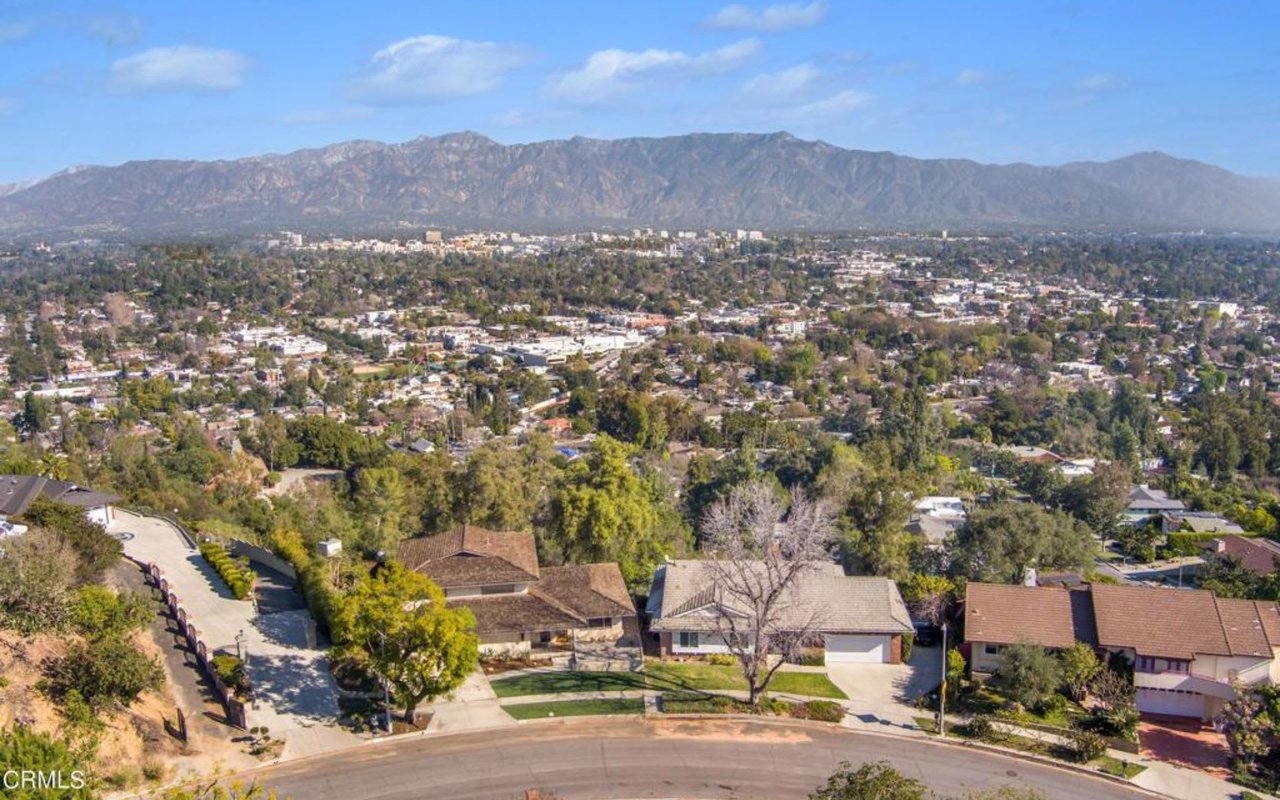
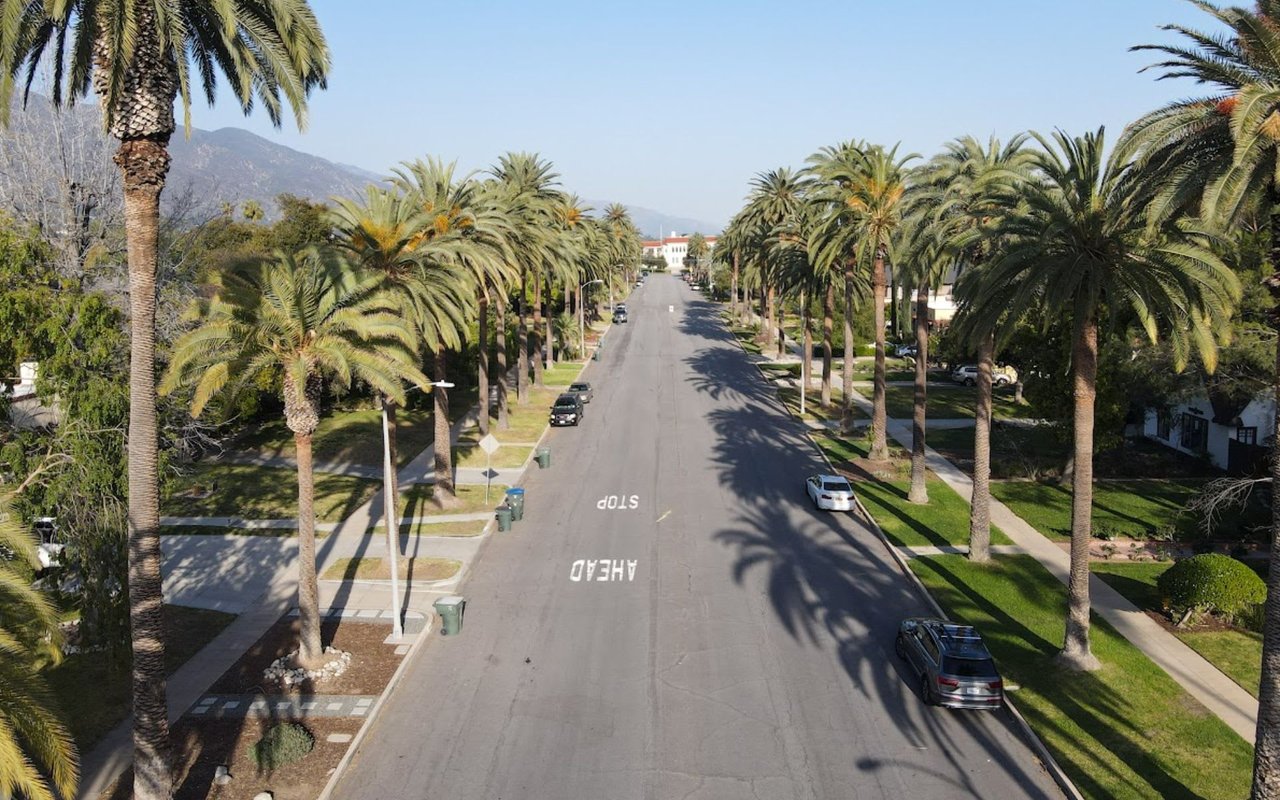
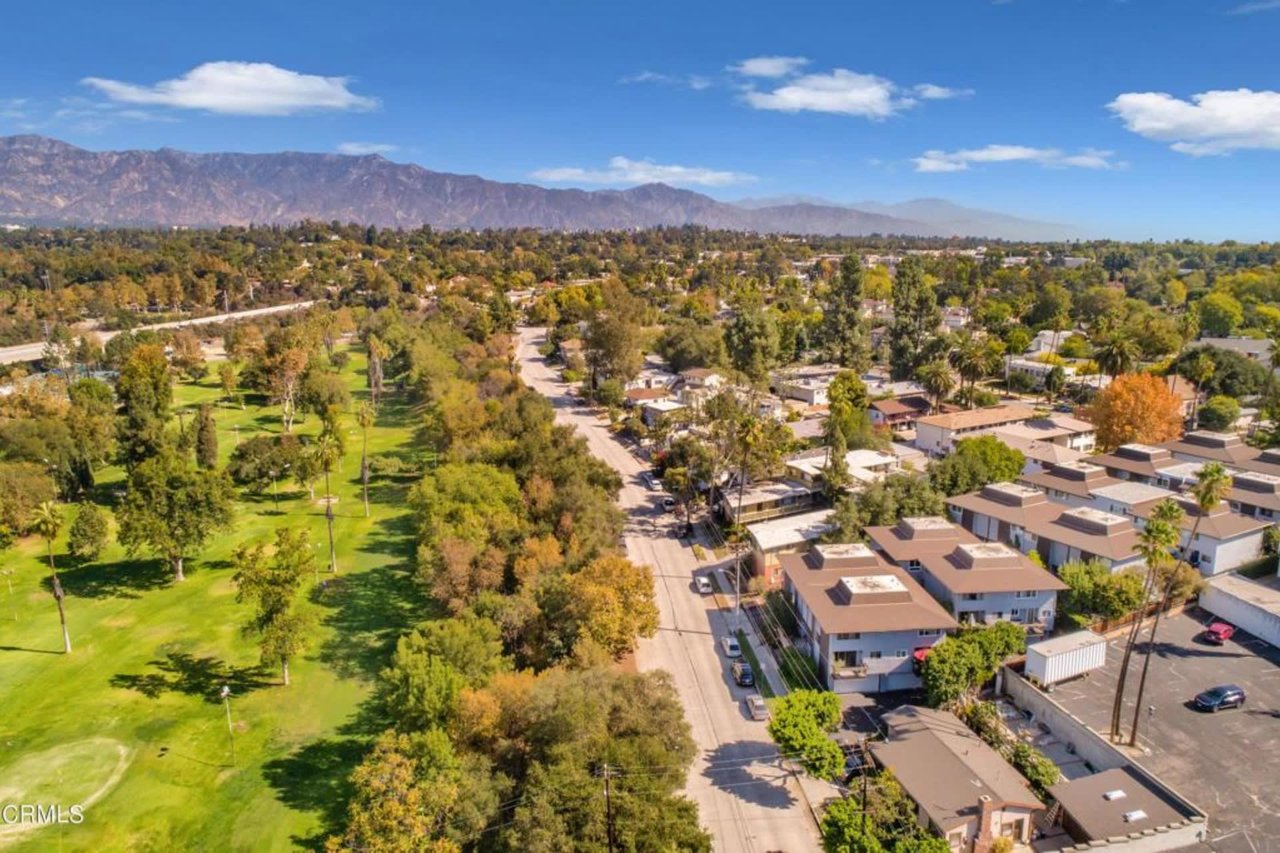
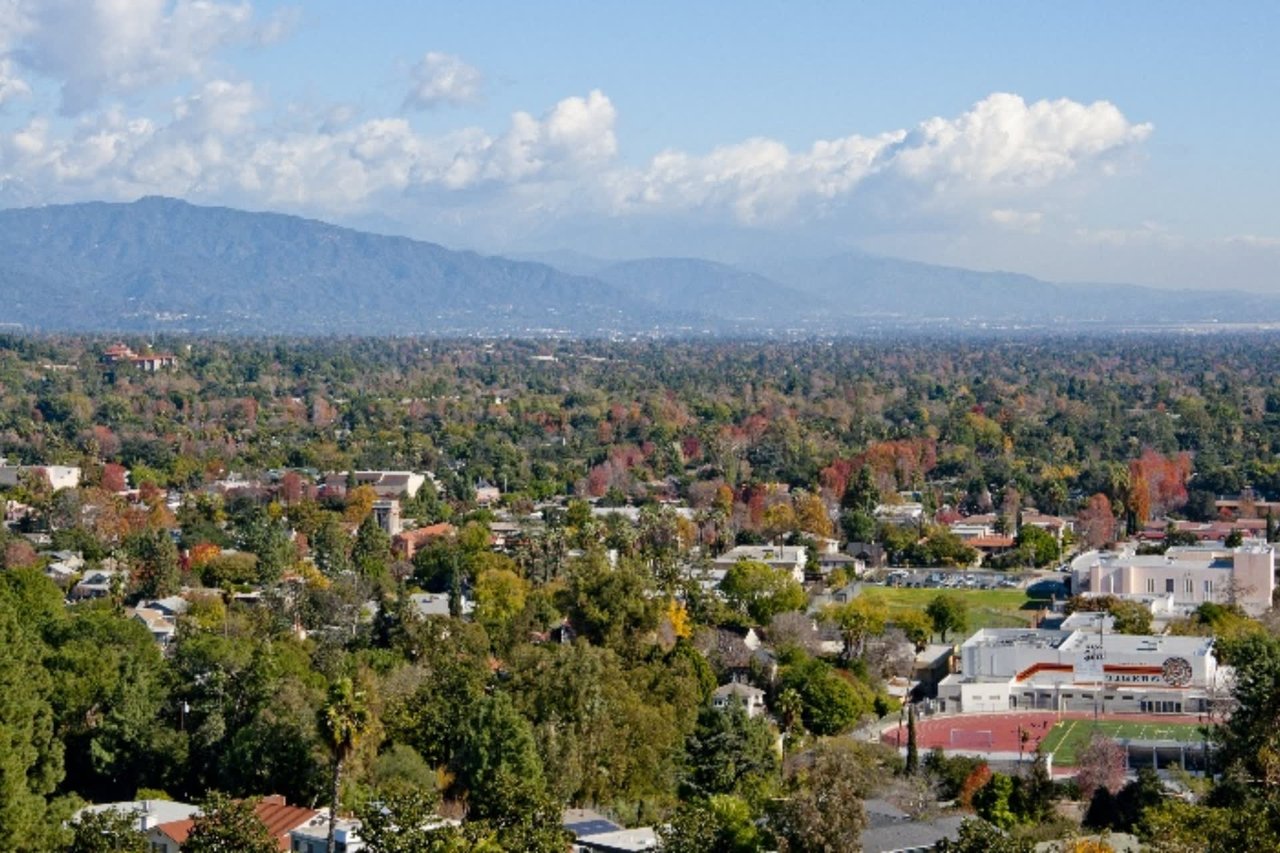
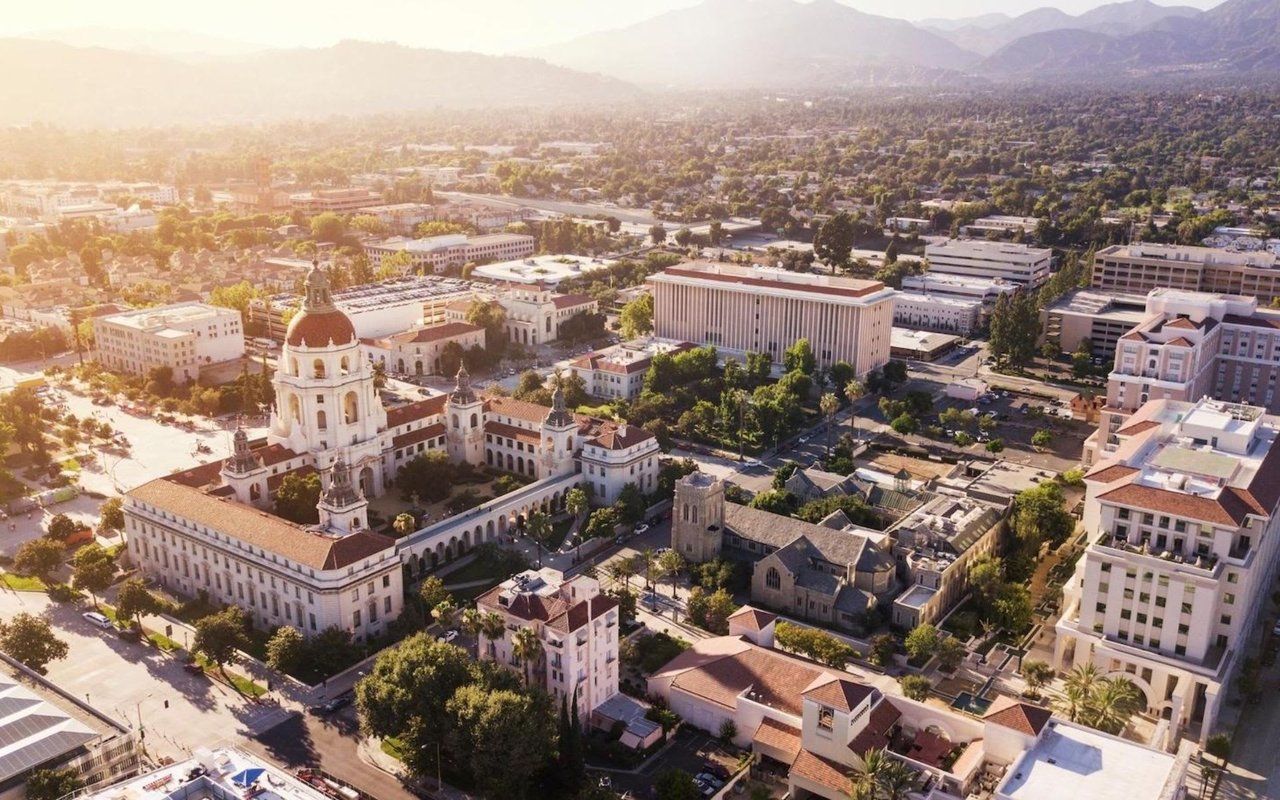
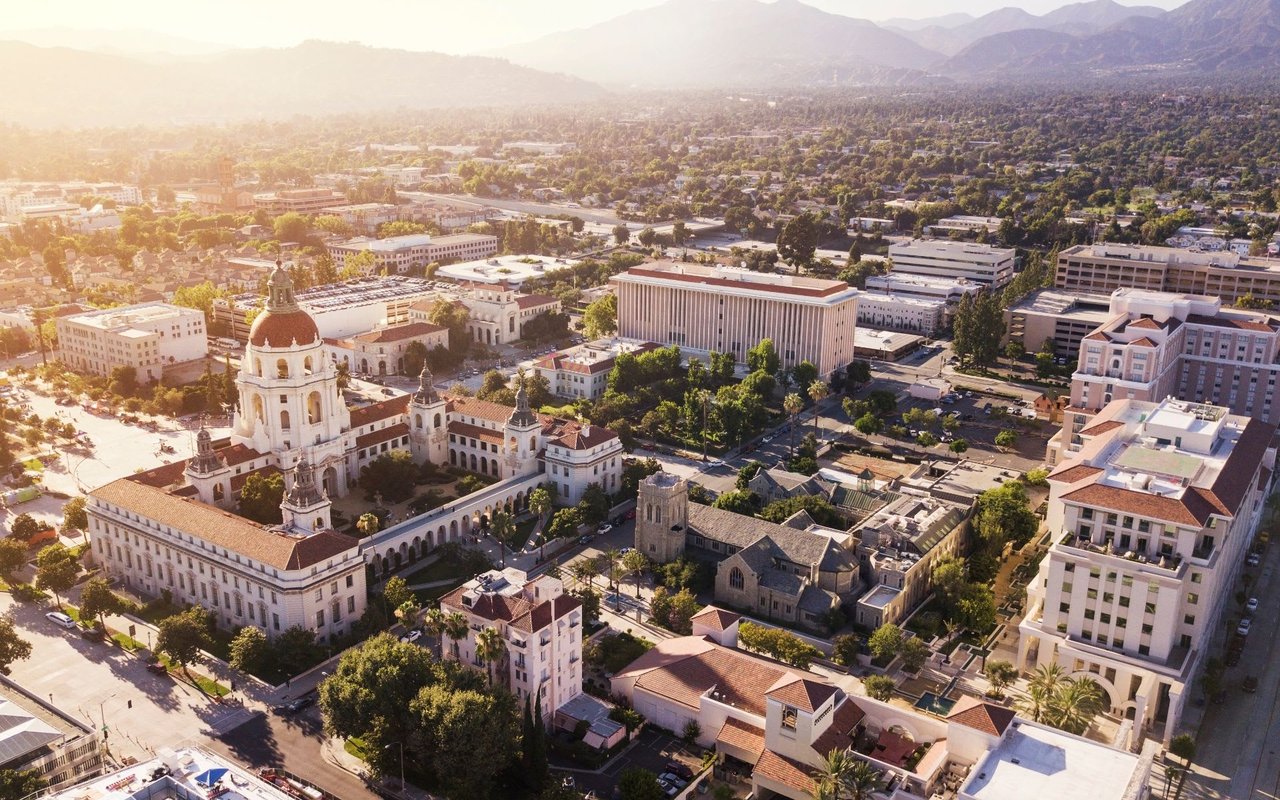
Sierra Madre is a compact city in Los Angeles County at the base of the San Gabriel Mountains, between Pasadena and Arcadia. City materials describe it as the “Village of the Foothills,” and that nickname fits the setting and scale. At about 3 square miles, it offers a much smaller footprint than many nearby cities.
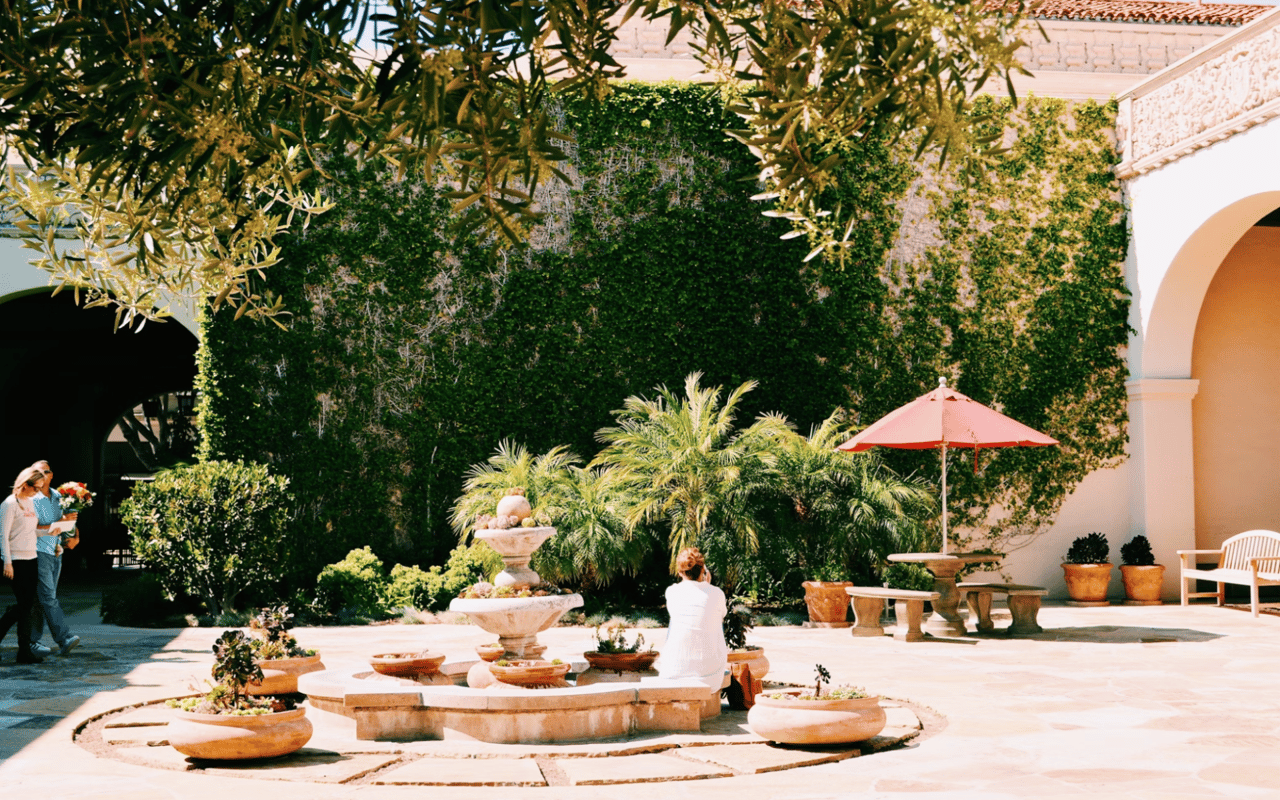
That smaller scale shows up in daily life. The city centers on a downtown shopping district, and planning materials point to a pedestrian-friendly village center, parks, wilderness access, and community recreation as key parts of the local experience. For many buyers, that combination creates a strong sense of place without feeling isolated.
Sierra Madre also has a relatively small population. The Census Bureau estimated 10,775 residents in July 2024, with 4,620 households. In the 2020 to 2024 ACS data, the city showed a 55.8% owner-occupied rate, a median owner-occupied home value of $1,226,800, a median gross rent of $2,198, and a median household income of $143,547.
What Daily Life Looks Like
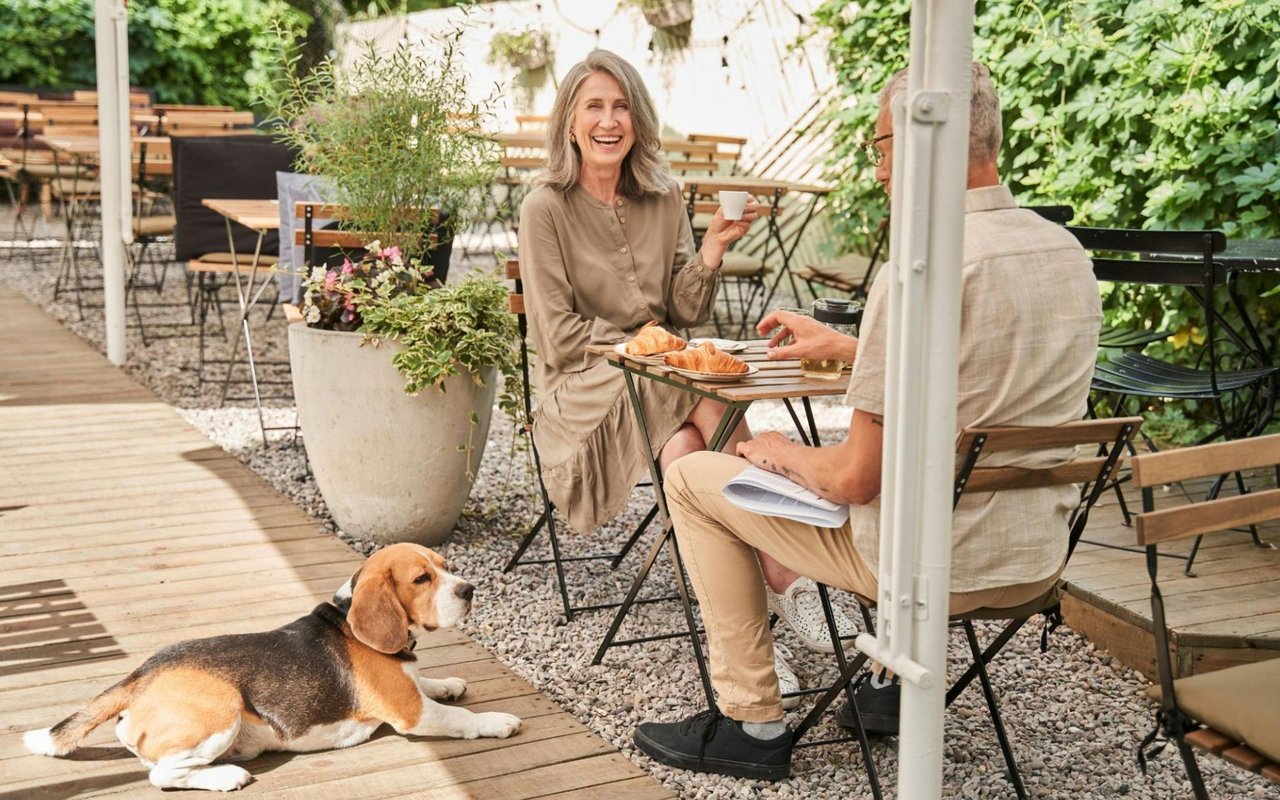
One of Sierra Madre’s biggest draws is how much community life is packed into a small area. The city’s recreation program includes aquatics, arts, biking, classes, community gardening, hiking, museums, parks, senior services, transportation, volunteering, and youth and teen services. That range gives residents many ways to plug into local life.
The downtown area helps anchor that experience. Planning materials describe it as a walkable village center, and local events reinforce that identity throughout the year. If you value a town where public spaces and local traditions still matter, Sierra Madre tends to leave a strong impression.
A few landmarks and events are especially tied to the city’s character:
- The historic Wistaria Vine, planted in 1894
- The annual Wistaria Festival held each spring
- The Winter Village Festival and Tree Lighting in downtown and Memorial Park
- Community-focused programming with vendors, music, and seasonal gatherings
For buyers relocating from busier parts of the region, this can feel like a meaningful shift. You are still in Los Angeles County, but the day-to-day rhythm may feel more local and more connected to the outdoors.
Sierra Madre Housing Options
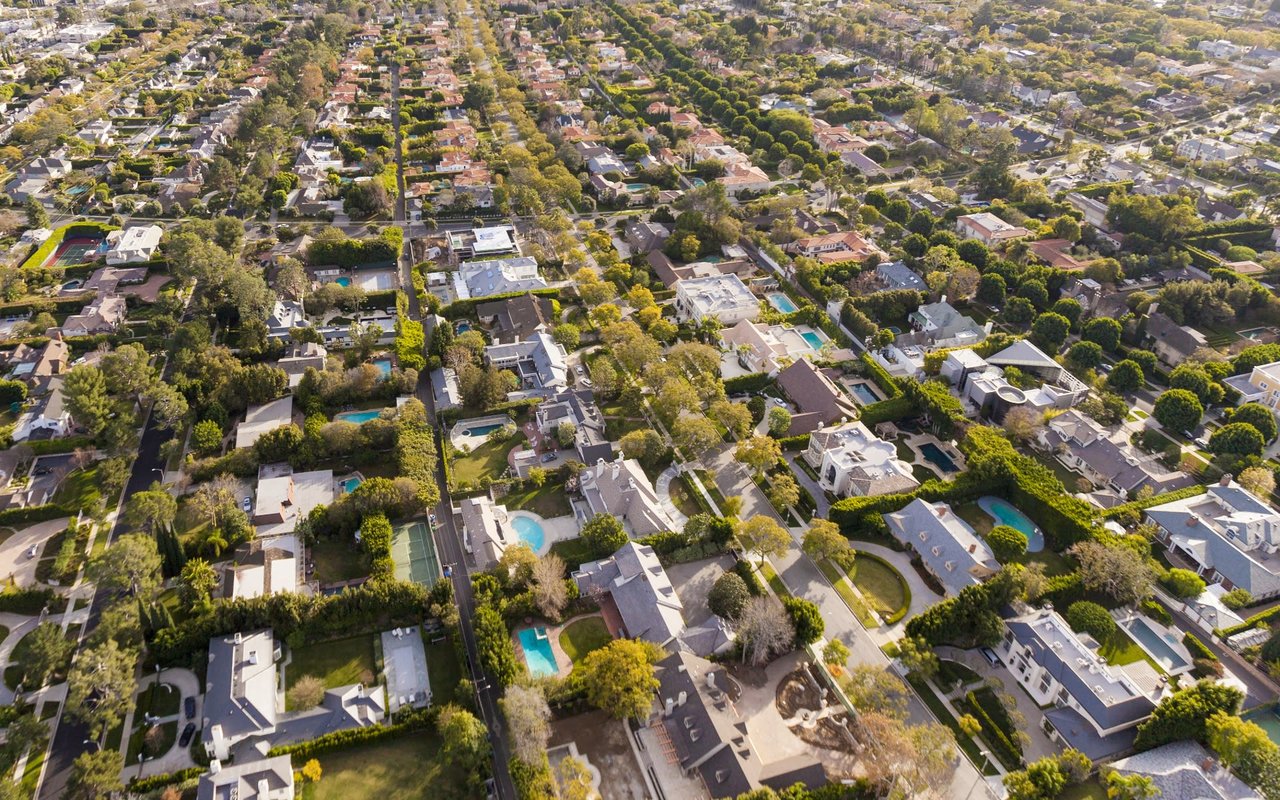
Sierra Madre is primarily residential, and it is also largely built out. According to the city’s housing element, residential land makes up roughly 80% of the city, vacant parcels are limited, and most new development tends to be additions, replacements, or new single-family homes. In other words, this is not a market defined by large tracts of new construction.
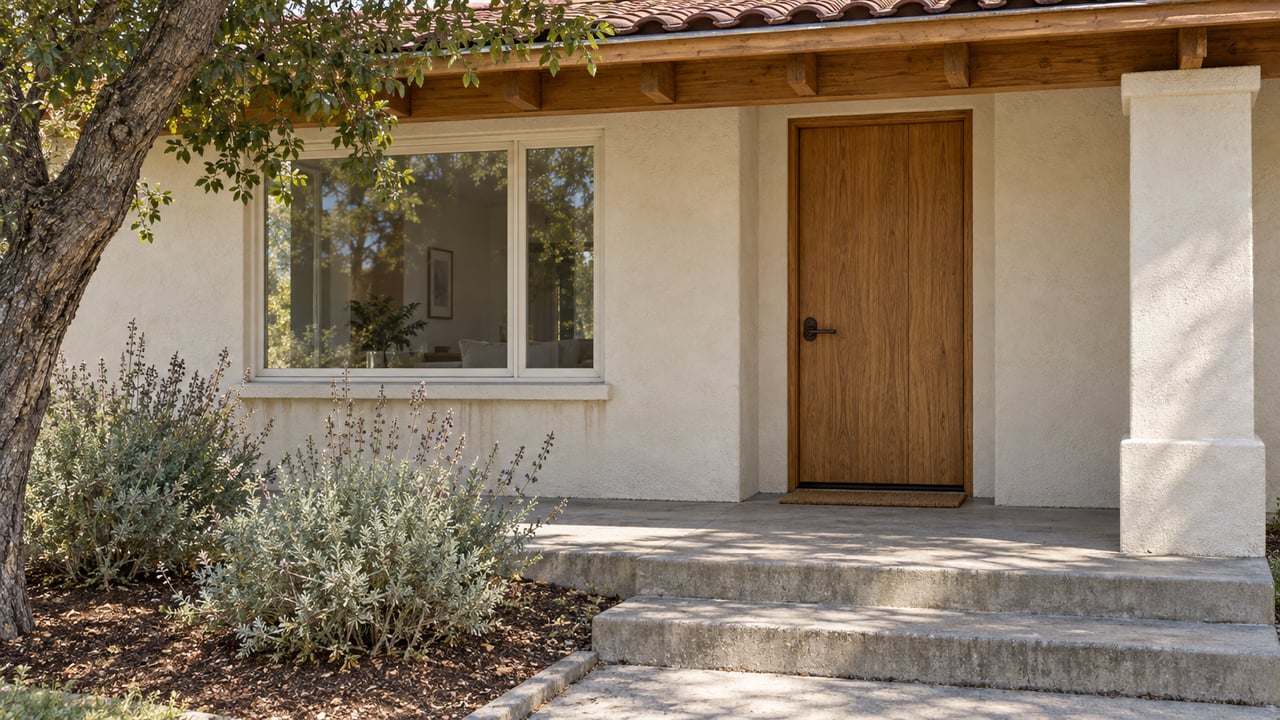
That matters if you are shopping here. Much of the housing stock reflects the city’s established character, and available homes may vary widely by location, lot shape, age, and architectural style. You are often choosing among existing neighborhood patterns rather than a uniform housing product.
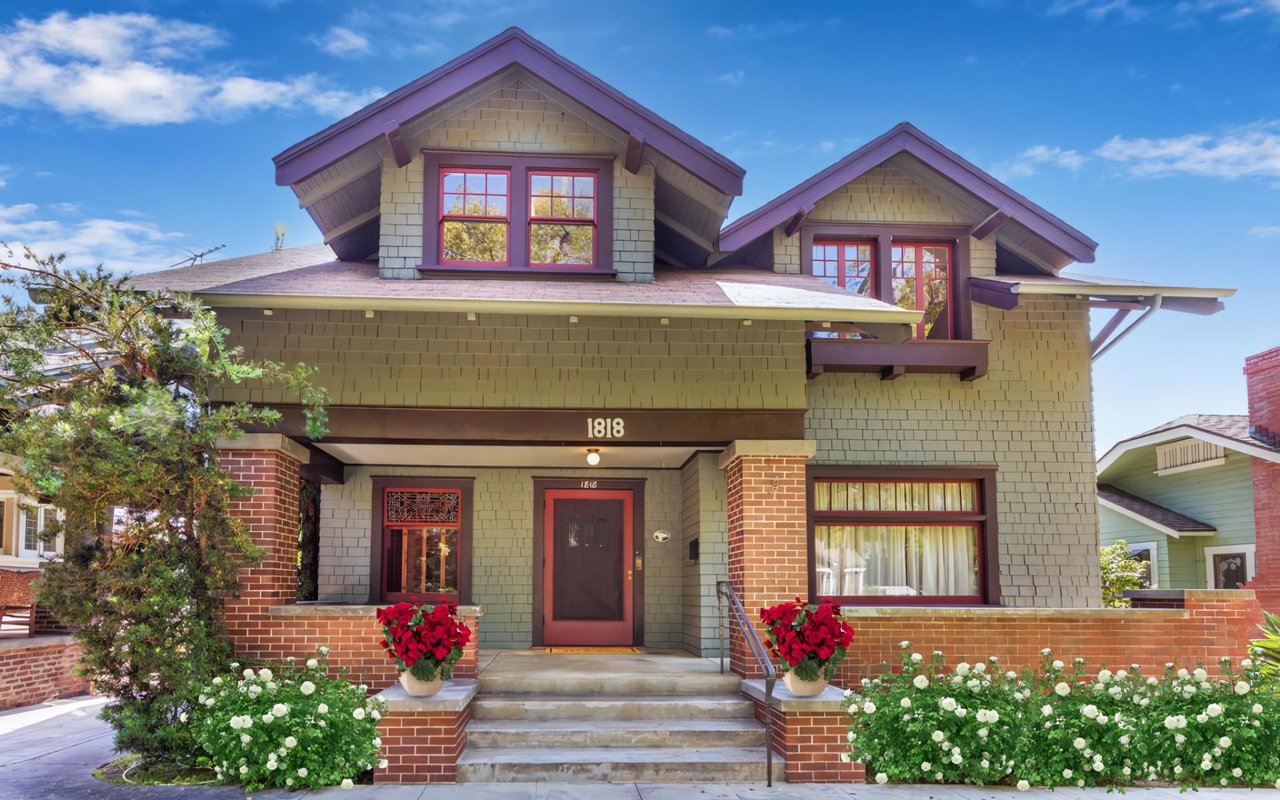
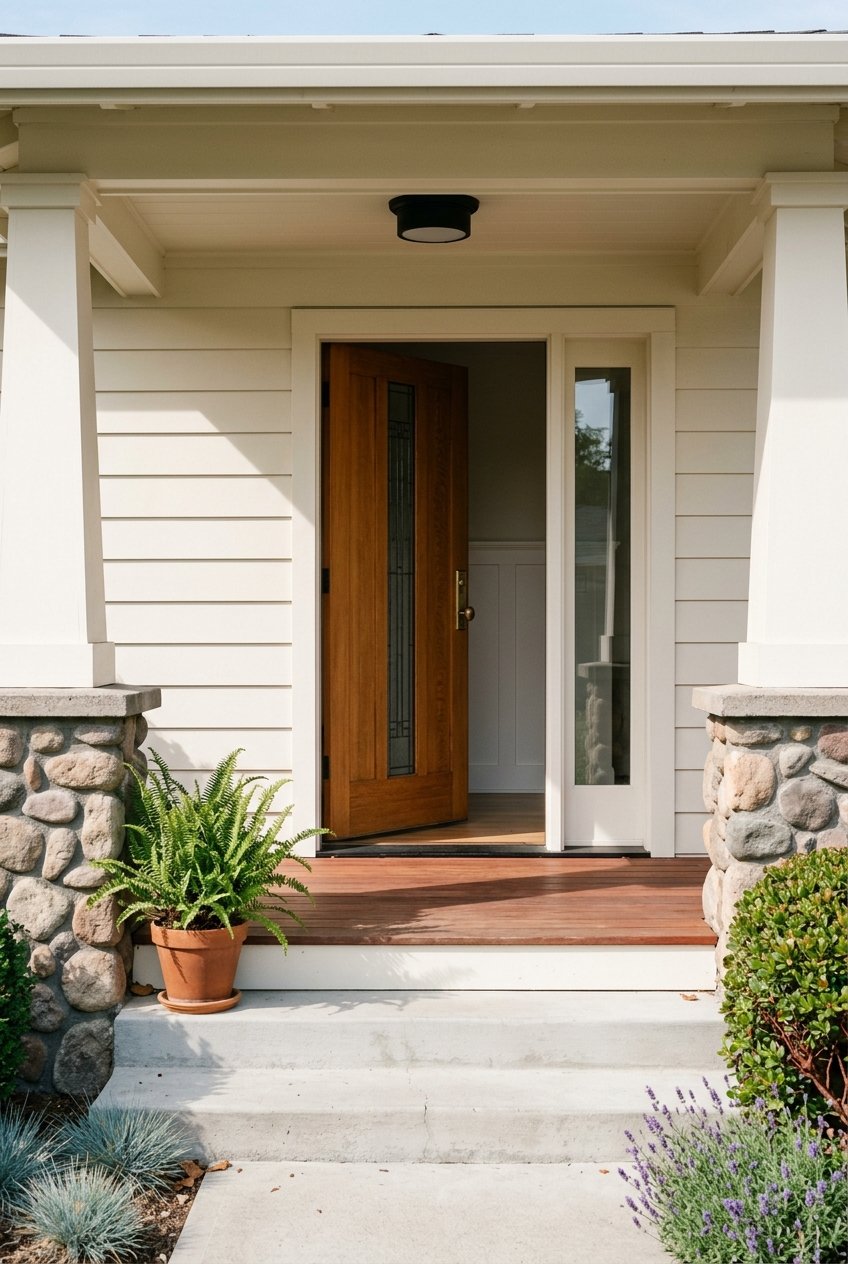
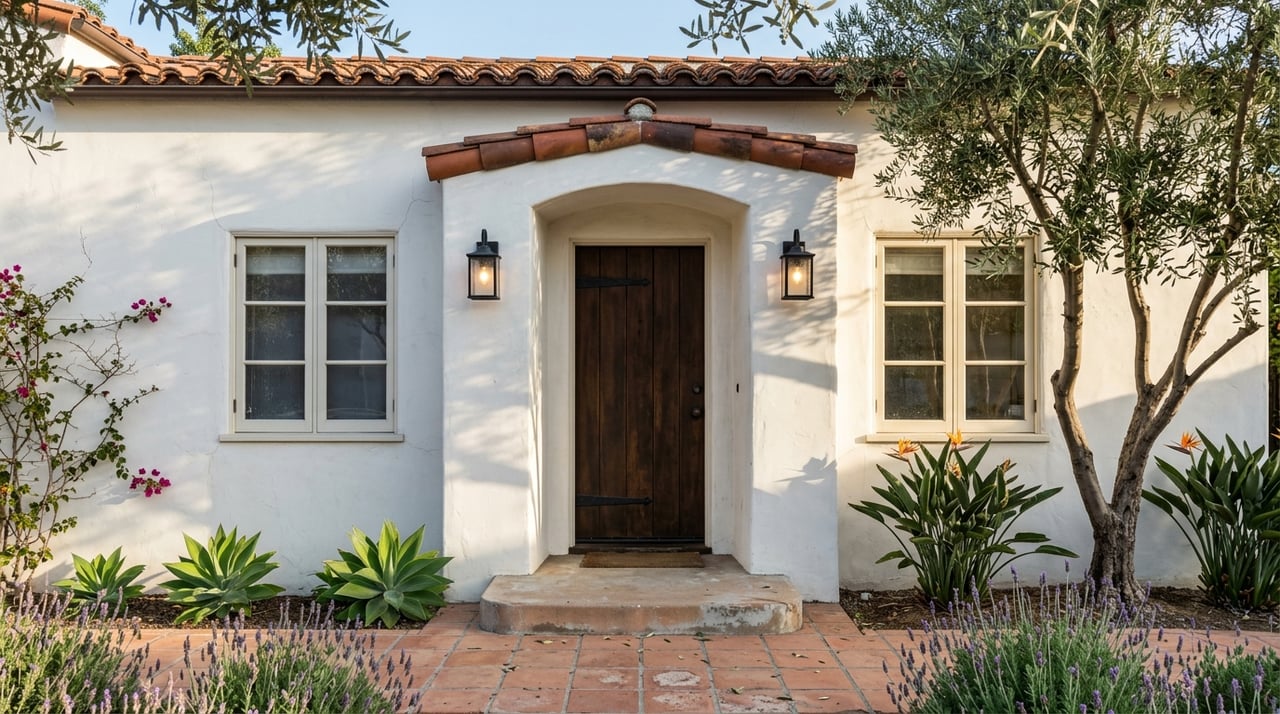
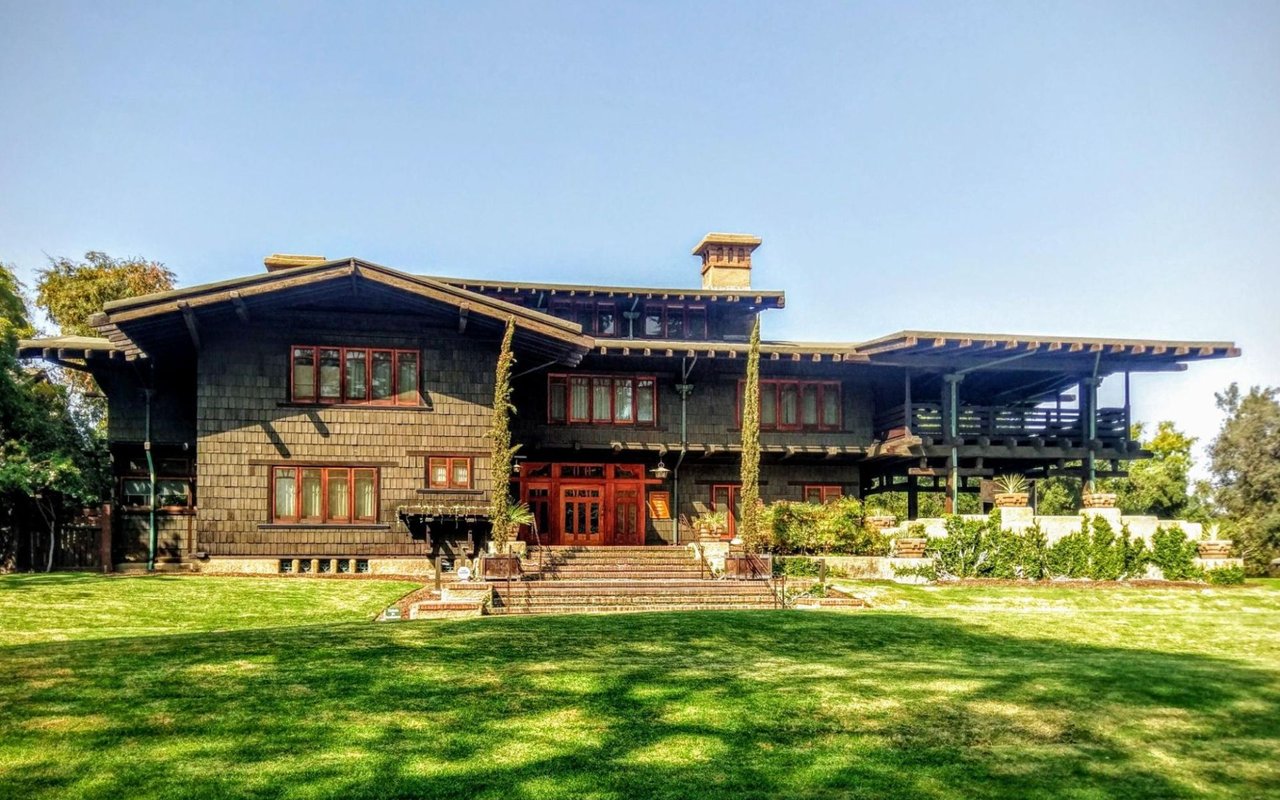
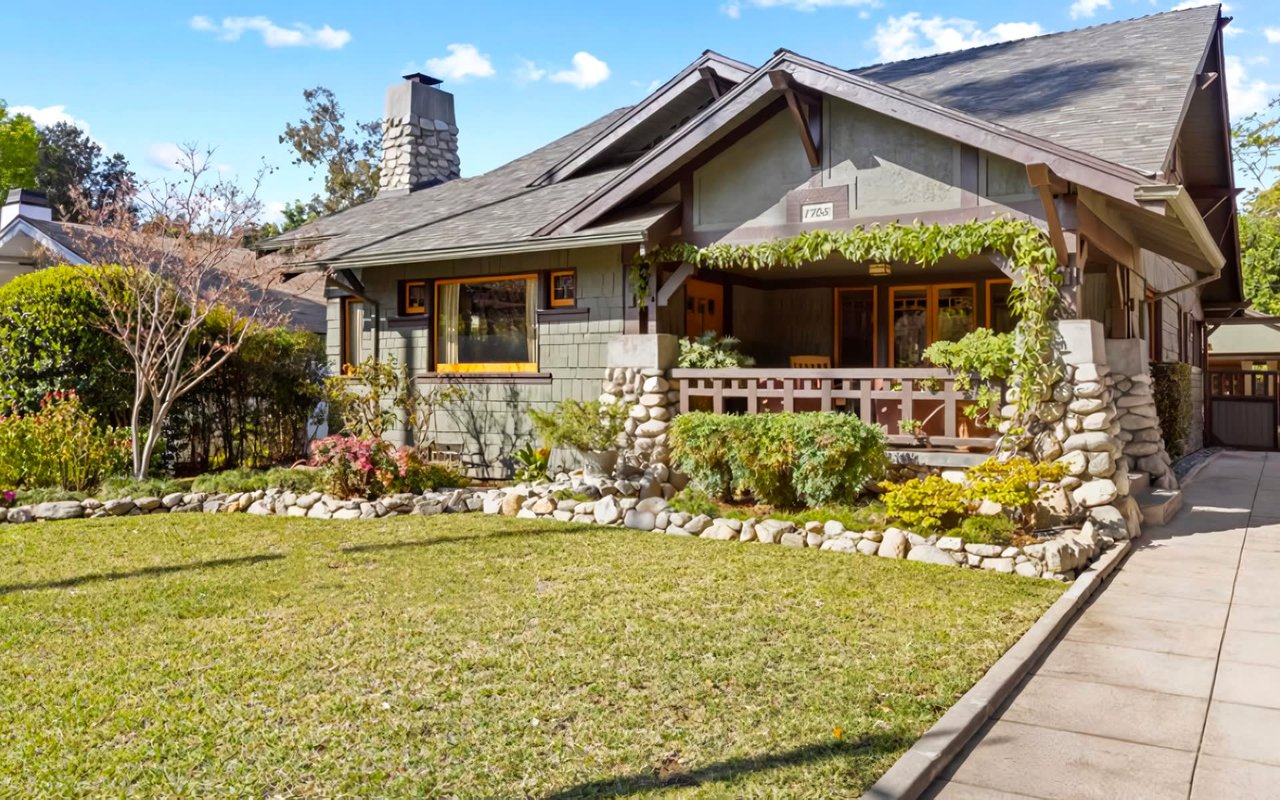
Architectural styles cited in city documents include:
- Victorian
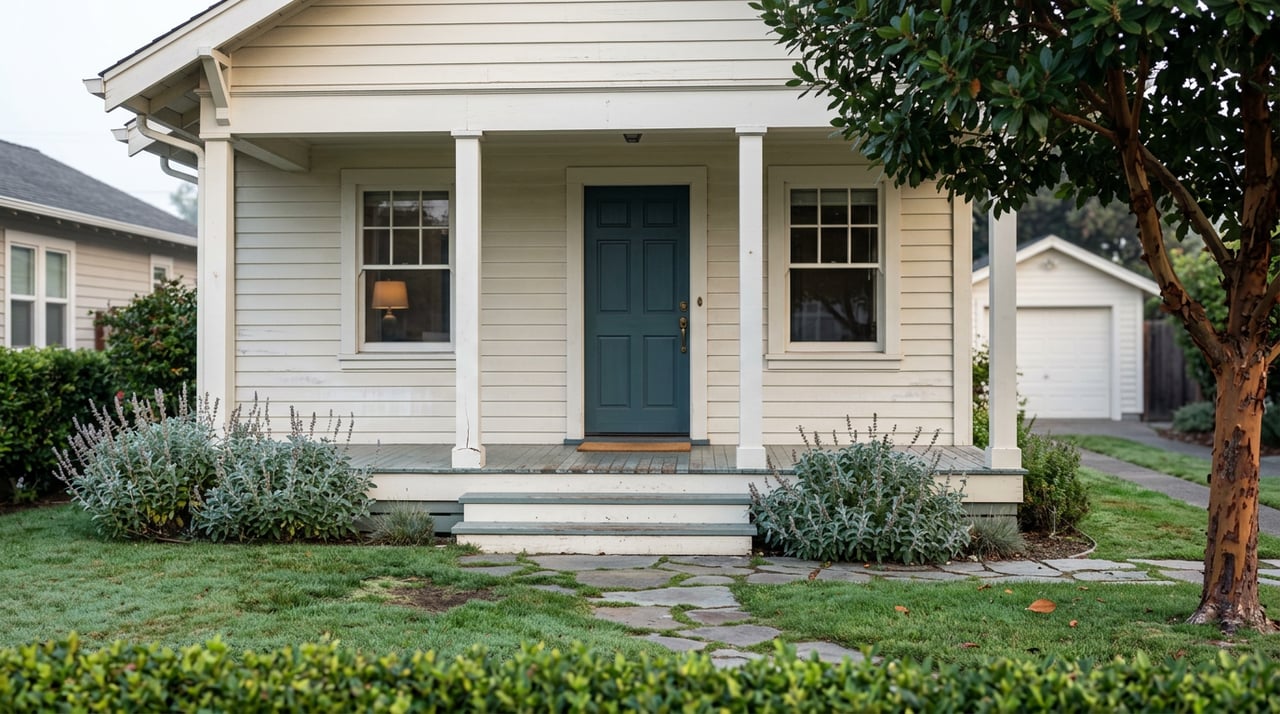
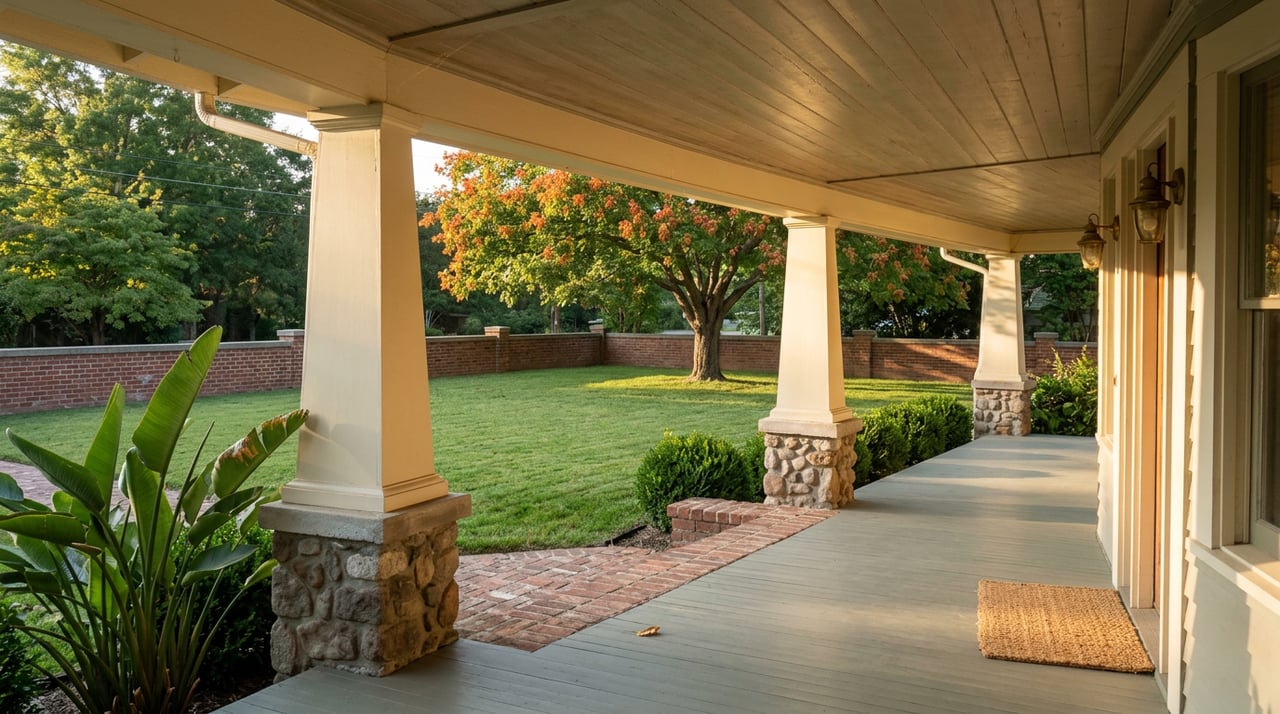
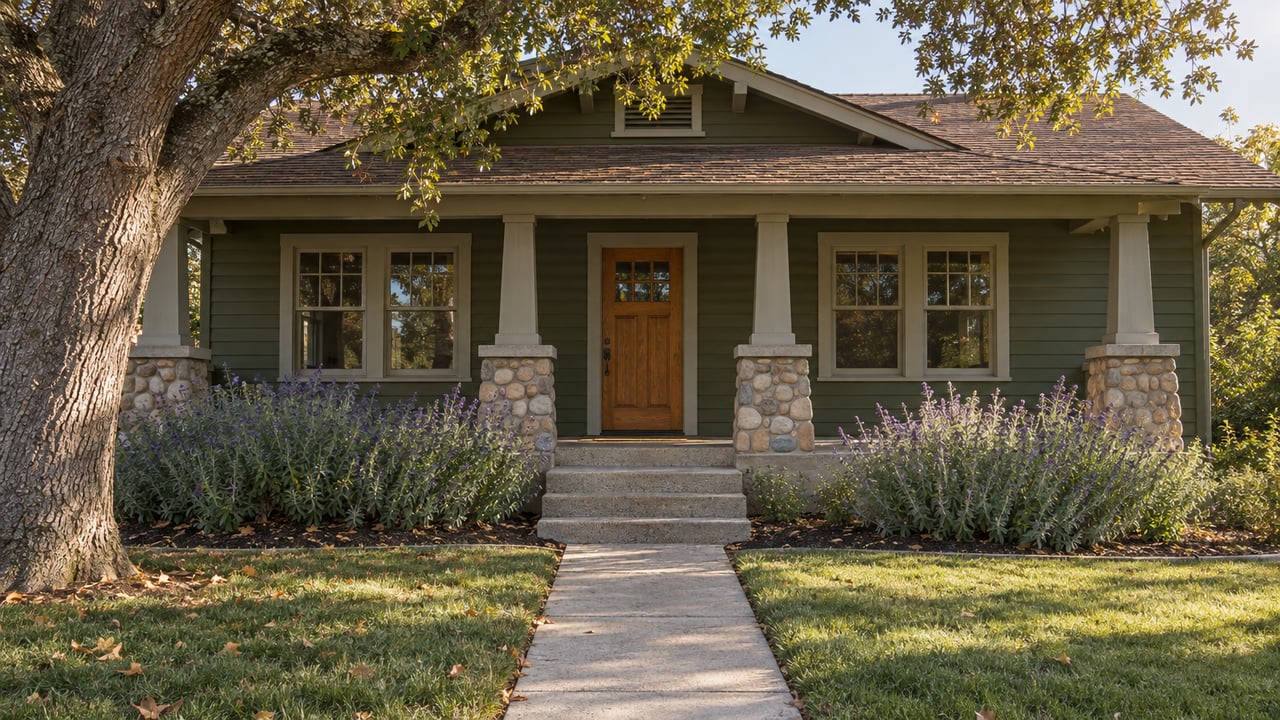
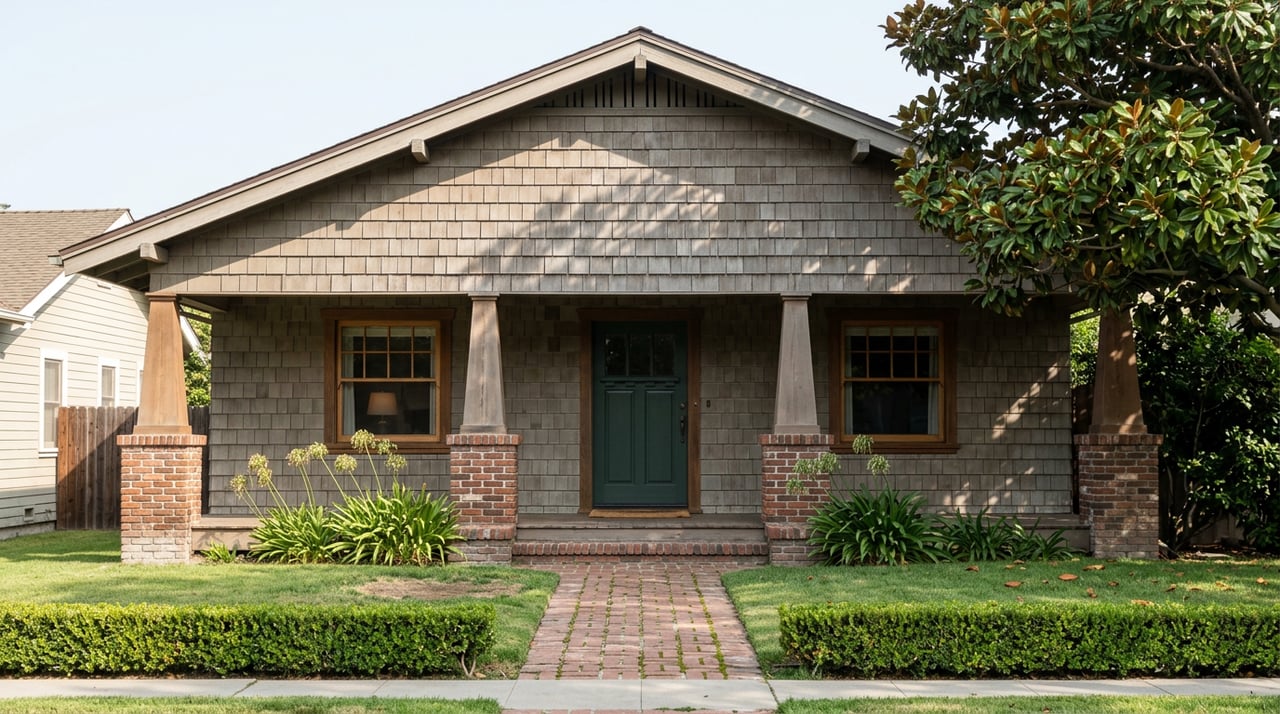
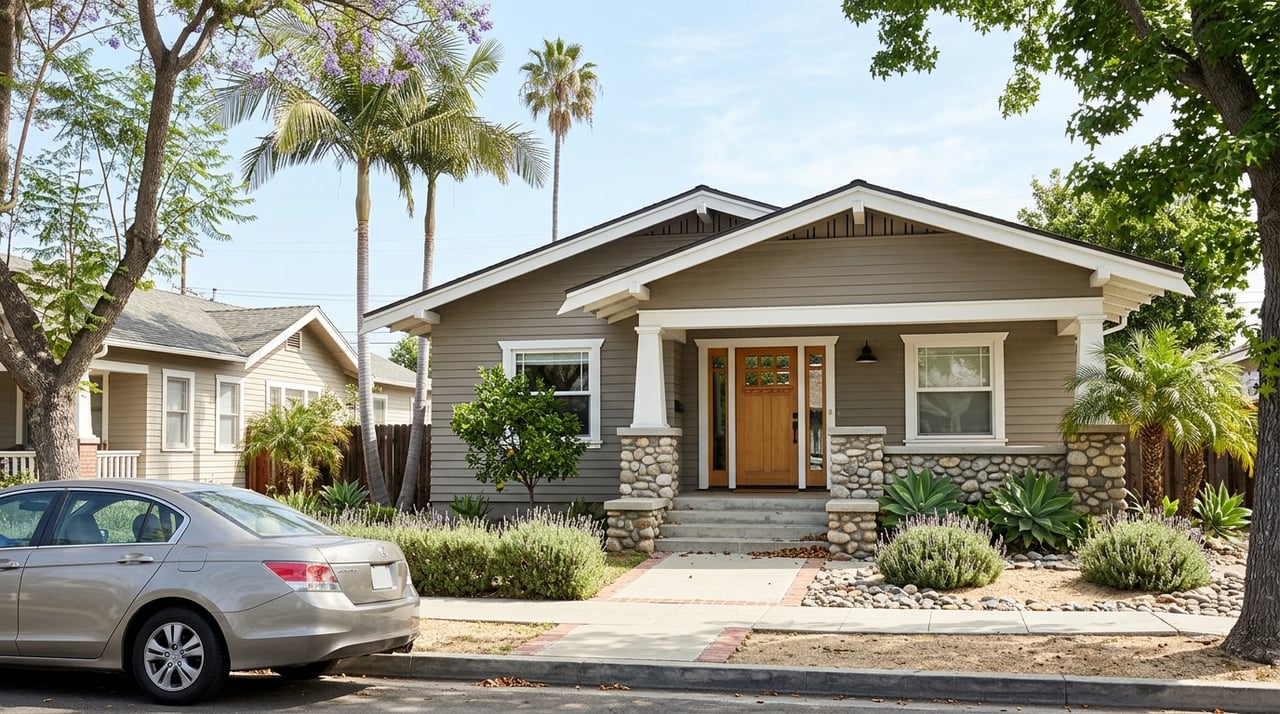
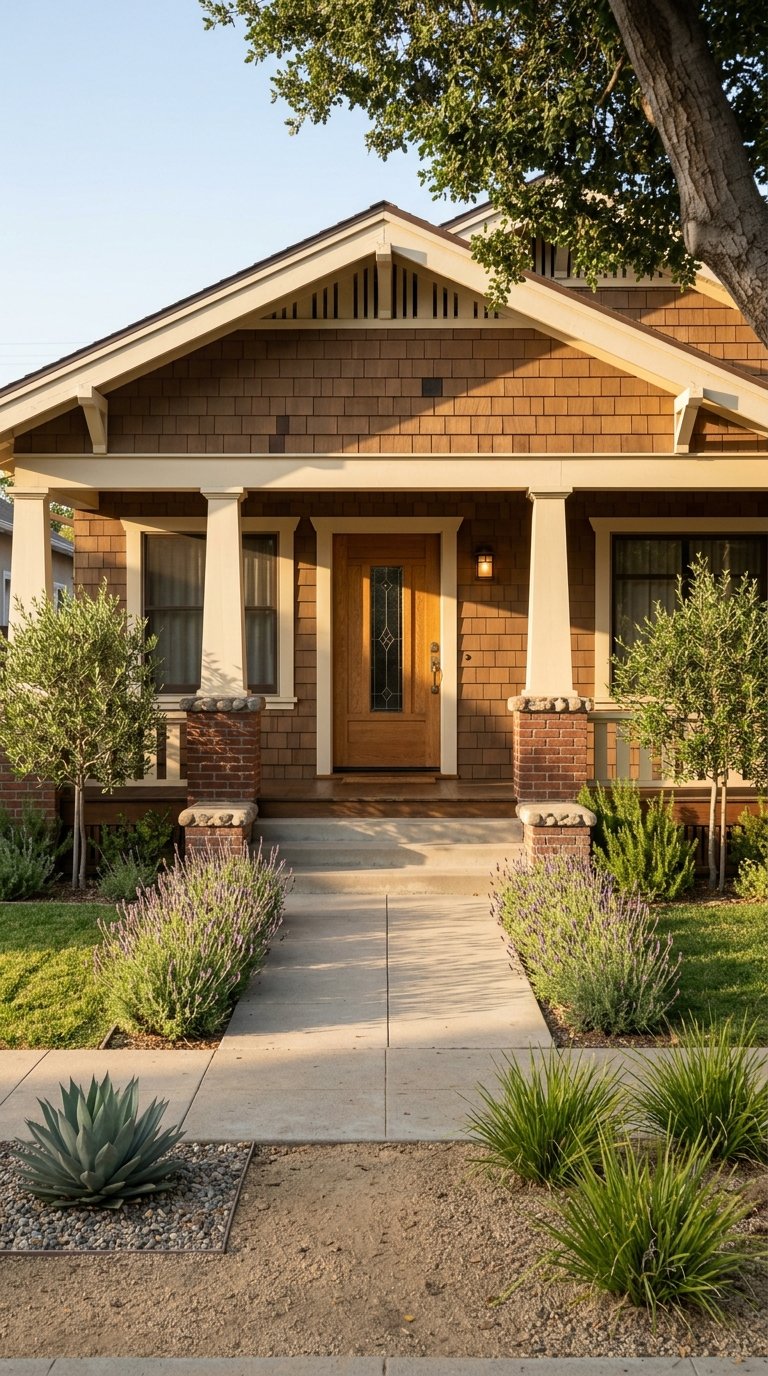
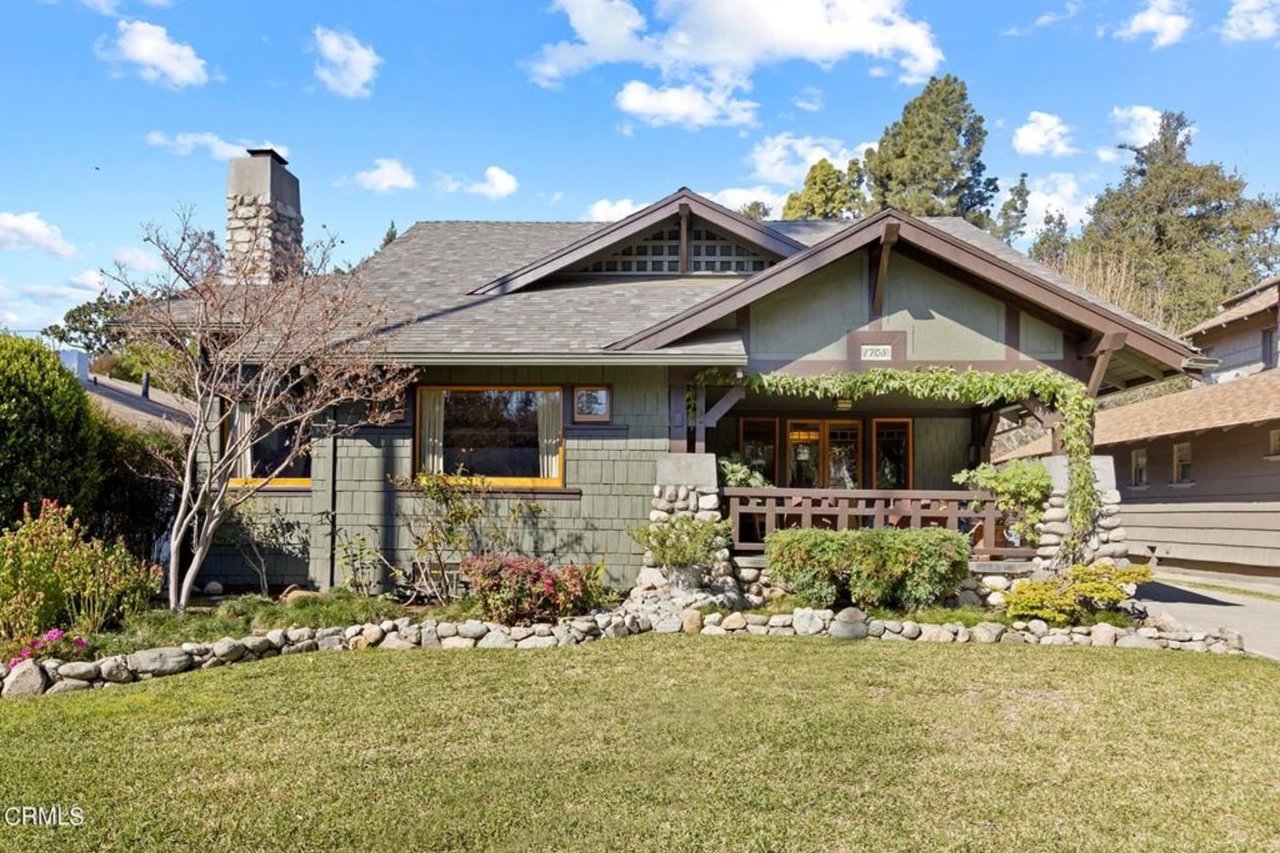
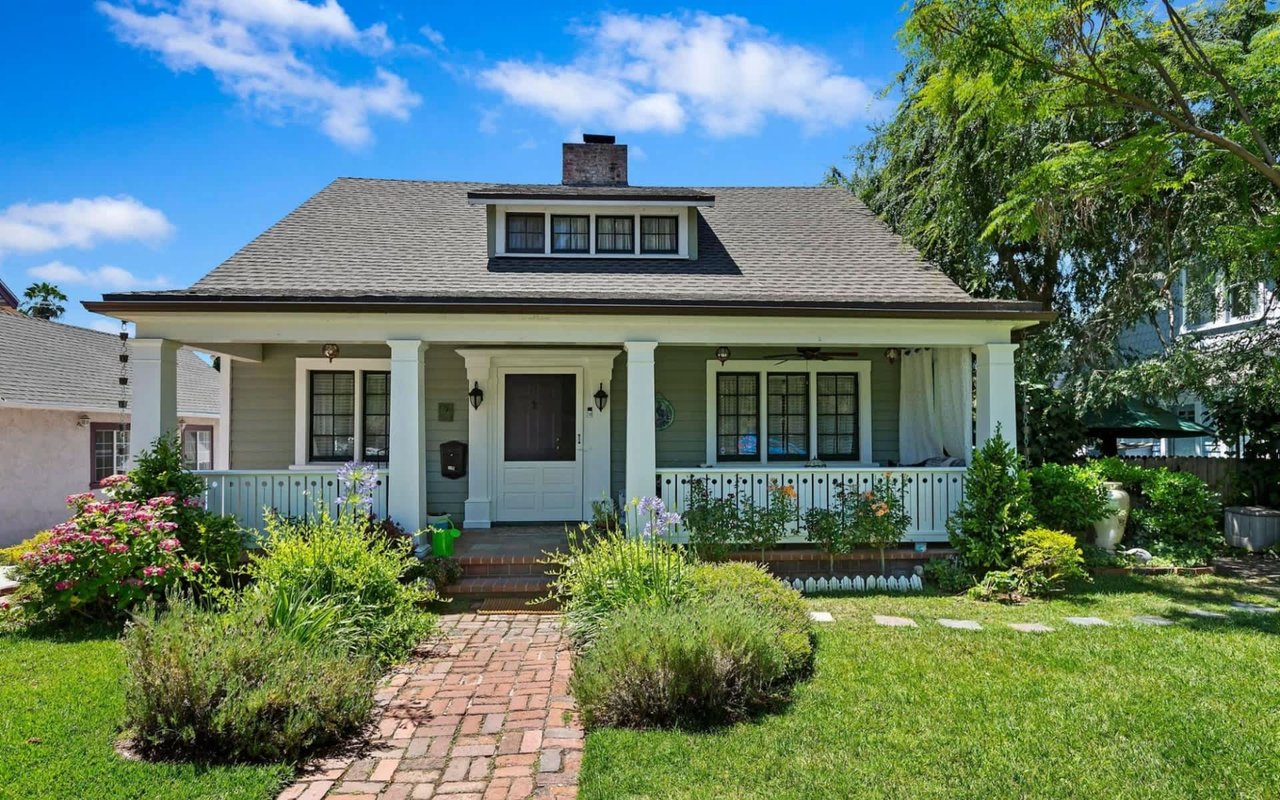
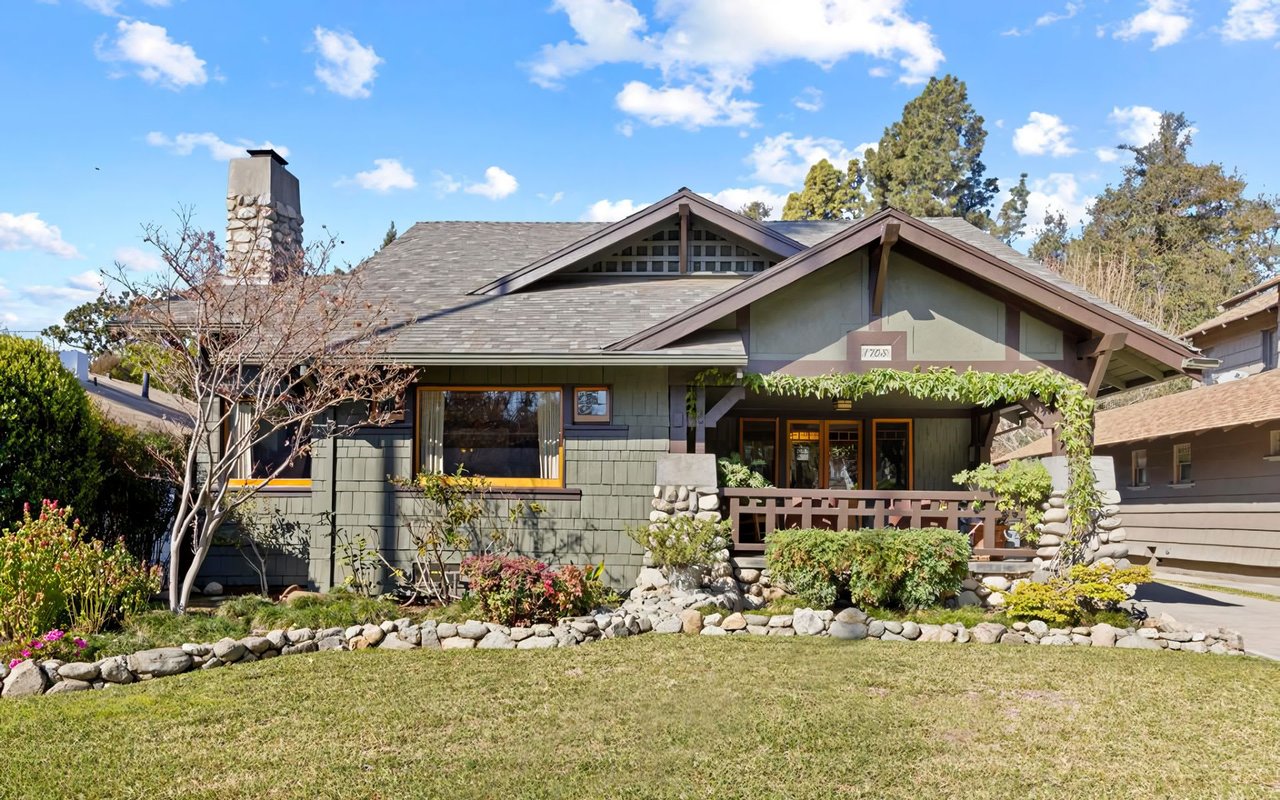
- California Bungalow
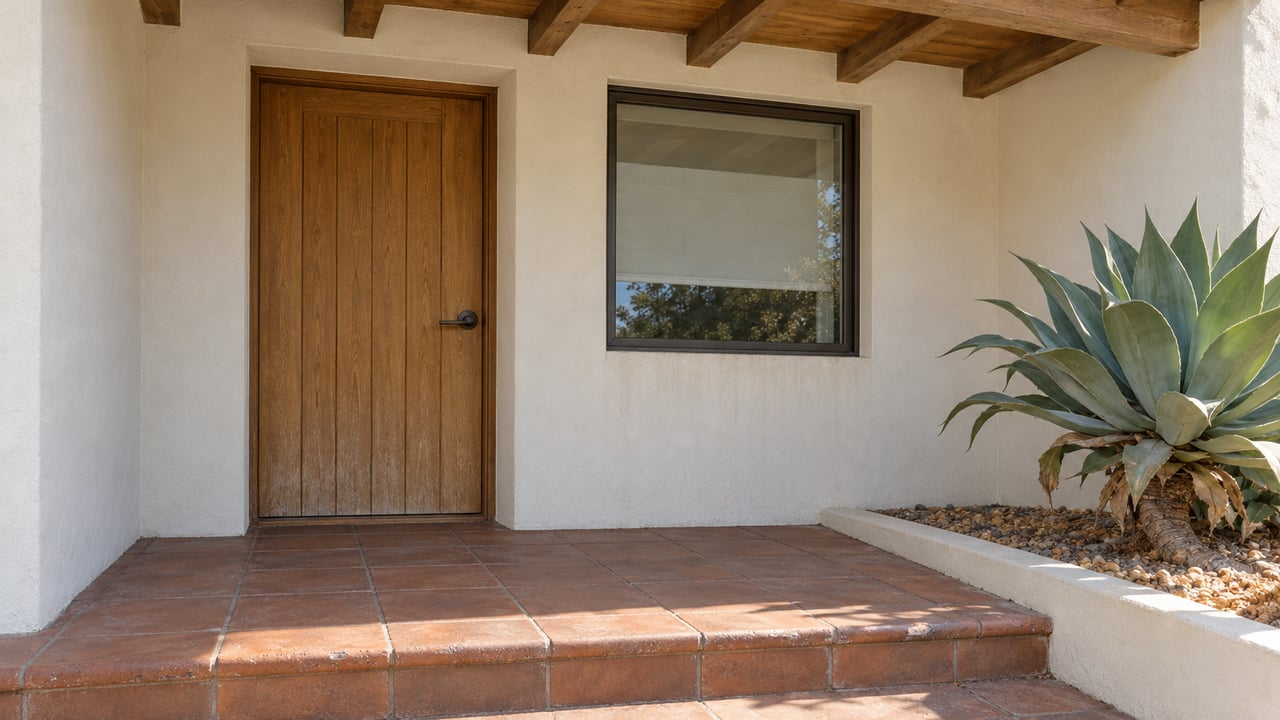
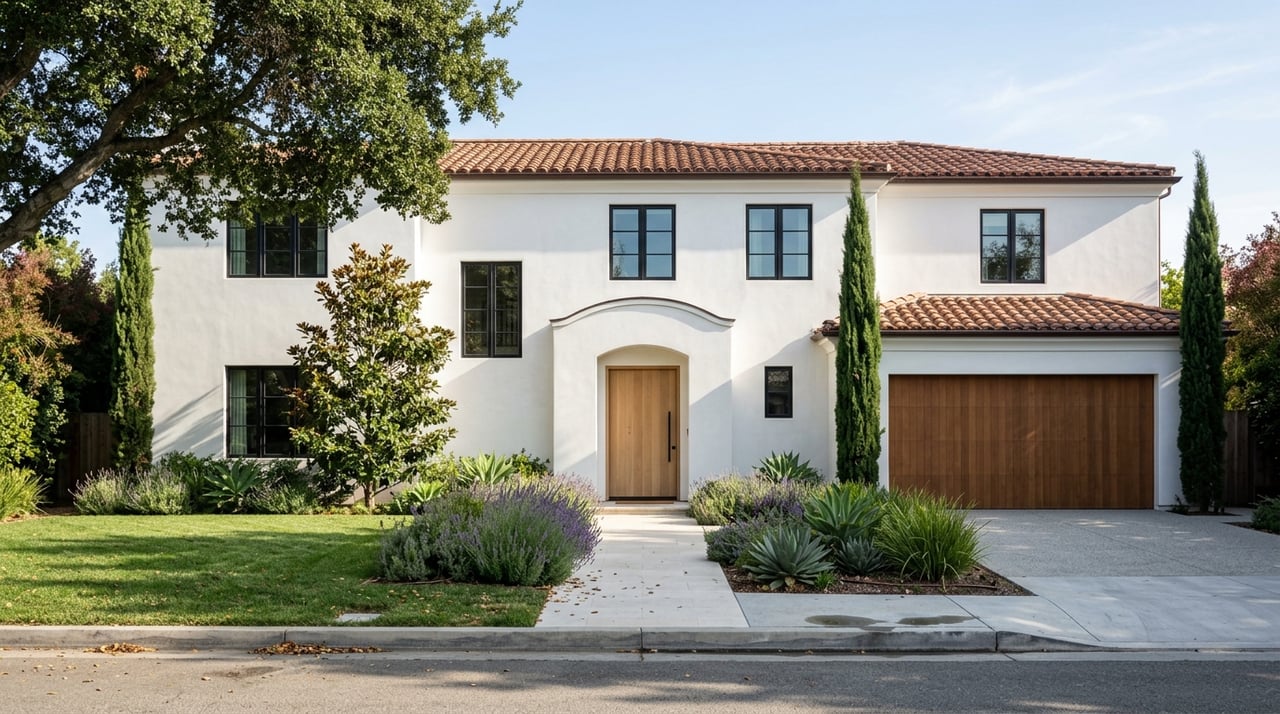
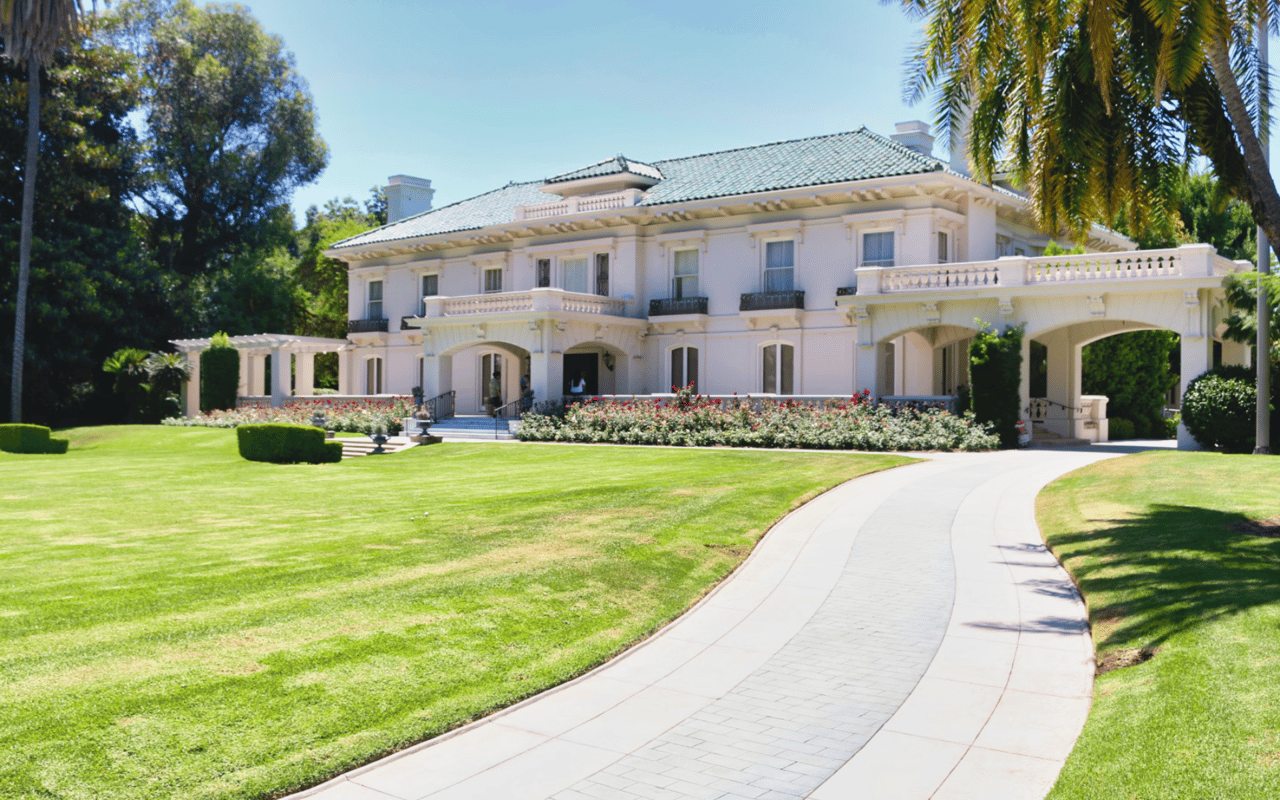
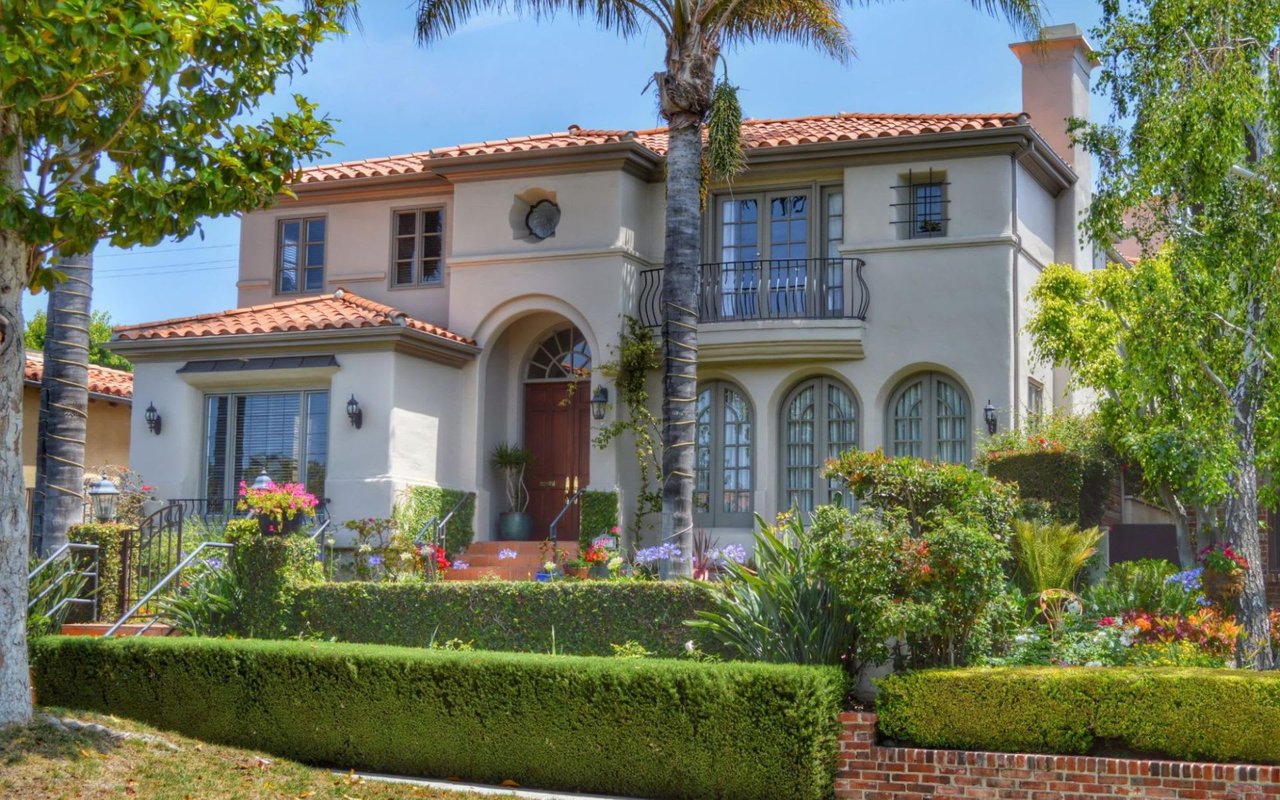
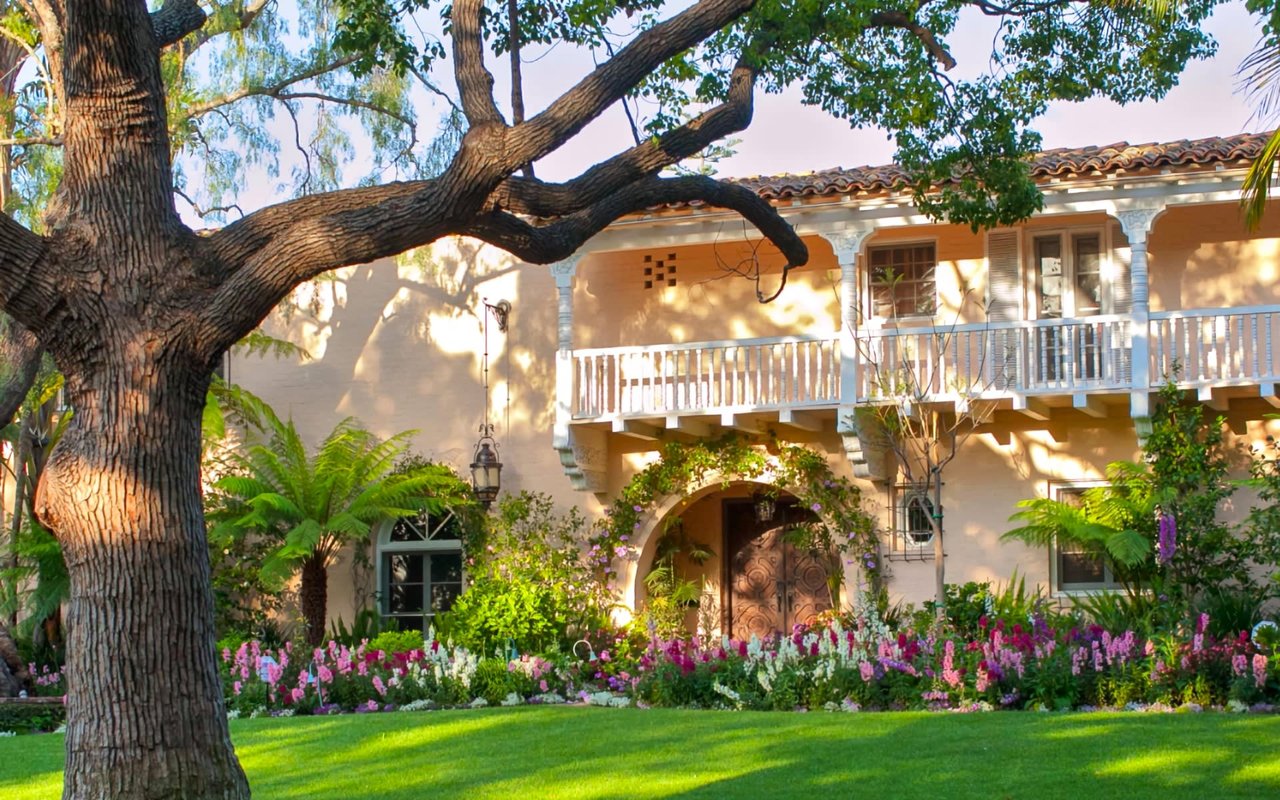
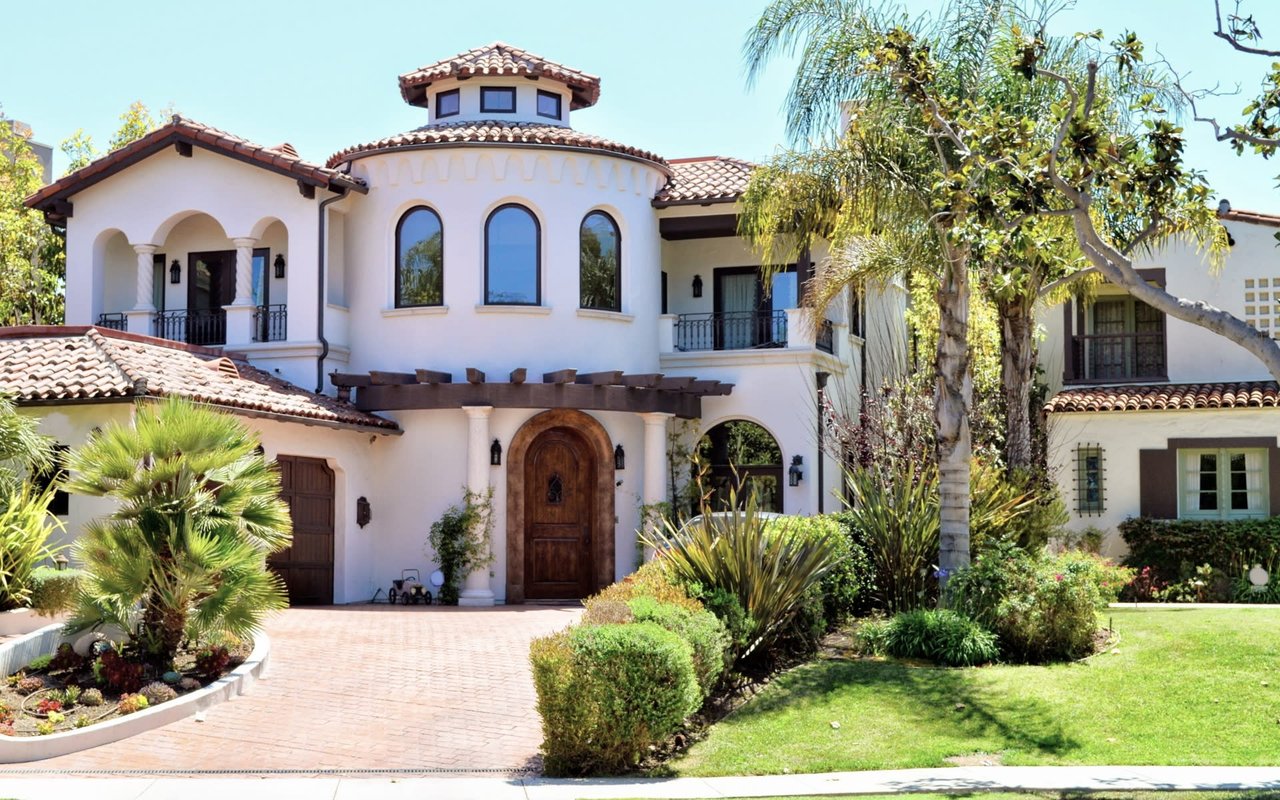
- Mission Revival
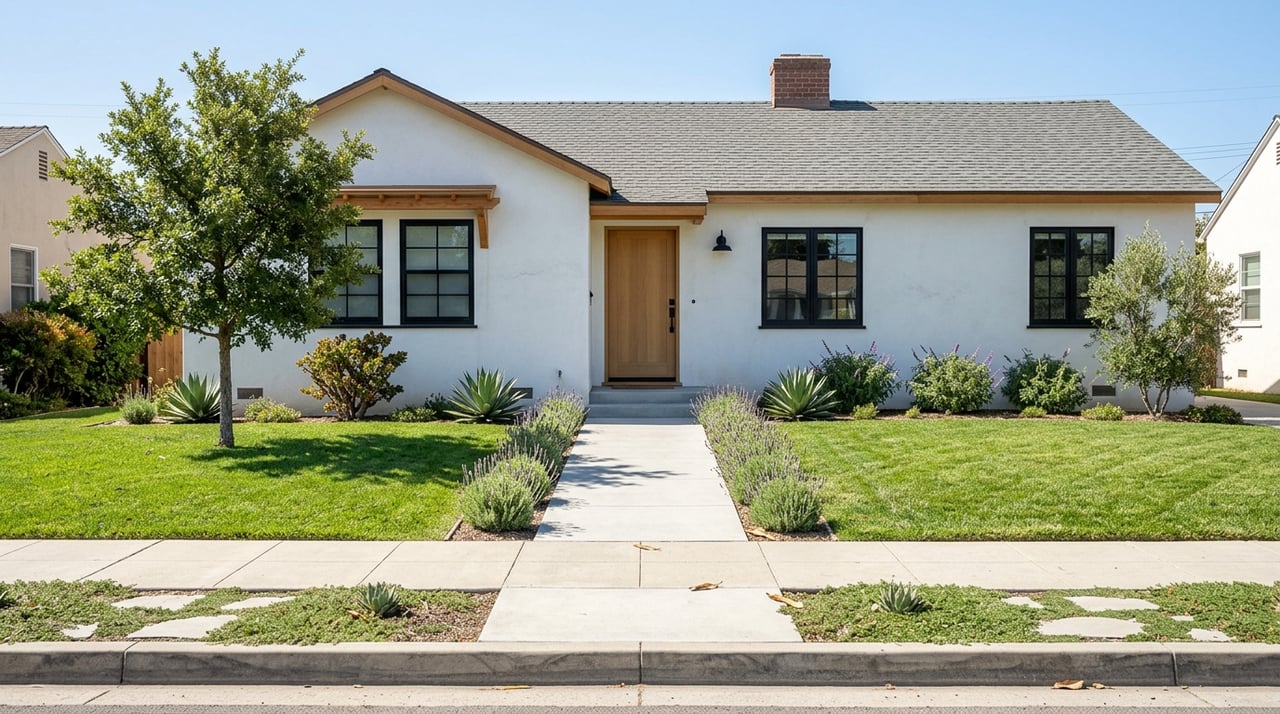
- Ranch-style homes
- Cottage
- Traditional Main Street
- Spanish Eclectic
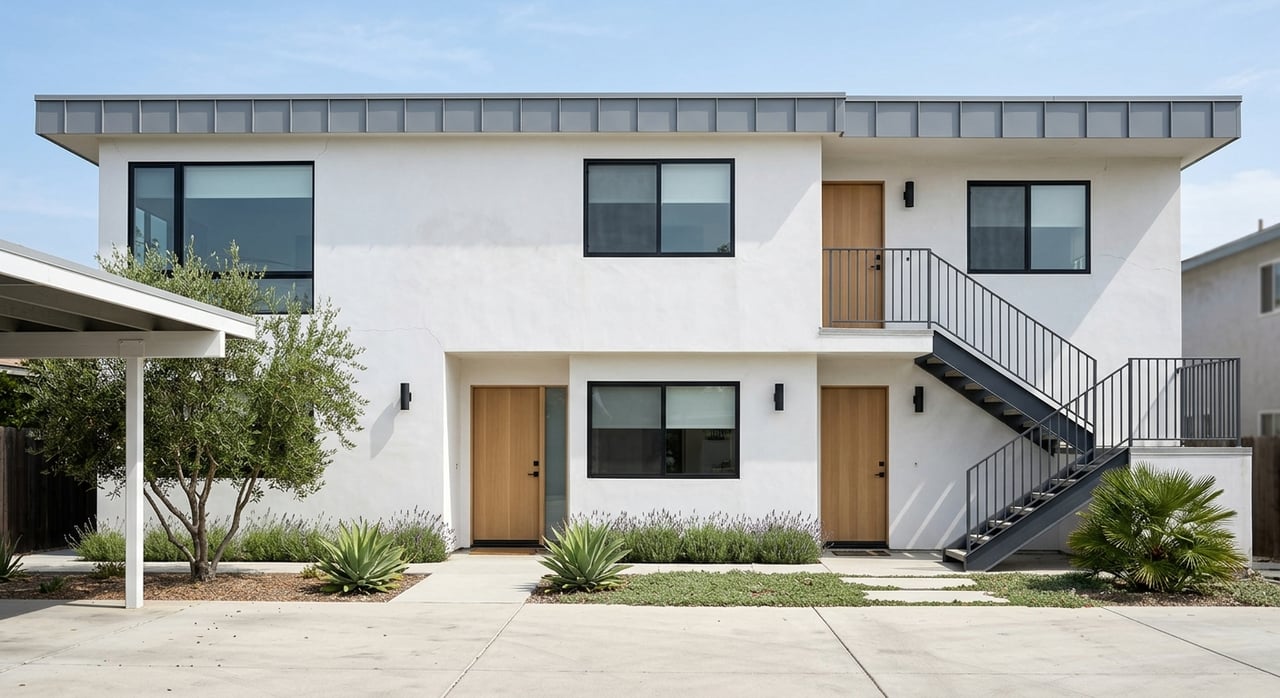
- Streamlined Moderne
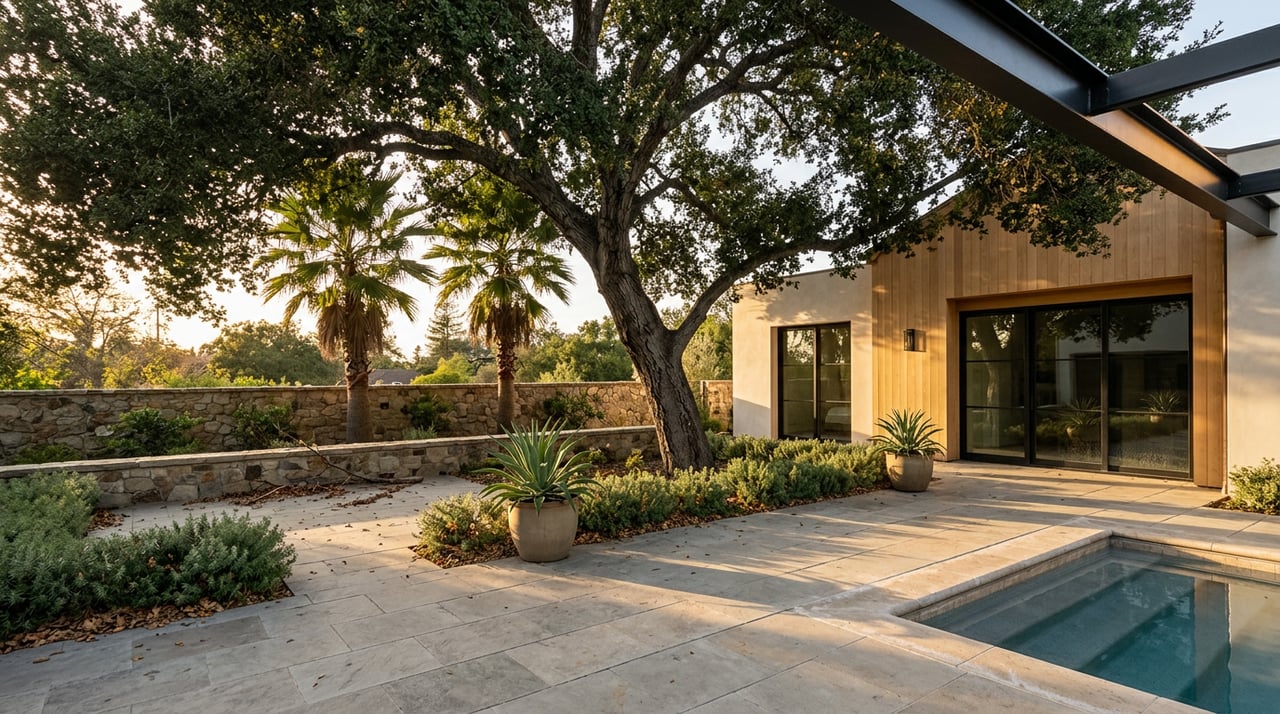
- Postmodern
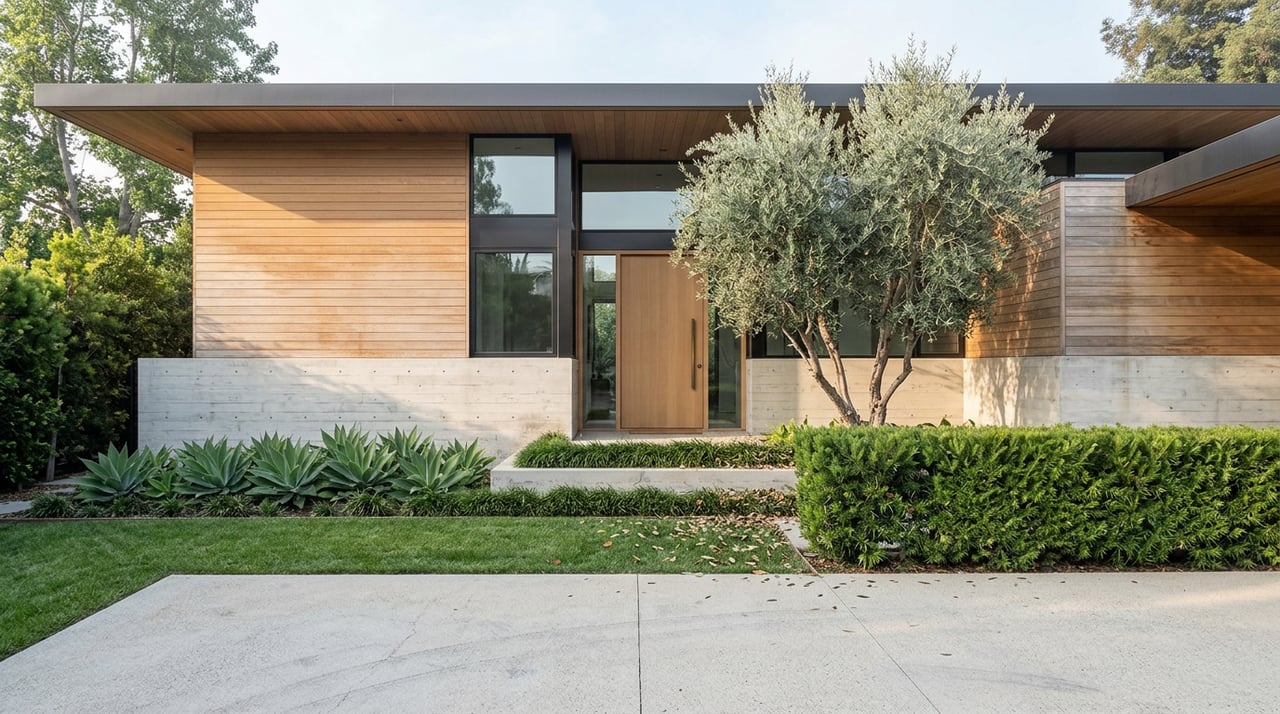
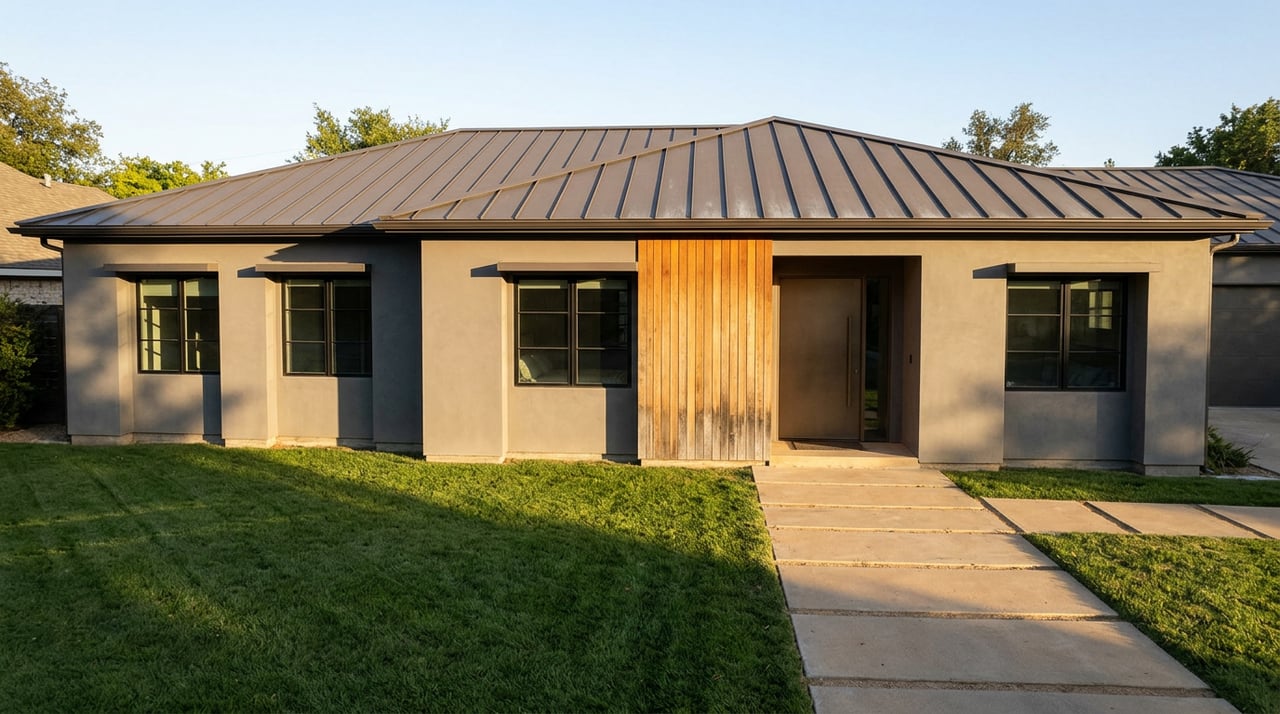
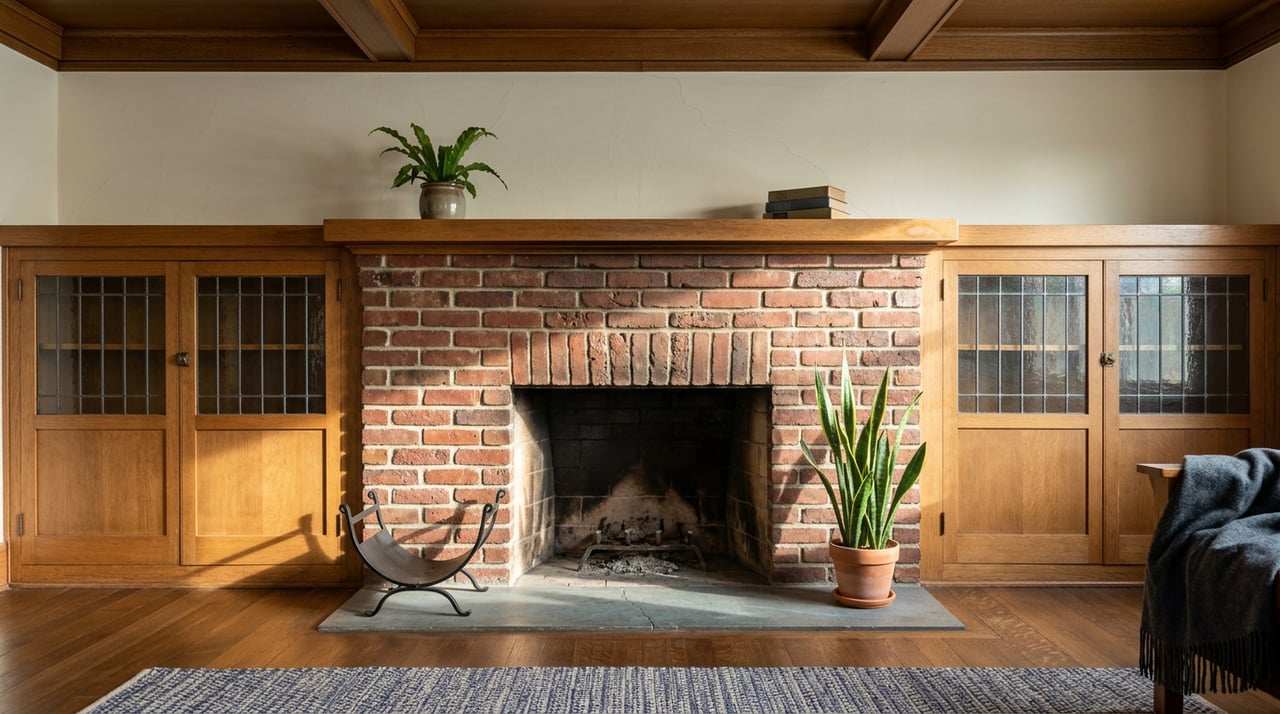
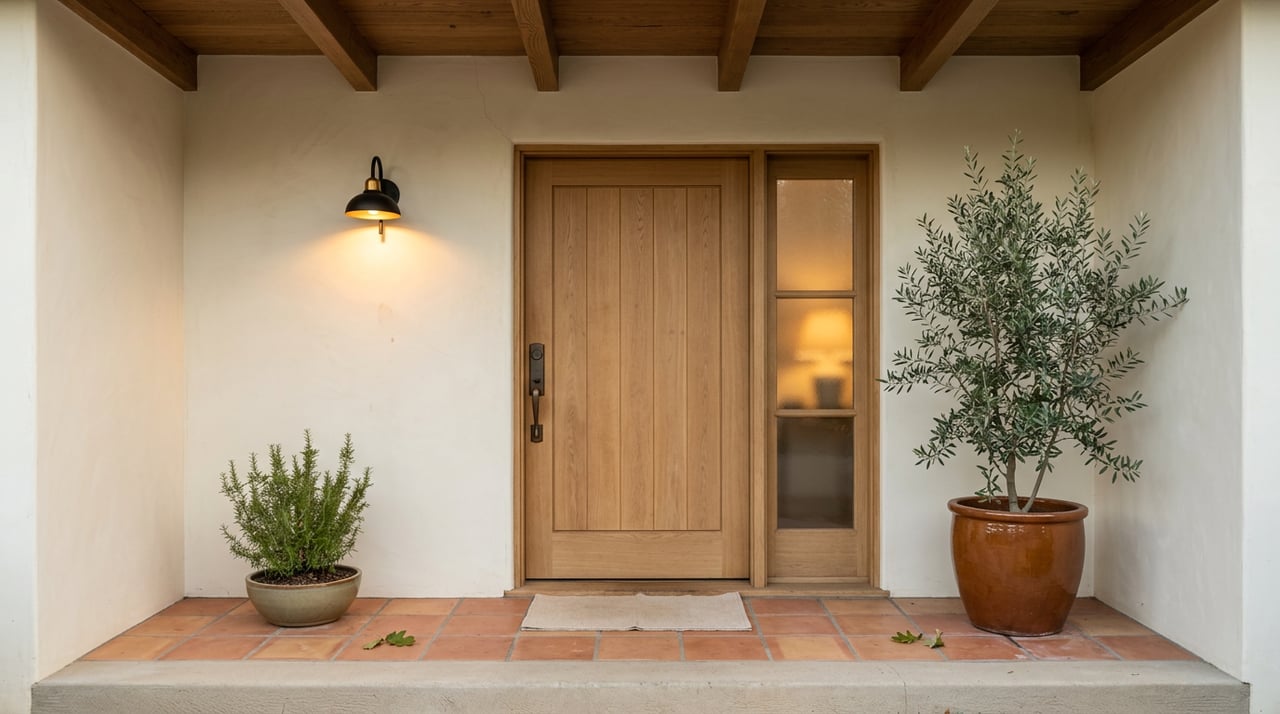
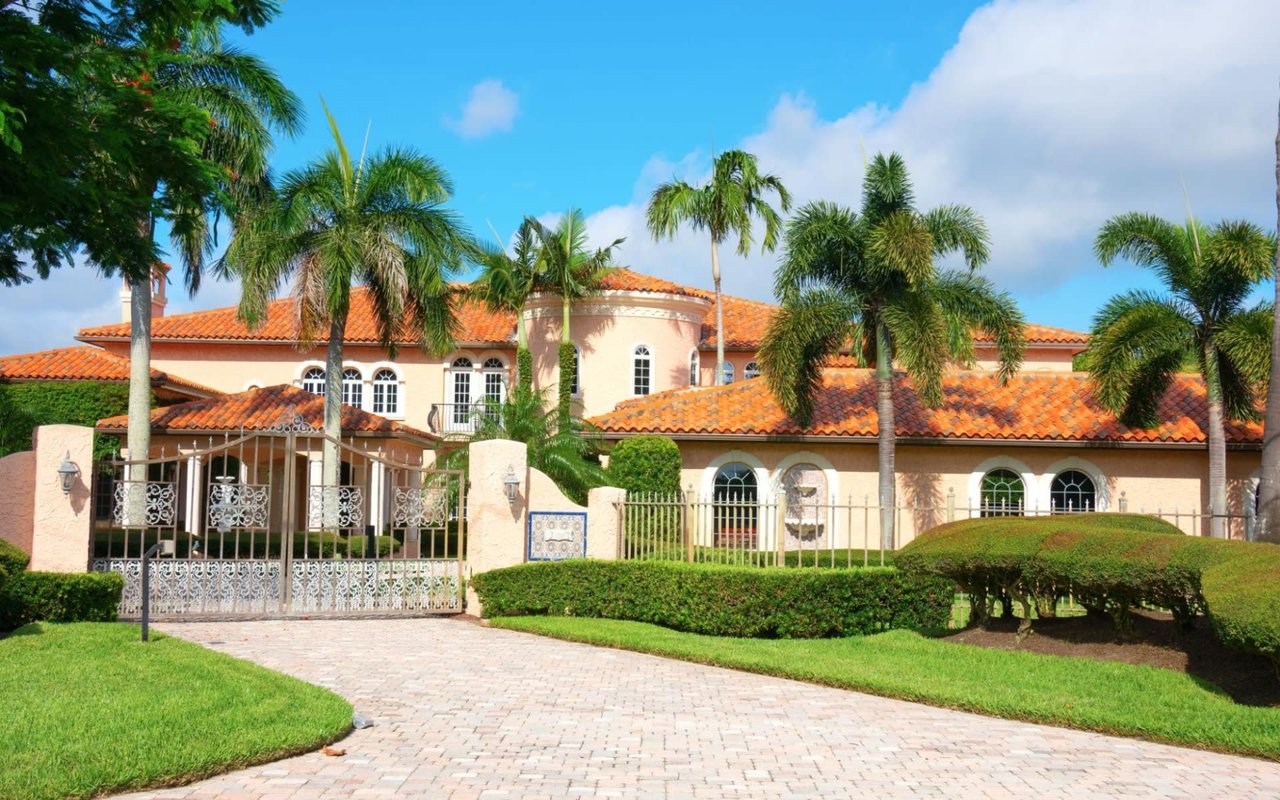
For buyers, that variety can be a real plus. If you appreciate homes with personality and a strong sense of setting, Sierra Madre offers more visual range than many communities of similar size.
Where Different Housing Types Cluster
Not every part of Sierra Madre feels the same. The housing element notes that higher-density housing is generally clustered around Baldwin Avenue, Sierra Madre Boulevard, and nearby downtown streets. The downtown small-scale commercial zone also allows residences above or behind first-floor retail.
That creates a few different housing experiences within a compact city. Some buyers may prefer a downtown-adjacent location with easier access to shops and services, while others may be drawn to more traditional residential blocks or hillside settings. Your daily routine, parking preferences, and comfort with lot conditions can all shape what feels like the right fit.
Downtown itself remains intentionally small in scale. Measure V limits downtown height and density to two stories, 30 feet, and 13 residential units per acre. That helps preserve the village feel many residents value.
Sierra Madre Canyon Homes
The canyon is one of Sierra Madre’s most distinctive housing areas. According to the housing element, Sierra Madre Canyon was originally developed for vacation homes in the 1920s and 1930s. Over time, it evolved into a residential area known for smaller lots and structures than the citywide average.
Today, the canyon is characterized by small bungalows and cabins with a mix of renters and homeowners. For some buyers, that setting is part of the appeal. It can offer a more tucked-away, rustic foothill feel that differs from flatter, more central parts of town.
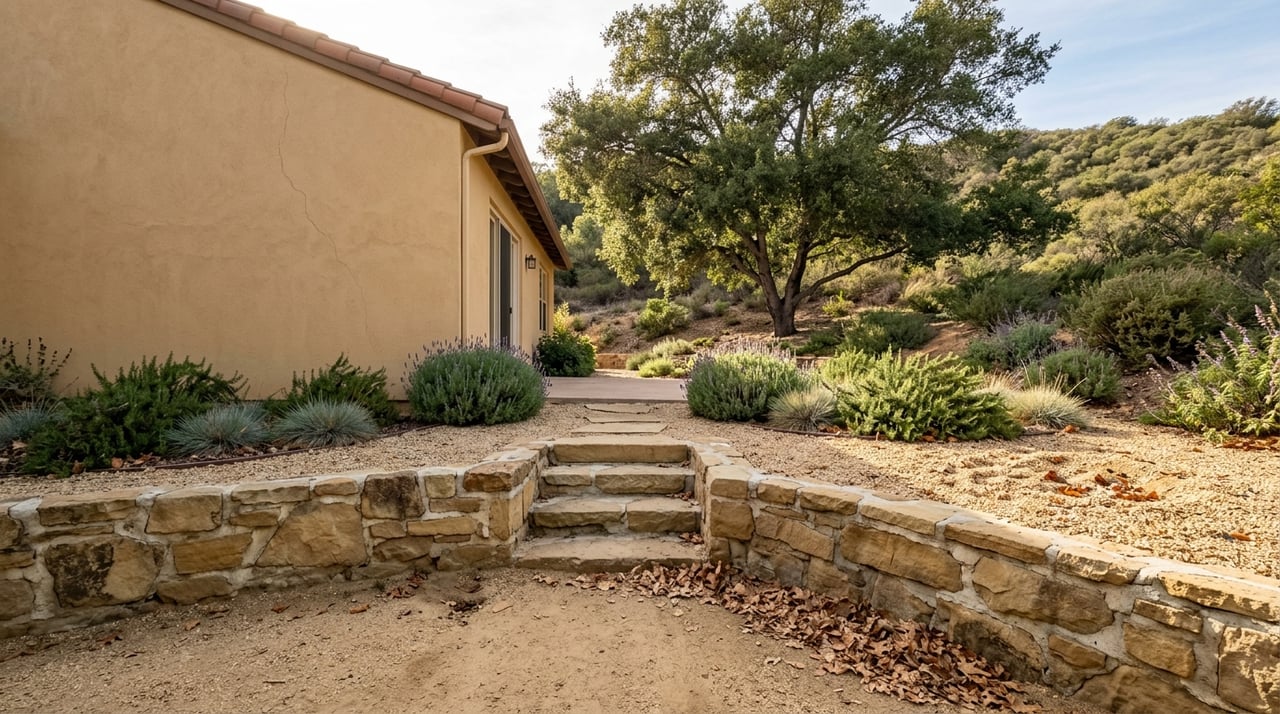
At the same time, canyon properties often come with different practical considerations. Lot dimensions, road access, terrain, and fire-related planning issues may all play a bigger role in your decision-making here than they would in a more typical grid neighborhood.
Hillside Properties And Lot Differences
Sierra Madre’s topography has a major influence on housing. City documents explain that the foothills are shaped by slopes, drainage patterns, vegetation, and other natural features, and the Hillside Management Zone is intended to preserve the city’s image while reducing hazards. That means hillside development is shaped by more than just lot size.
Lot standards can vary sharply. Some standard residential zones use a 7,500-square-foot minimum parcel size, while the hillside residential zone uses a 2-acre minimum parcel size. The canyon designation exists in part to allow suitable development on smaller lots without encouraging overbuilding.
The city’s planning documents also show how much slope can affect density. On gentler hillside slopes, density can reach up to 2.9 units per acre, while the steepest slopes drop to 0.01 units per acre. Grading is capped at 2,000 cubic yards per site, and there are 100-foot setbacks from ridge lines and riparian sites.
For a buyer, the takeaway is simple: two homes in Sierra Madre may look close on a map but involve very different building and improvement constraints. If you are considering a remodel, expansion, or custom plans, the site conditions matter just as much as the house itself.
What Buyers Should Know About Risk And Review
Sierra Madre functions as a wildland-urban interface, and city planning materials note recurring concerns related to wildfire exposure, flood and landslide risk, and narrow canyon roads. The housing element states that the area north of Grandview Avenue is in a Very High Fire Hazard Severity Zone. Some hillside sites may also require extensions of roads, water, and sewer infrastructure before development can move forward.
That does not mean hillside or canyon properties are off-limits. It does mean you should expect more design review, more questions around defensible space, and more terrain-driven tradeoffs than you would likely see in flatter central neighborhoods. In some cases, topography can also affect how a structure presents from the street.
Downtown design guidance notes that sloping ground can make buildings appear taller, with some south-side structures reading as two stories in front and three stories in back. This is a good example of how Sierra Madre’s physical setting influences both architecture and planning decisions.
Who Sierra Madre Often Appeals To
Sierra Madre can be a strong fit if you want a smaller foothill city with a defined town center and a wide range of home styles. Buyers often respond to the combination of village character, access to recreation, and homes that feel established rather than interchangeable. If you value charm and setting, Sierra Madre offers both.
It may be especially appealing if you are deciding between a few different lifestyle priorities, such as:
- A walkable downtown core
- Access to parks, hiking, and recreation
- Character homes and varied architecture
- A quieter residential setting near Pasadena and surrounding cities
- Housing options that range from downtown-adjacent residences to canyon bungalows and hillside properties
The tradeoff is that not every property offers the same level of simplicity. In Sierra Madre, location and terrain can directly affect maintenance, future updates, and what is feasible over time.
A Smart Way To Approach A Sierra Madre Search
If you are serious about Sierra Madre, it helps to look beyond the home’s photos and square footage. Pay close attention to where the property sits within the city, how the lot is configured, and whether the surrounding area suggests flatter, more central development or canyon and hillside conditions. Small geographic differences can have a large impact here.
It is also worth thinking about how you want to live day to day. Some buyers want to be near the village center and community events, while others want a more secluded foothill setting. Neither is better. The right choice depends on your priorities, comfort with property-specific tradeoffs, and long-term plans.
For a market like Sierra Madre, local guidance matters. A measured, neighborhood-level approach can help you compare not just homes, but the realities that come with each location.
If you are exploring Sierra Madre and want clear, experienced guidance on the area’s housing options, local market patterns, and property-specific considerations, The Middleman Team is here to help.
FAQs
What is daily life like in Sierra Madre, CA?
- Sierra Madre offers a small-town foothill setting with a walkable downtown, parks, wilderness access, community recreation programs, and annual events like the Wistaria Festival and Winter Village Festival.
What types of homes are available in Sierra Madre?
- Housing options include single-family homes, downtown-adjacent residences, canyon bungalows and cabins, and hillside properties, with architectural styles ranging from Victorian and Bungalow to Ranch and Spanish Eclectic.
What makes Sierra Madre Canyon homes different?
- Sierra Madre Canyon homes are generally on smaller lots with smaller structures, and the area is known for bungalows and cabins that reflect its early history as a vacation-home district.
What should buyers know about hillside homes in Sierra Madre?
- Hillside homes may involve slope-related development limits, grading caps, setback rules, and added review tied to terrain, hazard reduction, and infrastructure conditions.
Is Sierra Madre a walkable community?
- City and planning materials describe Sierra Madre’s downtown as pedestrian-friendly, and the compact size of the city supports a village-style feel in and around the central district.
Why do Sierra Madre properties vary so much from one area to another?
- Sierra Madre’s housing varies because the city is largely built out, its neighborhoods developed over time in different ways, and its topography strongly affects lot size, density, building patterns, and future improvement options.